
Sivir clears the cannon wave with Boomerang Blade and Ricochet. Her support sees the minions moving forward and starts walking to river. The enemy bot lane thins the wave before it reaches the turret, holds the survivors outside attack range, and turns the next minute into a freeze. Sivir returns to a lane she supposedly controlled and spends Spell Shield just to approach it.
Braum is the best support for Sivir as a default on Patch 26.17. He covers the projectile that follows Spell Shield, gives Sivir’s attack-speed window a Concussive Blows target, and can protect either a push or a retreat. Karma is better when the lane must actively win wave custody. Milio protects the reset window. Leona and Rell turn first move into initiation, while Lulu keeps Sivir firing after the enemy reaches her.
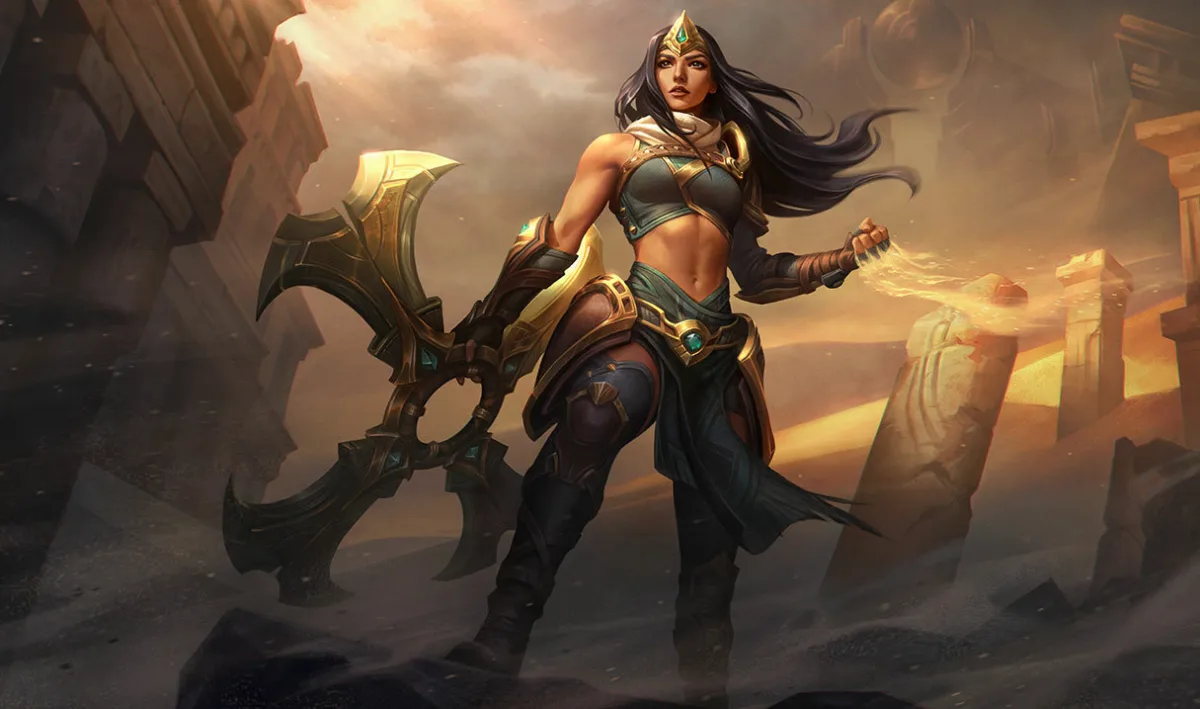
That is not a disguised ranking. Sivir changes the support’s job faster than most marksmen. Her wave can move from neutral to the enemy turret in a few casts, but the support still has to decide whether the crash becomes a recall, a river move, a plate attempt, or an overstay. The best supports for Sivir take custody of that decision rather than treating every cleared wave as permission to leave.
Patch 26.17 did not directly change Sivir or any of the six featured supports in modern Summoner’s Rift. Riot’s page later opens a separate League Classic section, where familiar champion names can appear with changes that do not apply here. This article uses the standard champion section and Data Dragon 16.17.1. Current rank-split pairing data is a plausibility check, not a permanent ranking, because its samples can move during the patch.
Clearing the wave is not owning it
Boomerang Blade cuts through every unit in its path, with reduced damage after hitting non-champions. Ricochet gives Sivir attack speed and makes her attacks bounce through nearby enemies. Those tools can erase minions, yet neither one guarantees that the remaining allied minions reach the opposing turret.
That distinction is wave custody. Sivir owns the wave while she can decide its next state. If she shoves early enough to make the turret collect every minion, she can recall without losing the returning wave, move with her support, or pressure vision. If the opponents hold three minions outside turret range, they own the next state. Sivir must walk into a long lane to collect experience, and the support’s roam has become a liability rather than a reward.
Spell Shield encourages another false shortcut. It blocks the next incoming enemy ability for a short window. A successful block heals Sivir and triggers Fleet of Foot, the movement burst she also gains when attacking an enemy champion. That makes her difficult to catch with one obvious spell. It does not make her safe against the second spell, a basic attack sequence, an opponent entering from another angle, or a support who simply waits for the shield to expire.
On The Hunt extends the custody question beyond lane. It grants nearby allies movement speed. Sivir’s attacks against champions during the hunt reduce her basic ability cooldowns, and takedowns on recently damaged enemies refresh the hunt’s duration. The team receives mobility, but it still needs a direction. Braum, Leona, or Rell can give that speed a front edge. Milio or Lulu can use it to move a protected backline. An ultimate with no assigned destination often becomes five champions running at different targets.
Braum covers the spell Sivir cannot
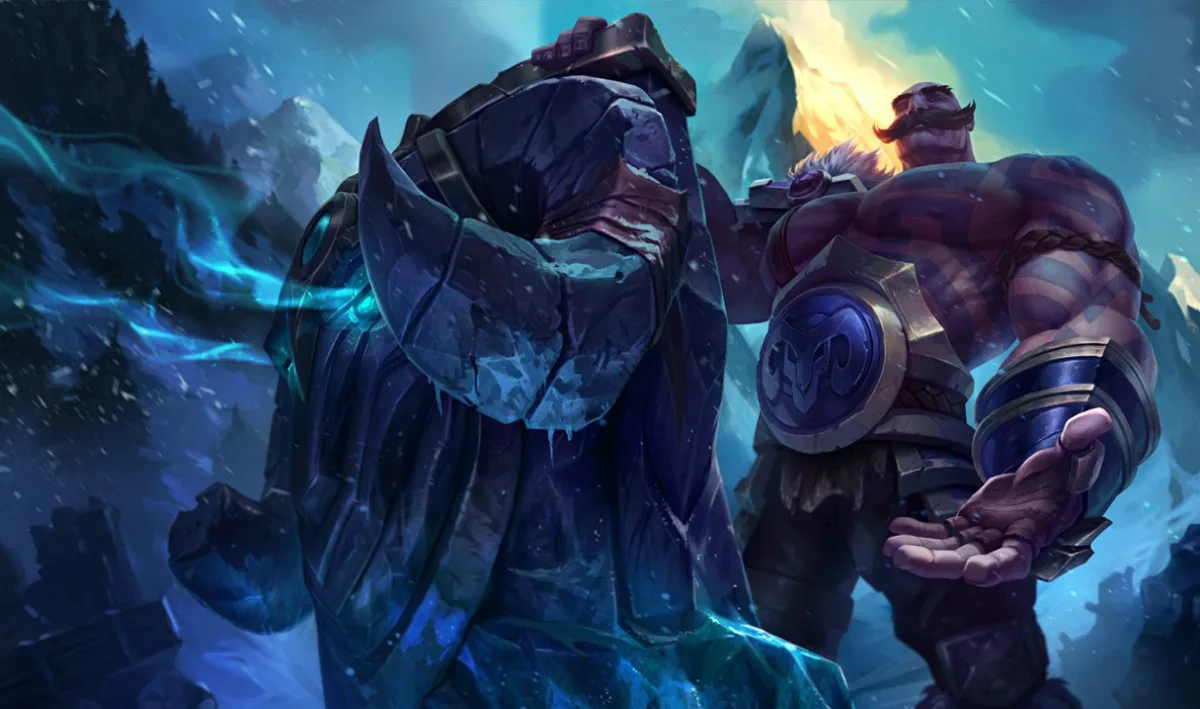
Braum is the cleanest co-custodian because his protection begins where Spell Shield ends. Unbreakable faces one direction, intercepts enemy missiles, makes the first blocked missile deal no damage, and reduces damage from later projectiles. Sivir can reserve Spell Shield for the hook, binding, or hard control that would stop her. Braum can then stand between her and the projectile damage that follows.
The lane does not have to surrender offense. Braum’s attack or Winter’s Bite applies the first Concussive Blows stack. Once that mark exists, allied basic attacks add stacks, and the fourth stuns. Ricochet gives Sivir a burst of attack speed, so she can complete the mark quickly on a reachable champion. She must attack the marked target directly. Ricochet bounces are wave-control tools, not a substitute for aiming the attacks that Braum needs.
A useful pattern begins after the wave is mostly secured. Braum steps into the space beside the final melee minion and lands Winter’s Bite on the enemy support. Sivir activates Ricochet, attacks that target, and gains Fleet of Foot for contact. If the enemy marksman fires back through the same lane, Unbreakable covers the exchange. Boomerang Blade can pass through the marked champion on the way out, but casting it through the entire next wave may spend the lane’s custody for minor extra damage.
Stand Behind Me lets Braum jump to Sivir or an allied minion and gives both Braum and the allied champion defenses. That makes him unusually good at repairing a bad handoff. If Sivir has stepped forward to finish the crash, Braum can rejoin her instead of leaving a wide gap for the enemy support. The ability still requires a valid target in range. Sivir cannot treat it as global permission to clear alone beside the enemy turret.
Glacial Fissure adds a teamfight front edge. It knocks up enemies near Braum and along its line, then leaves a slowing fissure. On The Hunt can help Braum reach a useful angle, while the fissure gives Sivir time to attack a champion and cycle her basic cooldowns. Braum does not force entry as sharply as Leona or Rell. He is the default when the draft already has some initiation and needs the bot lane to survive the second hostile action.
Current evidence supports that editorial position without making it universal. RiftMind’s three-patch model places Braum above role-adjusted expectation in both displayed rank bands and gives him its largest higher-rank support delta for Sivir. The samples are not large enough to turn one table into law. They do match the kit-level reason: one spell shield plus one directional projectile wall is harder to exhaust than either defense alone.
Karma decides when the lane changes hands
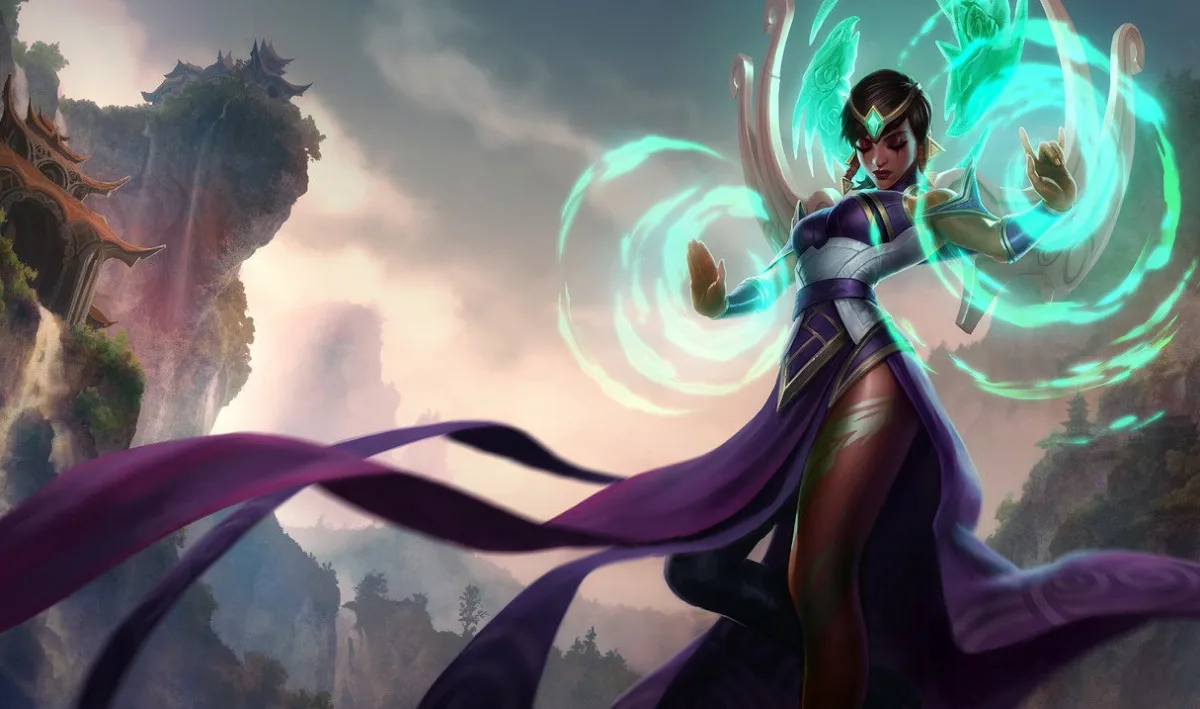
Karma is the active wave custodian. Inner Flame damages the first unit it hits and explodes, while Mantra strengthens the cast and leaves a second damaging zone after a delay. The spell can pressure an opponent standing beside the wave, but it can also damage minions and accelerate the shove. Karma must choose whether the cast wins health, wins the crash, or accidentally gives the opponents a wave they can collect safely.
The first three waves show the difference. If Sivir and Karma want a third-wave crash, Karma can attack the first wave, threaten the enemy support away from the minion line, and use Inner Flame when its explosion helps finish the correct group. Sivir should not immediately layer Boomerang Blade and Ricochet through every target. They need enough allied minions alive to carry the cannon wave into the turret. A shove that arrives as scattered survivors gives the opponents time to trim it and hold the lane.
Inspire shields one ally and grants movement speed. Mantra turns it into a larger team tool around the target. That movement pairs naturally with Fleet of Foot and On The Hunt, but more speed is only useful when the duo agrees on direction. After a crash, Inspire can escort Sivir out before the enemy jungle arrives or move Karma toward river first. Using it to chase one turret attack can consume the exact shield needed for the return hook.
Focused Resolve creates a tether to an enemy, reveals them, and roots if they fail to break the link. It gives Karma control after Sivir has spent Spell Shield to walk through an opening ability. The tether is not immediate crowd control. A mobile target can exit its range, and a fragile Karma can be punished while trying to hold it. Boomerang Blade or Fleet of Foot should help maintain the route rather than tempt Sivir into clearing the next wave while Karma fights alone.
Karma’s high-rank data signal is positive in the current model, while she does not appear among its positive lower-band support leaders. That split fits the execution burden. This pairing is excellent when both players understand the intended crash and use the first move together. It is ordinary when every damaging spell hits the wave and the support roams on the assumption that fast clear equals a completed handoff.
Milio protects the reset window
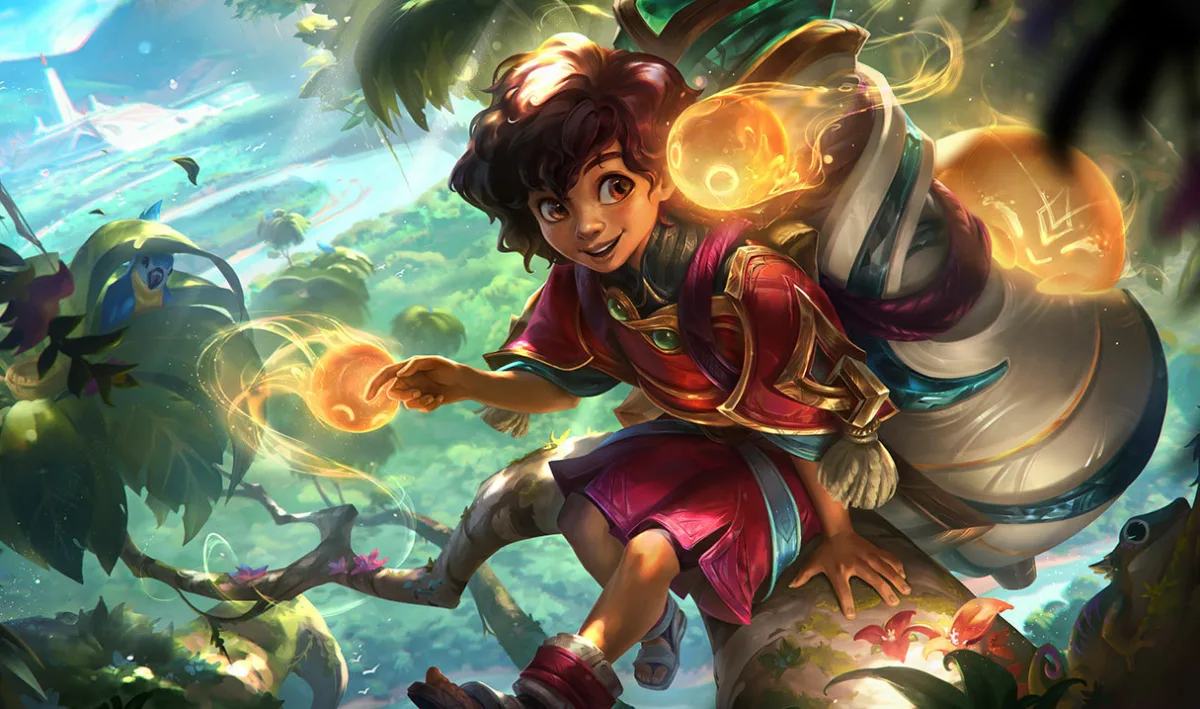
Milio takes custody after the push. Cozy Campfire heals allies and increases attack range inside its zone, following the ally nearest the cast point. Sivir can stand farther from the hostile engage line while her Ricochet attacks finish the wave. The added range does not change where the minions stop. Milio still has to remain until the wave reaches the turret rather than casting the campfire and leaving Sivir beside a half-finished crash.
Warm Hugs has two charges. Each shield also grants movement speed for a short time. That makes the ability well suited to a push-and-exit rhythm: one charge absorbs the trade taken while Sivir clears, and the other protects the route into fog, recall position, or river. Spending both charges to win a harmless exchange can leave the duo with fast clear and no safe transfer.
Sivir’s Spell Shield and Milio’s Breath of Life are different layers. Breath of Life heals and removes crowd control from allies in range. Spell Shield tries to prevent the selected ability from applying at all. Sivir should reserve the shield for the threat that would stop her from moving, while Milio remains in range to answer a later control effect. Breath of Life cannot undo displacement that has already moved Sivir away from her firing position, so distance still matters.
Ultra Mega Fire Kick knocks the first enemy back, then drops into an area that damages and slows. It can remove a diver after Sivir blocks that champion’s opening spell. It can also push a reachable target beyond Sivir’s short attack range. Milio should use the kick to separate danger from Sivir, not reflexively separate every enemy from her damage.
Choose Milio when the allied draft already has initiation and the bot lane’s job is to deliver clean resets, safe rotations, and a protected late fight. The current model puts him above expectation in both rank bands. The practical reason is not simply healing. He helps Sivir convert cleared waves into movement without spending every defensive resource before the handoff.
Leona turns first move into contact
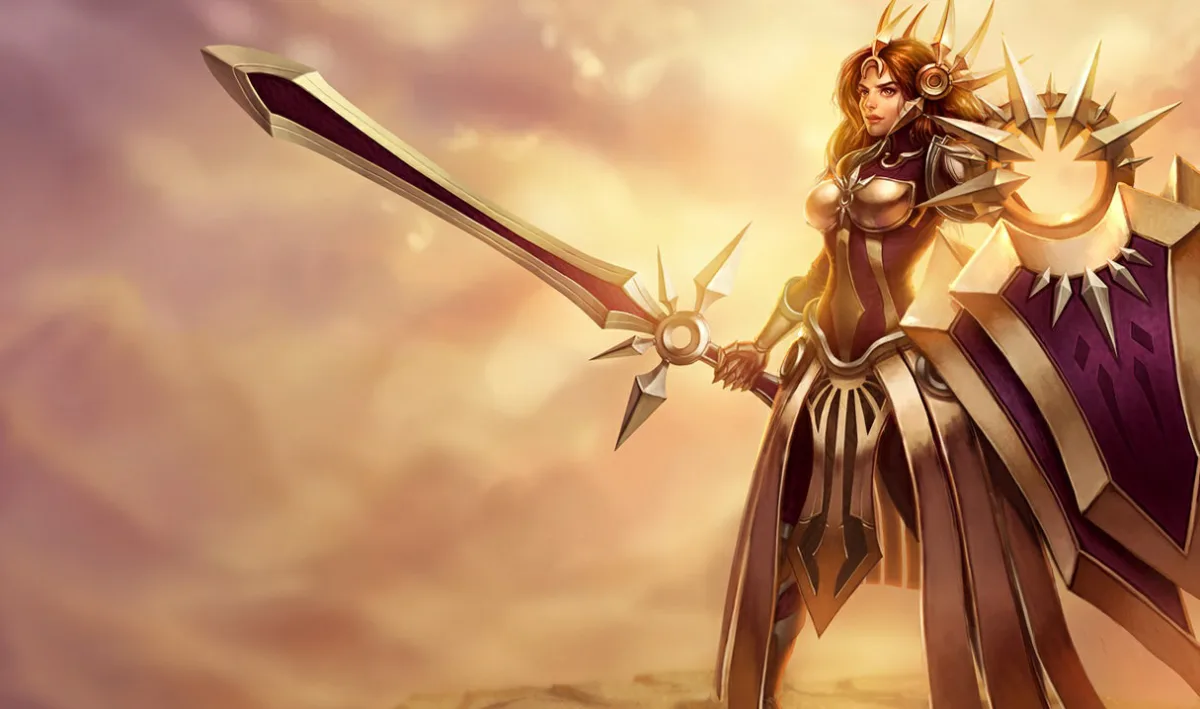
Leona takes a completed crash and turns it into action. Zenith Blade passes through units, immobilizes the last enemy champion hit, and carries Leona to that champion. Shield of Daybreak makes her next attack stun. Sivir can follow without walking through the enemy’s first control spell if she times Spell Shield for it, then use Fleet of Foot after her first champion attack to stay in range.
The lane works best when Leona does not contest Sivir for wave speed without a purpose. If the duo wants level two first, Leona can help damage minions, then move into the side brush as the last minion dies. If they only auto every wave because Sivir clears well, the enemy receives a predictable turret line and Leona loses the side angle that makes Zenith Blade threatening.
Sunlight rewards focus. Leona’s damaging spells mark enemies, and allied champion damage consumes the marks for additional magic damage. Ricochet can spread through the fight, but Sivir should direct her attacks and Boomerang Blade through the champion Leona has controlled. Damage scattered across both bot laners does not extend the stun or protect Leona after Eclipse ends.
At level six, On The Hunt helps Leona close the gap for Zenith Blade or reach a Solar Flare angle. Solar Flare stuns in the center and slows around the edge, giving the team a destination for the speed. This is engage insurance rather than a promise to start every fight. Sivir’s ultimate can also pull the team out of a bad river entry while Leona holds the narrow route.
Leona appears positive in both bands of the current pairing model, with a larger signal in the higher band. Her failure case is the unsupported handoff. If Sivir clears the wave and immediately recalls while Leona assumes priority means engage, the support crosses first and dies before Sivir can use the move. The crash transfers the right to act, but both players still have to accept the action.
Lulu carries Sivir through the second threat
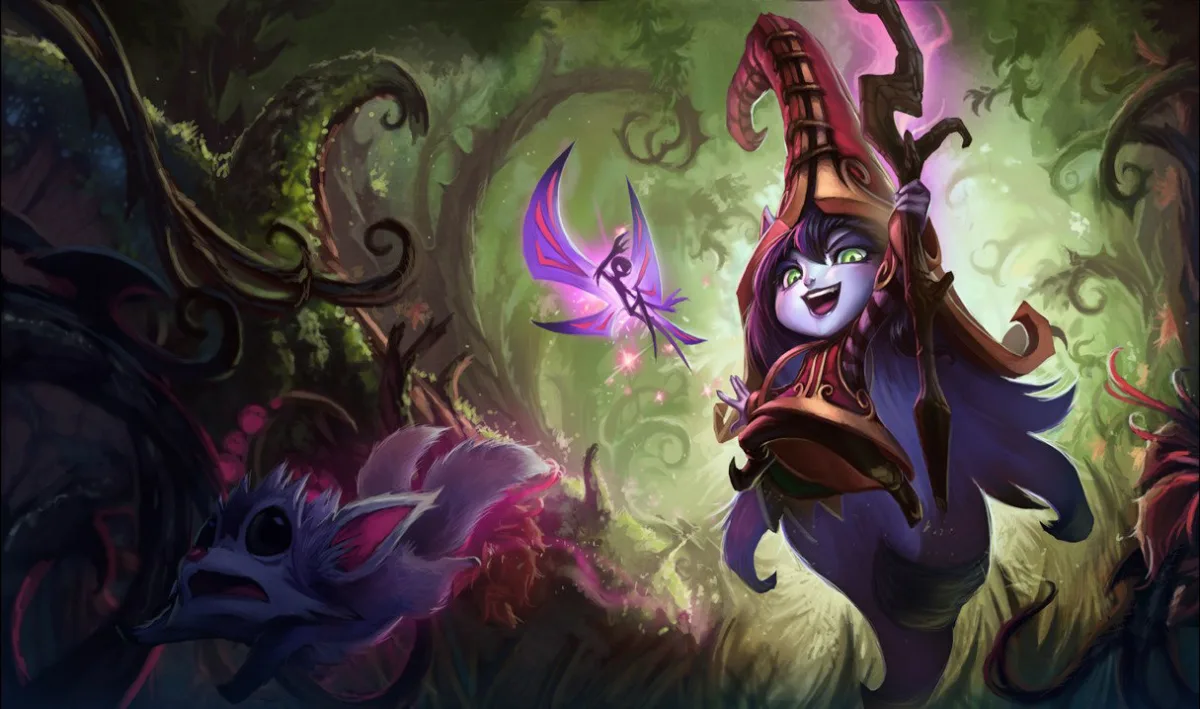
Lulu is the answer when the enemy does not need a projectile lane to reach Sivir. Spell Shield may block the damage or control attached to one dash, stun, or spell. Whimsy can polymorph the next champion so they cannot attack or cast, while Wild Growth grants Sivir bonus health, knocks nearby enemies into the air, and leaves a slowing aura. The defense continues after the single block has been consumed.
Whimsy can instead grant Sivir attack speed and movement speed. That accelerates Ricochet’s wave-clear window and helps Fleet of Foot maintain champion contact. The ally cast is correct when the enemy has already spent its interruption or cannot reach Sivir. If a diver is still waiting, polymorph is usually worth more than adding another layer of attack speed to a wave that Sivir can already clear.
Help, Pix! shields Sivir and attaches Pix so Pix aids her attacks. Those bolts can be intercepted by other units, which matters in a crowded minion wave. Lulu and Sivir should not read the extra bolts as permission to fight through every blocker. Glitterlance supplies a heavy slow and can buy the space needed to finish the wave or leave it.
Lulu’s current higher-rank pairing result sits above role-adjusted expectation with the largest sample among that band’s positive support rows. She does not appear among the lower band’s ten positive leaders, so this is a draft-specific kit recommendation rather than a universal statistical claim. She is not the best support for forcing river action. She is the custody choice when Sivir must remain the stable carrier after the first hostile spell has already been answered.
Rell’s result changes with the handoff
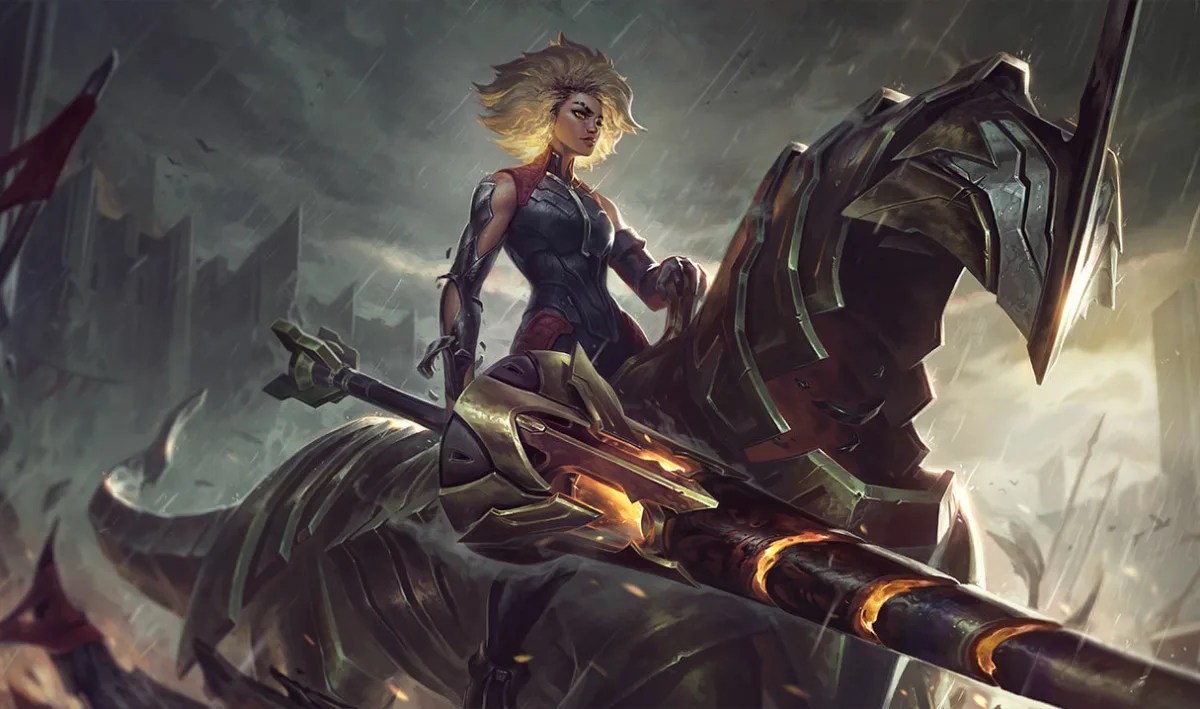
Rell is the clearest warning against averaging data into a fake universal order. She owns the largest positive support delta for Sivir in RiftMind’s current lower-rank band, on a sample barely above the site’s minimum. In the higher-rank band, the pairing appears below expectation. The champion did not transform between those groups. The timing and opponents did.
Her kit makes the upside obvious. Full Tilt gives Rell and an ally ramping movement speed, with more speed toward enemies and each other. On The Hunt can move the whole formation, while Full Tilt sharpens Rell’s chosen entry. Ferromancy: Crash Down knocks enemies up and gives Rell a large shield; its mounted form later gives a speed burst and knocks up the next enemy she attacks. Magnet Storm pulls nearby enemies toward Rell and continues dragging them for a short time. Sivir wants those champions gathered where Boomerang Blade and Ricochet can cross them.
Rell also brings Break the Mold, adding magic damage and stealing armor and magic resistance through her attacks and abilities, plus Shattering Strike to damage a line, break shields, and stun. That is a large teamfight package for a lane whose marksman already supplies movement speed.
The handoff is difficult. Rell can begin from farther ahead than Sivir’s short attack range can immediately follow. If the support crashes down while Sivir is still finishing the side wave, Magnet Storm groups targets for allies who are not present. Sivir may spend Spell Shield crossing the gap, then arrive without protection against the second control spell. In lower-coordination fights, the raw combination of movement and area control can still overwhelm opponents. Against players who punish the gap, Rell’s entry becomes separated from Sivir’s damage.
Pick Rell when the allied draft wants a committed area engage and can move with On The Hunt as one unit. Do not pick her merely because one current band places the duo first. The same source shows why the execution contract matters.
Spell Shield is a budget, not a support
Spell Shield should be assigned before the trade begins. Against Blitzcrank, it may be reserved for Rocket Grab. Against Leona, the dangerous choice depends on distance: Sivir may reserve the shield for Zenith Blade’s immobilize, while waiting for Shield of Daybreak may be necessary if Leona can already reach with Flash. Against a poke lane, blocking light damage can restore health and trigger Fleet of Foot, but it may expose Sivir to the control spell that actually ends the lane.
The support needs to know the assignment too. Braum can face the return projectile line once the shield falls. Milio can hold a Warm Hugs charge and stay inside Breath of Life range. Lulu can reserve polymorph for the diver whose first ability Sivir blocks. Leona and Rell solve the budget differently by controlling the opponents before they can spend a second spell.
A successful block restores health and triggers Fleet of Foot. That movement is an exit as often as an entry. Sivir can step back after collecting the heal, preserve the wave, and wait for Spell Shield to return. Chasing because the block looked favorable may put her past Braum’s shield direction, Milio’s ultimate range, or Lulu’s ability range.
The worst use is uncertain use. Holding Spell Shield until after the key spell lands wastes the budget; pressing it against an opponent with no ability committed invites that opponent to wait. The support can help by standing where the enemy must reveal intent. A Braum in front narrows the projectile angle. A Karma tether forces movement. A Leona threat makes the opposing support choose between guarding the marksman and starting on Sivir.
Every crash needs a receipt
On the third wave, the receipt is usually a recall or a move. Sivir and Karma may have spent mana to create the crash, so staying for one turret plate can turn a clean reset into a lane where both champions have empty resources. If the enemy jungle position is unknown, the support should place vision on the exit before the final minion dies, not after Sivir is already hitting the turret.
When the wave is held outside the enemy turret, custody has failed. The support should return to lane before forcing river action. Braum can help Sivir walk into experience range. Milio can extend her safe attack distance. Leona or Rell may threaten an engage on the champion maintaining the freeze, but only if Sivir can follow without losing the whole wave. Clearing the hold is already a successful play; a kill is not required to justify returning.
When the wave rebounds toward Sivir, the support can roam for longer because the minions will eventually approach the allied side. Sivir should resist using Boomerang Blade and Ricochet through the entire wave the moment it appears. Fast clear cancels the safe state. Holding abilities lets the wave arrive, shortens the gank route behind her, and creates a lane in which Braum’s mark, Leona’s control, or Rell’s entry has room to matter.
Later, a side-wave crash transfers custody to the team. Sivir can clear quickly, but she should not remain for the next wave while On The Hunt and the support are moving toward an objective. The value of fast clear is the time it creates between waves. The support’s location tells Sivir where to spend that time.
On The Hunt needs an owner
In a front-to-back fight, Braum should own the first seconds. On The Hunt helps him reach the line he wants to shield or find a Glacial Fissure angle. Sivir attacks the nearest safe champion, reduces her basic cooldowns during the hunt, and lets Ricochet carry damage through the formation. A takedown refreshes the duration, so the team can keep moving after the first target instead of immediately scattering.
With Leona or Rell, the engager owns the destination. Sivir should activate On The Hunt early enough for the team to form behind the entry, not after the support has already crossed a wall or spent the control. Karma can turn the movement into a wider team shield through Mantra-empowered Inspire. Milio and Lulu own the retreat edge, keeping Sivir close enough to deal damage without letting the fastest ally drag the formation apart.
Champion select therefore ends with one question: who is still missing custody? Choose Braum when Sivir needs protection from the spell after Spell Shield. Choose Karma when the lane must create and use its own crashes. Choose Milio when resets and hostile control decide the game. Choose Leona when first move needs a precise target, Lulu when a diver will reach Sivir anyway, and Rell when the whole allied draft is prepared to follow one area engage.