
The second melee minion is low, both bot laners are one step from a level, and the enemy support is still playing the ordinary duo timing. Nilah takes the last hit. Her support levels with her sooner than the opponents expect, moves forward on the same beat, and the lane changes before either side has spent a summoner spell. That is the first payment in Nilah’s shared-resource contract. It is not the last.
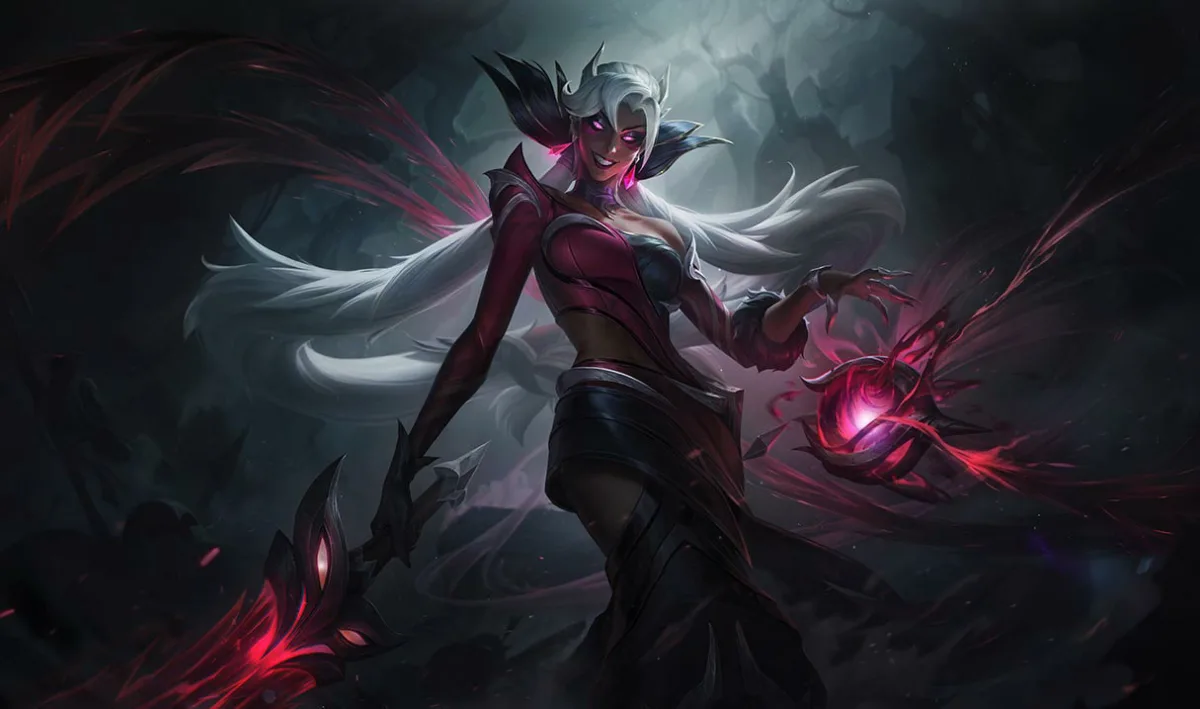
Among the best supports for Nilah on Patch 26.17, Taric is the strongest complete partner because he participates in the entire exchange. He shares Nilah’s accelerated experience, gives her ability-based healing and shielding to amplify, projects crowd control from her new position when she enters, and can time Cosmic Radiance for the part many duos forget: surviving after Apotheosis has pulled five players into one small space.
That verdict has a condition. Taric and Nilah are both short-ranged, so a lane that cannot reach its targets can lose health and wave control without ever testing its strongest interaction. Rakan is the more flexible access partner. Senna and Seraphine give the lane range and a useful resource plan. Lulu makes the exit from an all-in much harder to punish. Leona is the cleanest answer when the draft needs immediate, reliable entry more than it needs to maximize Joy Unending.
Nilah was not directly changed in modern Summoner’s Rift on Patch 26.17. The patch notes later move into a separate League Classic section, and Nilah is not part of that older champion roster. This article uses the current standard kit in Data Dragon 16.17.1 and excludes all Classic balance changes.
Nilah’s lane is a shared-resource contract
Most bot-lane pairings divide responsibility. The ADC takes gold, the support creates space, and both collect shared experience. Nilah rewrites that division. Joy Unending returns part of the experience that she and the nearest allied champion would normally lose from sharing when Nilah last-hits. It also improves nearby allied champion ability healing and shielding that affects Nilah or the caster. The support’s kit, position, and timing can therefore change how much value the duo extracts from the same wave and the same defensive spell.
The experience clause rewards coordination, not automatic pushing. Nilah still needs the last hit for her special shared experience. If the support burns an area spell across a half-damaged wave or takes a minion at the wrong moment, the duo can miss the timing that was meant to fund its first approach. The support should track which minion produces the level, stand close enough to receive the shared benefit, and already occupy a useful angle when that minion dies. An earlier level is only pressure if both players can spend it before the enemy walks away.
The restoration clause is narrower than the tooltip fantasy many drafts are built around. Nilah amplifies ability-based healing and shielding from a nearby allied champion. That does not mean every potion, rune, summoner spell, or support item becomes a second heal for the lane. It also does not make raw sustain sufficient. A support can refill health indefinitely and still fail the contract if the duo never reaches the wave, loses every brush, or has no answer after the enemy engages.
Access is the expensive clause. Nilah must hit an enemy with Formless Blade to gain her temporary attack range and enhanced attacks. Slipstream moves her through a unit, but the target must already exist on the route. Jubilant Veil can protect her from non-turret basic attacks and reduce incoming magic damage while giving movement speed, yet it does not erase crowd control or every spell. A partner who forces the enemy to hold still, creates a unit to dash through safely, or buys the first half-second of approach can be worth more than a larger heal.
The contract remains active after Nilah presses Apotheosis. Its final burst pulls nearby enemies and heals Nilah plus nearby allies based on champion damage dealt. That can produce a dramatic health swing, but it also leaves Nilah at the center of the answer. Enemy control held through the spin, a diver arriving late, or a marksman who waited out Jubilant Veil can turn the apparent win into a shutdown. The best support still has a spell, a body position, or a route out when the animation ends.
Taric fulfills the whole contract, but not every matchup
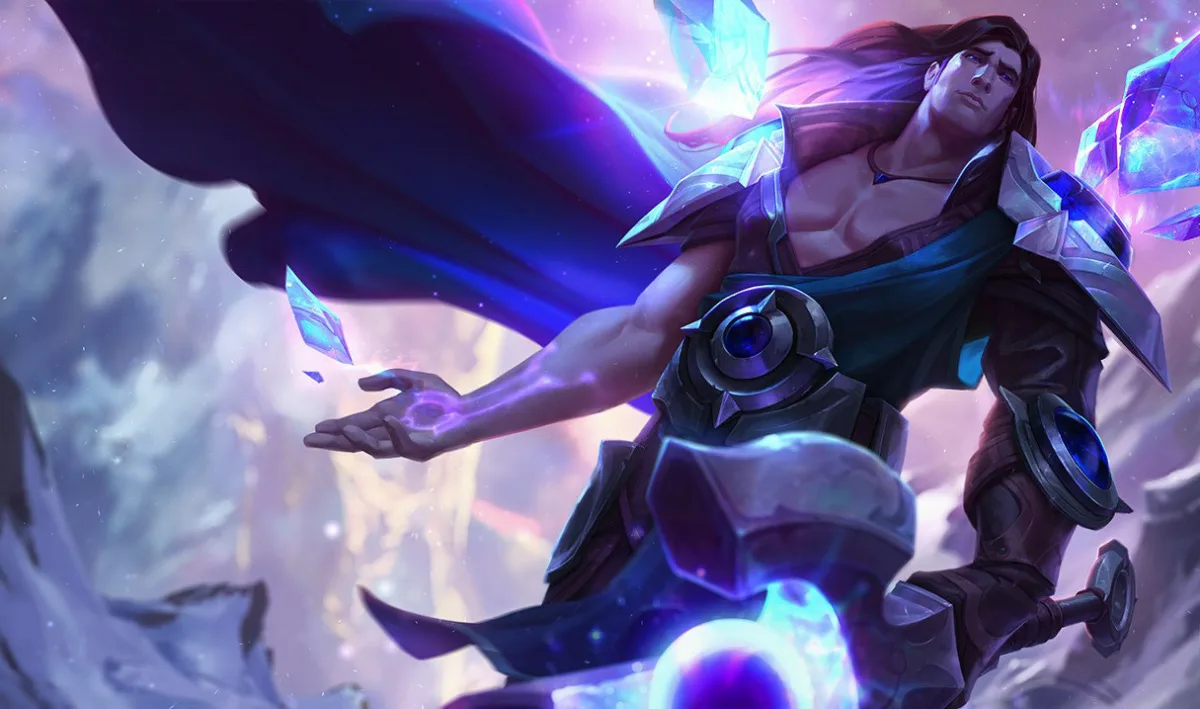
Taric is the rare partner whose spells keep changing value as Nilah changes distance. Starlight’s Touch heals nearby allied champions. Bastion shields an ally, links Taric to that champion, and causes his abilities to cast from both positions. Dazzle threatens a delayed stun from Taric and his linked ally. Cosmic Radiance grants nearby allied champions invulnerability after a delay. Each part speaks to a different problem Nilah creates by entering melee range.
The lane sequence begins before either champion dashes. Against an engage lane, Nilah and Taric can hold the wave on their side of center and make the enemy support cross more space. Taric keeps Bastion on Nilah, attacks only when he can return safely, and preserves Dazzle until an opponent commits or Nilah has a real path. A random stun fired through a full wave tells the enemy exactly when the duo cannot contest. A held stun makes every last hit near Nilah’s Slipstream range uncertain.
When the opening appears, Nilah’s movement changes the second Dazzle origin. Taric begins the cast, Nilah uses Slipstream through an appropriate unit, and the linked line follows her new position. The aim still belongs to Taric, so the duo needs a shared target rather than two separate ideas. If Dazzle lands, Nilah can hit Formless Blade, gain the range she needs to continue, and reserve Jubilant Veil for the enemy marksman’s return fire instead of spending it during the approach.
Starlight’s Touch works after the enemy has committed damage, not as a decorative cast at full health. Taric’s Bravado attacks help recharge his basic spells, so Nilah’s compressed brawl lets the pair recover while dealing damage. Cosmic Radiance then solves the most dangerous part of the all-in only when its delay is respected. Cast too late, it arrives after the fight is decided. Cast too early, the opponents retreat and re-enter. The useful timing begins as Nilah crosses the point where she cannot simply walk out. Apotheosis can occupy part of the delay, and invulnerability can cover the retaliation after the pull.
The failure case is a lane with no affordable entry. Caitlyn and a ranged mage can push Taric off the side brush, place damage on the minions Nilah must approach, and retreat before Dazzle finishes. A missed engage then leaves two melee champions walking backward through a long lane. Taric remains the best full-contract support, but he is not the blind answer when the opposing lane owns every first step. In that room, Senna or Seraphine may pay for access with range rather than durability.
Rakan makes entry reversible
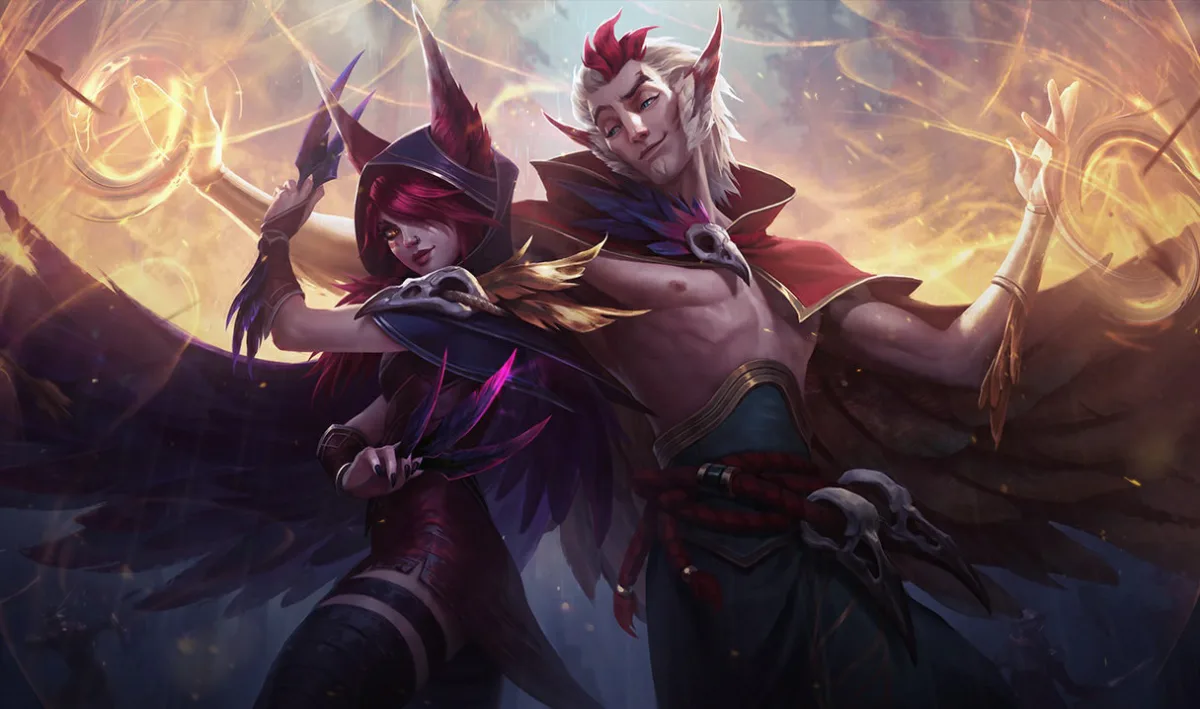
Rakan cannot match Taric’s sustained close-range durability, but he gives Nilah a safer way to test an opening. Grand Entrance dashes to a location and knocks up nearby enemies. Battle Dance dashes to an ally with a shield and can be cast again without cost after a short window. Gleaming Quill can heal Rakan and nearby allies after it hits an enemy champion or epic monster. The Quickness adds a charm and movement speed for a committed fight.
That kit creates a two-way door. Rakan can step past the wave, threaten Grand Entrance, and return to Nilah with Battle Dance if the enemy backs away or the jungler appears. Nilah does not have to spend Slipstream merely because her support moved. The duo can draw a defensive spell, keep the wave in a usable position, and try again when the cooldowns favor them.
The stronger sequence starts with Rakan controlling the side of the lane rather than sitting on Nilah. When the opposing marksman steps toward a last hit, Rakan threatens the knockup from an angle that avoids the minion line. Nilah waits until the target is actually displaced before dashing. Formless Blade should connect as she arrives so her temporary range is available during the chase. Rakan can then use Battle Dance on Nilah, delivering a shield while also relocating for a second spell cycle.
After level six, Rakan can begin with The Quickness, cross the first target, and use Grand Entrance where the charmed path will end. Nilah follows once the control is real. Jubilant Veil belongs to the moment enemy basic attacks can resume, not necessarily to Rakan’s first touch. After Apotheosis, Rakan can shield Nilah again or return through the team rather than remaining beside her as a second vulnerable target.
Rakan is the pick when the lane needs access that can be cancelled. He is less convincing into instant point-and-click control that stops his first dash, and his early ranged pressure is modest. Compared with Taric, he trades a stronger stationary brawl for the right to investigate a fight without signing the whole team into it.
Leona pays for access with everything else
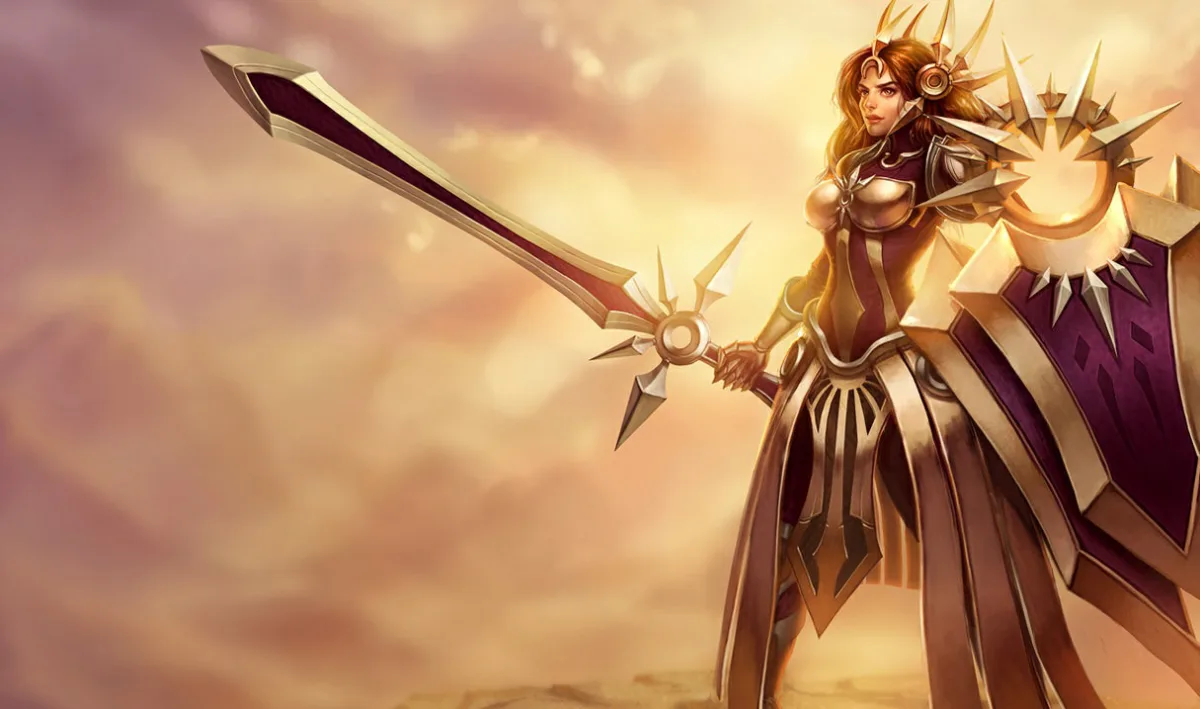
Leona does not trigger Joy Unending’s healing or shielding clause. That omission is useful because it exposes a common drafting mistake: maximizing Nilah’s passive is not the same as maximizing Nilah. Zenith Blade passes through minions, roots the last enemy champion struck, and carries Leona to that target. Shield of Daybreak adds a stun. Solar Flare can start the fight from range. When the allied draft lacks a first move, those tools may be more valuable than amplified sustain.
The lane needs a clear follow-up route. Leona can travel through a minion wave, while Nilah’s movement still depends on a legal Slipstream target. Before Leona casts Zenith Blade, the duo should identify the unit Nilah will use to close distance. That may be an enemy melee minion beside the target, the rooted champion, or an allied unit that provides a different route. If every dash target points away from the fight, Leona’s successful engage is still a solo engage.
Nilah should not overlap Jubilant Veil with Leona’s full control chain by habit. During the stun, the enemy marksman cannot attack. Veil becomes more valuable as control ends and return damage begins. That staggered defense extends the window in which Nilah can attack after Formless Blade connects. Leona’s Sunlight marks are then consumed by allied champion damage, adding a reason for Nilah to keep hitting the controlled target rather than split toward a second opponent.
The price appears when the first attempt fails. Leona has no allied shield or heal to enlarge, little ability to repair a pushed wave from range, and no quick retreat once Zenith Blade lands. Nilah may spend Slipstream and Veil to save her, which empties the duo’s defensive budget at the same time. The next hostile engage can cost the wave and both summoner spells even if the first exchange produced no death.
Leona is correct when access is scarce, an allied jungler can use the long control window, or the team needs bot lane to supply initiation later. She is wrong when the opponents want her to enter a disengage trap or the wave never gives Nilah a route. A support can sign one clause and still be right, but the draft must know which clause it bought.
Senna turns one wave into two economies
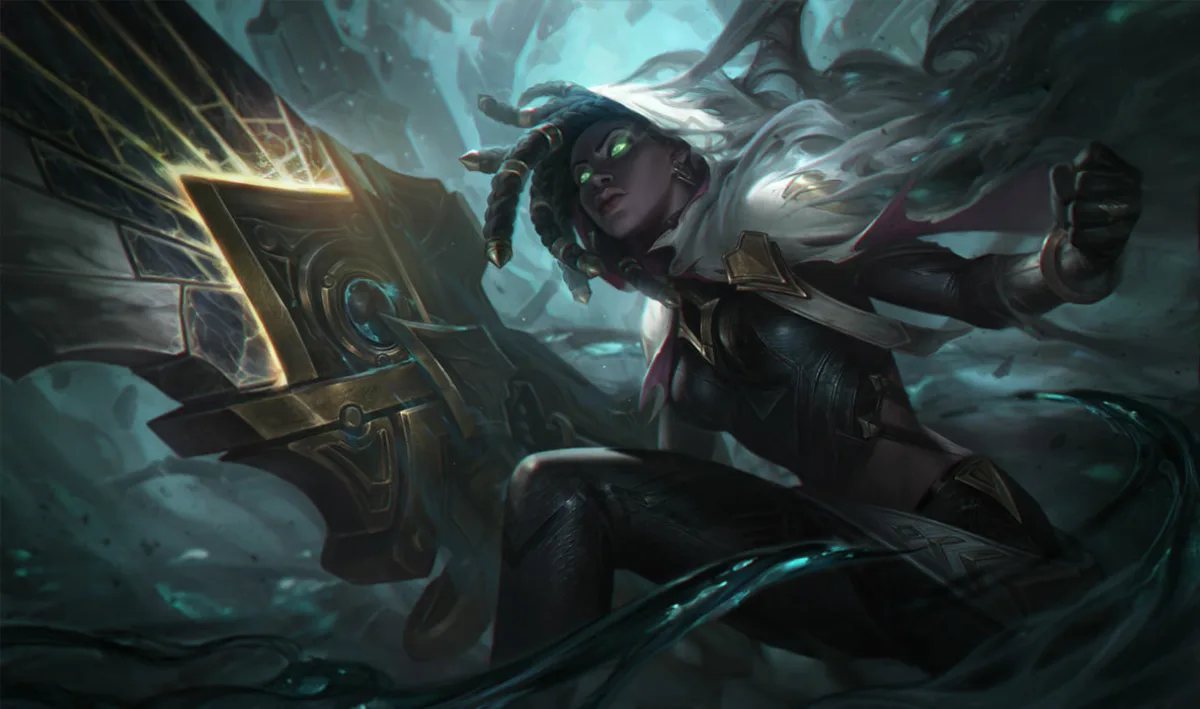
Senna changes what sharing the lane can purchase. Nilah takes the minion last hits that drive Joy Unending, while Senna can collect Absolution Mist Wraiths and use her range to contest space. Piercing Darkness heals allied champions and damages enemies along its line. Last Embrace creates a delayed root around its target. Dawning Shadow shields allied champions globally. The pairing can therefore earn accelerated shared experience, Nilah’s farm, and Senna’s scaling resource without assigning both champions to the same minion.
The lane geometry matters more than the attractive economy. Senna should stand on a side angle where Piercing Darkness can pass through Nilah or a minion and reach an opponent. Nilah stays close enough for the heal interaction without stacking directly on Senna. If both occupy the same line, one hook or area spell threatens them together. If Senna drifts too far forward for a soul, Nilah cannot instantly make a ranged marksman safe.
Last Embrace gives Nilah time to build an entry, but its root is delayed. A hit is not permission for an immediate dash into two ready enemies. Nilah should watch where the marked target can move, identify the Slipstream route, and enter as the root forms. Senna can place Piercing Darkness through the engagement for damage and healing, then use Curse of the Black Mist to help the pair change position if the return chase begins.
This lane is especially useful when the enemy can deny a double-melee pair before level three. Senna attacks the champion who steps toward the wave, Nilah secures the minion, and the duo makes the opponent choose which resource to contest. A health advantage can later fund the melee entry. If no entry arrives, both champions still have a scaling plan rather than waiting for a single failed all-in.
The weakness is structural fragility. Senna is a second marksman-shaped target, not an emergency front line. A hook support who controls the brush can punish her before Nilah has room to answer. Pick Senna when range and resource conversion are missing and another teammate can absorb first contact later.
Seraphine writes a ranged amendment

Seraphine gives Nilah permission to survive a lane without pretending it has already reached its targets. High Note pressures champions near the minions. Beat Drop slows, roots targets that are already slowed, and stuns targets that are already immobilized. Surround Sound shields nearby allies and can heal when Seraphine is already shielded. Encore charms and extends through champions, creating a grouped entry that does not begin at Nilah’s attack range.
The support must decide whether each area spell is controlling a champion or controlling the wave. If Seraphine repeatedly clears the ranged minions while Nilah is trying to hold near the allied turret, she removes the safe portion of the lane and pushes the duo into jungle exposure. If she refuses to touch a stacked hostile wave, Nilah may take free damage just to preserve last hits. The good cast trims enough minions to prevent a crash while leaving Nilah the final hits that preserve Joy Unending’s experience value.
Encore gives the composition a route back into games where the lane never found a clean all-in. Seraphine can begin through a front line, extend the charm through champions, and let Nilah choose the controlled part of the fight rather than dash at the first body she sees. Apotheosis then pulls targets after the initial formation has broken. Surround Sound remains valuable on the exit, especially if Nilah’s own healing has already bought the first second.
Seraphine is less dependable when a mobile enemy can sidestep the first spell and immediately threaten her. She also competes for wave authority, so poor communication can cost Nilah both farm and the passive’s timing. Choose her when a ranged lane, wave moderation, and a grouped fallback matter more than Taric’s close-range durability.
Lulu reserves the answer after Apotheosis
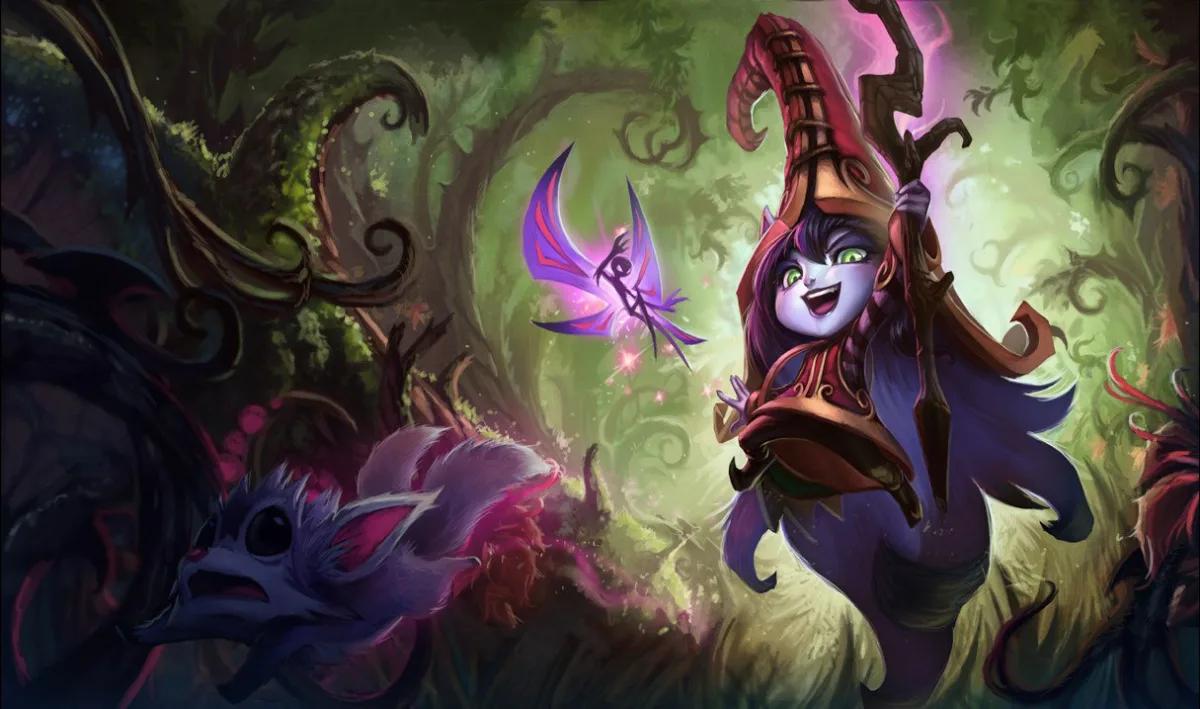
Lulu is not the strongest partner for reaching an opponent. She is the strongest partner here for making the opponent regret waiting out Nilah’s first defensive window. Help, Pix! shields an allied target. Whimsy grants an ally movement speed and attack speed or polymorphs an enemy. Wild Growth grants bonus health, knocks up nearby enemies, and leaves a slowing aura. Those spells can be staggered across Nilah’s entry instead of spent together at the first sign of contact.
Help, Pix! is the clearest Joy Unending interaction in Lulu’s kit. Cast before the main burst arrives, it gives the amplified shield something real to absorb. Casting at full health while the opponents are still retreating only starts the cooldown. Wild Growth should be described accurately: it grants bonus health rather than a heal or shield, so Joy Unending does not amplify that part. Its knockup and slow still make it an excellent post-entry tool.
The strongest timing often arrives near the end of Apotheosis. Nilah has already pulled enemies inward and healed from champion damage. The opposing marksman begins attacking as Jubilant Veil expires, while a diver prepares a second spell. Lulu can use Wild Growth to interrupt the crowded response, polymorph the most dangerous attacker, and shield Nilah through what remains. The pairing wins by refusing to spend every defensive resource during the same second.
Lulu’s lane can be pushed off the wave by longer range and offers less initiation than Rakan, Leona, or Seraphine. If Nilah never reaches a target, attack speed and a saved ultimate do not create one. Pick Lulu when another ally supplies entry or the enemy composition has a predictable champion who must be denied after Nilah commits.
Jubilant Veil belongs to a schedule
Jubilant Veil is often treated as a panic button. That wastes its most distinctive property. Nilah becomes ghosted, gains movement speed, dodges non-turret basic attacks, and takes reduced magic damage. Touching an allied champion shares a shorter version of those benefits. The support and Nilah should know which enemy window the spell is meant to erase before combat begins.
Against a basic-attack-heavy marksman, Veil is strongest when that champion is free to answer, not while Leona’s stun or Rakan’s knockup already prevents attacks. Against mixed magic burst, the damage reduction may justify an earlier cast during entry. Against hard crowd control, Veil cannot substitute for avoiding or interrupting the spell. It does not make Nilah untargetable, does not protect against turret shots, and does not grant the support permanent safety for following her.
The cooldown must shape the next wave. If Veil was spent to escape a failed trade, the duo cannot contest as though it remains available. Hold the wave closer, give up the exposed caster minion if necessary, and let the opponents spend their engage before stepping forward. The contract has a recovery clause: sometimes both players preserve the next two waves by declining one last hit.
Why obvious sustain pairings can be wrong
Current data makes the word "obvious" dangerous. In METAsrc’s Nilah support table, retrieved August 31, 2026 with Patch 26.17, Ranked, All Regions, All Ranks, Nilah ADC, and Support filters, the page covered 57,745 Nilah games. Taric showed 55.68% over 1,110 games, Senna 55.58% over 1,540, Lulu 54.42% over 1,527, Seraphine 54.00% over 3,639, Rakan 53.42% over 878, and Leona 52.44% over 2,174. Nilah’s page baseline was 51.53%. Those numbers support the selected group, but they do not rank execution difficulty or draft fit.
RiftMind’s separate model, retrieved the same day across Ranked Solo/Duo games from patches 26.15 through 26.17, excludes games under 600 seconds, requires 500 games for a displayed pair, and compares observed results with role-adjusted expectation. Its Silver-through-Emerald group showed Yuumi at 55.1%, 3.6 percentage points above expectation over 830 games, while its Diamond-through-Challenger display listed Yuumi at 47.4%, 0.4 points below expectation over 549 games and showed no qualifying strongest pair. Different windows and models should not be merged, but the rank split is a useful warning against declaring an attachment-based sustain lane universally solved.
Yuumi appears to satisfy the restoration clause. She can heal, shield, and remain attached during Nilah’s entry. The draft can still fail because two champions effectively approach from Nilah’s location, leaving little independent brush control and limited authority over a ranged wave. If the opponents zone Nilah from a safe Slipstream route, Yuumi cannot create a second angle. The strong lower-rank snapshot is real within its filters. It is not proof that the pairing survives every level of coordinated lane pressure.
Soraka creates a different conflict. Her healing can produce impressive resource swings, and METAsrc’s same broad snapshot showed 53.38% over 2,651 games. RiftMind’s Silver-through-Emerald model, however, placed the pair 1.9 percentage points below expectation at 52.7% over 640 games. The sources measure different populations and cannot settle the draft alone. Soraka is excellent when the lane can protect her and Nilah needs repeated restoration. She is wrong when the enemy can force Soraka backward, cut access to the wave, or dive the healer first.
Milio offers healing, shielding, movement, and range support, yet the METAsrc snapshot showed 50.97% over 1,183 games, 0.55 points below Nilah’s page baseline. That is not a verdict that Milio is unplayable. It is evidence that a complete passive interaction does not guarantee a complete lane. Nilah may receive more comfortable attacks but still lack the hard control needed to reach a mobile target, while Milio may be forced to spend protection before the duo can threaten anything.
The draft question is therefore not "Which support procs Joy Unending most often?" It is "Which resource is currently missing?" If the pair cannot reach, choose access. If it cannot hold the wave, choose range. If the enemy’s second spell kills Nilah after Apotheosis, choose a reserved defensive answer. Sustain is one payment inside the agreement, not the signature at the bottom.
The contract changes after the lane
Once the first turret falls, shared experience matters less than who controls the route into the next fight. Nilah should not walk into river first merely because she can dash once a target appears. Taric and Leona can claim a narrow entrance. Rakan can test fog and return. Senna and Seraphine can make opponents move with range. Lulu should stay close enough to answer the diver without standing where the same initiation catches both carries.
Taric remains the strongest full-contract partner because his value follows Nilah into the center and continues after the pull. Rakan wins drafts where access must stay reversible. Senna and Seraphine protect the lane from range denial and preserve value when melee contact never arrives. Lulu owns the delayed defensive answer. Leona supplies the first move when the team has none.
That is the editorial verdict, not a claim that one Patch 26.17 win-rate row can choose the support for every lobby. Read the enemy lane, count the allied sources of engagement, and decide which spell must still be available after Apotheosis. Nilah’s best support is the one who shares the risk as carefully as the experience.
Review marker: This contract was checked August 31, 2026 for Patch 26.17. Reassess it after changes to Nilah’s shared experience, allied healing or shielding amplification, Jubilant Veil, bot-lane experience, or a featured support.