
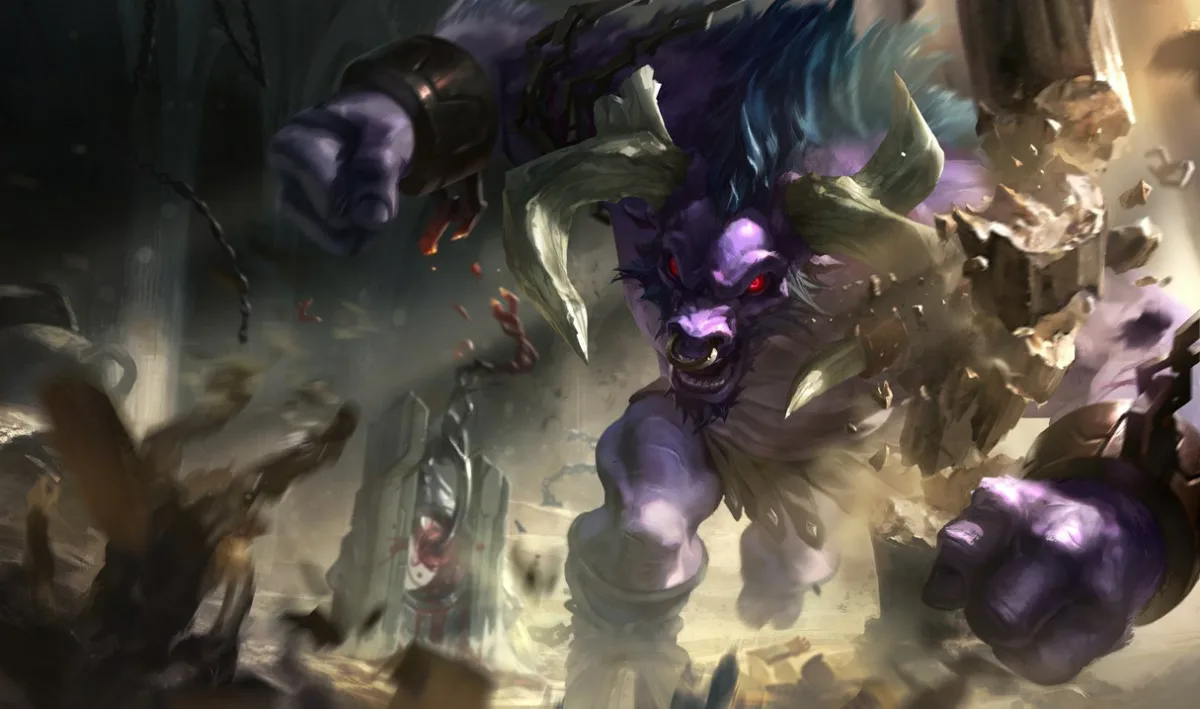
Alistar knocks the enemy ADC into the air. Your support has landed his combo, but you’re under your turret collecting a stacked wave. Reaching that target means abandoning the minions and walking past the enemy support. Landing the combo has left you with a bad choice: give up the wave or let Alistar fight alone.
The best ADCs for Alistar need a way to reach his target or a reason to keep him nearby. Kalista gives a coordinated duo another way to start or escape a fight. Samira uses the airborne opening to get involved, while Jhin can contribute a root without reaching attack range first. Miss Fortune turns a stationary target into Bullet Time damage; Xayah is the choice when Alistar needs to protect the space around his carry.
The farming ADC takes the minions while Alistar supplies support. These five recommendations compare different fight patterns, with particular attention to whether the ADC can hit the enemy after Alistar moves them. Riot's 26.18 notes.
Decide where the target should land
Alistar has two very different uses for Headbutt. W alone sends an enemy away from him. W followed by Q during the dash brings him into position to knock nearby enemies up with Pulverize instead of simply letting the target fly away.
That input is supported by Riot’s original W-Q buffering change, preserved in the patch 6.3 release notes: queue Pulverize during Headbutt and it casts on arrival. This is not a demand to press both keys at exactly the same instant. It also does not guarantee a hit through every escape, interruption or defensive ability.
Watch where your attacks will come from when he arrives. W-Q usually asks you to move toward Alistar’s destination. A defensive W asks you to use the separation he just created. When he knocks a diver away, you can keep farming or move to safety instead of chasing.
There is also the reverse play: Alistar can use Q on an enemy already near him, get to the side opposite his team, then Headbutt them back toward his allies. This requires enough room and time to get the angle. An opponent beside a wall or another enemy’s control spell can make the reposition unsafe. Ask for the direction, not an elaborate sequence that the current lane cannot support.
His next stun is not automatic
Alistar’s current abilities separate the initial knockup from the follow-up stun. Trample, his E, gains stacks from pulses that damage an enemy champion. At five stacks, his next basic attack against a champion stuns. Trampling only minions does not earn those stacks.
Kalista’s Rend slow, Jhin’s root and Miss Fortune’s Make It Rain can help Alistar stay in Trample range. If the target escapes before he earns and delivers that attack, the promised extra stun never happens. Before you cross the lane, check whether he can stay close long enough to earn that attack.
Triumphant Roar is passive sustain. Stuns, displacements and nearby enemy deaths charge it; a full charge heals Alistar and nearby allies. It can help the lane recover between trades, but your support cannot press it to rescue you whenever you lose health. Unbreakable Will, his R, cleanses Alistar and reduces the physical and magic damage he takes. It does not cleanse or protect the ADC beside him.
Which Alistar partner fits your fight?
Pick Kalista or Samira if you want to enter with him. For a player who prefers contributing from behind Alistar, start with Jhin or Miss Fortune. Against a team that wants to come to you, consider Xayah.
Kalista gives Alistar a second way in
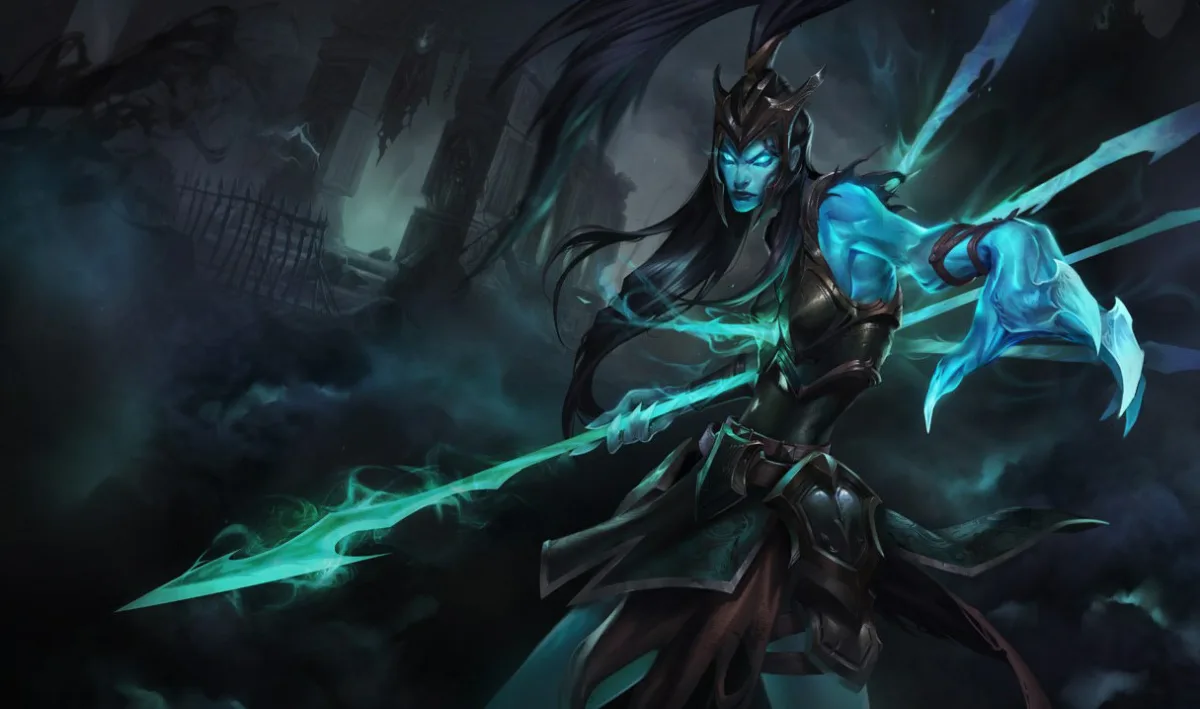
Choose Kalista when both players want to manage the same fight together. Bind Alistar as your Oathsworn. Fate’s Call draws that bonded ally into stasis beside Kalista; the ally chooses when and where to launch. On contact with the first enemy champion, the launch knocks nearby enemies back.
Decide whether Fate’s Call starts the fight or gets Alistar out of it. If his basic abilities are ready, Fate’s Call lets Alistar enter without spending W or Q. He can wait for the launch’s control to approach its end before using Q, or keep W to move a second enemy away from Kalista. If the launch has already caught the opponent, Kalista can throw spears during it. Alistar doesn’t need to press every control spell before the first spear lands.
In lane, this becomes practical when the enemy steps forward to contest a wave that Kalista can already reach. She stays close enough to throw spears after the launch, and Alistar fights on the same target. Once Sentinel has a rank, both partners attacking that target can trigger its bonus damage. Alistar’s spell damage alone does not replace his attack for that condition.
Kalista can slow with Rend after planting spears, helping Alistar stay close enough to finish Trample. Don’t spend the whole fight holding E for an imagined perfect execute if slowing now would prevent the target from escaping. Conversely, ripping a single spear out immediately gives away some of the damage an extended attack sequence could build. Decide whether the next problem is keeping the enemy close or finishing the kill.
The ultimate can also pull Alistar out after his own engage. Agree on that use before a low-health support gets returned to Kalista just as he was about to land an empowered attack. Retrieving him removes his immediate presence from the enemy, so it can end pressure as well as save him. Fate’s Call must be available and Alistar must be close enough to cast it on; it is not a map-wide recovery button.
This partnership fails if Kalista is the one being controlled. Her hops still require attack or Pierce actions, and an enemy’s point-and-click lockdown does not become harmless because she moves frequently. If Nautilus can walk toward Kalista while Alistar flies at the enemy ADC, keep the support nearby. Kalista still needs a clear route to move and attack while he is inside Fate’s Call.
Samira follows the knockup, not every dash
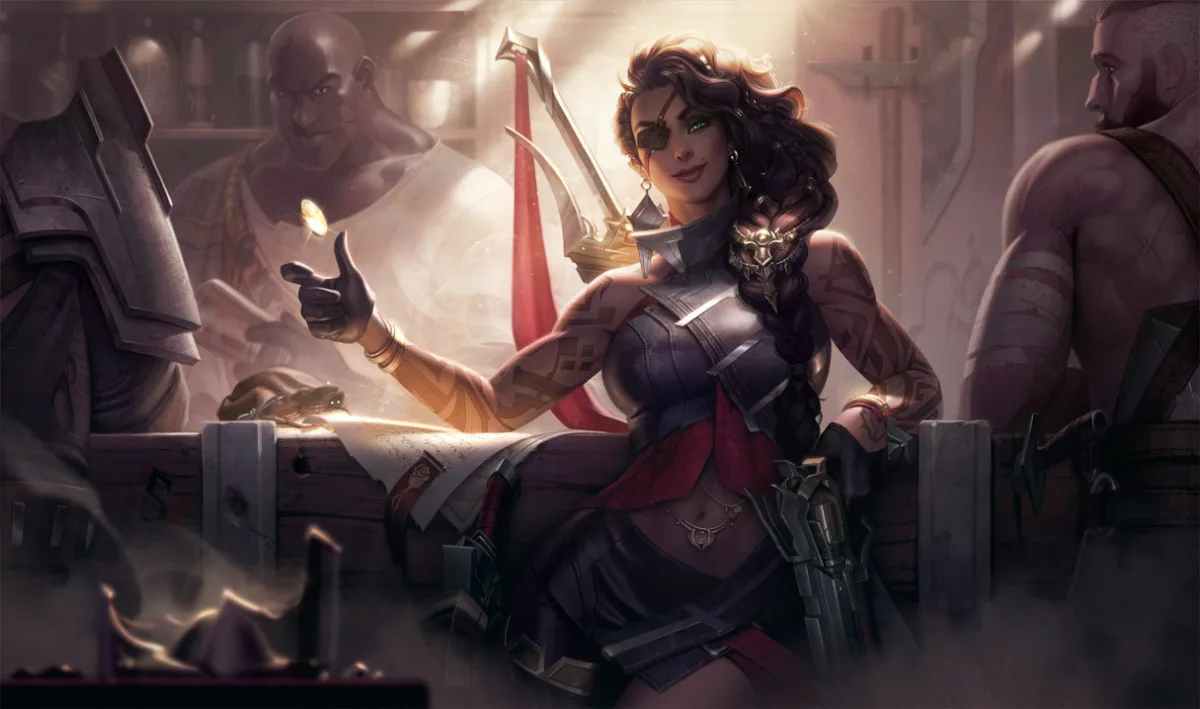
Samira makes sense when you want to fight beside Alistar after the knockup. Her current passive lets an attack against an immobilized enemy carry her toward attack range. When that enemy is already airborne, her follow-up can also keep them airborne briefly. Alistar’s Q supplies that second condition; his later Trample stun does not become a new knockup just because Samira attacks it.
That approach is separate from Wild Rush, Samira’s E. She does not have to spend E just because Alistar has begun W. Wait for the actual target and landing position, then use the passive attack where available. Keeping E lets you choose the subsequent dash after the other enemy reveals their response.
Consider an enemy Ezreal beside Janna. Alistar can initiate, but if Ezreal escapes the follow-up and Janna still has her disengage, Samira should not chase through the lane on the strength of the original ping. Hitting Janna instead may be the useful fight if both allies can damage her. If Samira pursues Ezreal while Alistar fights Janna, each enemy can deal with one isolated opponent.
Once Samira enters, she still has to build Style through her own distinct attacks and abilities. Alistar cannot hand her an instant S rating. Use his control to begin the sequence. Before Inferno Trigger, look for the enemy who can still stop Samira from channeling, even if Alistar’s target is nearly dead.
Nautilus illustrates the problem. Nautilus’s basic attack can root a target, so dashing into his reach invites control that Blade Whirl’s missile destruction does not solve. If Alistar has already used W-Q on the other champion, he may not have an immediate answer for Nautilus touching Samira. Sometimes Alistar should approach without committing both control spells, leaving Q or W for the defender.
Wild Rush targets enemies, not Alistar. Do not plan to dash back to your support after spending it forward. The current Wild Rush tooltip resets it when a champion dies within three seconds of Samira damaging them. If that death never comes, the dash can stay on cooldown while she is surrounded. This is a good duo for a player who enjoys choosing the entry; it is a poor reason to start playing Samira if every knockup feels like an order to go in.
Jhin can join with W before he can join with attacks
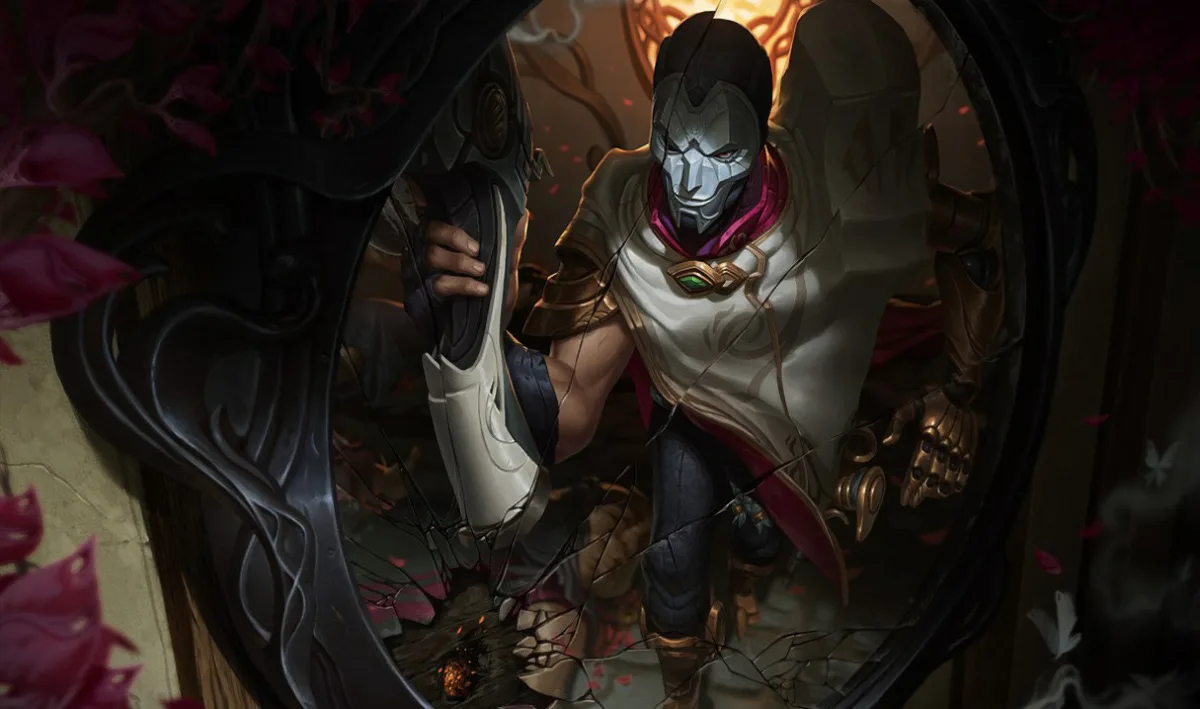
Jhin can help finish a catch while staying well behind Alistar. Deadly Flourish can root a champion recently damaged by an ally. Alistar’s damaging engage supplies that mark. Jhin can aim the shot from farther away, then decide whether walking into attack range is reasonable.
Aim at where the displacement leaves the enemy, not where they stood before W. If Alistar uses W-Q, that usually means his arrival area. If he uses W alone to send a target toward your side, wait for the new line. Jhin’s W travels through minions and monsters but stops at the first champion, so the enemy support can still block the intended follow-up.
For a short lane trade, arrive with bullets ready, add the root and use the available attacks before backing away. Jhin’s fourth shot rewards a damaged target, but it is followed by a reload. If the plan requires several more attacks after that final bullet, Alistar needs another source of damage nearby or enough protection to wait. Once Jhin is reloading, Alistar may need to cover his retreat instead of following the wounded target.
Captive Audience adds a different setup. A trap placed on the enemy’s likely retreat can slow them and later explode; W provides the root. A trap itself is not an immediate root, and placing one under a target does not guarantee its delayed explosion lands. Prefer a trap that was already covering the route over interrupting every short knockup to drop a fresh one.
Jhin’s value falls when the fight becomes two healthy frontliners trading for a long time. This pair is better at catching a target for a burst of damage than demanding continuous attacks from an empty magazine. If you mainly want a lane partner who supplies ranged pressure before an engage, the other support options for Jhin solve that problem differently.
When Jhin should let Alistar retreat
Picture Jhin under his turret with a wave to collect, facing Ezreal and Nautilus. Alistar moves up the lane and lands W-Q on Ezreal. Jhin could attempt a long-range W, but reaching basic-attack distance would mean walking past Nautilus and leaving the minions. Nautilus is still standing between Jhin and the catch.
In that position, Jhin should contribute the ranged shot only if the line is clear, then keep farming. Alistar should retreat when possible instead of interpreting the missing attacks as a request to stay longer. Burning Jhin’s Flash to repair that separation can turn a failed trade into two deaths and a lost wave.
Now reverse the assignment. Nautilus has approached Jhin, while Ezreal remains too far away for an efficient trade. Alistar can stay near Jhin and Headbutt Nautilus away when he has the angle. That creates distance; it does not cleanse a root Nautilus has already applied. Jhin gets room to finish the wave or reposition without needing to follow the tank into enemy territory. That is a successful Alistar play even though nobody chases the enemy ADC.
Miss Fortune wants Alistar to stop moving the victim

Miss Fortune is the clearest choice when you want a large damage follow-up without dashing into the middle of it. A W-Q catch can hold enemies in front of her while she opens Bullet Time from a safe angle. Once Bullet Time starts, Alistar should check the cone before moving that enemy again.
Bullet Time’s current definition specifies a physical-damage barrage in a cone. The current spell values give Pulverize a one-second knockup. Bullet Time channels for three seconds, so Q alone cannot hold someone for the full barrage. Make It Rain can add a slow, and a later Trample attack can add a stun if Alistar earns it, but the enemy may still escape or interrupt Miss Fortune. Plan the follow-up around the shots you can safely land before the enemy gets a response.
The common bad follow-up is a second displacement. Suppose Alistar starts by walking into Q range and Miss Fortune begins R. If he now Headbutts the victim sideways out of the cone, he has used his remaining control to reduce his ADC’s damage. W may be much better spent pushing the second enemy away from Miss Fortune, provided he has the position and range to do it.
Before level six, the lane still has an ordinary trade. Use Double Up on a low-health minion when an enemy is lined up behind it: killing the first target makes the bounce critically strike. Make It Rain can slow an opponent for Alistar’s approach. Those are attempts to create an opening, not permission for him to charge through a large wave. Save enough mana for the spells you expect to contribute after he goes in.
If the enemy support has an easy route to interrupt R, your casting position matters more than adding another target to the cone. Move far enough to the side that Alistar can screen the approach, but not so far that terrain separates him from you. A shorter channel from a survivable position can beat an ambitious full-length cast that ends with Miss Fortune caught.
Choose this duo for objective entrances and lane fights where you can face the same stretch of ground. It becomes awkward when the enemy attacks from both sides, or when Alistar treats every available W as something he ought to cast immediately.
Xayah is the reason to save Headbutt

Pick Xayah when the enemy has to come through your support to reach you. Against enemies who must enter her attack range to threaten her, Alistar can wait beside the ADC rather than manufacture a distant engage. Q buys time for her to attack. W can remove an enemy who reaches her. She can use that time to put feathers behind the enemy chasing her.
Her Bladecaller draws feathers back to her position and roots an enemy hit by at least three. Alistar can help keep someone on those lines, but he cannot replace the geometry. Three feathers scattered around the lane are not the same thing as three returning through the target.
An offensive W-Q opens a Double Daggers-plus-attack setup. Q leaves two feathers, and an attack empowered by Clean Cuts leaves another. Xayah still needs to be close enough to complete it before the enemy escapes. The return still has to cross the opponent. If Xayah is approaching from the side, she may need to reposition before E; if Alistar knocks the enemy out of those return paths, she can lose the chance to root them.
The defensive case is often simpler. Let a diver commit toward Xayah, knock them up while she creates feathers behind them, then choose between an E root and a Headbutt that removes the danger. Don’t delay a necessary peel just to force a prettier feather combo. Keeping Xayah alive with W is useful even if the target escapes her damage.
Featherstorm gives Xayah her own untargetability window and more feathers. It does not turn her into an invulnerable ADC or erase every effect already on her. Alistar should still be close enough to act when she comes down. Unbreakable Will lets Alistar absorb more damage himself; Xayah’s protection still depends on where he stands and which control spells he has saved.
The weak lane is one where ranged opponents keep hitting Xayah without entering her useful feather paths. Alistar’s passive healing helps over time, but repeated free hits can leave Xayah too low to join his next attempt. Use the wave to shorten the distance on a later approach; do not repeatedly pay health to chase a fight the opponents can simply walk away from.
Before the next attempt, agree on one reachable target and the ADC’s first contribution: Kalista’s launch, Samira’s airborne attack, Jhin’s W, Miss Fortune’s cone or Xayah’s feather setup. If that contribution is unavailable, wait or peel. Tell Alistar before he goes if you are reloading, clearing the wave or too far away to attack.