
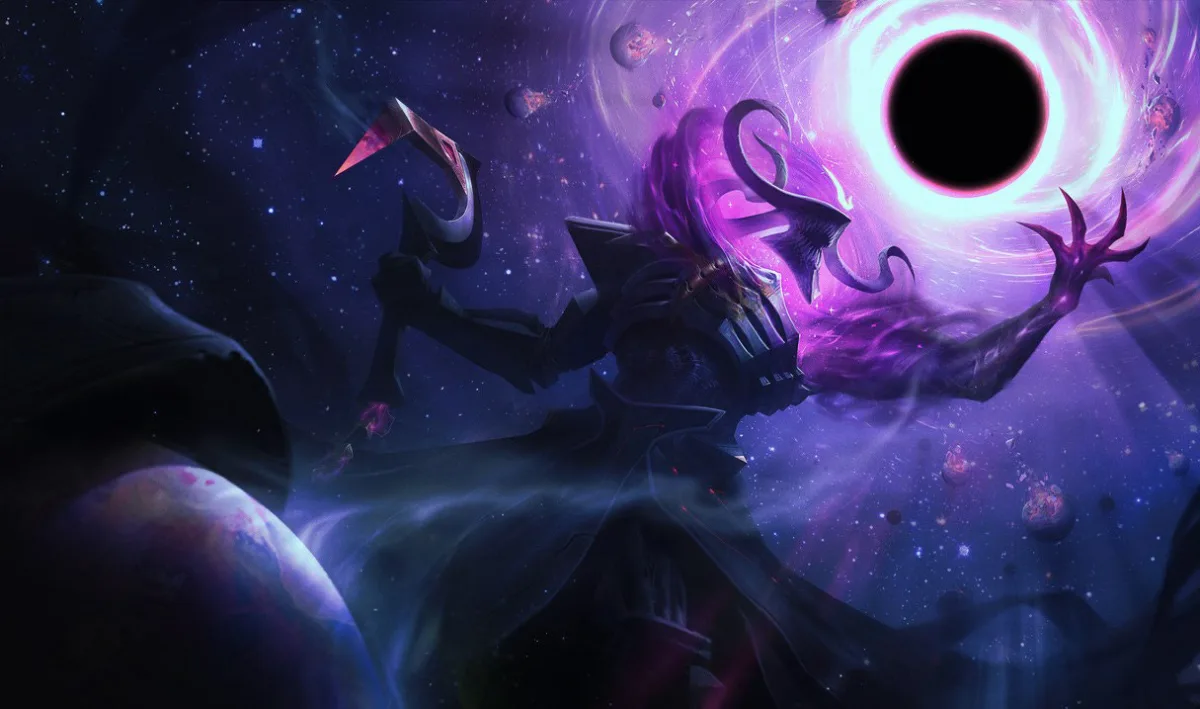
Patch 26.17 took damage away from Thresh, the support who had been gaining both wins and players. He is still the best support champion to blind when the player can use his full kit. Death Sentence creates picks, Flay can stop or start movement, and Dark Passage fixes positioning errors that another support cannot reach. The nerf makes loose lane trades worse. It does not remove those draft tools.
The best support champions change with the other nine picks. Seraphine is the better lock when your team needs ranged magic damage and a front-to-back ultimate. Braum punishes an enemy lane that has already committed to engage. Rell gives a passive composition a start button, Janna breaks up dive, Nautilus makes one target obvious, and Lulu turns one attack-based carry into the plan.
That is the board for live Patch 26.17. It is more useful than pretending the support with the highest win rate is correct in every lobby.
What Patch 26.17 changed for support
Riot reduced Thresh’s Flay active damage by 10 at every rank and lowered its AP ratio from 70 percent to 60 percent. The stated reason was his rising win rate and play rate. His hook, lantern, displacement, and ultimate were untouched, so the patch asks Thresh to win with cleaner setups instead of incidental E damage.
None of the other six supports on this board received a direct Summoner’s Rift champion change in the Patch 26.17 notes. Their movement on a stat page mostly reflects matchups, player mix, and the rest of the live meta rather than a new button or ratio.
The current data supports a broad shortlist, not one automatic lock. In LoLalytics’ Global Emerald+ Support view for Patch 16.17, Ranked Solo/Duo, retrieved August 30, 2026, Thresh and Seraphine sat in S+, while Rell and Janna sat in S. Braum showed a 53.82 percent win rate but landed in A+ under the site’s composite tier model. The snapshot covered 7,353,584 champion analyses, and the bracket’s average win rate was 51.64 percent. Riot calls the live patch 26.17; Data Dragon and third-party data URLs retain the 16.17 numbering.
Those numbers are evidence that the picks are functioning. They cannot tell you to draft Braum into a lane that never has to walk into him. They also cannot make Thresh useful when the player cannot threaten a hook without losing half a health bar.
Best support champions mapped to the draft
| Draft problem | Preferred lock | Green light | Abort condition |
|---|---|---|---|
| You must pick before seeing bot lane | Thresh | You can threaten hook, Flay, and lantern without forcing | Your execution is inconsistent or the lane needs simple ranged pressure |
| Your team lacks magic damage and a long teamfight spell | Seraphine | Allies can stand in front and extend Encore | Enemy engage can reach her before she sets the fight |
| Enemy bot lane has shown hard engage or important projectiles | Braum | Your carry can help stack Concussive Blows | Opponents can win through range and never commit |
| Your composition has damage but no initiation | Rell | Allies can enter as Crash Down or Magnet Storm lands | Enemy disengage can strand Rell after the first move |
| The enemy draft must dive one carry | Janna | The threat enters through a readable path | Enemy wins by long-range poke or split pressure instead |
| Your team needs one clear target call | Nautilus | A carry is reachable after the wave thins | The first target is a tank who wants to be engaged |
| One attack-based carry is the win condition | Lulu | That carry has room and a front line | The team still needs engage, wave control, or a second threat |
Blind Thresh only if all four spells matter
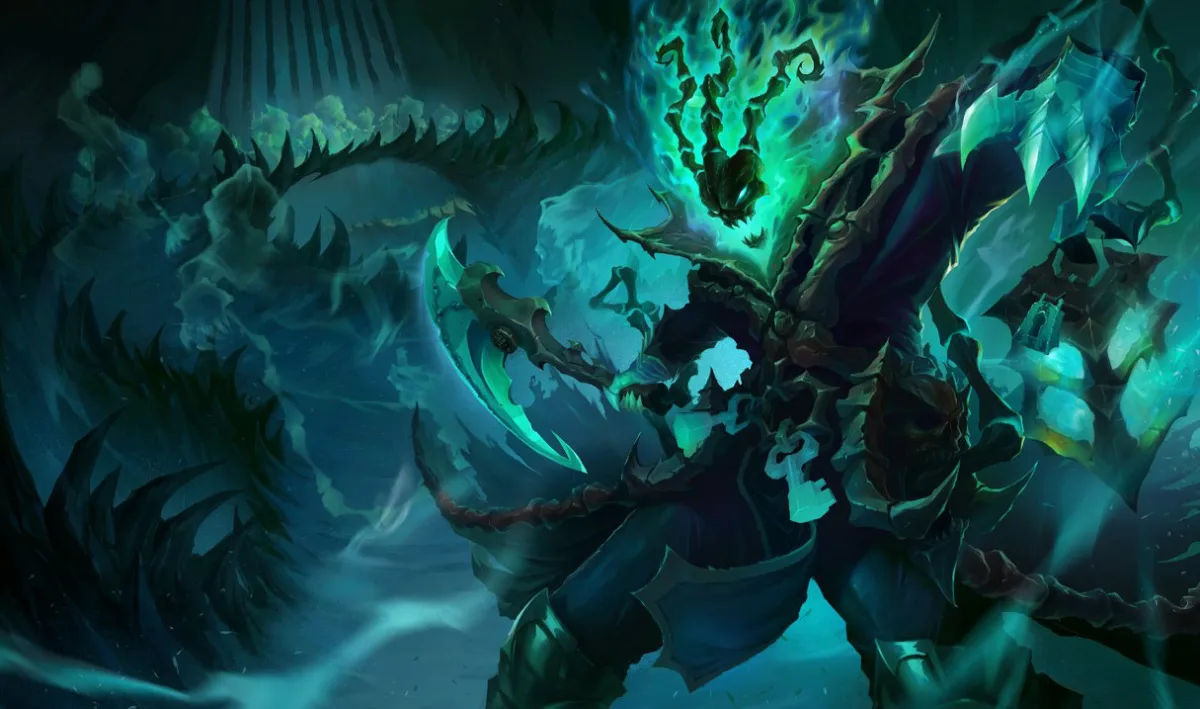
Thresh remains the most complete first pick on the board because he can change jobs after the draft develops. Into a short-range lane, he can stand beside the wave and make every last hit carry a hook risk. Against engage, Flay can interrupt a dash and The Box can close the exit. When his ADC has no escape, Dark Passage lets the jungler gank from farther away or pulls the carry out after a greedy step.
Patch 26.17 does change the lane arithmetic. An E into one basic attack no longer wins as much health by itself, and a missed hook leaves less damage behind to excuse the attempt. Thresh should look for casts that also change the wave or create a summoner-spell trade. Firing Q through three healthy minions because the opponent might misclick is not pressure. It is a window in which the other lane can walk forward.
The best early state is a wave held just outside your tower’s reach with enough friendly minions to prevent a clean enemy all-in. Thresh can then threaten the long lane behind the opponents. If the wave is stacked under their tower, his hook has fewer useful targets and his lantern cannot make an overextended ADC invisible to a flank.
There is a hard caveat. A support player who only uses Thresh as a hook champion is taking a difficult version of Nautilus. Blind him when the lantern saves, Flay direction, and threat of an uncast Q are already part of your game. Otherwise, pick the support whose job remains clear after one skill shot misses.
Take Seraphine when the fight needs shape
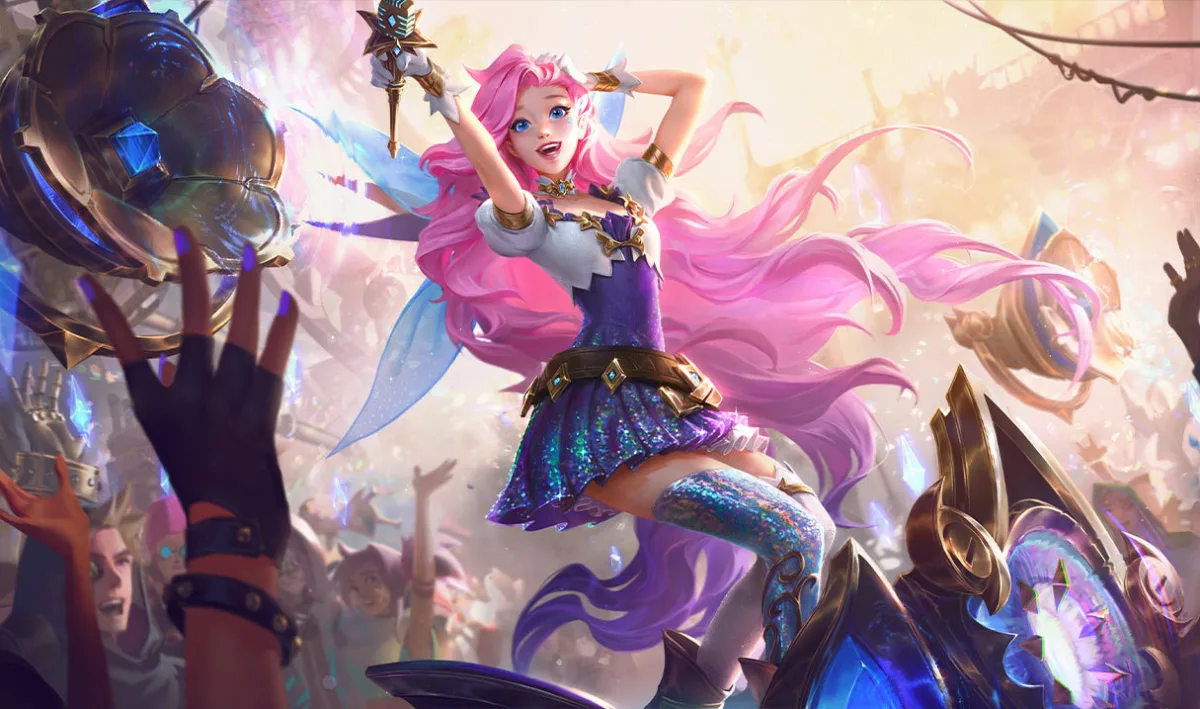
Seraphine is the ranged answer when a draft has physical damage and bodies but no spell that organizes a five-on-five. Beat Drop controls a line, Surround Sound rewards allies who stay in range, and Encore refreshes its reach through every allied or enemy champion it touches. A front liner can turn a modest cast into a back-line charm without Seraphine walking into danger.
Her lane works best when the ADC also wants to touch the wave. Use High Note or an echoed spell to contest a push and force both enemy champions to stand apart. If they line up behind the same low-health minions, Beat Drop can threaten the champions while helping the wave. If your carry is trying to freeze, stop throwing area damage through the minion line. Support Seraphine can lose the lane by solving a wave problem her partner did not have.
She is not the safe version of every mage support. A Blitzcrank hook, Nautilus ultimate, or fast jungle flank can reach her before the long fight begins. Her shield and heal have more value after allies group, while a hard-engage support brings more immediate control in the first levels. Lock Seraphine when someone else can occupy the dangerous ground.
Braum wins drafts that have to enter him
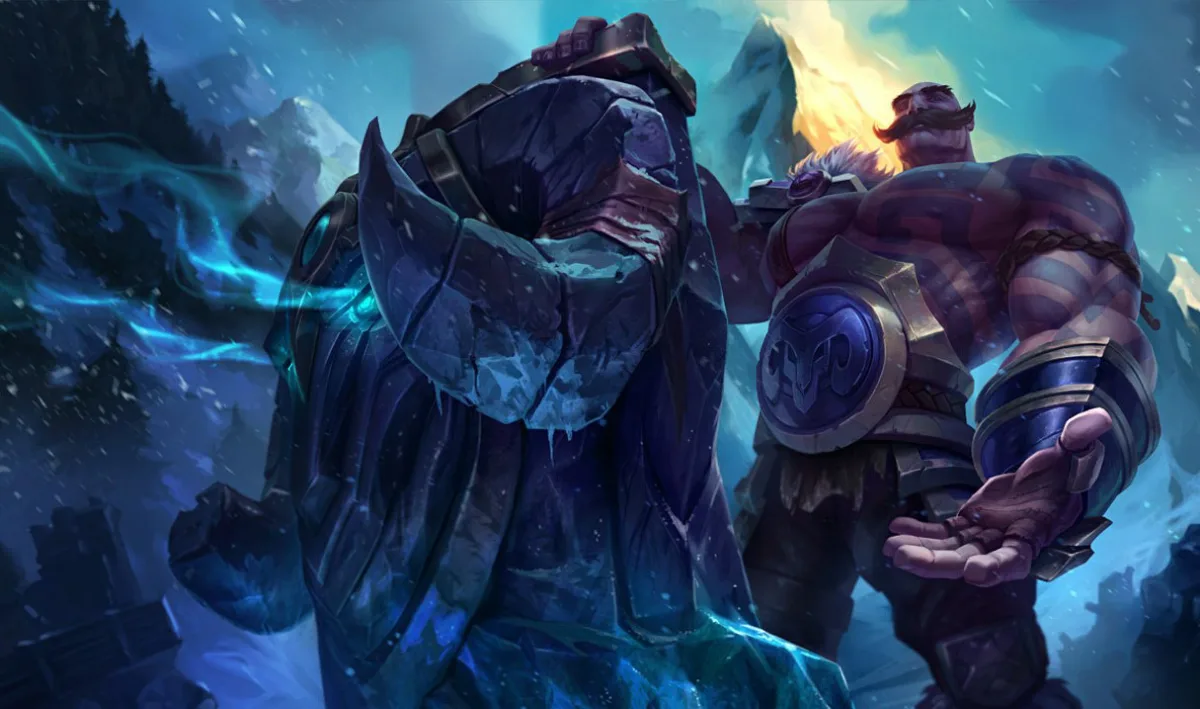
Braum becomes the best support on this list after the enemy has shown how it plans to start. Unbreakable intercepts projectiles from one direction, Stand Behind Me lets him reach an ally, and the first Concussive Blows stack allows allied basic attacks to build toward the stun. An enemy Nautilus or Leona who crosses the wave may land crowd control, then discover that the return trade lasts much longer.
That does not make Braum a universal tank. He has limited ways to begin a fight against opponents who hold their range. Into Janna, Soraka, or Seraphine, walking forward with Winter’s Bite can cost health without creating a second cast. His best lane often keeps the wave on his side, where an enemy engage has farther to retreat and his ADC has time to add passive stacks.
Watch the damage type before raising the shield. Unbreakable is excellent against an important projectile, but it does not erase damage that never travels through the wall. Turn toward the spell that can decide the fight, not the closest particle on screen.
Rell is the answer when nobody can start
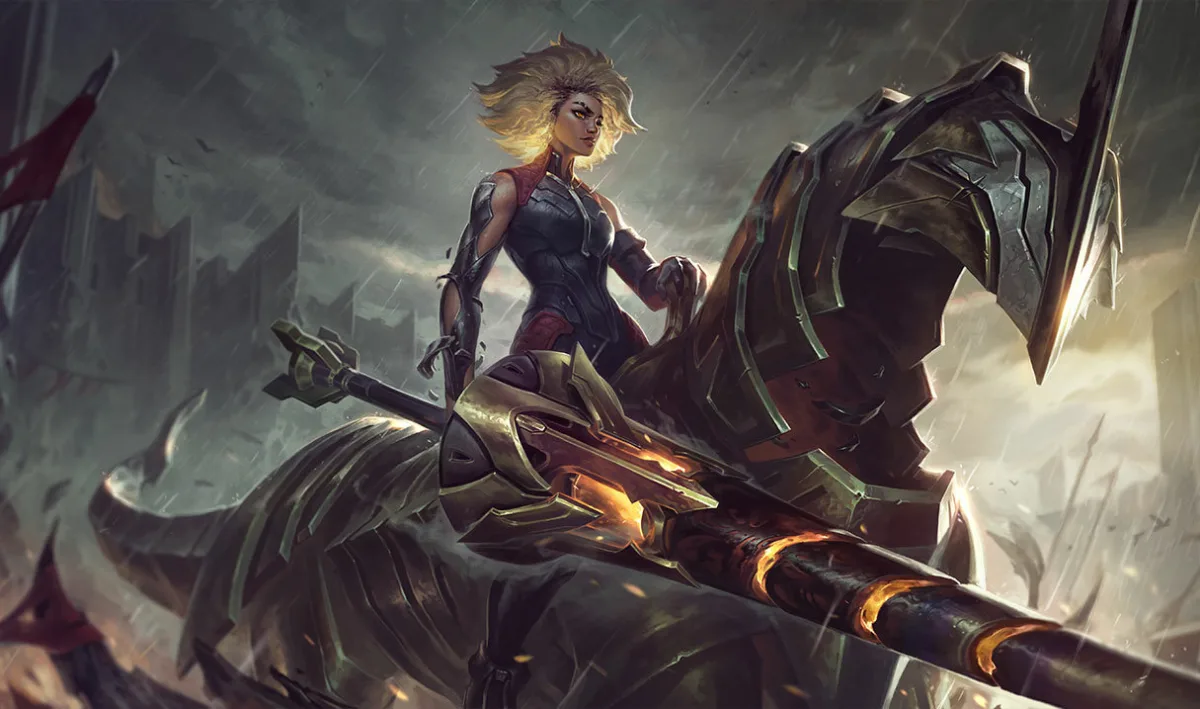
Some compositions have enough damage to win a fight and no champion willing to make it begin. Rell fixes that. Full Tilt accelerates an approach, Ferromancy: Crash Down creates the first knock-up, Shattering Strike breaks shields and stuns, and Magnet Storm keeps nearby enemies from walking out cleanly.
Her commitment is the price. Once Rell crashes into a lane, she cannot pretend the cast was poke. Check the minion wave, the enemy escape spells, and the distance to your damage before pressing W. A level-two engage into a larger enemy wave can lose even when both crowd-control spells land, because the minions are another champion for the first few seconds.
Rell improves when the team can layer area damage over her entrance. She gets worse when allies need time to arrive or the enemy has saved displacement for the landing. If Janna still has Monsoon or Thresh still has Flay, approach from fog or force that answer before spending the full engage.
Janna makes direct dive play at her speed
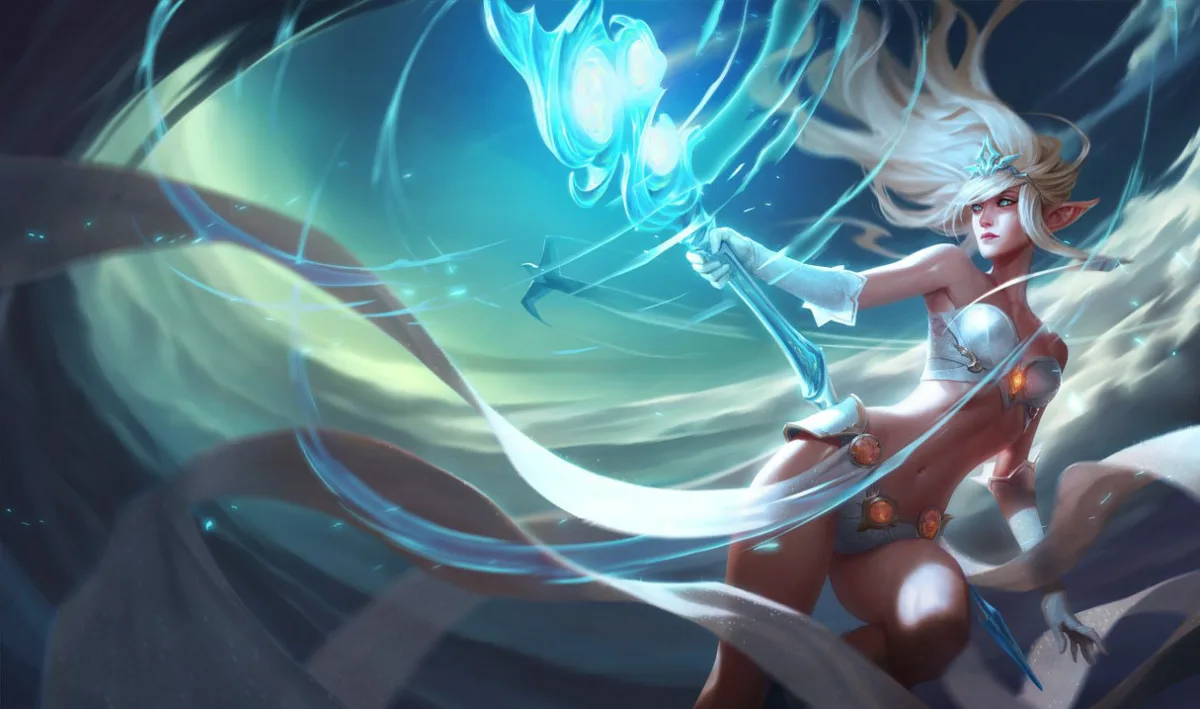
Pick Janna when the enemy win condition has to cross your carry’s space. Howling Gale can interrupt a readable dash, Zephyr slows the next step, and Monsoon throws enemies away before healing allies if Janna can keep channeling. Eye of the Storm also gives an attack-damage carry a better trade without requiring Janna to stand beside the target.
The common failure begins before the dive. A Janna who throws every tornado down the lane has no tornado when Rell, Zac, or Diana arrives. Charge Q from fog or across the path the diver must use. The spell does not need to hit the enemy carry to win the fight. It needs to break the first connection between diver and back line.
Her protection matters less when the enemy can win without entering. Long-range poke can force Monsoon as healing, then restart the siege after the channel. A split-push composition may never offer the grouped fight Janna wants. In those drafts, Seraphine’s reach or Thresh’s pick threat gives the team a way to act first.
Nautilus gives solo queue one target
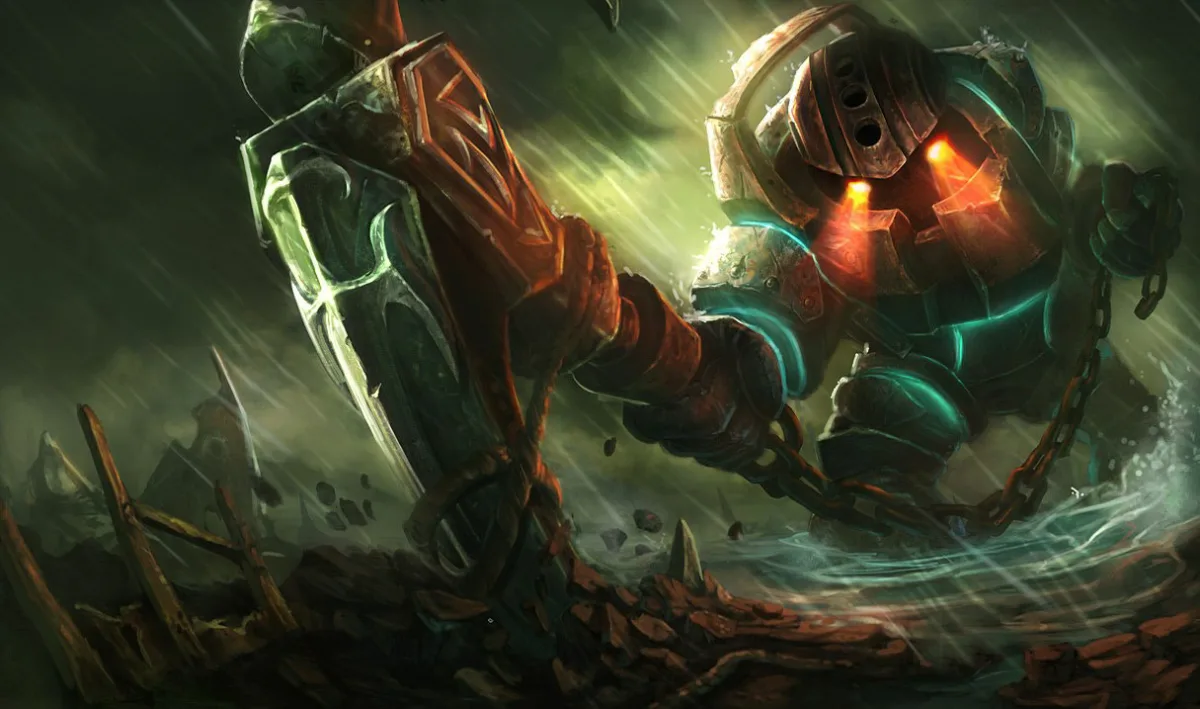
Nautilus is the practical lock when a team does not need a clever engage, only an unmistakable one. Depth Charge follows the chosen target and disrupts enemies in its path. Dredge Line pulls Nautilus and the first enemy together, while Staggering Blow roots the first target he attacks. Even teammates who missed the first second of the play can read what happens next.
The minion wave decides whether the lane has teeth. Dredge Line cannot pass through minions, so a pushed enemy wave gives the opposing carry cover. Use Relic Shield executions and your ADC’s area damage to open a brief lane, then threaten without rushing the cast. Walking forward can deny a last hit even when the hook stays in your hand.
Nautilus fails when the first reachable target is exactly who the enemy wants to send in. Ultimating a tank may deliver that tank through your team while the enemy back line remains untouched. He also has fewer ways out than Thresh after a bad hook. Choose him for clear access to an important target, not because point-and-click R makes every engage correct.
Lulu needs a carry worth spending every spell on
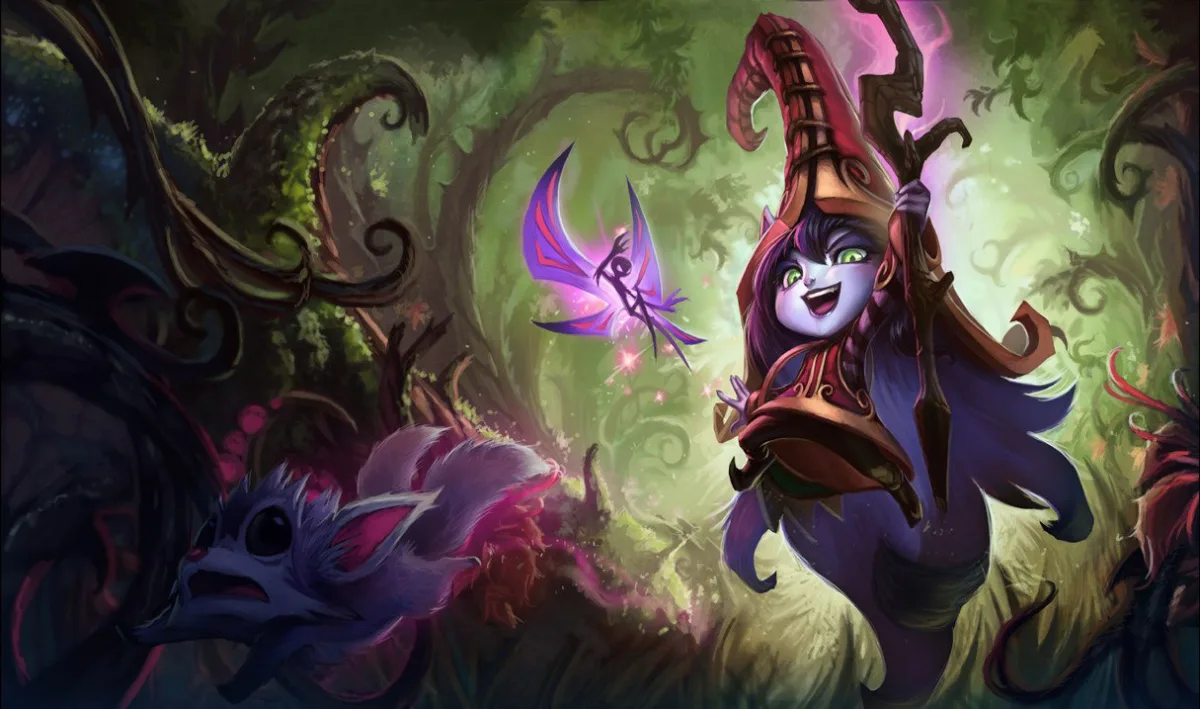
Lulu does not guarantee a safe bot lane. She multiplies one champion who can keep attacking. Help, Pix! shields that carry and adds Pix to their attacks. Ally-cast Whimsy supplies attack and movement speed. Enemy-cast Whimsy removes a diver’s attacks and spells for a short window. Wild Growth adds health, knocks up nearby enemies, and slows the space around the enlarged ally.
That split use of Whimsy is the draft test. If Kog’Maw, Jinx, Twitch, or another attack-based carry already has room, the ally buff can extend a winning damage window. If a diver can end the fight on contact, polymorph is the important half of the spell. Casting W for attack speed while the threat is still outside the fight may leave no answer when it arrives.
Lulu becomes a weak lock when the composition has no front line and no way to begin. Five champions waiting for the opponent to enter are easy to ignore around an objective. She also gives less to a lane partner whose damage comes in spaced casts rather than sustained attacks. Pick the carry first in your head, then decide whether Lulu’s whole budget makes that champion meaningfully harder to stop.
The lock-in rule
Start with the missing team job, then check the enemy’s route to your carry, then check your own execution. If the team cannot start, Rell or Nautilus moves to the front of the board. If the enemy already drafted the start, Braum or Janna gains value. If both sides have front lines and your team needs reach, Seraphine can shape the fight. Lulu belongs to a draft centered on one attack-based carry.
Thresh stays on top only when the lobby is still hidden and the player can use lantern and Flay as confidently as hook. Patch 26.17 lowered the reward for careless trading. It did not turn champion select into a one-number problem.