

You help kill the enemy mid laner, then look back at bot. Your ADC is dead, a stacked wave is disappearing into the turret, and the opposing duo is still pushing. The gank worked. The roam may still have lost your team more than it gained.
Bard is our first choice among the best roaming supports because his portals, chimes, and long-range setup give him several ways to influence the map. Pyke is the alternative for aggressive picks, while Rakan excels at joining teammates already moving toward a fight. None of them gets a free pass to abandon an unsafe bot lane.
Reviewed for modern PC Summoner’s Rift Patch 26.18 on September 10, 2026. Bard has less armor and Nautilus contributes less attack and hook damage. Their movement and control tools remain useful, but a roam still has to preserve the bot wave.
The best roaming supports at a glance
These placements favor route options, setup, and what a champion can accomplish without securing a kill. For a broader draft recommendation, see our best support champions guide.
Check the next bot wave before leaving the current one
A roam window is the time you can spend elsewhere before your absence creates a serious problem. It depends on where the minions are going, both duos’ health, and who can threaten a dive. It is not a timer that starts whenever you buy boots.
A full crash buys time; an unfinished push can trap your ADC
Helping your ADC push the entire wave into the enemy turret often creates a useful departure. The opponents have minions to collect, and your ADC may be able to recall instead of standing alone in the lane.
Check that the wave actually reaches the turret. If several enemy minions hold it just outside turret range, the opposing duo may be able to keep the wave there. Your ADC then has to approach two opponents to farm. Leaving halfway through a push can be worse than never pushing at all.
Even a completed crash has an expiration date. The enemy may clear quickly and build a returning wave. Plan to be back before that wave reaches a vulnerable ADC, not after the dive has started. A successful crash creates an opportunity to look; it does not guarantee enough time for a mid gank, a jungle excursion, and another attempt.
A wave coming toward your tower is not automatically safe
A healthy ADC collecting a modest wave near your turret is different from a low-health ADC facing two stacked waves and an engage support. The second situation is a dive invitation, especially if the enemy jungler is nearby or unaccounted for.
Ask what your ADC can actually do alone. Can they reach the minions? Can they avoid the enemy’s engage? Are their escape spell and Flash available? A champion with a dash still cannot safely use it while already locked down. Long-range farming also does not solve every dive.
If your ADC must choose between dying and losing a large wave, your absence has a cost even when they make the correct choice and back away. Do not use their low death count as proof that the roam was harmless.
A recall is a chance to check mid, not an obligation to gank
When both bot laners on your team have recalled after a clean crash, you can often leave base toward the lower side of mid and reassess there. You are checking an angle on the way back toward bot, not committing to a separate cross-map trip.
Before choosing that route, look at the returning wave and your ADC’s path. If they are about to arrive at an unsafe lane, head directly back. If the enemy mid is exposed and your mid laner has health, mana, and follow-up available, the detour has a purpose.
Ping your route and the danger at bot before you disappear. Your ADC needs time to change their positioning; a warning after the enemy has engaged is too late.
Your next level matters too
Long trips also cost your own experience and opportunities to progress the support-item quest. If you are close to level six, weigh the next wave’s experience against the play. An aimless walk can delay the ultimate that makes your next roam threatening. Bard’s chimes soften some travel costs; the other five champions here cannot collect experience simply by following the same route.
Patch 26.16 raised the support role’s off-bot minion experience and gold penalty to 33% until level five. That is an extra cost to early lane-hopping, not a 33% penalty on every reward from a roam. A short, well-timed gank can still be worthwhile; repeatedly staying away from bot needs a much stronger justification.
1. Bard can create routes other supports do not have
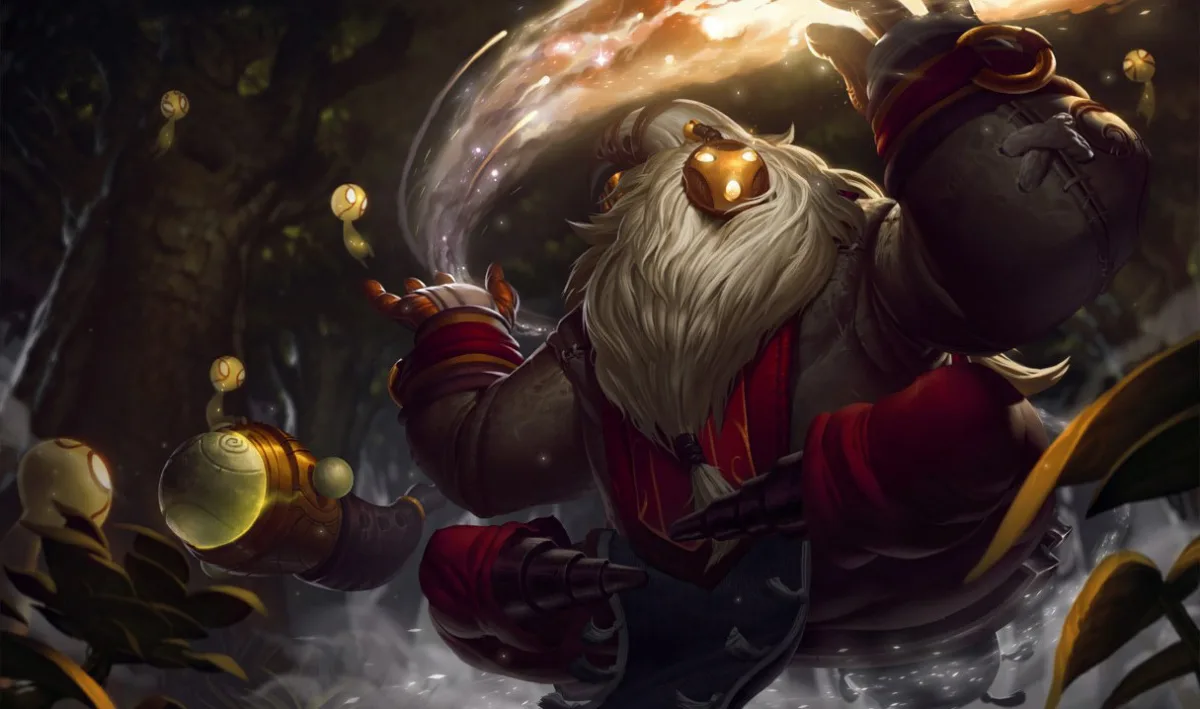
Bard earns the top spot because he can change how a play is approached. Magical Journey opens a one-way passage through terrain, letting a nearby teammate join him from an angle the enemy may not be watching. Chimes restore mana, grant experience, and provide out-of-combat movement speed, rewarding useful travel rather than only time spent in lane. Patch 26.18 lowers his starting armor from 34 to 32 and armor growth from 5 to 4.7. The routes remain useful, but a roam that requires trading health through physical damage is less forgiving.
The chimes should fit the trip you already have a reason to make. Two convenient pickups on the way to cover mid are valuable. A trail leading away from a dangerous bot wave is not a command to follow it.
Before entering a portal, inspect its exit and your escape afterward. Enemies can use Magical Journey too. Taking a teammate into an unwarded pocket of jungle does not become safe because the route is unusual.
Bard’s Q, Cosmic Binding, also makes your approach angle important. It slows the first enemy, but the stun needs the bolt to connect with another enemy or terrain behind them. Coming from the side can create that alignment; firing through open space may only slow the target. Do not promise your mid laner a stun that the geometry cannot produce.
Tempered Fate gives Bard another way to start or delay a play, but its stasis affects allies as well as enemies. Catching an opponent just before your teammate’s damage lands can save them. Use it to create a clearly timed follow-up, not simply because you arrived within casting range.
Leave Caretaker’s Shrines in accessible, protected positions when useful, then judge bot’s safety normally. A heal on the ground is not a replacement for someone stopping an engage.
2. Pyke punishes an exposed lane quickly
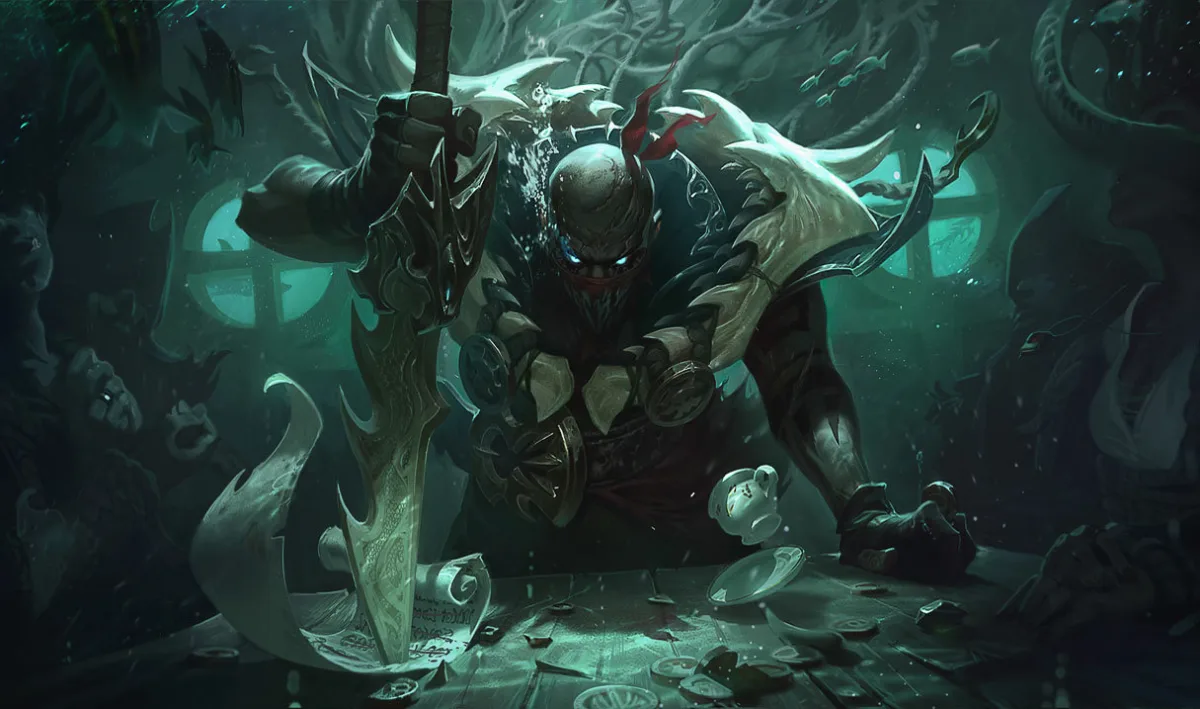
Pick Pyke when you want your roam to threaten an immediate catch. Ghostwater Dive supplies camouflage and a burst of decaying movement speed. Bone Skewer can pull an enemy out of position, and Phantom Undertow leaves a returning phantom that stuns champions along its path. Those tools suit a mid laner who can follow up immediately.
Look for a route that puts you beside the enemy’s minion wave rather than behind it. The charged harpoon hits the first enemy in its path, so a minion can spoil a seemingly easy gank. If you already have a good approach, getting closer before throwing it can leave the opponent less room to react.
Your E is the dangerous decision. Dashing through a target can set up the returning stun, but it also puts Pyke farther from safety. If the enemy jungler could be waiting nearby, holding E to escape may be worth more than forcing a difficult stun.
Camouflage is not permission to walk next to opponents unseen. Pyke can be detected at close range, and a prepared enemy can turn on him before his team arrives. His passive can recover some recent champion damage after he gets out of enemy vision; it does not make him a tank while he is being focused.
After a successful catch, help finish the push if your mid laner needs to recall, then reassess bot. Chasing another low-health target while your ADC loses access to the wave is still an overstay, even if Death From Below makes the next kill look tempting.
3. Rakan wants an ally on both sides of the engage
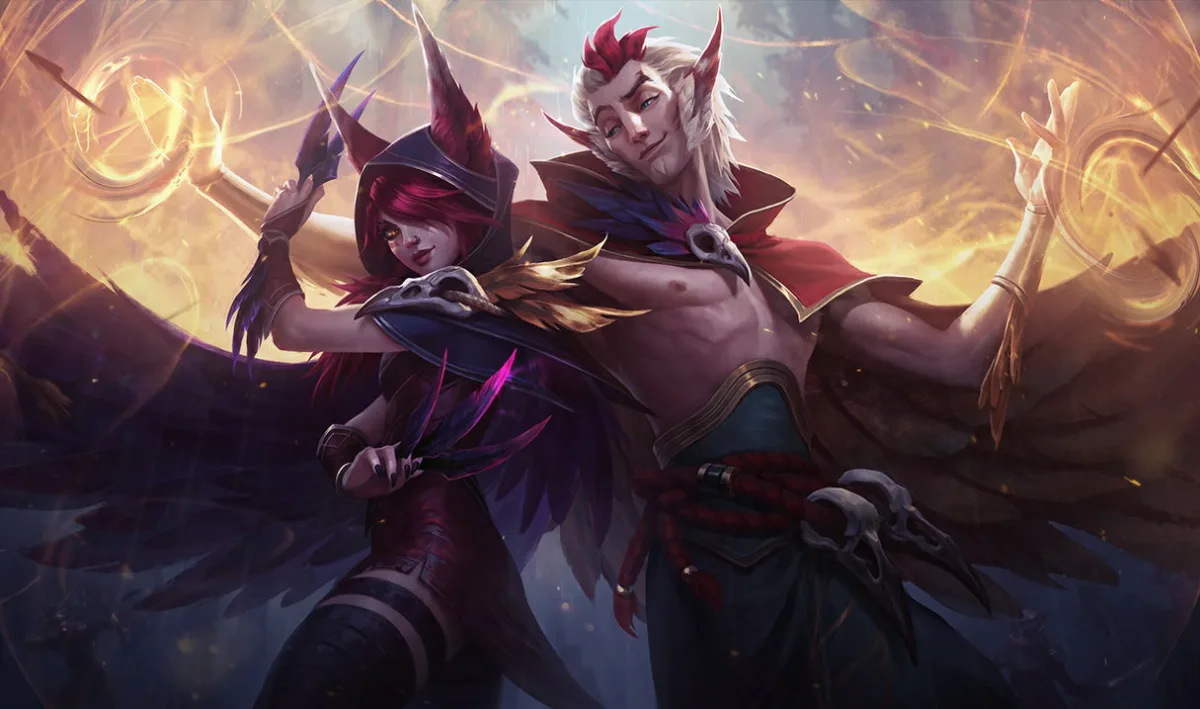
Rakan is especially useful when your jungler is already approaching mid or contesting nearby space. Grand Entrance gives him a dash into a knockup, while Battle Dance lets him dash to an allied champion and shield them. The Quickness adds movement speed and contact-based charm for a wider engage once his ultimate is available.
Before going in, identify your exit teammate. Battle Dance needs an allied champion in range; it is not a free dash to any point behind you. If your jungler turns away to clear a camp while you continue forward, the escape you planned may disappear.
That makes a short, coordinated river move more attractive than a long solo hunt. You can join an ally, disrupt the enemy, and return toward your team. Even without a kill, shielding a teammate out of a bad skirmish can be a useful reason to leave a safe bot lane briefly.
Avoid launching Grand Entrance from the edge of vision at an opponent with room to dodge while your mid laner is still collecting a large wave. Arriving first is not the same as having follow-up. Rakan’s mobility is most useful when it connects teammates who are ready to act, not when it leaves him alone beyond them.
4. Alistar makes positioning the difficult part

Alistar offers a clear job when you arrive: get close enough to disrupt the target while your teammate deals damage. Headbutt knocks an enemy away, Pulverize knocks nearby enemies up, and Trample can prepare an additional attack-based stun if he stays in contact long enough.
The direction of Headbutt matters. A flank can let you knock an opponent toward your teammate. An impatient cast from the wrong side can push the same opponent toward safety. If you are walking into melee range naturally, you do not have to spend every crowd-control spell at once. Give your ally time to use the first opening before extending it.
Riot increased Alistar’s base movement speed from 330 to 335 in patch 26.15, specifically discussing how the loss of older roaming boots had constrained him. That helps his travel, but does not remove his need to approach without being poked down. Riot’s patch 26.15 notes
Choose him when you want reliable close-range disruption and your team can supply the damage. Be more cautious if the mid-lane target can keep retreating while hitting you. Walking through repeated spells to attempt a low-probability engage leaves you too unhealthy to protect bot afterward.
Unbreakable Will makes later commitments more forgiving through crowd-control removal and damage reduction. Do not apply that expectation to an early roam before you have the ultimate, and do not confuse damage reduction with invulnerability under a turret.
5. Thresh can bring help or bring someone home
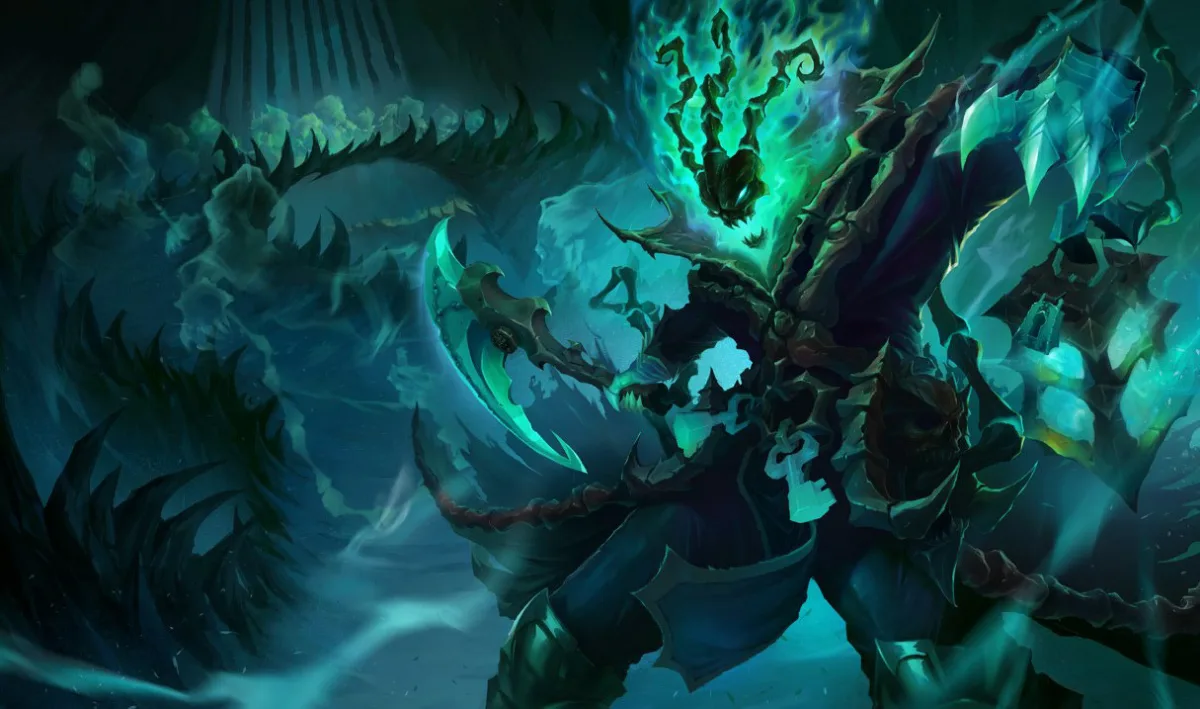
Thresh is the flexible choice for a player who wants more than an engage button. Death Sentence catches the first unit it hits, Flay displaces enemies in the swing’s direction, and Dark Passage lets an ally click a lantern to dash to Thresh. The lantern can bring a prepared jungler into a play or help an endangered teammate escape.
Plan where your teammate will stand before throwing the lantern. A clever route accomplishes nothing if the ally cannot reach or click it. On a rescue, stand somewhere worth escaping to; dragging a teammate into another enemy is not a rescue.
For a gank, find a clear hook line. If you arrive close enough to Flay safely, its displacement and slow can make the follow-up hook easier. That is an opportunity to recognize, not an instruction to walk through damage until you reach Flay range.
Landing Q also does not oblige you to take its second cast. Sometimes the hook has already stopped the target long enough for your ally to act. Flying in can turn a safe catch into a bad trade, particularly when the opposing jungler is missing.
Patch 26.17 reduced Flay’s active damage, not the displacement that gives this approach its value. Treat Thresh as setup and protection rather than assuming an older damage estimate will finish the target. Riot’s patch 26.17 notes
6. Nautilus rewards short trips with obvious targets

Nautilus is the most straightforward option here once he is close enough. His passive attack roots a target, Dredge Line can connect him to an enemy, and Depth Charge gives him targeted knockup setup after level six. His crowd control gives a nearby teammate time to contribute even if Nautilus himself has little damage.
An exposed mid laner with your jungler already nearby is a good reason to look. Walking up the river hoping someone will eventually step out is not. Nautilus has fewer options than Bard or Pyke to salvage a wasted trip and return quickly.
You also do not need to begin every encounter with a maximum-range hook. If you can safely reach an enemy with an attack, the root can set up the next spell. Otherwise, look for a clean Q path instead of throwing through the wave. After level six, targeted R can start a sequence that would be harder to begin with Q alone; enemy defensive tools can still interfere.
Dredge Line can pull Nautilus toward terrain for movement, but it is not a portal through the wall. Spending it to travel also means checking whether it will be ready when the fight starts.
Pick Nautilus to learn short roams with a specific target. Decide who you intend to catch before leaving lane.
Route through information, not through hope
Start with the safer side of the map. After recalling, an approach through your own lower jungle often lets you inspect mid without immediately entering enemy-controlled river. A more aggressive route needs information: visible opponents, allied vision, or teammates close enough to help.
Use Oracle Lens as you approach the area where being spotted would ruin the play, rather than wasting its active during an empty walk from base. A revealed ward is also evidence that your surprise may be gone. If the enemy mid backs away immediately, do not spend the rest of your roam window waiting beside their turret.
Clearing vision has a cost too. Do not finish hitting a ward while enemy champions collapse. Deep wards are useful when your team can enter that area safely; a support walking alone into a missing jungler is not doing good vision work simply because they brought a Control Ward.
A short trip can still achieve something without a takedown: helping mid finish a dangerous push and recall, covering your jungler’s retreat, or placing vision that protects the next bot-side play. Name that purpose before extending the trip. "Maybe something happens" is not enough when your ADC needs you back.
Keep checking bot while moving. If the enemy support disappears, ping it, but do not automatically follow through fog. Their roam may expose their ADC to a play you can make at home, or they may be waiting to catch you on the expected route.
Buy current boots, not an old roaming build
Mobility Boots and Symbiotic Soles are not current Summoner’s Rift purchases. Riot removed Mobility Boots in patch 14.10 and removed Symbiotic Soles in patch 26.1, when its functionality moved into the mid-lane role quest. A support does not get that mid-lane reward by following an outdated build. Patch 14.10, patch 26.1
Boots of Swiftness currently offer movement speed and slow resistance. Ionian Boots of Lucidity offer ability haste and summoner spell haste alongside movement speed. Defensive boots may be the more useful purchase when surviving the approach is your actual problem. These are different tradeoffs, not a mandatory roaming build for all six champions.
Three calls to make in your next game
Leave briefly: You and your ADC have completed a crash and recalled. The enemy mid is extended, your jungler is approaching from your side, and bot’s returning wave is not yet a dive threat. Route toward mid, check that those conditions still hold, and keep the return to bot in the plan.
Stay and stabilize: Your ADC is low, their Flash is down, and the enemy is stacking minions toward your turret. Help them survive or leave safely. If the dive cannot be defended, backing away together is better than donating two kills. Do not turn an already difficult lane into an unavoidable death while chasing an uncertain gank.
Abort the attempt: The enemy mid retreats as you approach, your jungler changes direction, and the bot wave starts building against your ADC. Return. You do not owe the trip a kill just because you have already walked halfway there.