

A team can be short on magic damage and still have plenty of burst: damage packed into a short combo. Another spell rotation will hurt, but it may not finish the front liner who survives everyone’s opening attacks. Top can supply the longer fight that draft needs. In another lobby, the missing piece is a way to get damage onto several enemies before they scatter.
Gwen, Mordekaiser, Kennen and Gragas are our best AP top laners for four different draft problems. Gwen supplies sustained side-lane damage, Mordekaiser can remove a reachable opponent from the group, Kennen threatens several enemies together, and Gragas combines AP burst with displacement. Choose between those jobs before treating an AP purchase as the answer.
The shortlist covers farming top with an AP build. Gwen, Mordekaiser, Kennen and Gragas are editorial recommendations based on their lane tools and teamfight jobs. We are not ranking them by win rate or trying to include every champion with an AP ratio.
Reviewed for modern PC Summoner’s Rift Patch 26.18 on September 10, 2026. The four AP-top kits retain their lane and fight jobs. The recommendation remains a choice between sustained damage, isolation, area engage and disruption.
The damage your team needs to deliver
| Pick | What the AP choice adds | What you still need |
|---|---|---|
| Gwen | Repeated magic damage and central-Q true damage in extended fights | A way to keep an enemy close or let her pressure a side lane |
| Mordekaiser | Sustained magic damage and a one-opponent Death Realm | A target he can reach and a team that can function while he is away |
| Kennen | Ranged lane pressure into area magic damage and stuns | An approach that puts enemies inside the storm |
| Gragas | Magic burst, short-trade tools and directional displacement | Enough damage after the combo, and a clear choice between AP and durability |
AP means ability power, a scaling stat. It is not a damage type. A spell can scale with AP and still deal physical damage, and an AP champion’s ordinary attack does not automatically become magic damage. The important question is which parts of the kit will hit the enemy you need to kill.
Gwen makes the distinction especially useful. Her passive adds maximum-health magic damage to attacks. Her Q’s center converts only part of the snip damage to true damage; that does not turn all of her attacks, needles or passive procs into true damage. Mordekaiser also adds magic damage to attacks instead of deleting their physical component. Kennen and Gragas rely on magic-damage spells while still using physical attacks between casts.
The tank label needs the same care. Malphite’s current kit has magic-damage Q, E and R, but physical damage on Thunderclap’s empowered attacks. Thunderclap even has AP scaling in the normal Riot client record, mirrored by CommunityDragon, without changing that physical damage type. Choosing tank Malphite for armor and initiation is a different commitment from buying AP to threaten a carry. Neither his magic-damage spells nor an AP item guarantees the sustained damage your draft may be missing.
Gwen wants the defender to stay and fight
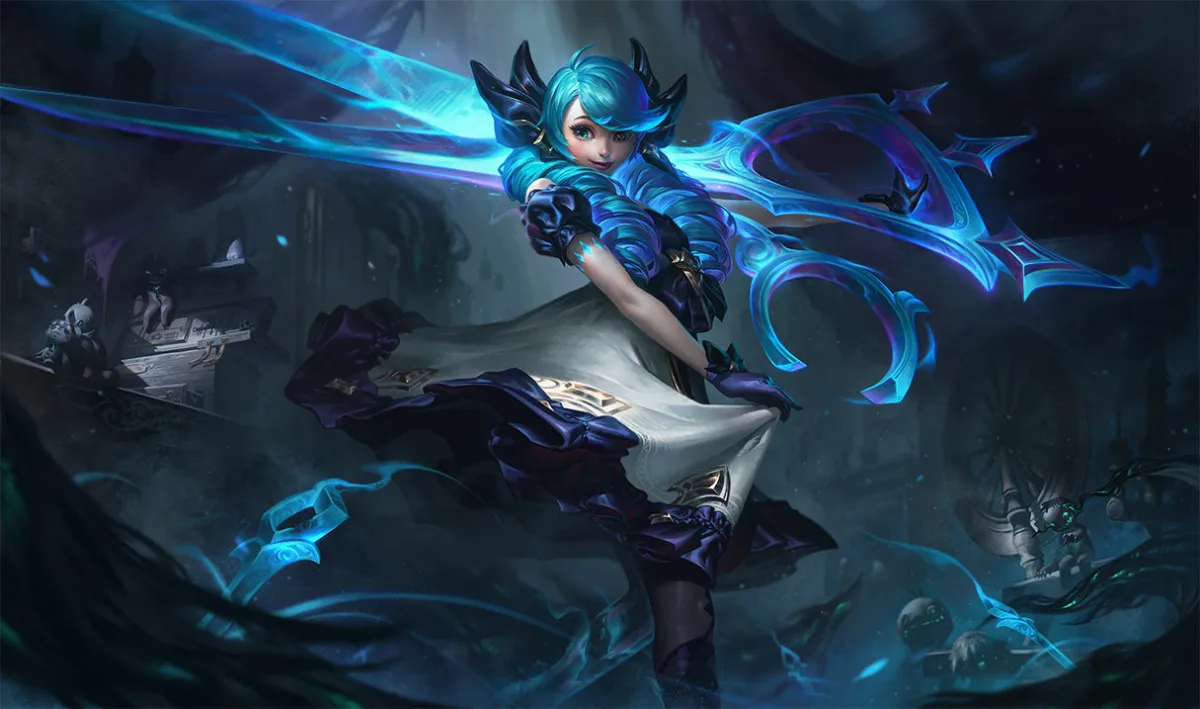
Gwen is our first choice when the team needs sustained damage against a durable opponent. A Thousand Cuts adds maximum-health magic damage to her attacks and heals her for part of that effect’s damage to champions. Skip ‘n Slash gives her a dash and empowered attacks. She has a reason to keep fighting after Q, rather than landing the snips and waiting for another cooldown. Those are the tools in her current Riot kit.
Snip Snip! is worth preparing rather than simply casting on cooldown. Attacks generate up to four stacks, each supplying another snip when Q is cast. Build those stacks while farming, then watch where the opponent must stand for a last hit. A full stack count is useful only if the snips connect. Spending them into empty ground while the opponent backs away loses the threatening trade you had built.
The center matters as much as the stack count. The normal Q values, matched to the current English ability text, specify a 50% conversion of the central snip damage to true damage, with A Thousand Cuts applied separately. An armor-investing Malphite cannot use that armor to reduce either portion. Gwen can punish the defensive choice, but she still has to deal with his spells and land the center of Q.
Hallowed Mist makes Gwen untargetable to enemies outside it, except towers, for up to four seconds. It also grants armor and magic resistance. The distinction is where the enemy stands: a melee opponent already inside can target her. Gwen can reposition the mist once, including its automatic movement when she first tries to leave. Near its edge, she can fight one opponent while keeping help arriving at range outside the zone.
The side wave can be the reason to pick her
An armor-heavy defender sent to hold Gwen has to respect damage that armor cannot reduce. She can prepare Q on the wave and threaten a longer exchange when that defender contests it. Staying there is useful while her team can use the attention she draws. If an objective fight is about to begin and her teammates need her damage, do not start a chase down the side lane simply because the defender finally looks killable. Missing enemies also limit how far she can safely follow.
Needlework gives her ranged magic damage and slows to help keep a target involved. It can be cast three times; later casts throw more needles. She still lacks a hard stun or pull to force someone to remain beside her. When opponents repeatedly retreat and your team has no opening tool, Gwen may spend too much of the fight chasing to solve the magic-damage problem.
An E toward the opponent also changes the retreat. Its first empowered attack refunds part of the cooldown, but Gwen has to land that attack. If the enemy backs beyond her reach, she has spent the dash without earning that refund. When the wave is already past the middle of the lane, check the enemy jungler’s position before taking that risk for a snip.
Mordekaiser: who takes your place outside the ult?
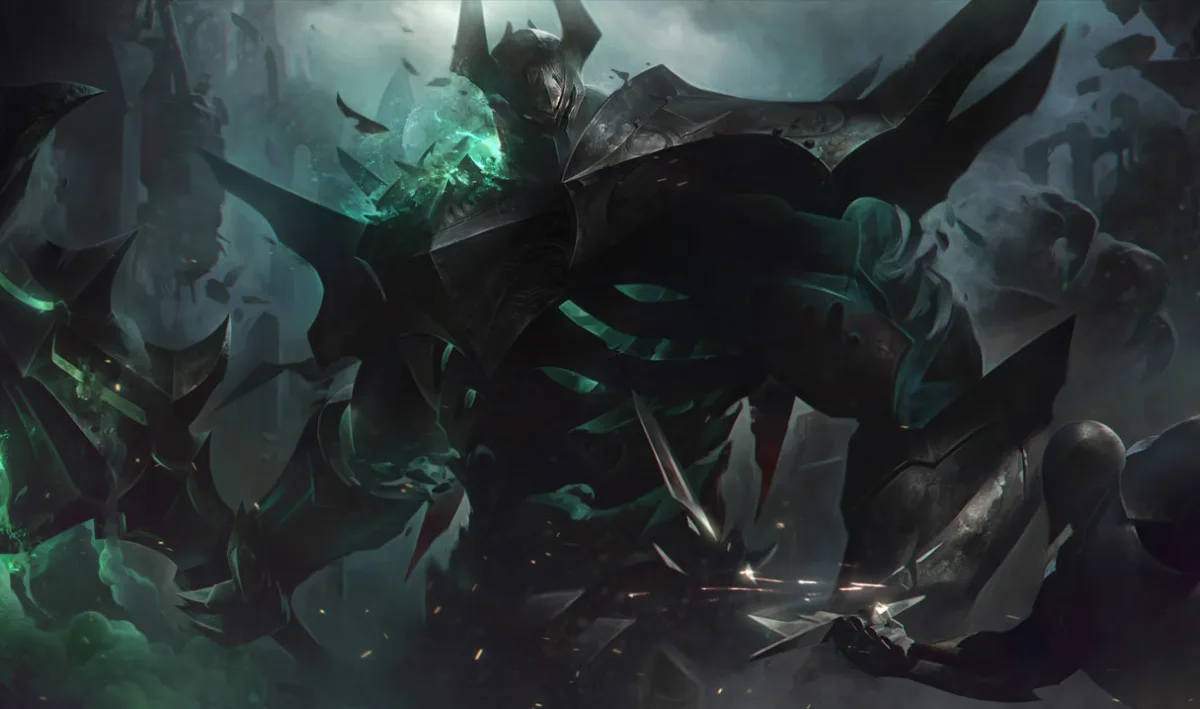
Mordekaiser can pull an enemy close, hit Q and attack to activate Darkness Rise. From there, the aura supplies continuing magic damage while he keeps the opponent nearby. The passive requires three qualifying attacks or basic-ability hits against champions or jungle monsters; farming minions does not prepare it. Those target conditions come from his normal passive binding. If the opponent avoids one part of the opening and retreats, Mordekaiser still has work to do before the aura starts.
In lane, compare two positions for the same opponent: among several minions, or off to the side trying to hit you. Obliterate deals increased damage when it hits only one enemy, so the second position can be more valuable even if the opponent’s health has not changed. You can still use Q to collect minions from an awkward position. You just should not count a champion-plus-wave hit as isolated damage.
Death’s Grasp pulls enemies toward him and grants passive magic penetration. It helps get the fight started, but it is not a dash. If the pull misses while the wave is far from your tower, advancing to recover the trade can expose a champion with limited escape tools. His lack of mana does not remove that positional cost.
Realm of Death lasts up to seven seconds in the current normal R values. The target comes with him, but so do its useful combat tools. Vayne’s Tumble and Condemn illustrate the problem: she can reposition and knock an opponent back. Isolation does not mean Mordekaiser gets uninterrupted attacks. Consider whether he can keep hitting the target, not merely whether the ultimate is in range.
Look back at your carry before choosing the R target. If a diver is already attacking them, removing that diver may be worth more than chasing a different enemy. Taking a tank who was doing little can instead leave your carry facing the same threat, now without Mordekaiser nearby to help. A shield gives him staying power; the decision to leave the fight still needs someone outside to cover what he was doing.
Indestructible is for damage that is arriving, not just a second health bar to cash out immediately. It turns stored damage into a shield; recasting converts the remaining shield into a smaller heal. If the next enemy attack is still coming, keeping the shield can preserve more protection. If the exchange has ended, converting what remains may help you stay for the wave. This shield-versus-heal choice makes him durable under the right conditions without turning every AP build into a tank build.
Kennen brings his damage to a group

Choose Kennen when you want the top-lane AP contribution to arrive across several opponents in a grouped fight. Slicing Maelstrom repeatedly deals nearby magic damage and supplies marks toward his passive stun. It also grants temporary armor and magic resistance. Hitting several enemies once and then being forced away loses the later hits and their growing damage. Keep an exit in mind, but choose an entry that lets the storm last near its targets.
The lane begins differently. Kennen has 550 base attack range in Riot’s champion data. His ordinary attacks let him contest some melee last hits before he spends energy. Every fifth attack carries Electrical Surge’s bonus magic damage and mark; its active can then hit marked enemies nearby. The current full W tooltip also lets the active hit enemies inside Slicing Maelstrom, so an existing mark is not its only route during R.
Q stops at the first enemy, which makes the minion wave part of the trade. A prepared empowered attack may reach a champion when a direct shuriken line would hit a minion instead. Count the mark you can apply, then decide whether you can safely get the others. The passive stun needs three stacks; having one mark is not the same as having the opponent controlled.
Ranged does not mean safely distant from every top laner. Renekton can earn his second E dash by hitting an enemy with the first, including a minion. Your wave can give him a route toward you. If Kennen has already used Lightning Rush to pass through the minions for wave damage, the same movement tool is not ready to answer that approach.
Check energy before trying to finish a mark sequence. Lightning Rush restores energy when it damages an enemy, and the passive restores energy when its stun triggers. If you spend energy expecting both refunds and miss the contact, you may be short for the spell that would finish the trade. That is a reason to stop after the missed hit rather than keep moving toward the opponent.
Later, judge the approach from the enemy support’s view. A Kennen running straight at the group gives them an obvious spell to save their response for. Janna’s Monsoon knocks nearby enemies back, which can separate him from the targets he wanted his storm to hit. It is easier to enter while another ally is already demanding attention. A safe side angle can also help, provided reaching it does not strand Kennen behind the enemy alone.
For a long side-lane duel against a durable defender, Gwen is the more direct choice. Kennen can collect the side wave, but choosing him for his storm means getting him back to the group. Look ahead while the wave is still traveling. If he waits for it at the far end of the map as both teams gather for an objective, his eventual arrival may miss the clustered targets he was picked to punish.
Gragas lets the build change the assignment
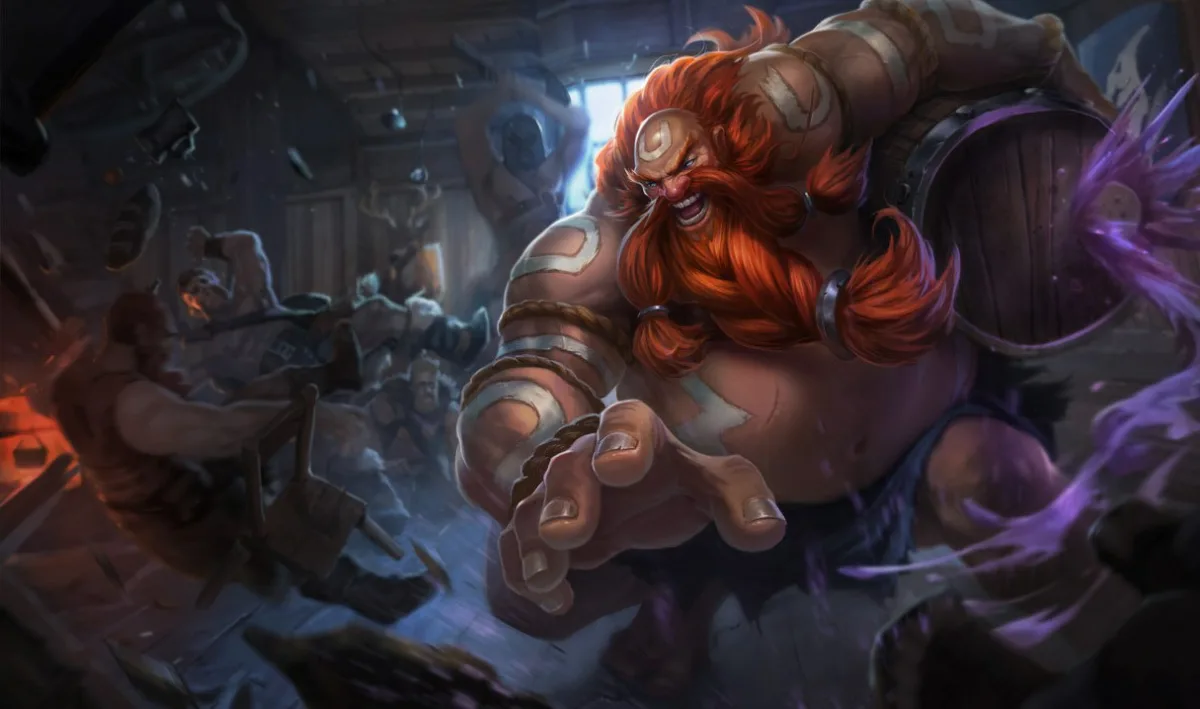
Gragas belongs here as an AP spell-damage choice with useful control, not because every Gragas build should maximize AP. Barrel Roll, Body Slam and Explosive Cask deal magic damage. Drunken Rage adds magic damage to the next attack while supplying temporary damage reduction. AP also improves that reduction, so damage and defense are not wholly separate. The protection still has a duration: prepare W for the return hit rather than assuming the AP you bought makes Gragas permanently harder to kill.
His lane can be played around a brief contact rather than a long chase. Place Q where the opponent wants to collect a minion. The barrel reaches full strength after two seconds but does not automatically explode until four, according to the normal Q timing values. You can detonate earlier if the opponent is about to leave the area. Prepare W before entering, check the line for Body Slam, and leave after the useful part of the trade instead of following while the opponent’s sustained damage takes over.
Body Slam collides with the first enemy. A minion between Gragas and the champion can end the charge before the intended contact, although the nearby area can still catch a champion. The normal E tooltip ties the cooldown refund to colliding with an enemy. Hitting a minion and missing everything therefore leave different cooldowns. Either can leave Gragas short of the champion he wanted, so check the result before walking farther forward.
Happy Hour provides healing on ability use with its own cooldown. A spell cast is not always another heal, and Gragas still spends mana. If the wave is coming toward him, one Q used for an otherwise inaccessible minion can be worth more than several barrels trying to force an opponent out. Saving E and enough mana to use it leaves a better answer to a gank than relying on the passive to heal through the approach.
Explosive Cask asks where the target should land. A barrel placed behind the enemy can send them toward your team; a barrel between that enemy and your carry can create separation. Throwing it into a target allies have already surrounded may scatter a kill that was about to happen. Its current tooltip describes displacement away from the impact zone, not a generic pull toward Gragas.
Buy for the next fight, not the lobby label
Zhonya’s Hourglass is a useful example: it buys AP, armor and a stasis active, but no magic resistance. That is a specific defensive choice, not an all-purpose tank purchase. Current item data also separates Rabadon’s Deathcap’s AP investment from Riftmaker’s AP, health, haste and combat-ramping effect. Decide which protection or damage pattern you need before treating those items as interchangeable ways to raise AP.
If you are Gragas and the next fight requires you to absorb the first response, buying mostly burst damage can leave you unable to survive for another cast. If your team is depending on your magic damage instead, buying only defenses changes what they can expect from the combo. Check which job you are filling before spending the recall gold.
Suppose your team already has enough damage to kill a carry, but nobody can safely cross the enemy front line. More AP on the next recall may make the same unreachable combo larger. Ask who will start that contact and where you can stand to follow it. If nobody has an answer, play around the side wave or a target walking into you until an opening exists. In champion select, the same problem can justify a tank instead of another AP damage build, even when the physical-versus-magic split looks uneven.