
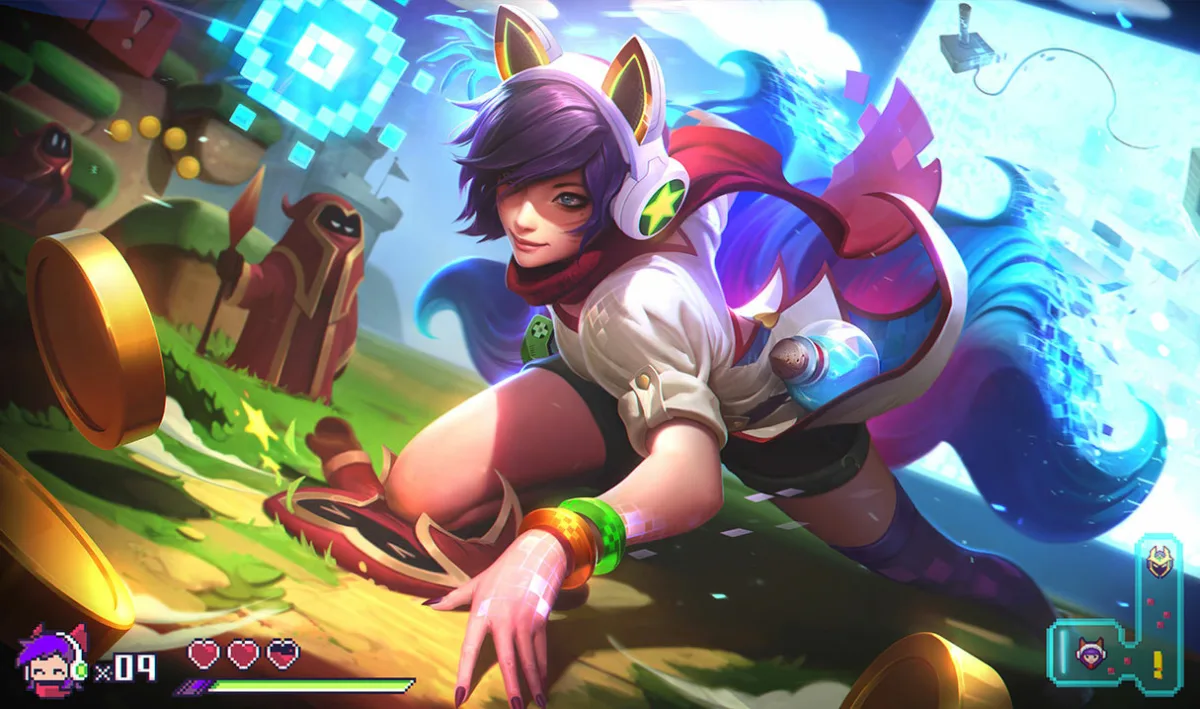
Top leads the North American role-main snapshots checked for this guide. Mid is the position Riot singles out when explaining why autofill prevents extremely long queues. Both statements can be true: the position someone usually plays and the one they request for their next game are different measurements.
League of Graphs still labeled both views Patch 16.17 when we read them on September 10, so this is not a 26.18-only sample. It cannot predict how long you will wait for mid tonight.
Role-main data checked September 10, 2026, covering the provider’s rolling last two days. The labels and sample counts below record what those pages showed at retrieval.
The most popular roles in LoL: September 10 NA snapshots
League of Graphs’ NA Iron+ page placed top first in its Mained Roles table. The NA Platinum+ view also led with top, but the lower positions changed.
| Position | NA Iron+ | NA Platinum+ |
|---|---|---|
| Top | 21.4% | 21.2% |
| Mid | 20.1% | 20.4% |
| Jungle | 19.6% | 19.8% |
| Support | 19.5% | 18.2% |
| Bot / AD carry | 19.4% | 20.4% |
League of Graphs, Mained Roles; read September 10, 2026. The pages displayed 242,724 matches for Iron+ and 96,133 for Platinum+, each covering the last two days on provider patch 16.17. Those are page-level match counts, not a documented unique-player denominator for this table.
Mid and bot are tied at the precision shown in Platinum+. Iron+ means Iron and above, while Platinum+ starts at Platinum. These groups overlap; the Iron+ column is not a separate sample of only lower-ranked players.
The provider labels this section Mained Roles. These are not a census of the positions everyone selected before matchmaking, nor your odds of being assigned a role. Do not turn the support percentage into a prediction that you will play support that often when queuing fill.
Why mid can be crowded without leading that table
Riot’s Ranked 2026 explanation, published December 1, 2025, identifies mid as a particular queue-time pressure. Autofill helps games start when requests for positions do not line up with the slots a team needs. That explanation does not publish a five-role 2026 percentage ranking.
For historical context, Riot’s September 2024 matchmaking article placed mid ahead of top in its North American role-distribution table, with jungle last among the five positions. That was an older discussion of role demand and autofill, not this patch’s preferences. Its regional tables also differed substantially.
The two sources do not prove that mid has since lost players. They have different dates and methods, with no matched population to follow over time.
Imagine a regular jungler queuing mid to try a new champion. Their next request has changed; what they usually play has not. That illustrates how preference and main can diverge. It is not the provider’s rule for deciding who counts as a role main.
Every normal team needs the same five positions
A standard Summoner’s Rift lineup has one top, one jungler, one mid, one farming bot laner, and one support. Riot’s introductory guide presents those five positions as the recommended team structure. "Bot" names the farming position; it is not a rule that its champion must deal only physical damage.
If you simply count the occupied positions across teams that follow that structure, each takes one of five slots. That makes each 20% of the filled positions by construction. It does not mean demand was evenly split before the lobby formed. The matchmaker has already dealt with that problem.
Champion pick rates answer another question again. Ten different mid champions and three different bot champions could occupy exactly the same number of role slots across a group of games. One bot champion might then have the higher pick rate without bot having more players requesting it. Champions used in several positions complicate that shortcut further.
What you are choosing when you choose a role
These figures are no substitute for trying the positions. Here is what to pay attention to when you do. The champions pictured are examples, not a ranking of the most popular picks.
Top: a matchup you keep returning to
Top puts a lot of your early attention on one opponent and a long lane. A trade can win you access to minions, but taking it at the wrong moment can leave you exposed far from your turret. You need to care about where the next wave will meet, not just which health bar fell further.
You keep returning to that matchup. If you enjoy finding a better trade against the same opponent, top gives you plenty to examine. If the matchup is miserable, walking away still costs something. Compare the skirmish you hope to join with the minions and turret pressure you leave behind.
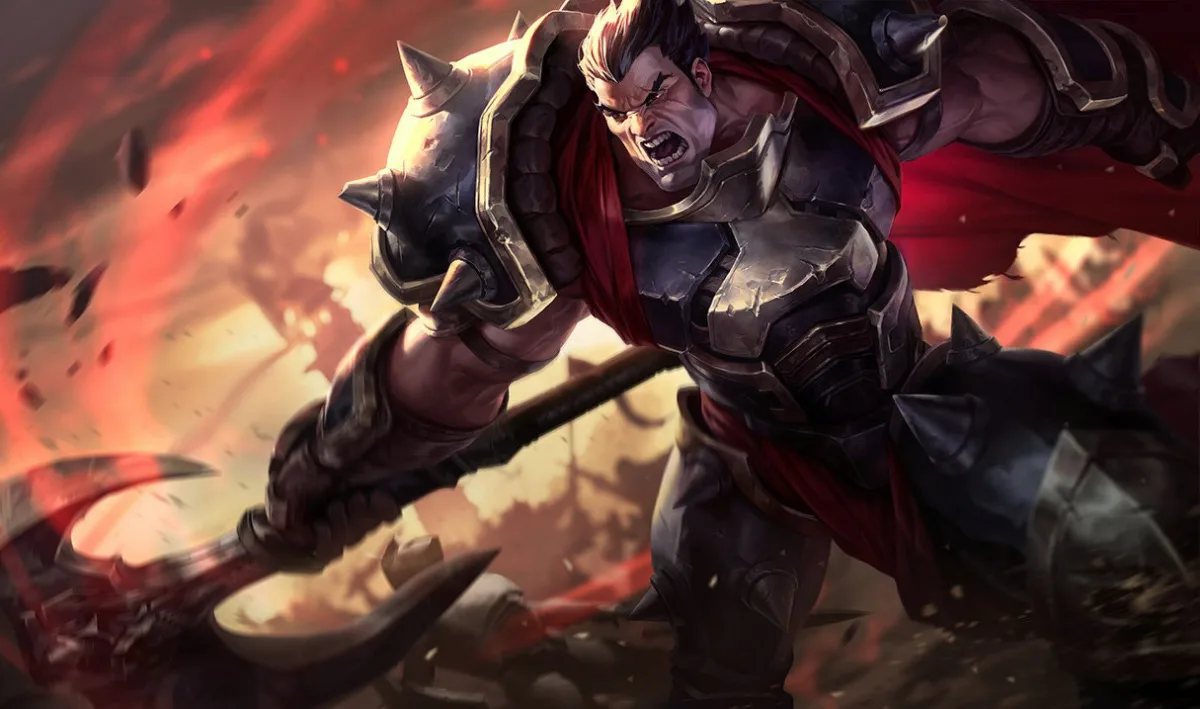
Mid: short lane, several competing directions
Mid gives you decisions about both the opponent in front of you and the routes away from the lane. A pushed wave can create time to move toward a river fight. Following a fight before handling the wave can instead cost gold and experience while the other mid stays comfortable.
Watch the cost of a failed roam. Did you leave a wave you could have collected? Did the enemy mid get a free recall? Learning to move without handing over that value is part of the role, even if the kills elsewhere get more attention.
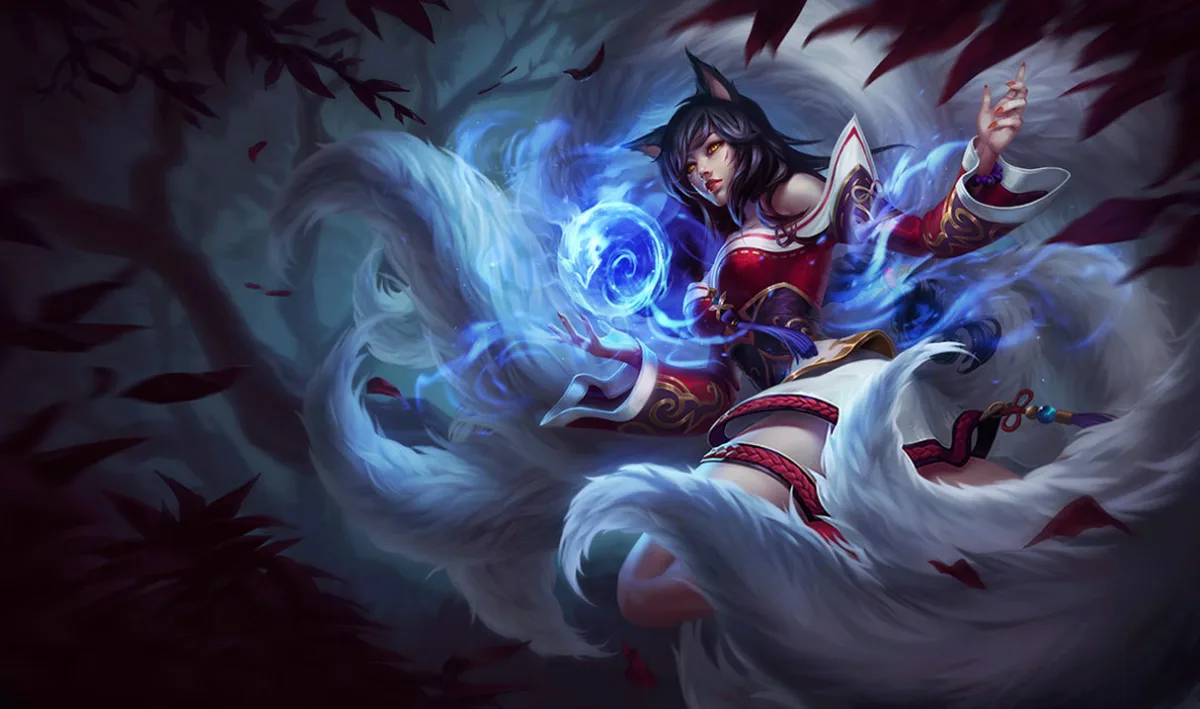
Bot: damage that depends on getting another attack
The farming bot role asks you to collect resources while sharing lane space with a support. Your safe trade may depend on an ally’s positioning and the enemy support’s available spell. Later, a damage opportunity is only useful if you can take it without walking into a threat that ends your fight.
Try reviewing a death from the attack immediately before it. The mistake may have been stepping forward for that last hit on a champion, after several safe attacks. If you enjoy working out when to take one more attack and when to stop, there is a lot here to practice. Expect your partner’s movement to affect those choices too.
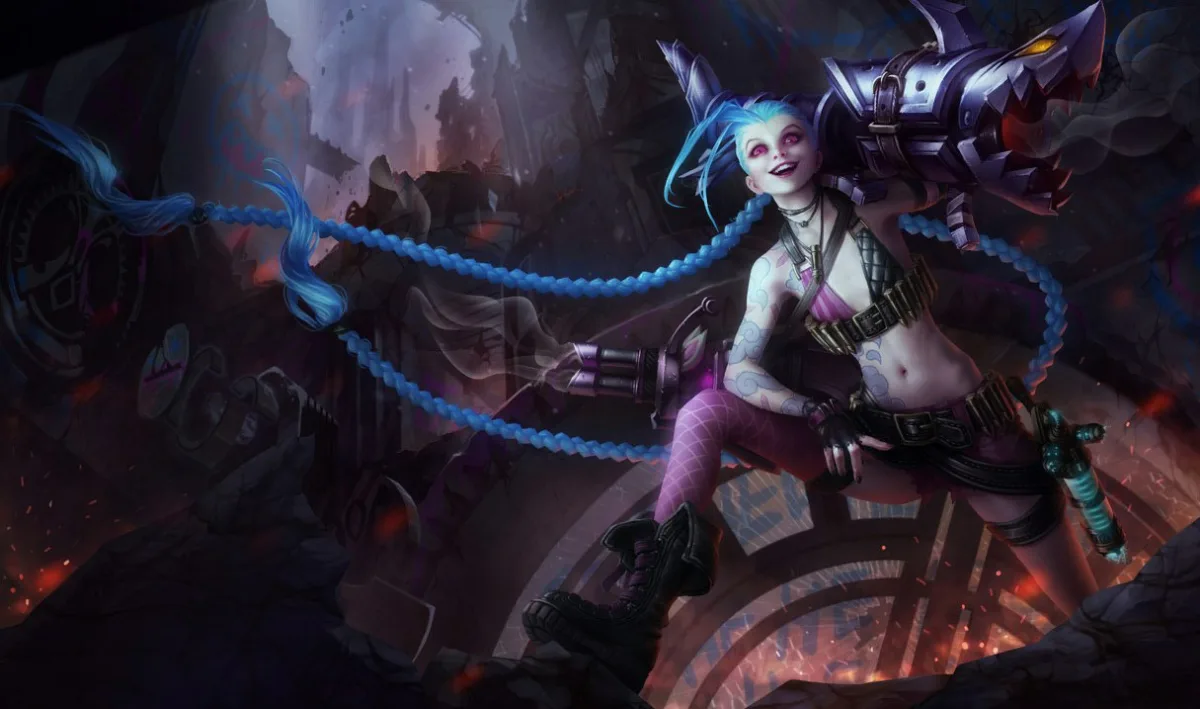
Jungle: a route is a decision about what you miss
Jungle replaces a fixed lane opponent with a sequence of choices across the map. Taking another camp, covering a threatened laner, and arriving at an objective cannot always happen together. The useful question is which action matters now and what the alternative would have earned.
A lane that looked gankable can become unsafe while you walk there. The allied wave changes, your teammate loses health, or the enemy jungler appears nearby. Turning around can be the right decision even after a long walk.
Time already spent is gone. Forcing the gank does not refund it.
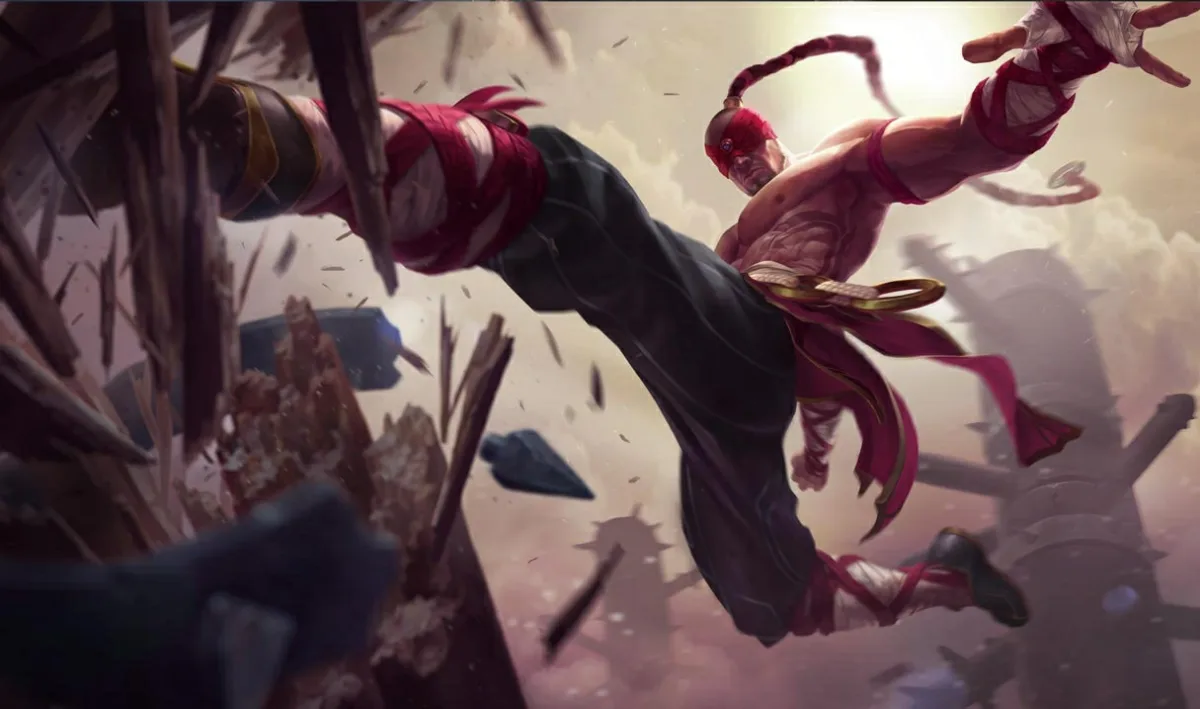
Support: leaving at the right time is part of helping
A support’s lane movement changes what the farming partner can safely approach. Walking forward can help contest space; leaving can make a previously safe wave dangerous. Roaming is a decision about both the ally you hope to help and the one you leave behind.
In a later fight, you might see an enemy you can catch while a diver approaches your own carry. Who benefits if you spend the control spell forward? A useful engage can become a poor choice because of what happens behind you. Nothing in a popularity table makes that decision easier.
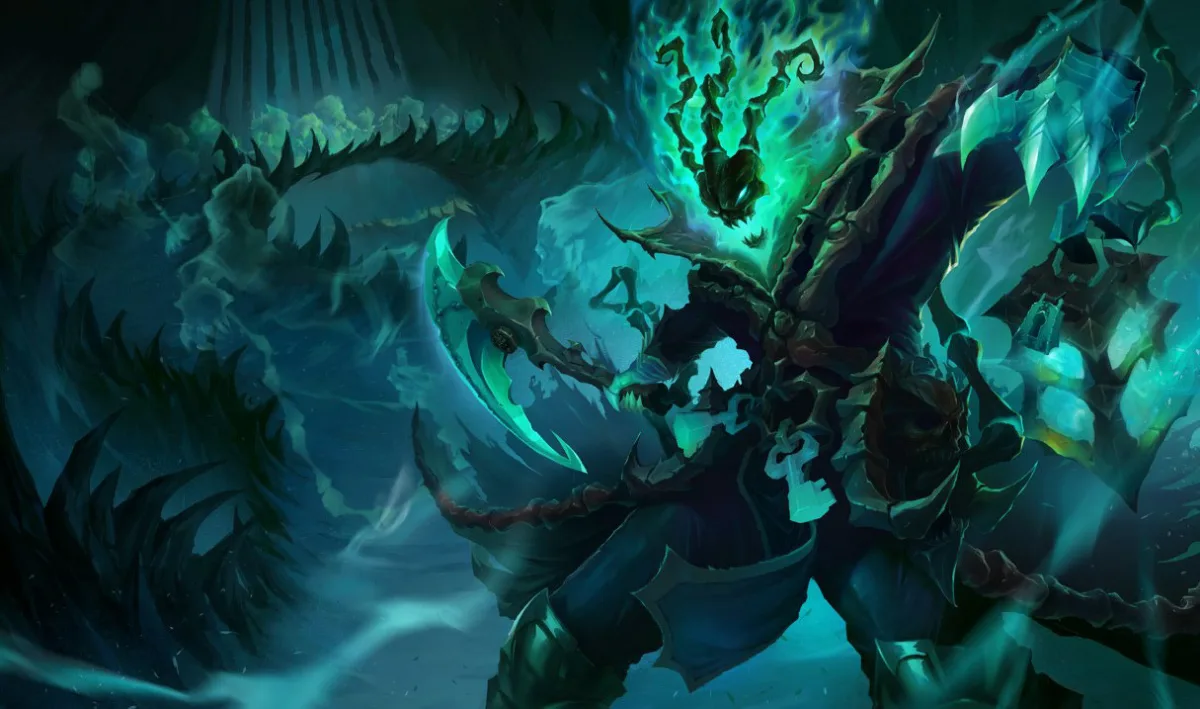
Choose a secondary you can actually play
Pick a secondary you would be willing to play tonight. Its popularity matters less once the lobby assigns it to you.
Before settling on a primary and secondary, ask yourself:
- Can you name a champion you would willingly play in each position, even into an awkward opponent?
- Do you know how that champion gets through the first few waves or camps without needing a kill?
- Can you describe one job you will do if the lane goes badly?
- Have you learned the second role’s basic rhythm, rather than only its most exciting combo?
A particular role pairing will not guarantee your first choice. Queue conditions change, and this guide cannot see who is waiting beside you.
Try a new position in unranked games before relying on it as your ranked backup. Look at both comfortable and awkward matchups, then ask whether you want to learn the decisions that went wrong. A good first game can hide a role’s costs; one bad lane can hide what you might eventually enjoy.
So, which role is the least popular?
The answer changes with the sample: bot was last in the NA Iron+ role-main view, while support was last in Platinum+. Neither result tells you which role your next lobby needs.
Pick the role whose mistakes you want to learn to fix. If that is mid, prepare a second position for the games you do not get it. You do not need to change your favorite lane just because somebody else’s table puts it first or last.