
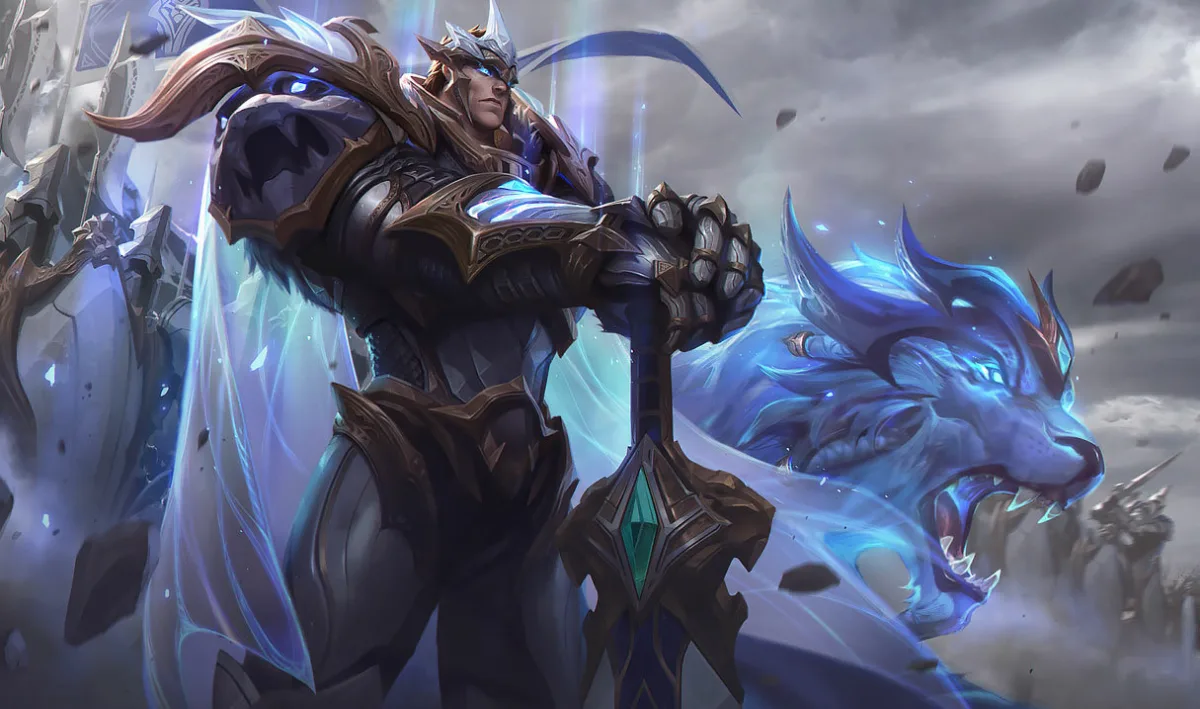
You could stay for another solo kill. You could also finish the wave, spend the gold you already earned and reach the next fight with that purchase. Our best low elo top laners have useful work to do beyond winning the duel in front of them, including when that duel went badly.
Start with Garen for a compact Iron-to-Gold pool. Add Mordekaiser when you need sustained magic damage, Yorick if you enjoy managing a side lane, or Urgot if you prefer fighting the opponents your team can reach. You only need one of those alternatives at first. Learning all four at once gives you more unfamiliar decisions to make.
The recommendations favor a recognizable plan, manageable execution and something useful after the first plan fails. Here, low elo means Iron through Gold. This is an editorial shortlist based on kit demands, not a win-rate tier list or a claim that those ranks produce identical games.
Reviewed for modern PC Summoner’s Rift Patch 26.18 on September 10, 2026. The four top-lane kits retain their side-wave, target-selection and finishing conditions. The recommendations remain editorial learning advice for Iron through Gold.
Four top laners, four ways to use your next lead
| Pick | The job worth learning | The habit that wastes it |
|---|---|---|
| Garen | Collect a side wave, then reach a useful nearby fight | Staying for another kill instead of spending gold |
| Mordekaiser | Supply sustained magic damage and remove one chosen enemy | Using R on whoever is easiest to click |
| Yorick | Make a side wave threaten a structure while tracking replies | Calling a distant, harmless wave split pressure |
| Urgot | Damage a reachable front line and threaten a finishing fear | Firing W at minions while the intended target walks away |
The linked top-lane pages can help you inspect builds and role filters. The recommendations here come from the decisions below, not from sorting a historical Gold sample by its headline percentages.
Garen gives a small pool somewhere sensible to start

Garen leaves you fewer spell inputs to think about while checking the map. His abilities have no mana cost. Q supplies movement speed and a silencing attack, E damages the space around him, and R finishes with true damage that rises with the target’s missing health. Reaching an enemy remains the difficult part. Pick someone you can approach without crossing the whole opposing team.
His recovery and defensive tools give you reasons to stay available between fights. Perseverance starts after eight seconds without the damage or enemy ability hits that interrupt it. Minion and non-epic monster damage do not stop that regeneration. Courage also earns permanent armor and magic resistance from killing units, up to its cap. A safe wave can build those defenses while you recover; walking back into poke to chase a low-health opponent delays that recovery. These are the rules in Garen’s normal passive and W and their full English descriptions.
Suppose the opposing top laner retreats and you can safely push the minions under their turret. Finish the push and look away from top for a moment. Low health and unspent gold suggest a recall. A healthy jungler beside a reachable enemy might give you a fight worth joining, provided you have the health to help. Waiting outside the turret for your lane opponent to come back gives them time to recover while you accomplish little.
Garen can help in that fight without a complicated combo. A silencing Q on the opponent threatening your damage dealer can give your team a better opening to hit them. You do not have to run past that opponent looking for a more exciting R target. E’s armor reduction requires repeated strikes against the champion, so a brief spin does not immediately deliver all of its benefit. His current E and R records support those separate jobs.
After a bad lane, catch the waves you can reach safely and fight near an ally who can damage the opponent you silence. Your R still helps against an injured enemy. Check how much health they have, though: the game allowing the cast does not mean it will kill them. Walking through their teammates for a finish that fails leaves you with very little to show for the attempt.
Garen is less appealing if your draft already has several champions who must walk into range and nobody who can help them arrive. Q removes existing slows, not every kind of crowd control. Save W for damage you expect to take instead of treating it as a permanent defensive state. The sensible starter still needs a route into the fight.
Mordekaiser: pick the enemy whose absence helps
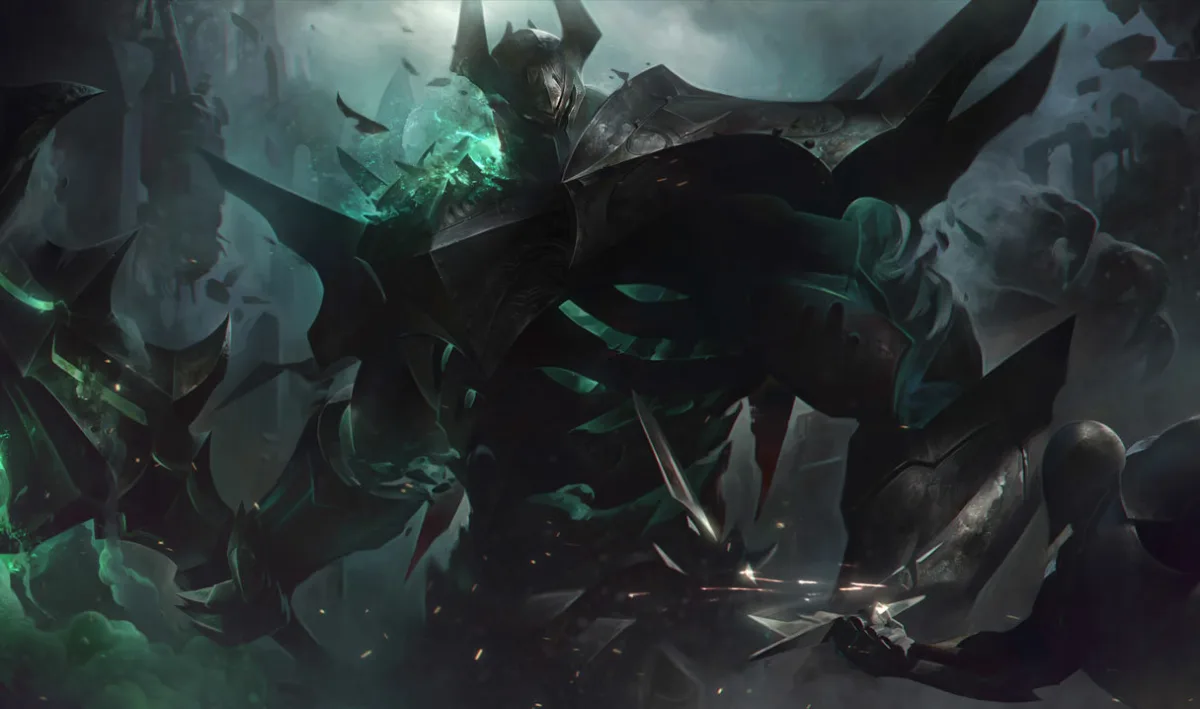
Mordekaiser earns the second slot when your team has plenty of physical damage and needs magic damage that continues after the opening spells. His passive adds magic damage to attacks. Three qualifying basic ability hits or attacks against champions or jungle monsters activate his damaging aura. You need to keep an enemy nearby to use it; after a missed E, a long walk behind a retreating opponent may achieve nothing.
In lane, separate the Q you want for damage from the Q you need for the wave. Obliterate hits harder when the strike catches a lone enemy. Hitting the opponent and nearby minions gives up that single-target bonus but damages the wave too. If you need to finish pushing before a safe recall, that can be the better use. If you are trying to hurt the opponent without pushing as much, look for their movement away from the minions. Mordekaiser’s bound Q and passive explain the difference; the lane choice is yours.
Realm of Death gives you a more unusual decision than whom to damage next. It takes one champion into a separate realm with Mordekaiser for seven seconds and temporarily steals a portion of their core stats. Killing that opponent inside lets him keep those stolen stats until they respawn. You get to choose the duel, but the opponent still gets to play it.
Imagine your ADC is still healthy enough to fight, but one melee enemy has already reached them. Taking that enemy away may give the ADC room to attack the remaining opponents. Now reverse the situation: your allies have surrounded an almost-dead target, and another enemy is still free to attack them. Ulting the nearly finished target may deny your allies their immediate finish while removing you from the more urgent problem. Both uses can look like an easy R target; they accomplish different things.
Choose someone you can afford to face alone. A fed opponent may kill you in the realm; a mobile one may keep avoiding your spells until it ends. Check your health, stored W shield and the target’s escape options before committing. R’s current duration and stat rules define the opportunity. Whether taking that opponent away helps your team depends on the fight you leave behind.
W’s shield can matter more than the tempting heal during that duel. The recast exchanges the remaining shield for only a portion of it as health. Use the protection while the enemy is still damaging you; consider the heal when that shield would otherwise go unused. Do not let a nearly empty shield reserve turn an optimistic R into a fight you cannot sustain.
Mordekaiser makes sense when both his magic damage and his choice of R target help the draft. If the opposing team can keep backing out of reach, wanting the duel badly enough will not get you into it. He also leaves the main fight when he uses R. If your teammates rely on him to stand between them and the enemy, that absence may hurt.
Yorick needs the wave ready before the fight starts
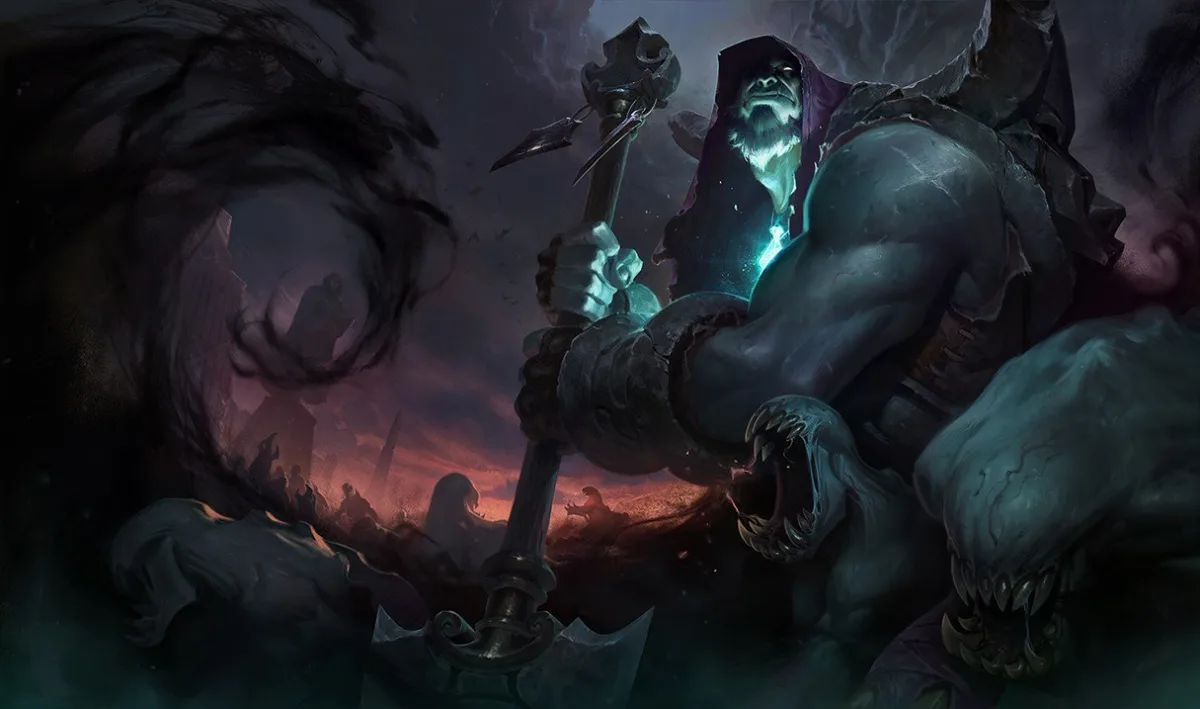
Yorick suits someone who enjoys setting up the next wave before the rest of the map needs attention. His summons add damage alongside his own attacks, and he can send the Maiden down a lane. But a distant wave may not bother the enemy at all. If it cannot threaten a structure soon, they can leave it alone and keep fighting your teammates.
First, count the resources behind the threat. Last Rites, Q, leaves a grave when its empowered attack hits a champion or large monster, or kills its target. With Q already used and at least three nearby graves, its recast turns those graves into Mist Walkers, his small attacking summons. E also marks champions and monsters. That mark awakens nearby graves up to the local Walker cap and reduces the target’s armor. The normal Q, E and passive include both summoning routes. Three minion last-hits are not the only way to prepare a fight.
Look at the graves and Walkers before throwing E. With neither nearby, you have less follow-up ready for the mark. That matters after a poor recall: returning to lane at full health does not replace the summons you lost. If E misses, stop long enough to see whether you still want the exchange. Continuing to walk at the opponent because you intended to fight them can cost health without giving your summons the setup you wanted.
Dark Procession’s wall can constrain the reply, but it is destructible terrain rather than a stun. The enemy can attack it; do not count the full wall duration as several seconds of guaranteed free damage. Place it to obstruct an important route and watch what the opponent actually does. If it fails to hold them, your retreat still needs to exist.
At level six, the Maiden adds another resource to protect. She raises Walkers from nearby enemy deaths and marks enemy champions she attacks; Yorick damaging her marked target triggers additional maximum-health magic damage. After ten seconds, R can be recast to release her down the nearest lane. That release is a real commitment to a lane, not a command to appear at whichever objective you want later. These details come from her current R tooltip, bound through the ordinary Yorick record.
For useful split pushing, which means pressuring a side lane while your team is elsewhere, arrange the wave before the other fight becomes urgent. You want the enemy to choose between taking damage to a structure and sending someone to defend it. Check which opponents are visible and where you can leave if two disappear. A lead makes the defender’s job harder; it does not tell you where the missing jungler went.
You can occupy a defender without accepting a duel they would win. Once they arrive, check whether you can keep threatening the wave safely or should back away. An unanswered push also needs judgment: a turret you might eventually reach is poor compensation for losing your base now. If watching the other lanes while farming sounds tedious, choose a different second champion.
Urgot makes the enemy in front of you worth hitting
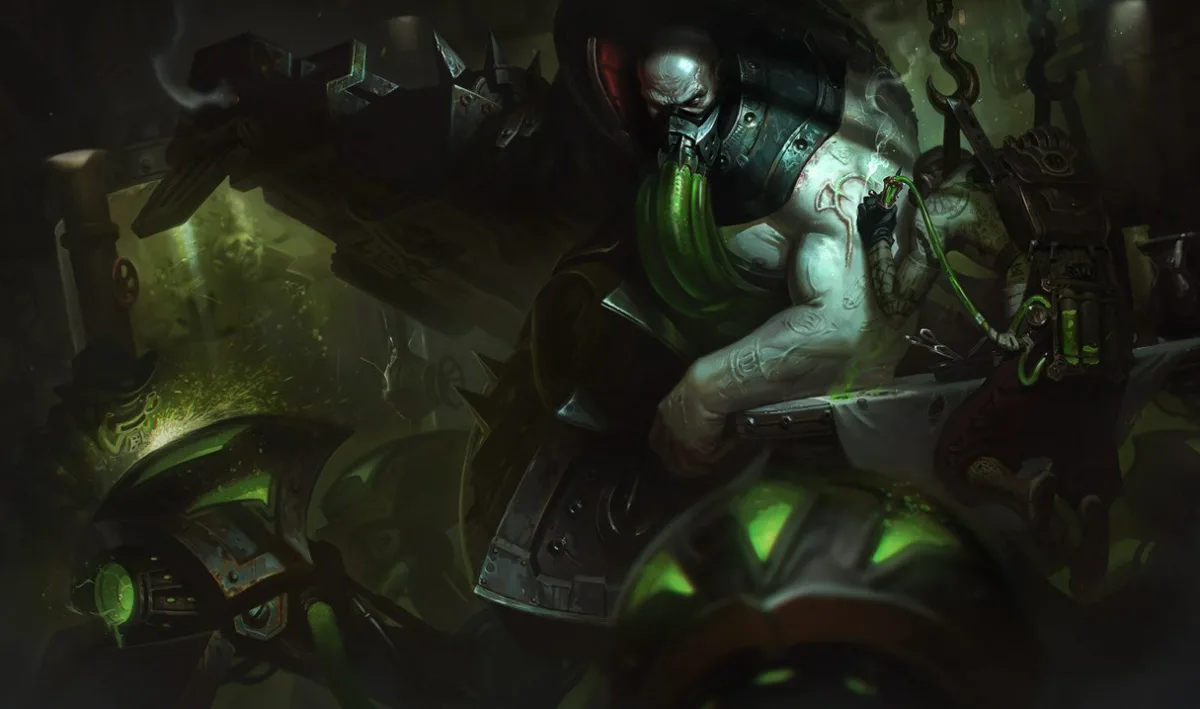
Urgot is ranged, but his ordinary attack range is only 350. Pick him for a fight near his body, not as a substitute for a long-range marksman. Echoing Flames gives each of his six legs a separate shotgun cooldown. Attacking from another angle can bring a ready leg into use, which makes moving around a reachable target valuable. It does not make circling through enemy backup safe. His current root and passive establish that range and directional damage.
Purge, W, keeps firing while Urgot moves, leaving you more attention for his position. It shoots the closest enemy unless it can prioritize the champion marked by his other abilities; the mark goes to the last champion hit. In a crowded wave, pressing W without first landing that setup may spend the exchange shooting minions. Q can supply a slow and the mark; E can bring a caught champion behind Urgot. Check that the shots are hitting the champion you meant to fight.
W also reduces his movement speed. At maximum rank it becomes an indefinite toggle, but that is not the spell you have at rank one. Before then, an opponent who waits out the firing window can threaten your next last-hit while W is unavailable. The ordinary W values and full description separate the rank-five toggle from its earlier casts. You do not need advanced attack-toggle optimization to begin with him, but you do need to stop firing when the movement cost prevents the next useful action.
Disdain, E, stops on the first enemy champion it catches, stuns them and throws them behind Urgot. It cannot cross terrain. Trying to dash through the river wall will not rescue an overextended push. For an offensive cast, check whether bringing that opponent behind you also brings them closer to an ally they can kill. A flip is not automatically protection.
Fear Beyond Death gives Urgot a reason to damage the front line alongside his team. The drill catches the first champion in its path; if that impaled target falls below 25% health, the recast can suppress and reel them in for execution. The completed kill fears nearby enemies. You need the target to meet the threshold, the reel to finish and other enemies to be near the result. The current E and R rules make this more specific than "press R to win the teamfight."
After losing lane, let your team’s damage help you reach the execute threshold. Stay where your allies can attack the same opponent and check where E would throw them before using it. You may have lost the solo duel, but you can still punish someone who steps too far into your group. Urgot asks more of your positioning than Garen; that is part of the appeal if you want a second champion with more to practice.
Should Yorick stay for the tower or come back?
Picture your top wave already reaching an enemy turret, with a healthy Maiden alongside it. Four opponents are visible near the lower river. Your teammates are together and still have room to back away. Continuing to pressure the structure is a credible choice: the enemy can see a cost to staying grouped. Ping your plan, watch for the fifth opponent and preserve a way out.
Change two details. Your wave is still on your own half of the map, and the enemy has started attacking your base with a numerical advantage. Calling the distant Maiden "pressure" does not make those minions arrive sooner. Recalling to help defend can be more useful than continuing toward a tower you cannot threaten in time.
The kill lead alone does not settle either choice. Look at what the enemy must answer now and whether your teammates can survive until you arrive. If the fight will end before you can reach it, walking there late may waste the only farm available too. Sometimes the best remaining play is to collect that wave and prepare for the next contest.
Keep one default and one deliberate alternative
Start with Garen if you have no settled top-lane pool. Add Mordekaiser for a magic-damage option. If you already enjoy managing side waves, Yorick can take the second slot instead; choose Urgot when you would rather learn directional damage and fight near your team. Already comfortable on another top laner? Keep that practice and use this shortlist to fill one missing job. Whichever pair you choose, learn to recognize its recurring mistakes before adding another champion.
After a game, review what you did immediately after your first won trade or kill. Did you collect the available wave, spend, approach a reachable fight or threaten something the enemy had to answer? If the answer is that you waited for another duel until the advantage disappeared, changing that decision is a more useful next step than expanding the champion pool again.