
You can enjoy lining up Jhin’s fourth bullet and hate waiting to reload afterward. Or love Ezreal’s constant aiming and get tired of shooting into minions. The part that makes an ADC interesting is often the part that eventually gets on your nerves.
The four most fun ADCs on this shortlist are Ezreal, Jhin, Draven and Aphelios. Ezreal keeps you aiming, Jhin gives each shot a place in the magazine, Draven adds catches, and Aphelios changes the weapon pair. These are editorial recommendations for different preferences, not a popularity contest or a measured order of fun. Their ordinary waves and trades are the reason to try them.
Reviewed for modern PC Summoner’s Rift Patch 26.18 on September 10, 2026. The four marksmen retain the aiming, reload, axe and weapon rules used here. Those mechanics explain the playstyle choices rather than a current power ranking.
Which kind of ADC play sounds fun?
| Pick | The action worth repeating | The part you must accept |
|---|---|---|
| Ezreal | Aim a spell, fit in attacks, choose a new angle | Minions can intercept Q and deny champion damage |
| Jhin | Prepare the next shot and move after the crit | Four bullets end in a reload |
| Draven | Keep attacks and catches flowing through movement | Catch locations compete with where you want to stand |
| Aphelios | Find a useful interaction between two weapons | You cannot freely equip any gun whenever you want |
Jhin’s limited magazine can be more appealing than constant firing. Aphelios suits a player who likes changing what the next attack does. One concentrates your attention on a familiar sequence; the other keeps introducing variations. Choose between those activities rather than treating a longer tooltip as a better recommendation.
Ezreal: do you want to keep taking the next shot?
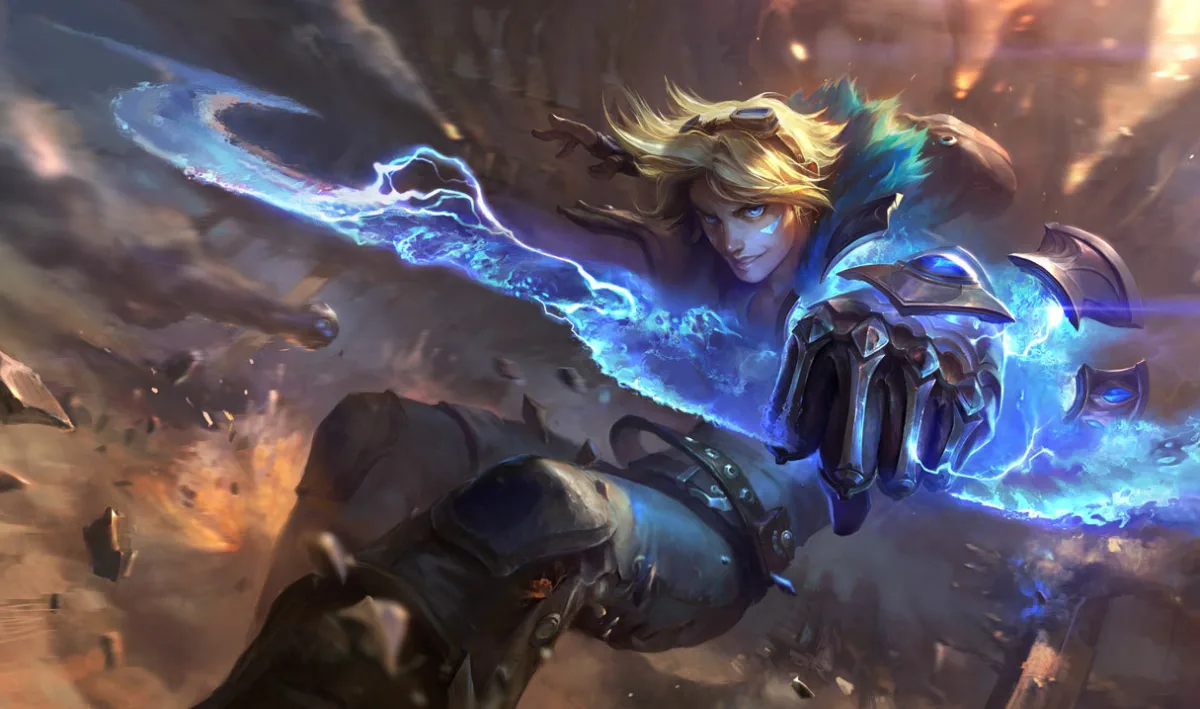
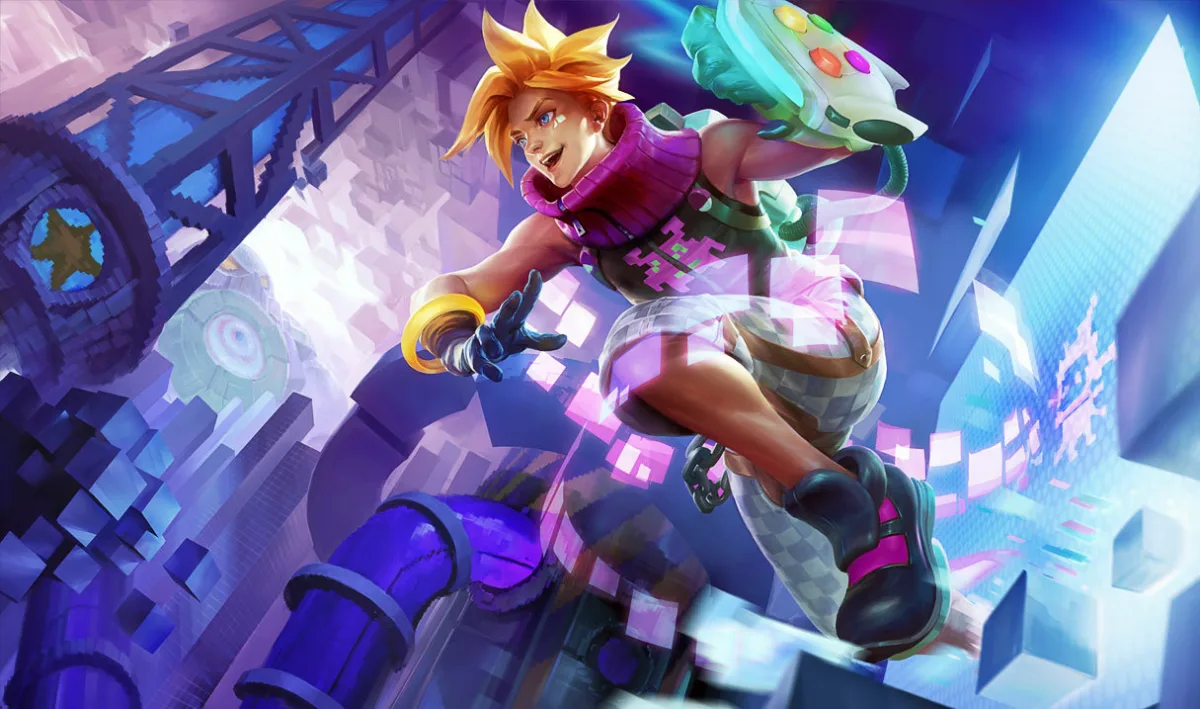
Start with Ezreal if aiming is the attraction. Mystic Shot gives you repeated chances to line up a hit, with a cooldown reward when you connect: Q removes 1.5 seconds from his ability cooldowns after striking an enemy. A miss loses both the damage and that refund.
Picture a minion crossing in front of the opposing ADC. You can step sideways for a shot, wait for the minion to die, or hit it if that helps the wave. Q stops at the first enemy. Catching the minion still earns the refund, even though the champion takes no damage. A small change in angle can turn the next Q into the trade you intended.
There is more to do than press Q. Rising Spell Force grants stacking attack speed after ability hits, up to five stacks, so basic attacks belong between the spells when you can safely reach someone. Hang back at maximum Q range throughout a fight and you leave that attack speed unused. The enjoyable part is finding the closer attack, then moving out to aim again.
Essence Flux gives a follow-up something specific to accomplish. W’s mark lasts four seconds on a champion, structure or epic monster. During that window, an attack or ability hit from Ezreal detonates it. An ability detonation refunds the detonating ability’s mana cost plus 60 mana; an attack detonation does not. You have a choice about how to collect the damage, as well as where to stand.
Arcane Shift lets you change the angle yourself. E teleports Ezreal, then fires a bolt that prioritizes an enemy marked by W. A sideways shift might pop the mark while keeping your support close; a forward shift might put both opponents beside you. Decide where you want Ezreal to end up before getting attached to the W-E combination. The targeting preference is useful, but it cannot choose a safe landing for you. Arcane Shift’s current target priority.
Ezreal is less appealing when you want every available target to be an easy shot. A thick wave can leave you farming and waiting for an angle instead of landing the next champion hit. That is still Ezreal gameplay, not a delay before it starts. Choose him if working out the shot interests you; try Jhin or Draven if you would rather put more of that attention into basic attacks.
Jhin: is the pause part of the appeal?
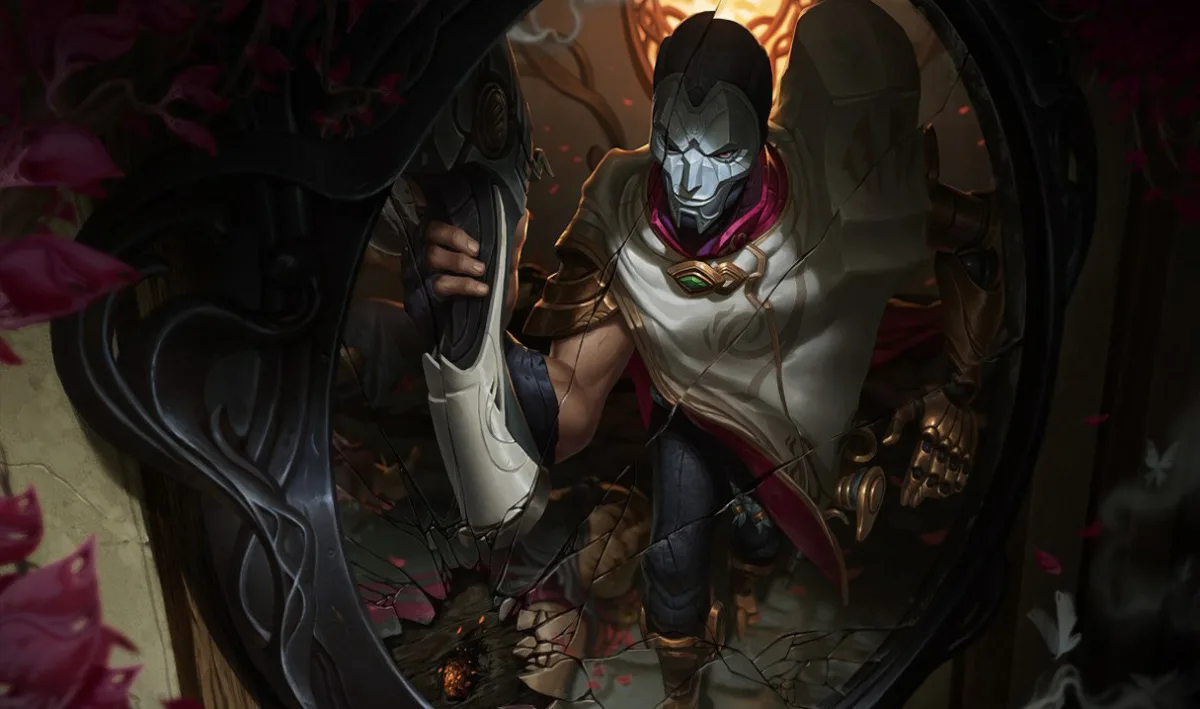
Jhin makes you care which bullet comes next. Whisper holds four; the last always critically strikes and adds missing-health physical damage. A critical strike also gives movement speed, so firing that fourth shot can lead straight into a reposition while he reloads. The normal reload takes 2.5 seconds. There is time to change where the next exchange begins.
The preparation starts in the wave. With several minions getting low and the opposing ADC edging forward, the next bullet has competing uses. Take the last hit now, or keep a shot ready for the opponent’s approach? A ready fourth bullet can make that choice especially tempting. Holding it while minions die is expensive when the enemy never comes close enough to trade.
Dancing Grenade makes the wave another part of the shot preparation. It can hit four different enemies, and enemies that die shortly after being struck increase the damage of its later hits. A low-health first target can therefore improve the bounce that follows. You choose the initial target, not every subsequent bounce; look at the nearby units rather than assuming the grenade will deliver itself to the ADC.
Jhin also lets you contribute to a catch from farther away. Deadly Flourish travels through minions and monsters but stops at the first champion. It can root a champion damaged by Jhin or an allied champion within the last four seconds; stepping on his trap also qualifies. Your support’s poke can create the opening, leaving you to judge when the enemy will commit to a direction. You do not need a full magazine to help hold that target for a teammate.
Curtain Call takes the aiming farther away. Jhin channels and fires four separately aimed shots, with a harder-hitting fourth round. A healthy champion can stand between those shots and the injured carry you wanted, giving you a reason to hold the next round or change aim. Set up somewhere your team can protect you. It is easy to concentrate on the distant target and miss the opponent walking toward Jhin.
If you want to keep firing faster as your build develops, Jhin will frustrate you. Bonus attack speed contributes to his attack damage and critical-strike movement instead of making Whisper fire like a conventional ADC’s weapon. That restriction is also his appeal. The gap after a shot gives room to plan the next one, and the fourth bullet makes a short exchange worth preparing.
Draven: would catching make farming more interesting?
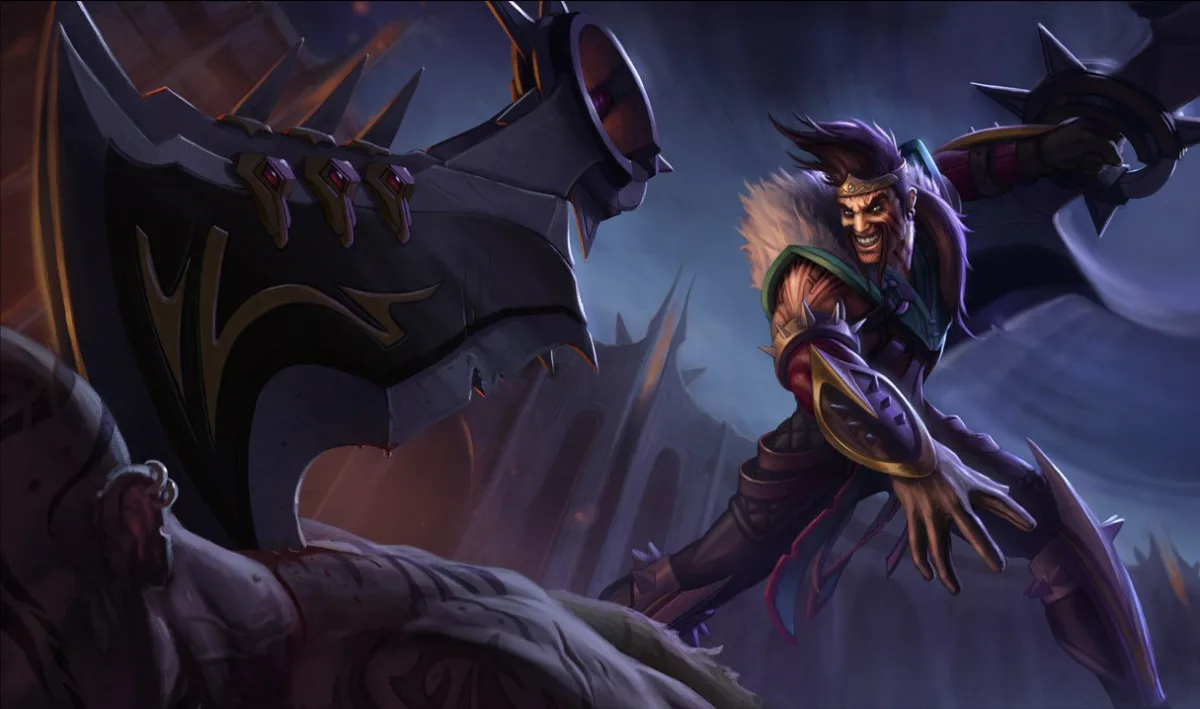
Draven gives you something to catch after the attack. A Spinning Axe adds physical damage, rebounds into the air, and prepares another empowered attack when caught. He can ready two at once. Even an uncontested wave asks you to move with the axes while taking the last hits. That is the appeal for a player who gets bored waiting between attacks.
You also influence where the axe falls. Riot’s tips explain that movement after an attack sends the axe ahead in that direction; standing still keeps it near Draven. Take a last hit and guide the axe back toward your minions, then approach again when the enemy ADC moves up to farm. Catching has kept an empowered attack ready through a movement you wanted to make anyway. That is more interesting than following a random marker, provided you keep watching the opponents while you do it.
Blood Rush joins the sequence because a catch refreshes W’s cooldown. Its movement and attack-speed bonuses can help continue pressure or reach the next position. The refreshed button still has a mana cost. There is room to enjoy the repeated casts without treating every reset as a command to spend another one.
Catching can become irritating for exactly the same reason it is interesting: it keeps asking for attention. You may want to retreat while the next axe is falling farther forward. Leave it if following it would be dangerous. Dropping an axe does not erase Adoration; the passive pays bonus gold on champion kills and removes half its stacks on death. Those are different losses from missing a catch. League of Draven’s current conditions.
Choose Draven for what happens between the kills. Keeping an axe through a few ordinary last hits should already sound enjoyable. If the catching mostly feels like an interruption, a fed Draven’s damage is a poor argument for making him your main. You will spend much more of the lane maintaining attacks than celebrating a cashout.
Aphelios: do you enjoy discovering what two tools can do together?
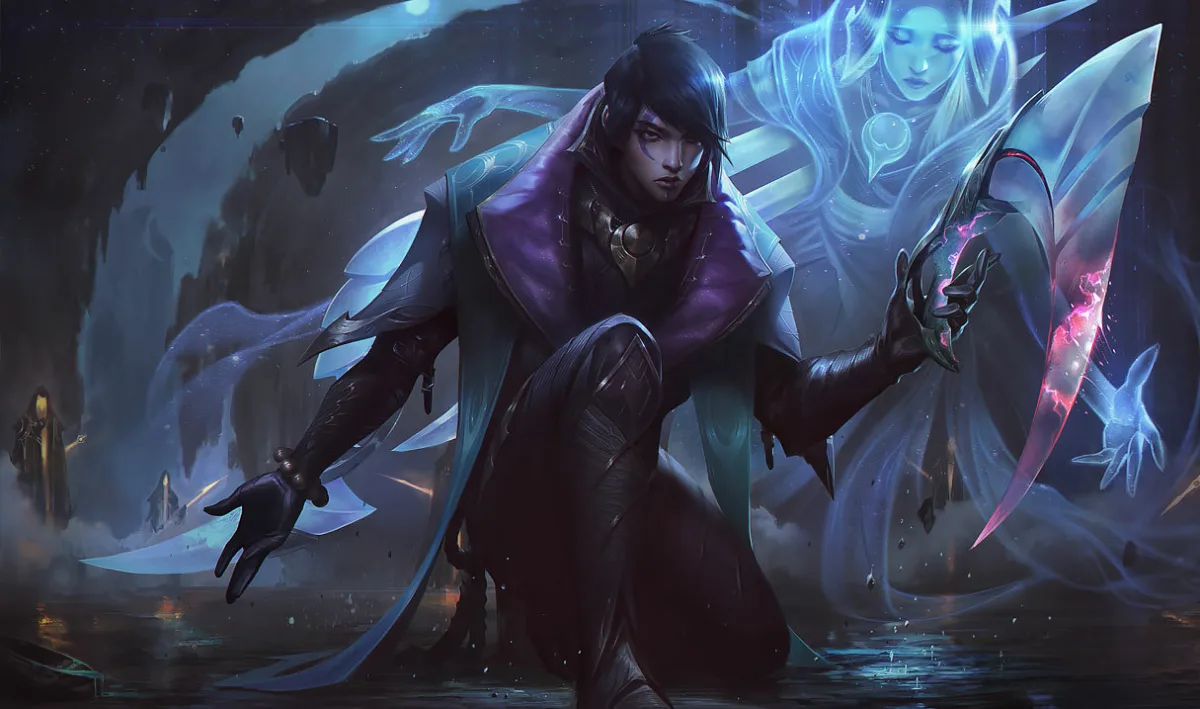
Aphelios is the choice for combining tools. Two of his five weapons are available at a time, with W swapping which one supplies his attack and Q. Several abilities also use the second weapon. That means the off-hand gun can change what you want from a familiar spell, giving you another interaction to try as the pair changes. Q unlocks at level two.
Take Calibrum, the rifle, with Gravitum, the cannon. Calibrum Q marks its first enemy hit; attacking that mark uses the off-hand weapon at extended range. With Gravitum off-hand, that follow-up can apply the cannon’s slow. While both guns remain available, swap to Gravitum and use its Q, if ready, to root the target before that slow ends. You have turned a rifle hit into a potential catch through the second weapon, provided the shot and follow-up actually connect. Current Calibrum and Gravitum descriptions, normal weapon records.
Severum and Crescendum ask for a different kind of engagement. Severum’s Q gives movement speed and fires both weapons at nearby enemies, prioritizing champions. Abilities that use Crescendum create additional mirror chakrams, which add damage to its attacks. The reward for recognizing that pair is preparing those extra chakrams before attacking with Crescendum. It still requires enemies close enough to hit; running beside a target does not protect Aphelios from that target’s team.
Infernum offers another way to involve the second gun. Its attacks spread damage behind the first target. For Q, Aphelios sprays a cone of flame, then uses the off-hand gun to attack each enemy the flame struck. That gives you a reason to look for several targets in the cone rather than approach every pair as a single-target combo. Crescendum’s Q instead places a sentry equipped with the off-hand weapon. Gravitum Q is the exception to expecting another weapon’s attack: it roots targets carrying its own slow.
There is a restriction that makes the combinations matter. Each gun starts with 50 ammunition, and an empty weapon goes to the back of the queue. W switches the held pair; it does not open a menu of all five guns. Riot described this in its November 2019 kit primer; the current ammunition resource, passive and queue descriptions support those same rules. You can influence what comes next through what you expend, but you cannot demand the same pair for every fight.
Try Aphelios if one useful combination makes you curious about the next. There is plenty to work through beyond landing the first shot. But if every weapon change feels like losing the spell you wanted, the novelty will wear thin. Ezreal keeps the same spell set available to learn; Aphelios asks you to enjoy adapting it as well.
Try the routine before judging the highlight
Choose one of these activities for a first session: weave attacks between Ezreal’s spells, plan Jhin’s next fourth shot, maintain Draven’s axe while farming, or deliberately use an Aphelios off-hand effect. That is a learning target, not a promise of a winning lane or a fixed number of games to mastery. Notice whether you want another attempt when it goes wrong.
If the wave and incoming threats already occupy all your attention, start with our easiest ADCs guide. You can return to catches or weapon combinations once those decisions leave you more room. For now, choose the champion whose ordinary next attack interests you, not the one whose best possible play looks most impressive.