
Your support lands the first crowd-control spell. You throw Double Daggers, see two Feathers behind the target, and press Bladecaller before the third one exists. The enemy walks away with a sliver of health. That failed play explains what Xayah needs from a lane partner better than any generic duo win-rate list.
Rakan is our first choice for a Xayah duo that can coordinate its engage and retreat. He can start and leave fights, share Deadly Plumage’s combat effect, shield Xayah, and hold several enemies in the same area long enough for a brutal Featherstorm into Bladecaller. Nautilus is the easier solo-queue answer when the pair has little coordination. Thresh, Blitzcrank, Leona, Alistar, Milio, and Nami complete the eight, each solving a different draft problem.
The common thread is time, not bonus damage. Xayah needs a target to remain on a predictable line while she places at least three Feathers, then needs protection after she recalls them. The best support is the one who creates that window without dragging Xayah into a fight her short range cannot finish.

Xayah needs the target to finish its movement inside a useful Feather angle. Her support choices reflect that setup and the protection available afterward. Nautilus’s lower 26.18 damage does not remove his control chain; this list does not infer new duo tiers from the previous patch’s results. Riot's 26.18 notes.
Xayah does not need any stun. She needs the right stun
Bladecaller is often described as simple: put Feathers down, pull them back, and root an enemy hit by at least three. In lane, the difficult part is not knowing the number three. It is creating three return paths that intersect a champion who is actively sidestepping, hiding behind a wave, or backing away from Xayah’s attack range.
Double Daggers solves most of the setup. Q places two Feathers, and casting it also activates Clean Cuts for Xayah’s following basic attacks. One empowered basic attack can place the third. That makes Q, one attack, then E the fast root pattern. A support’s first control spell must buy enough time for that entire sequence, not merely enough time for Q to land.
The support also changes the geometry. A Nautilus hook pulls both champions toward each other. Blitzcrank moves the target all the way to himself. Thresh can pull, then Flay in either direction. Alistar can knock someone out of the carefully prepared line. These spells are excellent, but the Xayah player has to aim at where the target will finish, not where the engage began.
Finally, the pair needs a second defensive layer. Xayah is difficult to dive while Bladecaller and Featherstorm are available. She is much more ordinary once E has been used for damage and R is down. Rakan can return to shield. Thresh can throw a lantern. Alistar can turn around and Headbutt the diver away. Milio can interrupt entry or remove crowd control. That second job separates the best supports for Xayah from champions who offer one impressive engage and little help afterward.
The support order depends on reachable control
Rakan is the first option for a duo that coordinates his movement with Xayah’s Feather angle. Nautilus makes the target easier to identify, while Thresh adds a route out of a bad position. A practiced player on one of those champions is more useful than an unfamiliar pick chosen for its position here.
The eight best supports for Xayah at a glance
| Support | Choose for | Main risk |
|---|---|---|
| Rakan | Coordinated engage, retreat, and shared Deadly Plumage | Entering before Xayah has a Feather angle |
| Nautilus | Readable control for Q, an attack, and Bladecaller | A missed hook gives opponents room to pressure |
| Thresh | Enemy displacement and a lantern exit | Poor direction or timing wastes the extra tools |
| Blitzcrank | An isolated target brought into Feather range | Pulling a diver onto Xayah |
| Leona | A direct first engage | Little room to retreat after committing |
| Alistar | Close-range engage or protection against dive | Headbutting a target away from the Feathers |
| Milio | More range and an answer to removable crowd control | Needing another teammate to start the fight |
| Nami | Slows, movement, and recovery between short trades | Both players are vulnerable to a successful engage |
1. Rakan gives Xayah a complete fight, not one combo
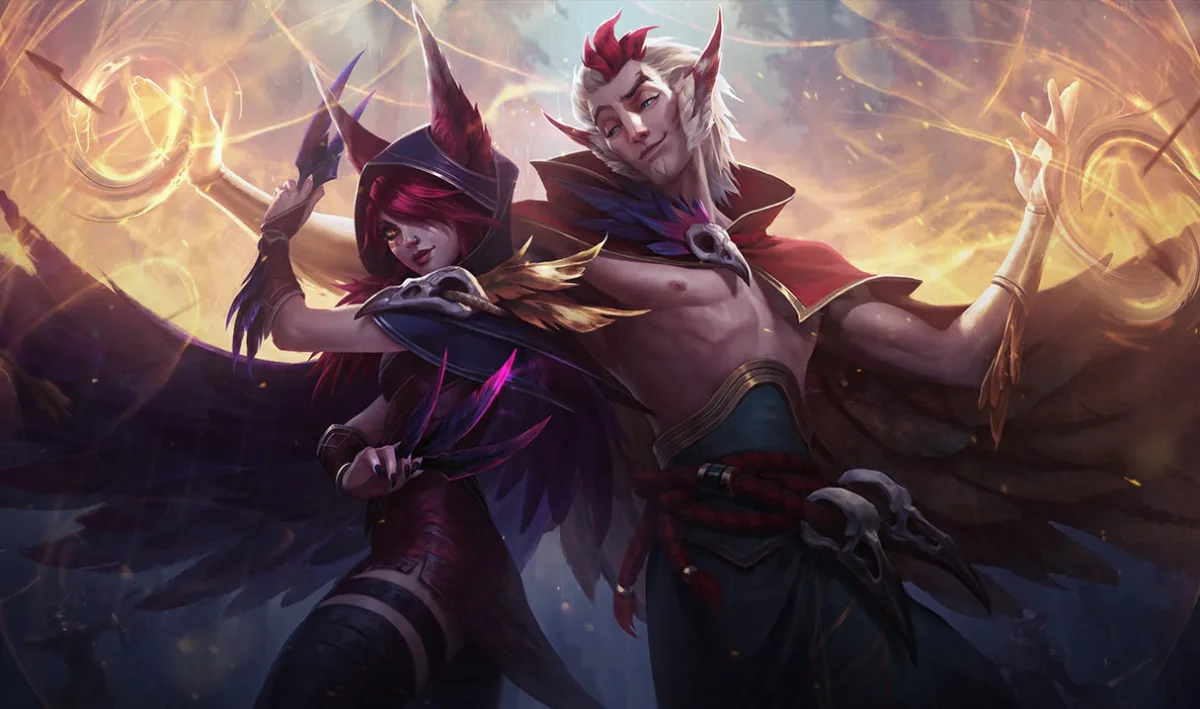
Rakan is not number one because the lore says so. His kit solves every phase of Xayah’s fight. Grand Entrance knocks targets up, The Quickness can charm more than one opponent, Battle Dance lets him retreat through Xayah while shielding her, and Gleaming Quill offers lane sustain after a short trade. When Xayah casts Deadly Plumage near Rakan, he also receives its combat effect. They can even join each other’s recall, turning a safe reset window into synchronized lane tempo.
The clean lane pattern is less romantic and more precise. Rakan approaches from a side angle while Xayah holds Q. When Grand Entrance connects, Xayah casts Q through the landing point, attacks once, then recalls. Rakan should not keep dragging the play forward simply because Battle Dance gives him an escape. If the root lands and the enemy support still has cooldowns, taking the won trade is often better than forcing a kill under the next wave.
Rakan becomes much more valuable after level six. Charm can keep several opponents moving along the same curved route, Grand Entrance stacks another displacement, and Xayah can use Featherstorm to fill the exit with Feathers. The pair does not need every Feather to hit the first champion Rakan touches. It wants the whole fight to fold back across Xayah’s field when Bladecaller is finally pressed.
That flexibility is also the danger. Rakan moves faster than Xayah and can begin a fight from well beyond her immediate damage range. A support player who sees a three-person engage may assume Xayah can follow, while Xayah still has a minion wave, terrain, or an enemy frontliner between her and the target. Pinging the intended target and waiting until Xayah can attack are not optional details.
Pick Rakan when the duo understands the entry signal, when the enemy composition wants to dive, or when the team needs engage that can quickly convert into peel. If the support has barely played him and communication is limited, Nautilus provides a clearer contract.
2. Nautilus is the cleanest solo-queue root factory
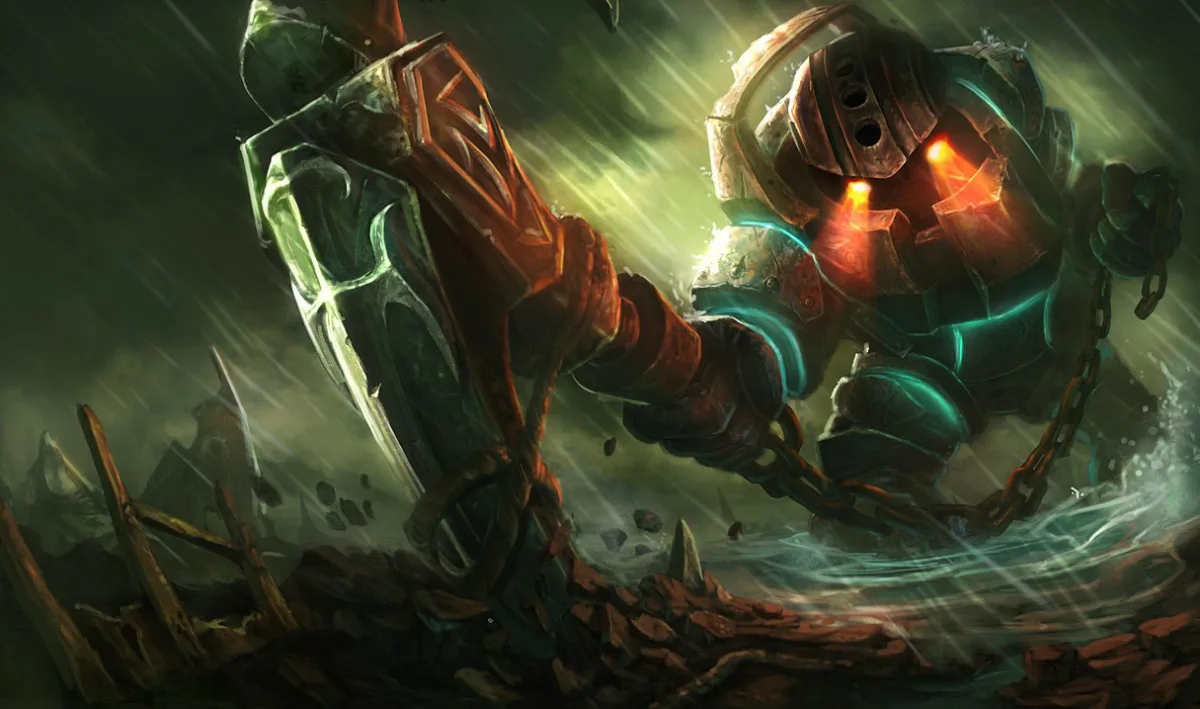
Nautilus is the best recommendation for a solo-queue support who wants the Xayah lane to work immediately. Dredge Line pulls the target and Nautilus together. His first attack against that target roots them. Riptide adds a slow. Depth Charge supplies targeted disruption later. Xayah does not have to predict a half-second opening. She can see the chain unfold and place Feathers during it.
The important choice is what happens after the hook. Nautilus should usually take the passive attack if it is safe, while Xayah aims Q through the target’s new position. Her next basic attack establishes the third line. If the target still has Flash, holding Bladecaller for the attempted exit can be better than recalling immediately into a stationary champion. The moment they Flash, the Feathers pull through the escape path and turn what looked like distance into another root.
Nautilus also lets Xayah defend a wave without surrendering all kill pressure. Standing beside the caster minions threatens a hook through any opening. Xayah can use Clean Cuts to damage the wave and leave Feathers behind it. An opponent who walks forward to punish Nautilus after a missed hook may cross the field Xayah already prepared.
The weakness is obvious enough to matter: a missed Dredge Line exposes both cooldown and intention. Into a ranged lane, throwing speculative hooks through a healthy wave gives the enemy time to push and harass. Nautilus should use brush control, level-up timings, and the threat of the spell before spending it. Xayah can clear, but constant Q usage for the wave drains the resource she needs to punish a real catch.
Choose Nautilus when the team needs a front line or the opposing carry offers a reachable hook angle. In 26.18 he loses 3 base AD and damage on Q ranks two through five. His control still gives Xayah time to place Feathers, but she must deliver the damage instead of expecting his first rotation to finish the target.
3. Thresh lets Xayah place dangerous Feathers and still leave
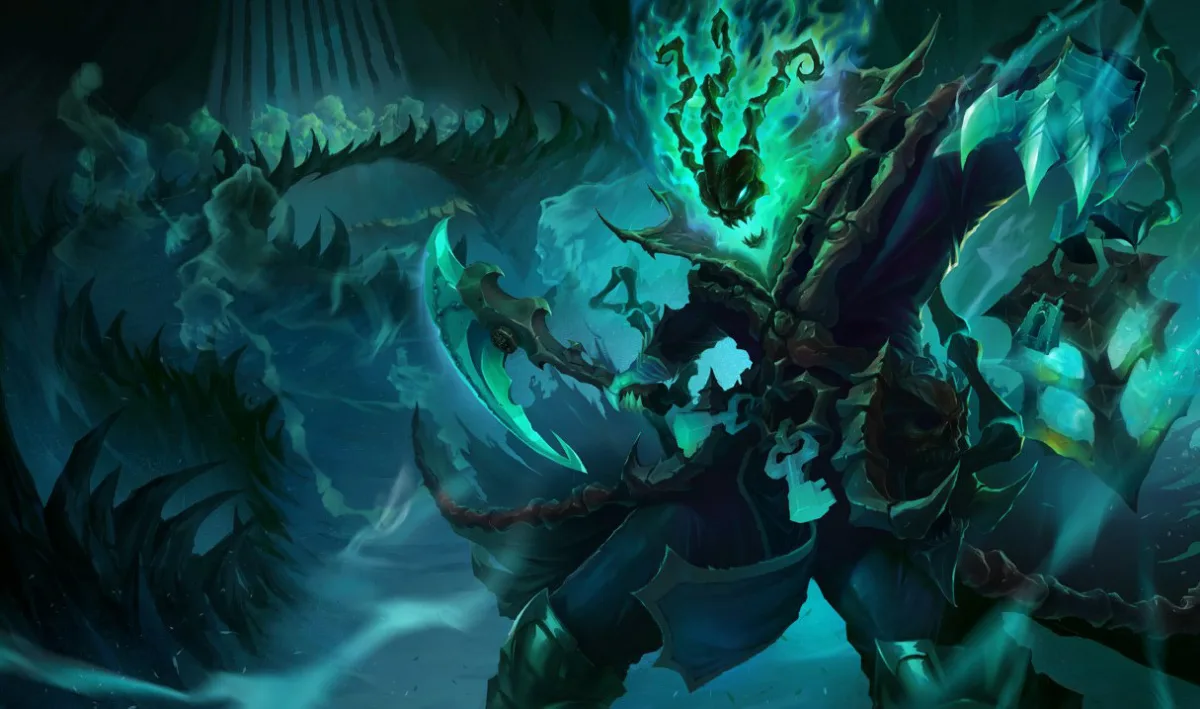
Most Xayah synergy lists reduce Thresh to hook plus root. Death Sentence is useful, but Dark Passage is the reason he stays above other catch supports. Xayah has no basic dash. To place aggressive Feathers, she often has to walk into attack range and trust Featherstorm or Bladecaller to stop the return damage. A lantern gives her a third exit that does not consume either defensive spell.
That changes the lane’s risk budget. Thresh can stand in the river-side brush while Xayah pressures the wave. If the enemy jungler appears behind her, the lantern pulls Xayah out before she has to spend R. If Thresh catches the enemy support, Xayah can step forward for Q and an attack, pull the Feathers, then take the lantern rather than remaining in range of the opposing ADC. Saving Featherstorm today often wins the next fight.
Flay deserves careful timing. Sweeping a target back toward Xayah can preserve the line and extend the trade. Sweeping sideways may move the target away from two planted Feathers. Thresh players should look at the ground before choosing direction, while Xayah players should wait for the displacement to end before committing E. The pair has more tools than Nautilus, but every extra tool adds another possible timing disagreement.
Patch 26.17 lowered Flay’s active damage and AP ratio. It did not remove the displacement, lantern, hook, or slow wall that make the duo work. Treat the change as a small reduction to lane damage, not a reason to discard one of Xayah’s most complete partners.
Thresh is best when the enemy has threatening gank angles, when one saved defensive cooldown will decide a teamfight, or when the support player can control both enemy and ally position. He falls below Nautilus because an average Thresh leaves more value unused, not because the ceiling is lower.
4. Blitzcrank must rebuild the Feather line after every hook
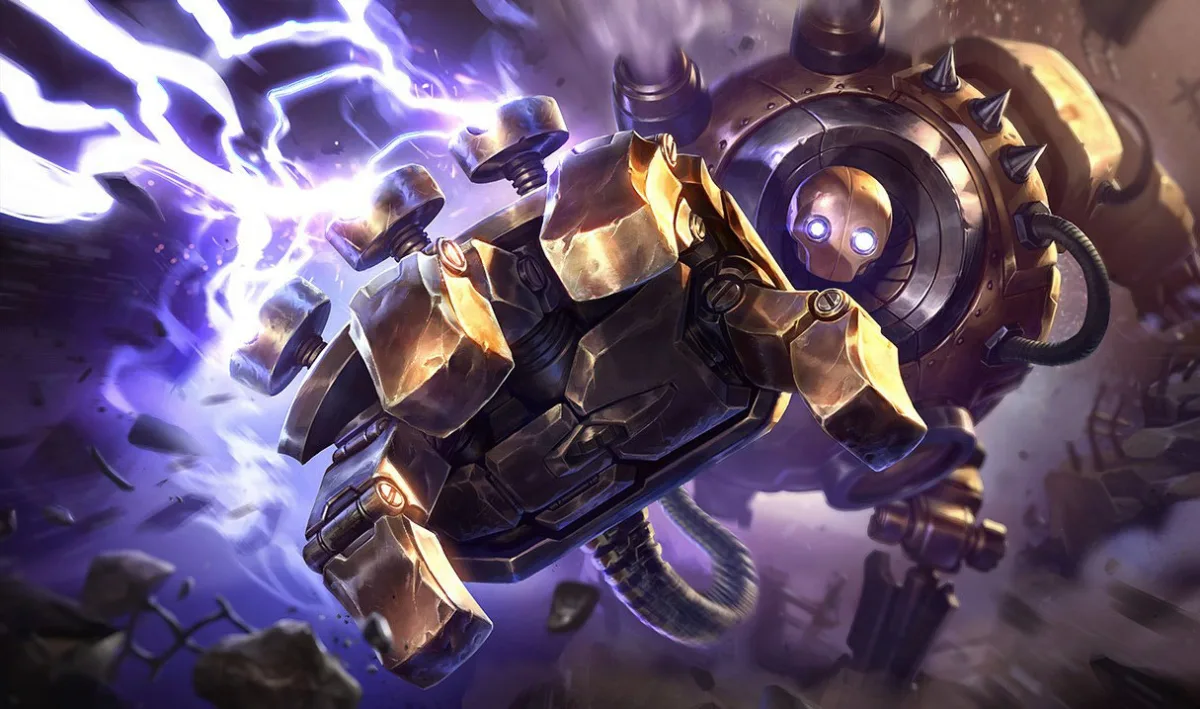
Blitzcrank can erase the range problem that frustrates Xayah. Instead of asking a short-range marksman to walk through poke, Rocket Grab brings the target into a narrow pocket where Xayah can attack. Power Fist keeps them up long enough for Double Daggers and the third Feather. Static Field can remove shields before the pair commits the remaining damage.
The trap is pressing Bladecaller at the old location. A hooked champion travels across the lane while existing Feathers stay on the ground. If Xayah had already placed two behind the target, those lines may no longer intersect after the pull. The reliable response is to let Rocket Grab finish, take one step to create a new angle, then cast Q and attack. The play takes slightly longer, but all three new Feathers belong to the same corridor.
Blitzcrank thrives into fragile poke or enchanter lanes that rely on spacing. He also turns fog around Dragon into a pick threat, giving Xayah time to establish a field before the remaining opponents can contest. Unlike Nautilus, however, he contributes less when the hook misses or the enemy frontliner deliberately stands in front. Xayah can damage tanks, but pulling a durable engage champion onto an immobile carry is often an invitation, not a catch.
The pair needs discipline around the wave. Blitzcrank wants a clear hook lane. Xayah can create one by thinning minions, yet dumping every spell into the wave advertises that the follow-up is unavailable. Freeze near your side when the enemy lacks a safe warding route, or build a slow push and use the stacked wave to punish anyone who tries to fight after a miss.
Pick Blitzcrank when one enemy carry must be displaced, when the opposing lane depends on staying at range, or when vision control will create repeated isolated targets. Check which opponent is likely to stand in the hook line. A bad hook can deliver the exact diver Xayah was trying to keep out.
5. Leona turns one opening into the longest lane commitment
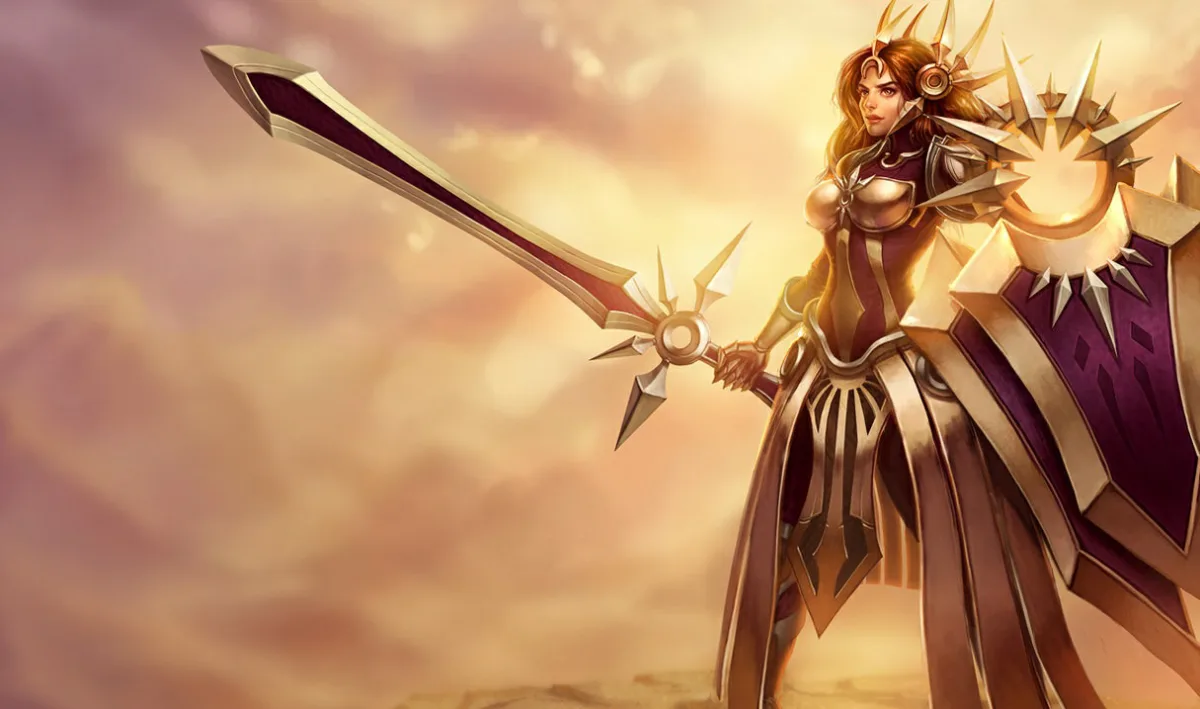
Leona’s appeal is clarity. Zenith Blade reaches the last champion struck and brings Leona into melee range. Shield of Daybreak stuns. Solar Flare adds another area threat after level six. Xayah sees the entry, puts Q through the target, attacks during the stun, and recalls as the target tries to leave.
Sunlight also rewards Xayah for continuing to attack after the first spell, but raw lane damage is not why Leona ranks fifth. Her real value is making the enemy spend movement spells in a predictable direction. A carry who Flashes away from Leona often runs straight through the Feathers Xayah planted behind them. Bladecaller then punishes the escape instead of competing with the support’s initial control.
This duo wants level and wave awareness. An all-in through a larger enemy wave can still lose after every spell hits. Xayah’s Clean Cuts help secure the push toward level two, so the pair should identify the exact minion that grants the advantage and move forward before the opponent can match it. If the moment passes, do not manufacture the same fight under bad conditions.
Leona has no lantern, ally dash, or clean retreat. Once Zenith Blade connects, both champions are committed to the area. That is dangerous into disengage, a nearby jungler, or an enemy bot lane that can turn onto Xayah while Leona is too deep. The pair is strongest when it enters with a health, wave, or cooldown advantage rather than treating crowd control as permission to fight anything.
Lock Leona when the team lacks primary engage and the enemy lane presents a clear target. Prefer Alistar when the larger problem is keeping assassins and divers away from Xayah after lane.
6. Alistar can start the fight or save the Feather field

Alistar offers two different lanes in one champion. Against a fragile target, Headbutt into Pulverize creates an obvious knock-up window for Q, attack, and Bladecaller. Against a melee engager, he can wait. Pulverize stops the first entry, Headbutt removes a diver from Xayah, and Trample threatens another stun if the fight continues.
The second mode is often more valuable. Xayah wants enemies to walk toward her through planted Feathers. An opposing Nautilus, Leona, or assassin may oblige. Alistar can let the diver cross the field, knock them up when Xayah is ready to pull, then save Headbutt for the second champion. That layering can preserve Featherstorm for a later burst spell instead of spending it at the first sign of danger.
Headbutt direction is the pair’s mechanical tax. Knocking a target sideways or away before Bladecaller can move them out of every return line. The support should either complete the Headbutt and Pulverize sequence before Xayah establishes Q, or hold Headbutt until after E. Xayah, in turn, should not recall while the target is still travelling.
Triumphant Roar adds sustain in lanes where neither side can force a clean all-in, and Unbreakable Will lets Alistar remain between Xayah and the enemy team during long fights. He does less to pressure ranged lanes before he finds an angle, and he cannot pull a target out from behind a wave. Choose him when stopping the enemy entry matters more than forcing your own.
Choose Alistar into dive, when your draft needs a durable front line, or when you want one support who can change jobs after champion select. He is the safest top-eight pick when the enemy’s plan is to run at Xayah rather than kite away from her.
7. Milio is the best enchanter when Xayah already has a front line
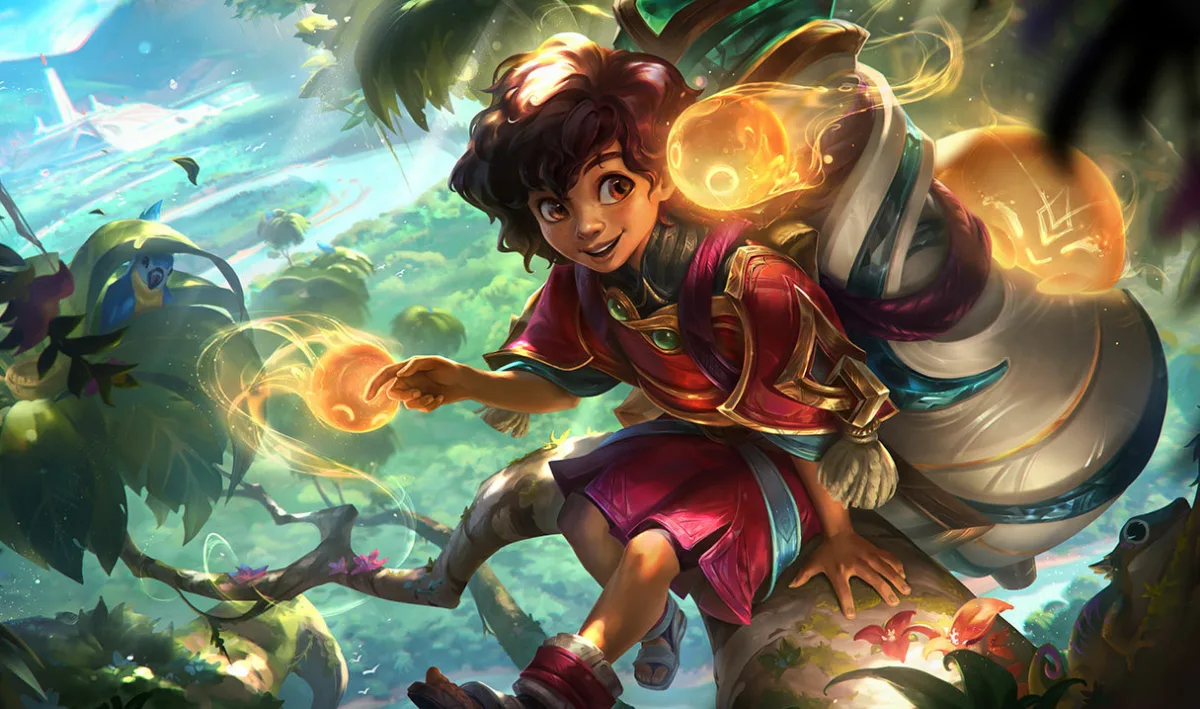
Milio does not hand Xayah a stationary target. He gives her more time and range to build the answer herself. Cozy Campfire increases attack range for allies inside it, which helps Xayah place Feathers without taking the same amount of return fire. Warm Hugs supplies shielding and movement speed. Ultra Mega Fire Kick knocks back an approaching enemy, and Breath of Life heals and removes crowd control from allies in range.
That package matters because Xayah’s ultimate is a defensive resource as much as an offensive Feather generator. If Milio can remove the control spell that would otherwise force Featherstorm, Xayah enters the next threat with R still available. If his kick interrupts a diver, she can keep attacking and lay another Feather instead of immediately recalling a weak field.
The lane should not imitate Nautilus. Milio has no reason to force a root from neutral ground. Use the extra range to take controlled attacks, keep two or three useful Feathers behind the enemy’s last-hit position, and threaten Bladecaller when they step into the line. Fired Up adds damage after Milio touches Xayah with an ability, but the trade wins through spacing and repetition rather than one all-in.
Milio becomes a poor choice when the rest of the draft has no front line or reliable start button. Xayah can protect herself from one dive, yet she cannot create every teamfight while also remaining the main damage source. The duo is also vulnerable when both champions are caught in the same area before Breath of Life can be used.
Pick Milio when the team already supplies engage and Xayah needs range or relief from removable crowd control. He protects the time she needs to attack; he does not set up Bladecaller as directly as a tank who holds the target still.
8. Nami stretches short trades until three Feathers matter
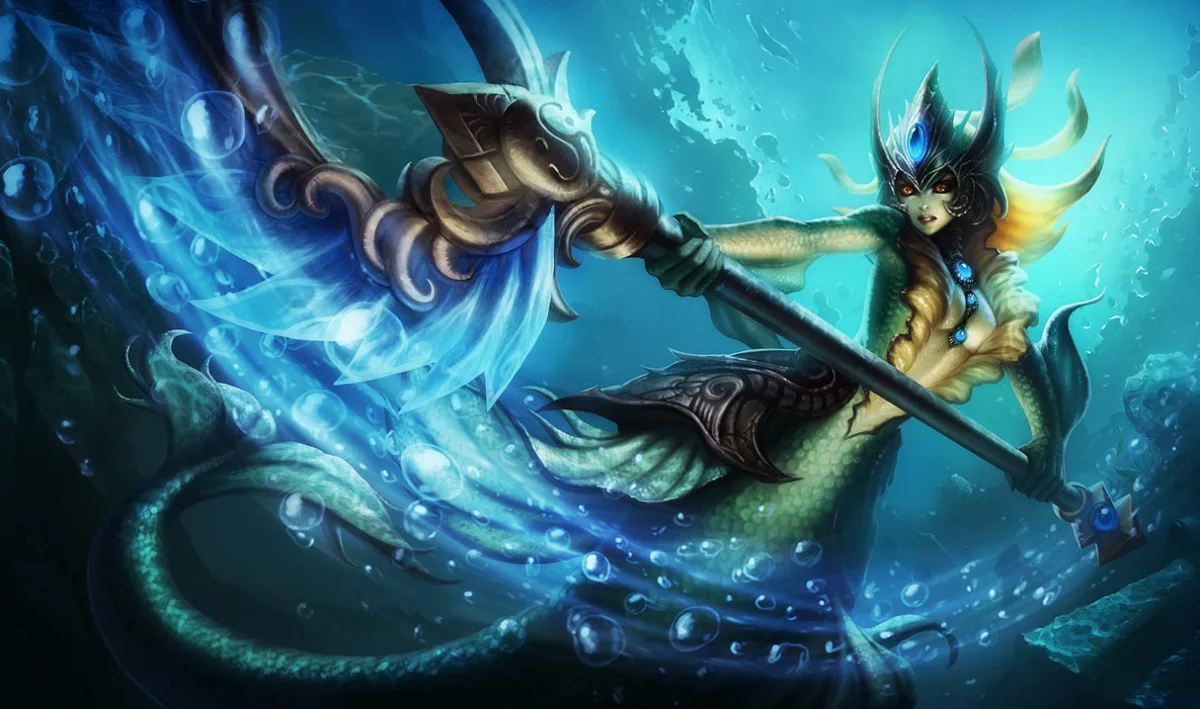
Nami is the more proactive enchanter option. Tidecaller’s Blessing empowers an ally’s attacks and spells with extra damage and a slow. On Xayah, that slow makes the next attack easier to land and gives the target less freedom to step outside the return angle. Surging Tides grants movement speed when Nami’s abilities hit an ally, helping Xayah adjust sideways before recalling.
The lane sequence should begin with the easy spell, not the highlight spell. Nami can place E on Xayah, let an attack apply the slow, and then aim Aqua Prison at a target whose movement is restricted. Xayah uses that time for Q and another attack. Throwing an unsupported bubble at full-speed opponents burns the duo’s best opening tool and leaves a fragile lane exposed.
Ebb and Flow keeps Xayah healthy enough to contest repeated trades, while Tidal Wave creates a long approach or disengage line after level six. The wave’s knock-up and slow also give Xayah space to spread Feathers across an advancing team. Unlike Milio, Nami can contribute to the initial control chain from range, which makes her better when the lane must create pressure rather than merely survive it.
The cost is durability. If Leona, Nautilus, or a jungle diver reaches both champions, Nami may not have enough time to peel and heal before Xayah is forced into Featherstorm. The duo also lacks a true frontliner later. It works best when the rest of the composition already has someone willing to occupy the space in front of Xayah.
Choose Nami for a flexible lane that can poke, sustain, and punish one slowed step. Choose Milio instead when cleansing crowd control and extending attack range are the larger teamfight needs.
Play the lane by Feather count, level, and wave position
Champion synergy disappears if the pair fights at the wrong time. Xayah’s lane plan should change as her tools and the minion wave change.
Before level two: build the first real threat
Use Clean Cuts through the wave to secure minions and create a level-two advantage, but avoid shoving without purpose. Rakan, Nautilus, Blitzcrank, Leona, and Alistar gain meaningful all-in tools with the second spell. Move forward as the decisive minion is about to die so the support can threaten immediately. If the enemy reaches level two first, concede the step rather than proving that the duo has good spells from a losing position.
With Q and E: count to three before recalling
The fastest fresh setup is Q, one empowered basic attack, then E. Support control buys the cast and attack. Do not let the animation of a hook or stun trick you into pressing Bladecaller after only the two Q Feathers. If older Feathers already create a line, the root can come sooner, but the ground has to confirm it.
Also watch displacement order. Wait until a Blitzcrank hook, Thresh Flay, or Alistar Headbutt finishes before choosing the return angle. Feathers remember the ground, not the support’s intention.
On a frozen wave: threaten more than you cast
A freeze near Xayah’s tower forces the enemy to walk farther through potential Feather lines. Hook supports gain room behind the target, Leona gains chase distance, and Rakan has a safer ally to dash back toward. Holding the engage spell can deny several minions. A low-percentage cast that misses may release all that pressure.
On a slow push: fight with the wave, then reset together
A stacked allied wave adds damage and can block enemy skillshots. Your own minions do not block Blitzcrank’s or Nautilus’s hook; the enemy minions do. Check that enemy collision line before using the push to threaten a catch. Then crash, take a safe plate or ward, and recall when the wave allows it. Rakan and Xayah’s joined recall is useful only if they leave in time.
After level six: decide whether Featherstorm is bait or follow-up
Against dive, hold Featherstorm until the enemy commits a spell that matters. Rakan, Alistar, Thresh, or Milio can handle the first layer. Xayah can then become untargetable through the second threat and drop a fresh fan of Feathers into the path behind her.
When the duo is starting the fight, Featherstorm can follow an area setup from Rakan, Leona, or Nami. The goal is not to cast R because several champions are visible. It is to create a fan that the retreating team must cross when Bladecaller pulls everything back.
Pick the support for the problem in champion select
The number-one ranking should not erase draft context. Use this shorter selector when the lobby gives you more information than a generic list can.
- Little communication or an autofilled support: Nautilus has the clearest first contact and simplest follow-up window.
- A practiced duo that wants engage and peel: Rakan offers the most complete package and the most Xayah-specific interactions.
- Enemy jungle pressure or dangerous side angles: Thresh’s lantern can save both Featherstorm and a summoner spell.
- A fragile poke or enchanter lane: Blitzcrank can bypass the range contest by bringing one target into Xayah’s corridor.
- Your team has no primary engage: Leona supplies the most direct start, while Nautilus provides more targeted insurance.
- The enemy drafted assassins or melee dive: Alistar can stay beside Xayah and make the enemy enter her Feather field on bad terms.
- Your team already has a front line and the enemy has layered crowd control: Milio protects Xayah’s defensive clock and extends her attack range.
- You need sustain without surrendering lane pressure: Nami turns one slowed attack into a longer, controllable trade.
If the unresolved choice is the marksman rather than Xayah’s partner, compare the lane demands in our easiest ADCs guide before asking a support pick to solve the wrong problem.
Good Xayah supports that missed the top eight
Morgana can protect Xayah from a key crowd-control spell with Black Shield and extend a catch with Dark Binding. The pair is comfortable into predictable engage, but Binding does not offer the same reliability as targeted or close-range control, and Morgana does not become the front line Xayah often wants in five-on-five fights.
Do not treat these omissions as bans. A support player’s mastery and the enemy draft can easily make Rell, Braum, or Morgana better than an unfamiliar top-eight champion.
Frequently asked questions
Is Rakan always the best support for Xayah?
Rakan is the best complete partner, but not the automatic best pick in every lobby. Nautilus is easier to coordinate in solo queue, Alistar is better when the only job is stopping dive, and Milio can be more valuable when the allied team already has engage but needs a cleanse. An inexperienced Rakan should not be selected purely for the duo theme.
What is the easiest support to play with Xayah?
Nautilus gives Xayah the most readable setup. A hook, passive root, slow, and targeted ultimate create several clear moments for Q, one basic attack, then Bladecaller. Leona is similarly direct, but her all-ins offer less room to retreat if the first target does not die.
Does Xayah need an engage support?
No, but she usually needs either target control or extra time. Engage tanks create the three-Feather window directly. Milio and Nami create it through range, movement, slows, sustain, shielding, or crowd-control protection. An enchanter lane works best when another teammate can front-line later.
How does Xayah get a fast Bladecaller root?
Cast Double Daggers through the target to place two Feathers, use the Clean Cuts empowerment from that cast to place a third with a basic attack, then activate Bladecaller when all three return paths cross the target. If a support is moving the enemy, wait for that displacement to finish before choosing the line.
Who is the best Xayah support for solo queue?
Nautilus is the safest general recommendation because his control is obvious and his teamfight job remains useful without voice communication. Rakan has the higher all-around partnership ceiling, while Thresh offers the best recovery tools when the lane or jungle path becomes messy.
The final lock should solve a fight, not complete a couple
Choose Rakan when the duo can coordinate his entry and Xayah’s Feather angle. Choose Nautilus when the lane needs a simpler promise: catch one target, keep them still, and let Xayah count to three. Thresh protects aggressive positioning, Blitzcrank breaks range, Leona commits, Alistar repels dive, Milio preserves defensive cooldowns, and Nami extends the trade.
The right support does not merely stand beside Xayah. It controls where the enemy can move between the first Feather and the recall. Solve that line in champion select, and Bladecaller stops feeling like a lucky root.