
An ADC ranking can look correct and still be useless. A win-rate column does not tell you whether your support can hold space, whether the enemy front line gives you a safe target, or whether one won fight becomes Baron.
On Patch 26.17, Jinx is our best all-around carry. Tristana is the sharper choice when the lane can be converted into plates and towers, while Twitch punishes teams that move through fog as if he were still showing bot. Sivir, Xayah, Caitlyn, Jhin, and Yunara follow because each solves a narrower draft or execution problem.
Best ADC tier list for patch 26.17
| Rank | Champion | Tier | Best reason to pick | Main drawback |
|---|---|---|---|---|
| 1 | Jinx | S | Safest all-purpose teamfight carry | Needs protection before her first reset |
| 2 | Tristana | S | Strong lane conversion and tower pressure | A bad Rocket Jump loses the fight |
| 3 | Twitch | S | Can attack fights from unexpected angles | Weak lanes can delay his first real spike |
| 4 | Sivir | A | Fast wave control and easy front-to-back fights | Short range makes neutral ground awkward |
| 5 | Xayah | A | Best self-defense into dive-heavy teams | Long-range lanes can keep her away from fights |
| 6 | Caitlyn | A | Lane control, range, and trap-based sieges | Must turn pressure into plates, towers, or dragons |
| 7 | Jhin | A | Reliable pick setup and useful low-economy games | Poor sustained damage into multiple tanks |
| 8 | Yunara | A | High sustained damage with a flexible empowered state | Needs careful spacing and protection while scaling |
If you want one recommendation without studying the draft, pick Jinx. If you want to force the lane, pick Tristana. If you already understand wave control and flank timing, Twitch has the nastiest solo queue punish pattern of the three.
What moves an ADC up this list
We reviewed Riot’s patch 26.17 notes, Riot’s current champion data, and public patch 26.17 tracking pages on August 30, 2026. The stat pages were used as a temperature check, not copied into a mathematical ranking. Their filters, sample sizes, and tier formulas differ, and a new patch snapshot can move quickly.
Our order favors five practical questions:
- Can the ADC reach targets in an ordinary solo queue fight?
- Can the pick survive or stabilize a bad support matchup?
- Does the champion provide something useful before full build?
- How easily does a won fight become an objective?
- How narrow is the draft or mechanical requirement?
Patch 26.17 directly changed Vayne and Stormrazor among the most relevant standard ADC topics. Riot said the Vayne adjustments were aimed more at top lane than bot lane, while Stormrazor gained attack speed. That item buff is worth watching, but one item change is not enough to put every possible user into S tier. Vayne remains playable, especially into durable frontlines, but her short range and uneven lane keep her outside this top eight for general solo queue use.
Why Kai'Sa, Ashe, and Zeri missed the top eight
Kai'Sa is strong enough to appear in the S tier on current public trackers, but she is more draft-dependent than the general recommendations above. Her short basic-attack range and need for reliable back-line access make her far easier to justify when the team already supplies engage, mixed damage, or isolated targets.
Ashe offers exceptional vision and engage utility, and a practiced Ashe player can reasonably choose her over Jhin or Caitlyn. We left her just outside the list because her immobility is punishing in uncoordinated games and her sustained damage plan becomes uncomfortable when the team cannot protect one firing position.
Zeri has the ceiling to take over long fights, but she carries the highest movement and spacing burden of the near misses. She also benefits heavily from enchanter protection and room to kite. That makes her a powerful specialist pick rather than one of our eight broadest solo queue recommendations.
These are deliberate editorial omissions, not claims that the champions are weak. Current tier pages can rank all three highly because their formulas weight live results differently from our five practical criteria.
1. Jinx: the best overall ADC
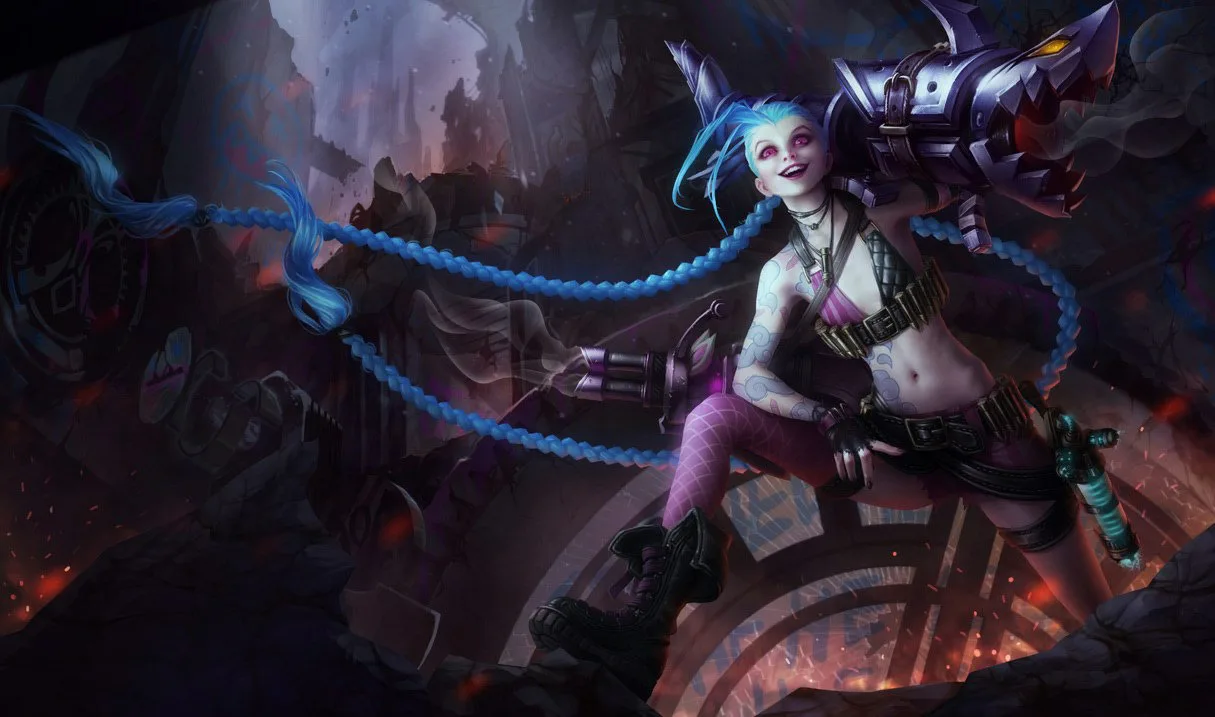
Jinx is the easiest first pick to justify on this patch. She has safe farming tools, strong objective damage, a global finisher, and the best cleanup pattern in this group. Once Get Excited! triggers, her extra movement and attack speed can turn a single takedown into a chase, a tower, or another kill.
Her lane is about choosing the right weapon. Use rockets to secure a minion or punish grouped opponents when you can avoid an unfavorable return trade. Use the minigun when you have room to stack attack speed and hit the wave or a committed target. Burning mana on every ranged last hit leaves Jinx unable to contest the next push, so the weapon swap should solve a specific problem.
Jinx likes supports who keep enemies at a usable distance. Lulu and Milio protect her while she ramps up. Thresh gives her both pick threat and an escape route. An engage support also works when the rest of the team has peel, but a full dive composition can leave Jinx alone after the first round of spells.
Long-range poke lanes can make the first ten minutes uncomfortable. Hard engage is dangerous when Flame Chompers are down. Against assassins, do not stand at maximum rocket range from your own frontline and assume that distance equals safety. Stand where your support can answer the dive, then hit the closest safe target until a reset opens the fight.
Jinx suits players who want a straightforward carry with huge teamfight payoff and enough range to learn good positioning. Her most common throw starts after the reset: Get Excited! gives her permission to reposition aggressively, not to run through unwarded terrain beyond her frontline.
2. Tristana: the best ADC for forcing a lead
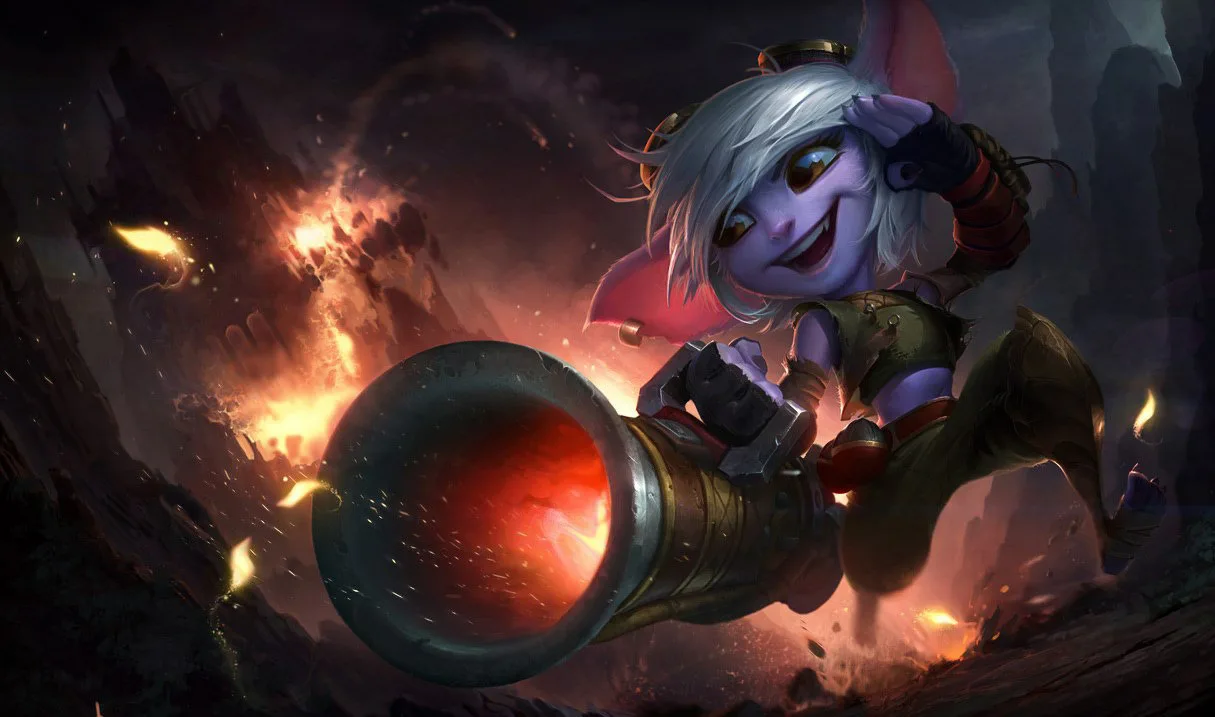
Tristana turns small lane advantages into permanent map damage. Explosive Charge helps her punish a caught target and tear down structures, while her passive increases attack range as the game goes on. She can play for early kills without becoming irrelevant if the game slows down.
The catch is Rocket Jump. Its reset makes Tristana look safer than she is. Jumping forward before the enemy uses crowd control often gives them a stationary landing point to punish. In most fights, start with basic attacks and Explosive Charge. Use Rocket Jump after the enemy commits, after the charge is ready to finish, or when a reset is nearly guaranteed.
Nautilus, Leona, and Rell can hold a target still long enough for Tristana to stack her bomb. Enchanters offer a calmer route into late game and let her use her scaling range. Both pairings work, but they demand different lane plans. With engage, threaten the all-in when the enemy burns a defensive spell. With an enchanter, push only when you know where the enemy jungler is and take controlled trades around your support’s cooldowns.
Disengage supports and exhaust effects can ruin the first burst. Champions that deny the bomb window or punish her landing point also make blind jumps expensive. Buster Shot is not only a damage button. Save it to remove a diver, split a target from the enemy team, or buy enough time to finish Explosive Charge.
Pick Tristana if you track cooldowns and want agency in lane, on towers, and around early skirmishes. The dangerous habit is jumping simply because the ability is available. A reset does not help if the first landing point sits inside every enemy spell.
3. Twitch: the best solo queue ambusher
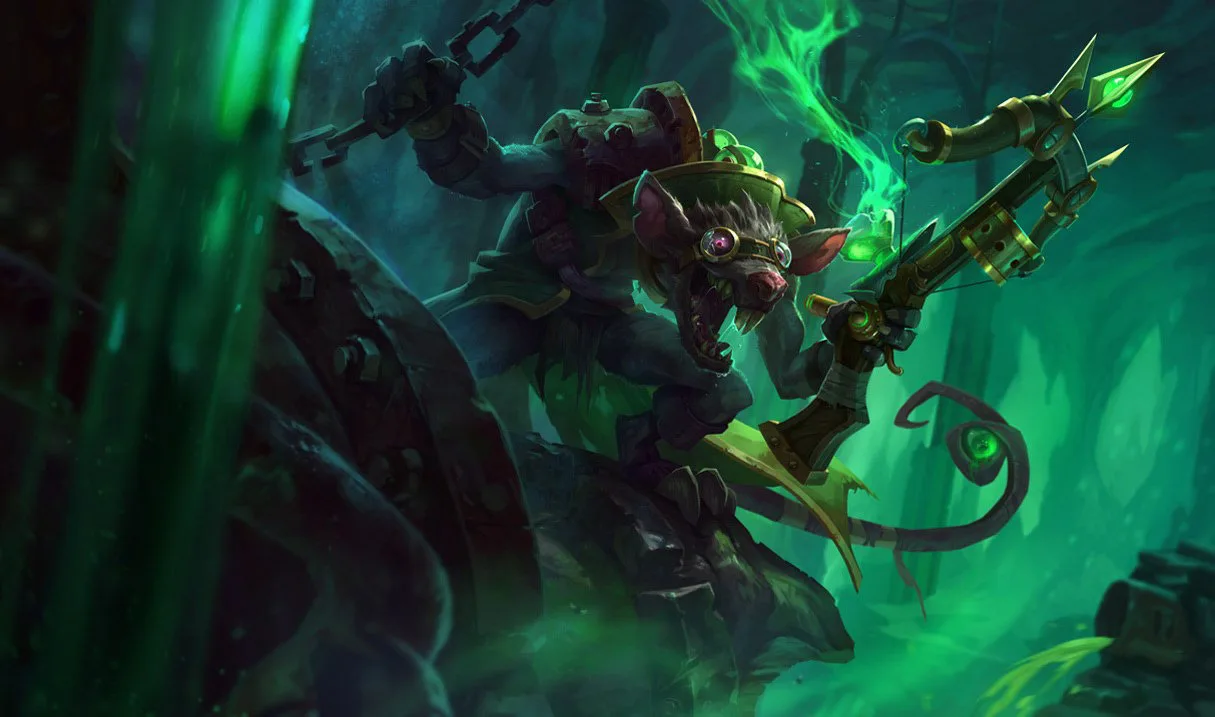
Twitch changes how opponents are allowed to move. When he disappears, a mid laner walking through river or a support clearing a ward has to respect a possible Ambush angle. That pressure exists even when Twitch stays in lane. Few ADCs create the same amount of uncertainty from fog of war.
His lane is weaker than his later fights, so the first goal is not to manufacture a kill on every wave. Protect health, collect farm, and use Venom Cask plus Contaminate when the trade is favorable. Opening from camouflage in the middle of both enemy laners is rarely worth it unless your support has already created the opening.
Lulu and Milio give Twitch the time and range support he needs during Spray and Pray. Yuumi can move with his camouflage and strengthen his flank, though the lane can be punishable before both champions scale. Engage supports offer a different plan: lock one target, let Twitch stack poison, then use the Ambush reset to change the next angle.
Caitlyn and other pressure lanes can pin Twitch under his turret. Control wards and disciplined grouping reduce his surprise factor later. When the enemy has multiple gap closers, do not open from the closest flank. A side angle that still keeps your frontline between you and the divers is usually stronger than appearing directly behind five opponents.
Twitch rewards patient players who understand vision, side angles, and the difference between an ambush and an unsupported flank. Camouflage is not invulnerability: opponents can predict the route, sweep likely entrances, and collapse before he fires.
4. Sivir: the best ADC for wave control
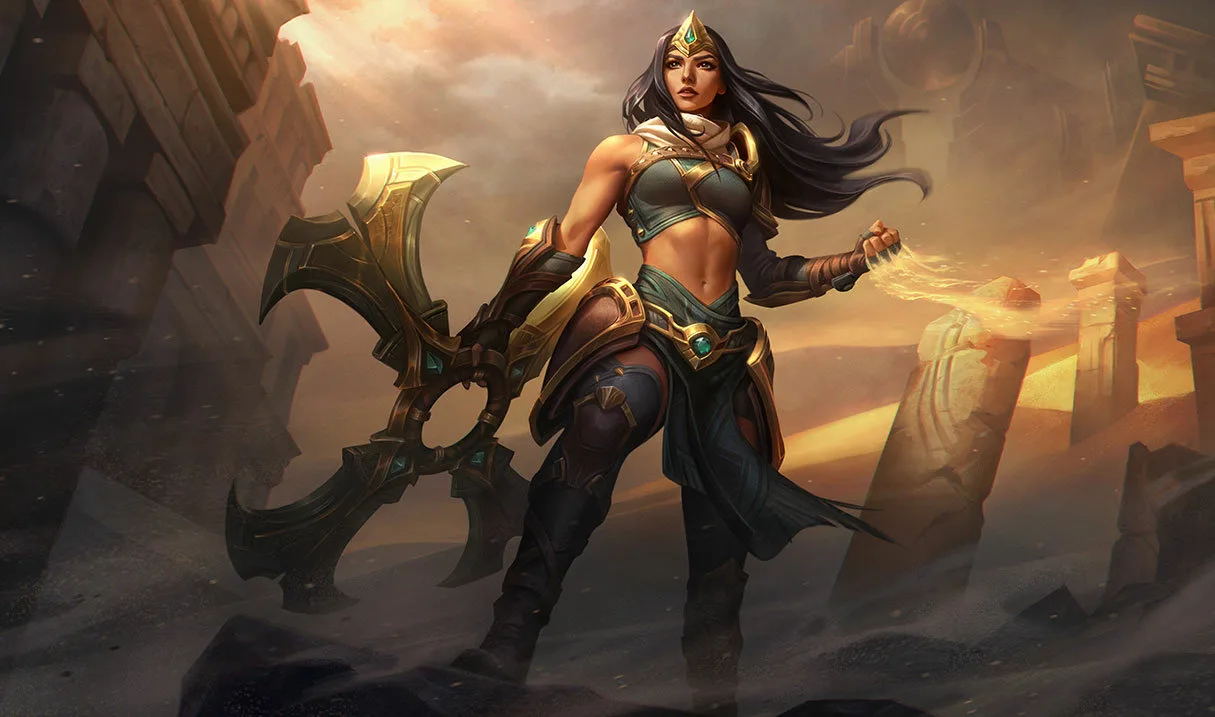
Sivir is the cleanest answer when your team needs waves handled quickly. Boomerang Blade and Ricochet let her gain lane priority, defend a weak map state, or clear mid before an objective. On the Hunt then gives the whole team a direct way to start, chase, or disengage.
Her range is the tradeoff. Sivir can delete a wave from a safe setup, but she often has to step closer than Jinx, Caitlyn, or Jhin to damage champions. Good Sivir play is not permanent aggression. It is creating a short window with wave control, moving first, and fighting from a position where Ricochet can reach useful targets.
Karma helps Sivir own the push and rotate first. Lulu protects her during extended front-to-back fights. Rakan can turn On the Hunt movement speed into a clean engage. Sivir also fits teams with bruisers who need help reaching the enemy backline, even if her own lane pairing is not perfect.
Spell Shield is strongest against one obvious, high-impact ability. It is less reliable into lanes that can remove it with a cheap spell before using their real engage. Hold it for the ability that decides the trade instead of pressing it as soon as any projectile appears. Against long-range carries, do not spend half your health trying to force champion damage. Clear, move, and make them answer the next wave.
Sivir makes the most sense for a macro-minded player who values wave priority, fast rotations, and a simple teamfight plan. Do not use every cooldown on the wave without tracking the enemy jungler. A fast push creates tempo only when you can safely spend it.
5. Xayah: the best anti-dive ADC
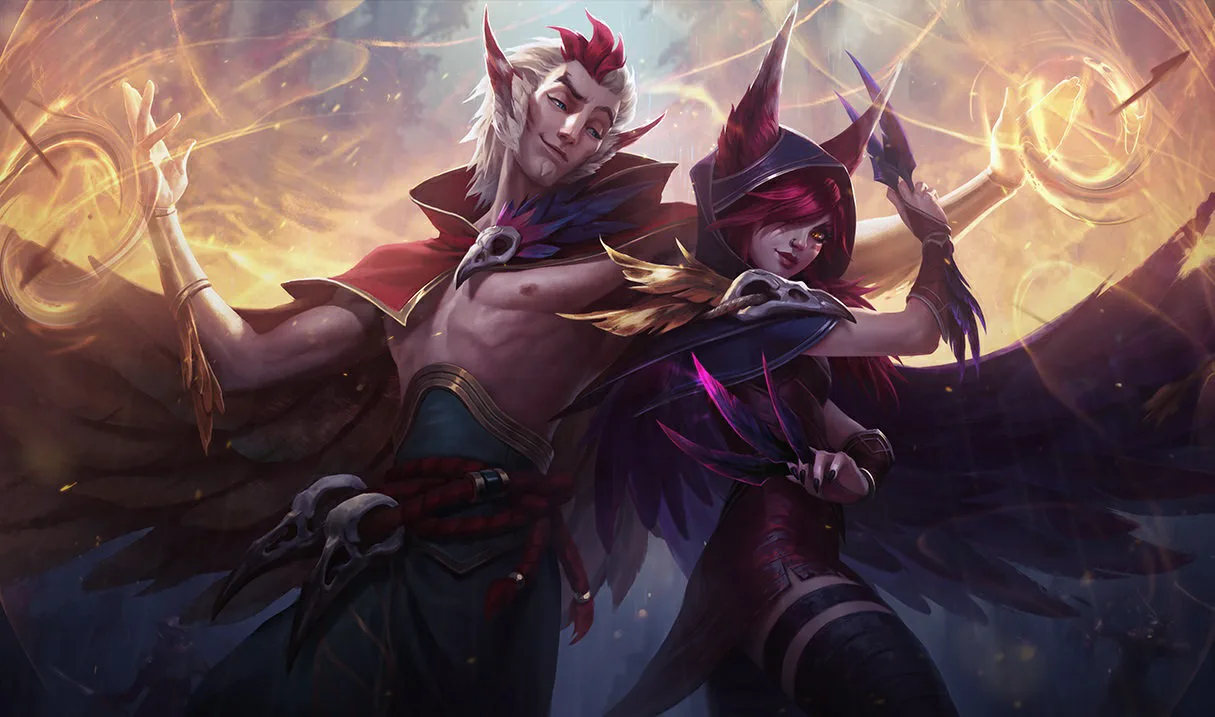
Xayah is the draft answer when the enemy team wants to run straight at the ADC. Featherstorm makes her untargetable, and Bladecaller can root champions that chase through a prepared feather line. That combination gives her defensive control most marksmen have to borrow from a support.
The lane revolves around feather geometry. Use basic attacks after abilities to leave feathers through the wave, then stand so the enemy must cross those lines to trade. A root requires planning. Firing Double Daggers and instantly pulling the feathers rarely creates the same threat as holding Bladecaller until the opponent commits.
Rakan is the obvious partner because their kits and timings work well together. Other engage supports are also good because immobilized targets are easier to line up for feather pulls. Enchanters can work into dive, but the team may lack a clean way to start fights if every other role also drafted for scaling.
Xayah is less comfortable when the enemy wins without entering her feather field. Artillery, long-range marksmen, and disengage can make her walk forward before she has a safe setup. In those games, do not waste Featherstorm for a small amount of damage. Its untargetability is your permission to keep dealing damage after the enemy starts the fight.
Choose Xayah when reactive outplays and control over your own survival matter more than maximum range. Keep the feathers threatening while the enemy engage is available; recalling them for a small poke hit can surrender the root that would have stopped the dive.
6. Caitlyn: the best lane control ADC
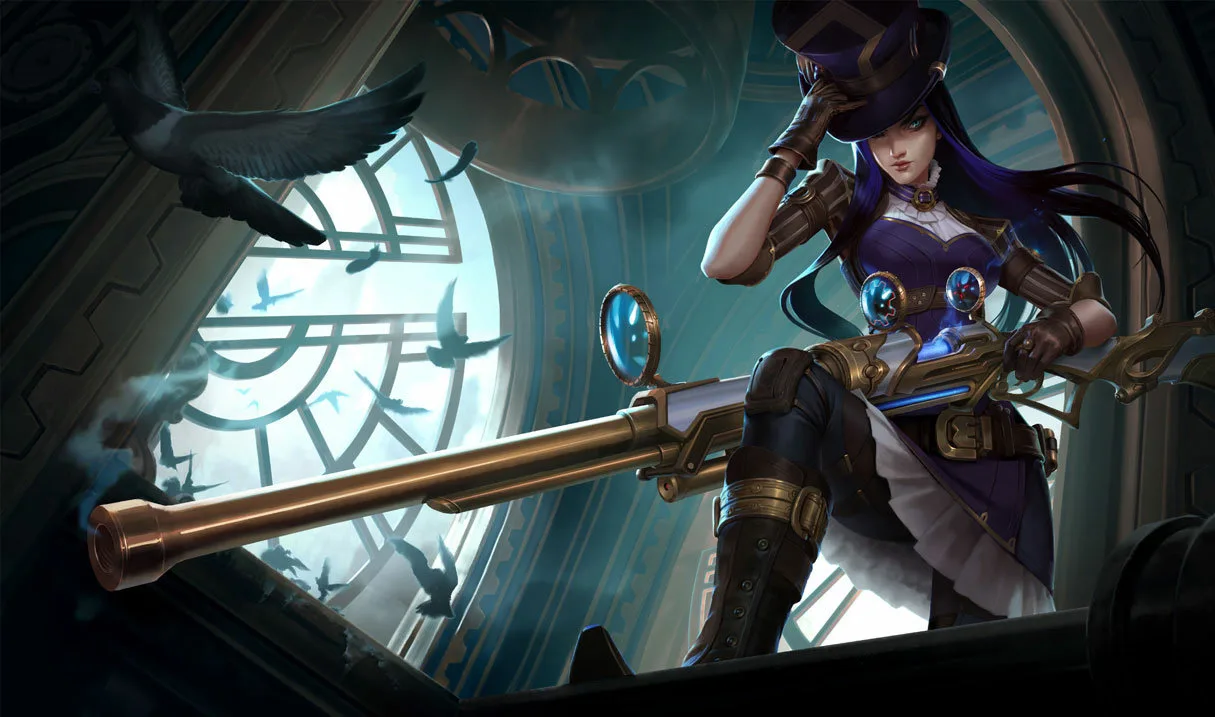
Caitlyn wins space. Her attack range lets her contest last hits, Yordle Snap Traps punish predictable movement, and Piltover Peacemaker helps maintain pressure. She is especially good when the team wants early dragon control or a fast first turret.
That pressure needs a destination. Pushing ten waves without taking a plate, denying farm, securing vision, or moving first gives the enemy a free lane under turret. Caitlyn players should plan the next action before the wave crashes. Place traps on common routes, hit the structure when it is safe, or leave the lane briefly to establish river control.
Lux, Morgana, and Karma all help Caitlyn control the wave and convert crowd control into a trap combo. Thresh offers more protection against ganks and can set traps under hooked targets. With a passive support, Caitlyn can still farm safely, but her strongest early advantage may disappear.
Hard engage is dangerous when 90 Caliber Net is down. Sustain lanes can also absorb careless poke until Caitlyn runs low on mana. In teamfights, do not walk past your frontline to place a clever trap. Use traps around entrances, stasis targets, allied crowd control, and the path an enemy diver must take.
Caitlyn fits disciplined lane players who enjoy range management, pushing advantages, and setting up objectives. A pushed lane is not automatically a won lane. The pressure matters only when it costs the opponent farm or gives your team plates, vision, a rotation, or an objective.
7. Jhin: the best utility marksman
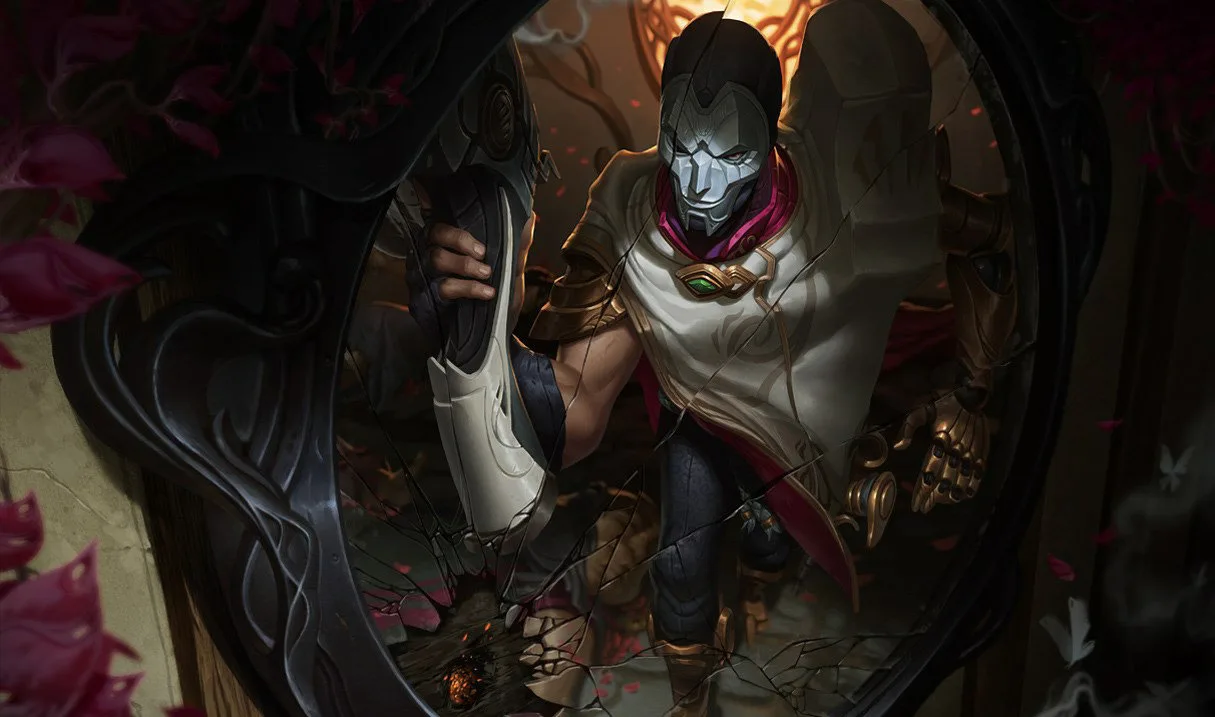
Jhin is the pick when your team needs reach and setup more than maximum sustained damage. Deadly Flourish can root a target damaged by Jhin or his allies, Captive Audience controls narrow paths, and Curtain Call starts a fight from outside normal attack range. He stays useful even when lane gold is not perfect.
His fixed firing pattern makes every trade readable. Walk up with the fourth shot ready, use it when the opponent is committed to a last hit, then use the movement burst to leave. Do not empty all four shots into the wave right before your support finds an engage. Jhin’s reload window can turn a good hook into a lost trade.
Xerath and Zyra create long-range poke and easy marks for Deadly Flourish. Nami adds sustain and lets Jhin take sharp short trades. Thresh gives him pick pressure and protection. Jhin works best when teammates can start or extend a catch, not when four players expect him to chew through the enemy frontline alone.
Multiple armor-stacking tanks expose his low sustained attack frequency. Fast divers can also cross the distance before he finishes Curtain Call. Use the ultimate to open a fight, slow a fleeing target, or finish a won skirmish. Channeling it beside an unwarded flank while the enemy assassin is missing is an invitation.
Jhin is for players who prefer deliberate shots, pick compositions, and contributing through crowd control as well as damage. Check the full draft before locking him: his utility does not replace a plan for an armor-stacking frontline.
8. Yunara: the best scaling specialist in the top eight
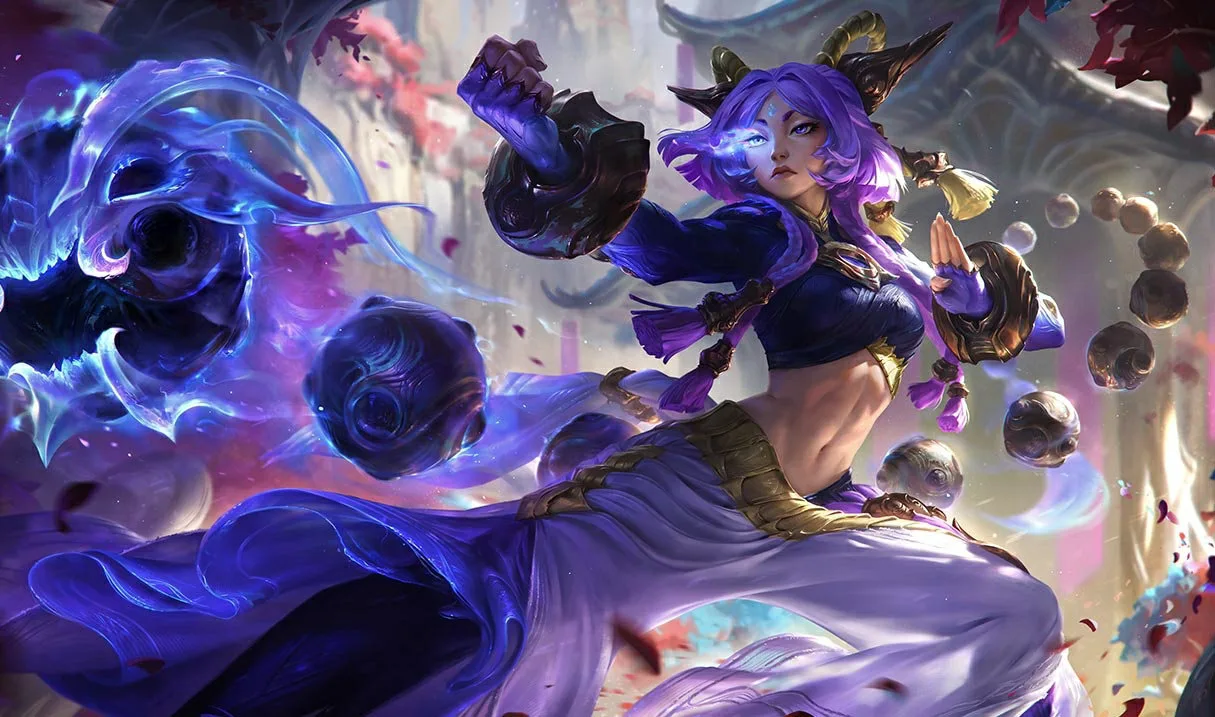
Yunara rewards players who can stay calm until the fight reaches the right range. Her passive adds magic damage to critical strikes, Cultivation of Spirit strengthens her attacks and spreads damage to nearby enemies, and Transcend One’s Self upgrades her basic abilities. In the empowered state, she gains stronger tools for reaching and repositioning around a fight.
Her lane plan is controlled scaling. Use the bouncing attacks when they can pressure both the wave and enemy champions without forcing you into a bad position. Keep track of which state your abilities are in before contesting. The empowered versions create different movement and damage options, so entering a river fight with no plan for that timing wastes much of the kit.
Lulu and Milio give Yunara space to keep attacking. Braum can work when repeated attacks help stack his passive on a committed target. She appreciates a frontline more than a second fragile damage dealer, especially while the player is still learning the range and pace of her empowered abilities.
Early all-in lanes can punish her before she has room to scale. Long-range pressure also forces careful health management. Do not solve every difficult lane by permanently pushing. A smaller wave near your turret gives you more distance to react to engage and makes the enemy lane expose itself to ganks.
Yunara rewards players who enjoy scaling marksmen, state management, and sustained fights rather than one-button burst. The empowered state is wasted without target access, so wait until the fight has committed enough for the upgraded abilities to influence more than the nearest tank.
How to choose the right ADC for your support and matchup
Champion strength matters, but the lane is still a two-player system. Start with the support’s job, then choose an ADC that makes the same promise.
| Your support or team needs | Best fits from this list | What the lane wants |
|---|---|---|
| Hard engage | Tristana, Xayah, Jhin | Hold the wave in a punishable spot, then burst the locked target |
| Enchanter protection | Jinx, Twitch, Yunara | Preserve health, scale, and fight through the frontline |
| Poke and lane control | Caitlyn, Jhin, Sivir | Push with vision and make the enemy farm under pressure |
| Anti-dive insurance | Xayah, Sivir, Tristana | Keep defensive cooldowns for the first enemy commit |
| Fast objective conversion | Jinx, Tristana, Caitlyn | Move first after a crash and take something permanent |
Against a kill lane, decide which enemy ability starts the all-in and keep the answer for it. Against poke, protect health and avoid trading just because your support landed one spell. Against sustain, stack damage into short windows instead of spreading weak trades across several waves. Against another scaling lane, the better recall and cleaner wave often matter more than forcing a low-percentage fight.
Common ADC mistakes that make good picks look weak
Hitting the wrong target
The nearest safe target is usually the correct target. Walking through a bruiser to reach a low-health mage gives every enemy a chance to hit you. Damage uptime wins more fights than a heroic target selection that lasts one second.
Copying a build without reading the game
A popular build is a starting point. Check the enemy frontline, incoming damage types, and whether you can attack safely. Item pages update faster than evergreen guides, so verify patch-specific purchases in the client or on a current data page before queueing.
Pushing without tracking the map
ADC wave clear can hide bad decisions. Before clearing the next wave, check the jungler, support roams, objective timer, and available vision. If you cannot explain what the push earns, a slower wave may be safer.
Saving defensive tools until death
Heal, Cleanse, Flash, Spell Shield, Featherstorm, Buster Shot, and Rocket Jump have different timing windows, but they share one rule: use them while they can still change the fight. A summoner spell held through a lethal crowd control chain has no value.
Changing champions after every loss
A focused pool makes matchups easier to learn. One blind pick, one anti-dive option, and one lane pressure pick cover most solo queue drafts. For this list, Jinx, Xayah, and Caitlyn form a practical three-champion pool.
What Patch 26.17 changed
Last reviewed on August 30, 2026. Riot released patch 26.17 on August 26. The patch adjusted Vayne with changes intended to affect top lane more than bot lane and increased Stormrazor’s attack speed from 20% to 25%. No unverified win rates or build performance figures are used in this article.