
Mid lane tier lists usually assume champion select behaves. It does not. Your jungler can lock Nidalee without setup, top can hand the enemy a free counterpick, and suddenly the mage with the cleanest win-rate line is the wrong answer.
Ahri is our starting recommendation for solo queue when you want ranged wave clear, pick setup, and mobility after level 6. Taliyah or Vex can be the better answer to incoming dashes. Syndra offers lane control, but her Patch 26.18 mana and W nerfs mean you need to reassess repeated trading instead of carrying over an old tier label.

Reviewed for standard Summoner’s Rift Patch 26.18 on September 10, 2026. These are editorial recommendations based on current kits and draft requirements. No current-patch win-rate sample was used to establish an order.
Best mid laners by lane and team needs
| Champion | Choose for | Look elsewhere when |
|---|---|---|
| Ahri | Ranged wave access and picks with post-6 mobility | Your team needs sustained damage into several durable targets |
| Taliyah | Wave control and zoning against dashes | Enemies can threaten you from beyond your shove setup |
| Vex | Punishing committed dashes and following a catch | The enemy can poke without entering your fear range |
| Syndra | Sphere control and ranged pick threat | You cannot protect E or manage the cost of repeated trades |
| Malzahar | A clear wave plan and suppression setup | Your team cannot reach the target or protect your channel |
| Xerath | Poke before an objective and ranged wave clear | Your team expects you to face-check or start fights |
| LeBlanc | Side angles and pressure on exposed carries | You cannot use Distortion without losing control of the wave |
| Sylas | Skirmishing with valuable enemy ultimates to steal | The ultimates and targets do little for a melee approach |
| Qiyana | Physical burst and fights near useful terrain | The team already lacks magic damage or you cannot execute her combos |
| Aurelion Sol | Scaling in a team that can hold space | Your early lane cannot survive the pressure or interruption threat |
Start with the row that fits the team job, then check whether you can keep access to the wave. Ahri comes first as a flexible starting point, not as the best measured performer. A familiar specialist can be the better choice when you already know how to play the matchup.
What the 26.18 mid changes mean
Riot’s Patch 26.18 notes reduce Syndra’s passive mana return and add one second to Force of Will’s cooldown at every rank. That leaves less room for repeated W trades without planning your mana and next cast.
Cassiopeia loses movement-speed amplification and some Q/R base damage, while those spells gain AP scaling. Twin Fang costs more mana. Kassadin gains Q AP scaling and base damage at the first two ranks of Riftwalk; its final-rank base damage is unchanged. Ekko’s Q costs less mana and its return hit gains AP scaling.
Those changes reopen draft choices, but they do not prove a new strength order. The ten detailed profiles cover different lane plans, with Cassiopeia, Kassadin, and Ekko considered below as alternatives. Separate Classic changes to champions such as Malzahar are outside this guide’s scope.
Ranged setup and control
Ahri: create a pick without a one-way engage

Orb of Deception gives her wave access from range, Charm creates a clear target for the jungler, and Spirit Rush lets her attack from an angle without committing to a one-way engage. She can play for lane, move first to a river fight, or hold a flank until the enemy carry steps too far forward.
Keep the first waves controlled, trade when Orb of Deception can also touch the minion wave, and avoid throwing Charm through a full wave unless the opponent gives you a clean line. After level 6, push before moving. Ahri roams well because Spirit Rush crosses danger, but she still loses gold and experience if she leaves a bad wave behind.
She is comfortable into melee champions that must enter Charm range to trade. Taliyah and disciplined artillery players can make her work harder by controlling the space she wants to dash through. Pick Ahri if you want one mid laner that fits engage, pick, and balanced team compositions. Players who enjoy finding the first opening in a fight will get more from her than players who want to stand still and front-to-back every team fight.
Taliyah: make dashes cross your setup
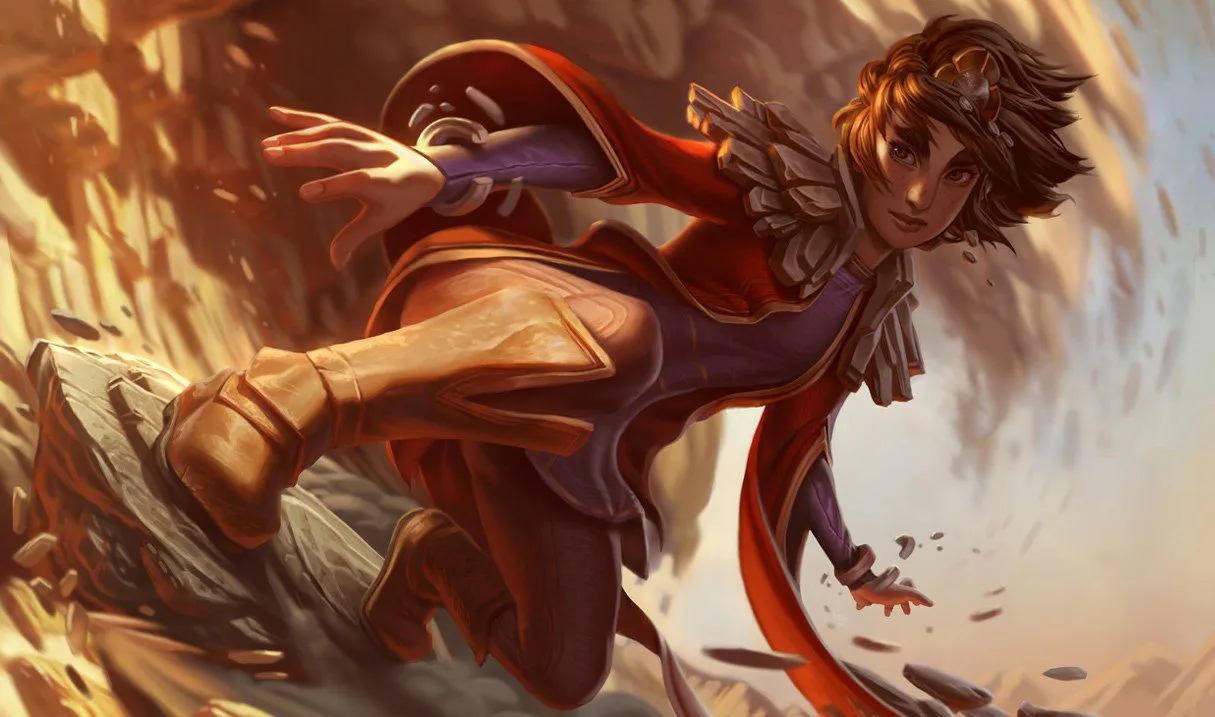
Unraveled Earth makes dash-heavy champions reconsider their normal trade patterns, while Seismic Shove punishes anyone who walks through a narrow lane entrance. After clearing the wave, Weaver’s Wall can cut a retreat or carry her toward a side-lane fight.
Place Unraveled Earth where the enemy would need to dash to reach you. Stand where Threaded Volley can reach the wave without placing you in an easy gank line. Save Seismic Shove when the enemy can threaten an all-in. A missed W is more than lost damage because it gives an assassin a short window to walk at you. When the wave is secured, move through fog and make the opposing side lane respect your ultimate even if you do not cast it.
Taliyah can punish a dash through Unraveled Earth, which matters when the enemy needs that route to reach her. Xerath and other long-range mages can chip her down before she reaches useful shove angles. Choose her when the wave gives you time to set those zones or move toward a side lane.
Vex: hold the fear for their commitment
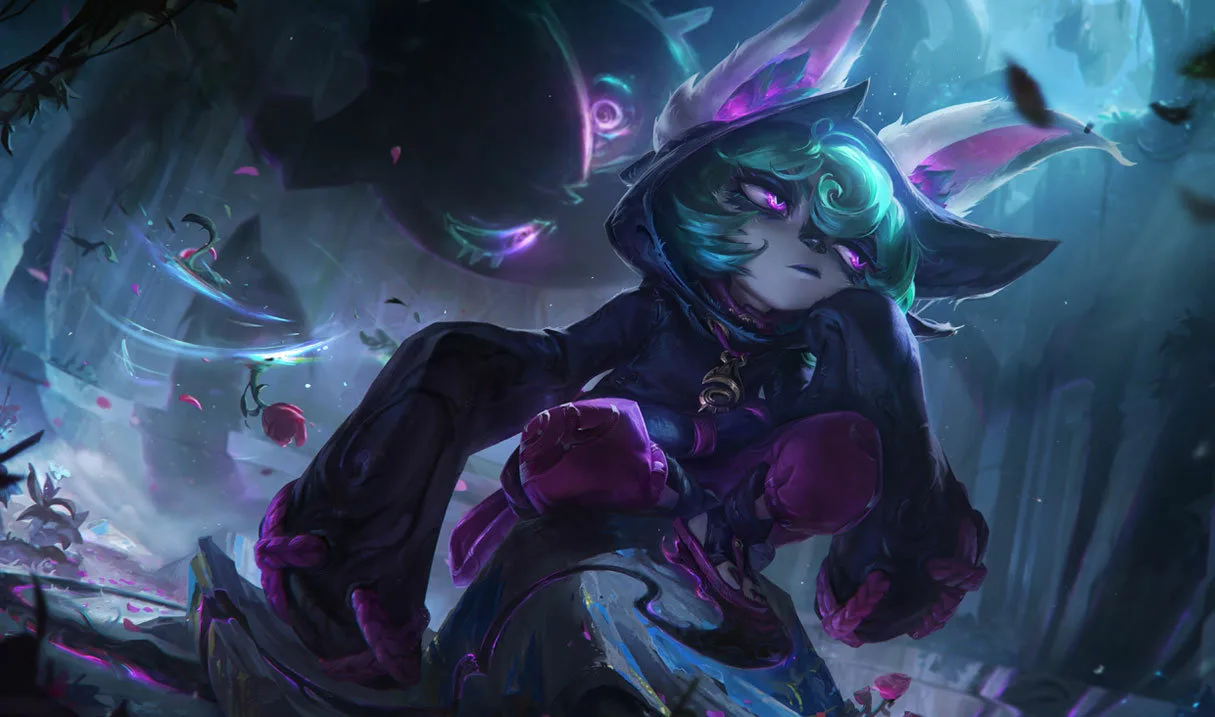
Vex’s passive can empower her next basic ability to fear and interrupt dashes, giving her a reason to hold it against a mobile draft. With that fear ready, Personal Space can stop a diver who reaches her. Shadow Surge then flips her from anti-engage mage into a reset-driven finisher.
Keep the passive fear ready when the enemy can commit. A Vex with her fear ready controls more lane than a Vex who used it to poke a single minion. Farm with basic attacks when the wave allows it, use Mistral Bolt to hit both champion and minions, and keep Personal Space for the moment a melee opponent commits. At level 6, shove first and look for side-lane targets who have already spent their movement spell.
Yasuo, Yone, Akali, and Qiyana all have to think about how they enter her range. Patient artillery champions can ignore much of that interaction and force Vex to dodge instead. Vex suits a player who wants to answer a commitment first, then follow a hit Shadow Surge when allies can help finish the target.
Syndra: plan the next trade before spending W

Syndra still supplies lane pressure and a ranged pick tool, but 26.18 reduces how often she can repeat the same trade. Dark Sphere lets her trade while moving, Scatter the Weak can push a sphere through the wave to stun a champion, and Transcendent rewards clean ability use over the course of the game. Staying mid can deny a roam if she keeps the opponent busy answering the wave. Before using W on a short trade, check whether you will need that cast to handle the next wave. The extra cooldown and lower passive mana return make careless repetition more expensive.
Use the first levels to build a health and minion advantage without shoving blindly. A sphere on the ground changes the angle of Scatter the Weak, so place it with the next trade in mind. When the enemy jungler is missing, hold E. Syndra without Scatter the Weak is an easy target, while Syndra with it ready can stop many single-direction engages.
She likes short-range mages and melee champions who must cross her sphere line. Fast flankers such as Fizz and Ekko become dangerous when they avoid the front of the lane, and coordinated dive can overwhelm her one defensive spell. Pick Syndra if you want a control mage with kill pressure and are willing to manage spacing on every cast.
Lockdown, artillery, and specialist picks
Malzahar: arrange follow-up for the suppression
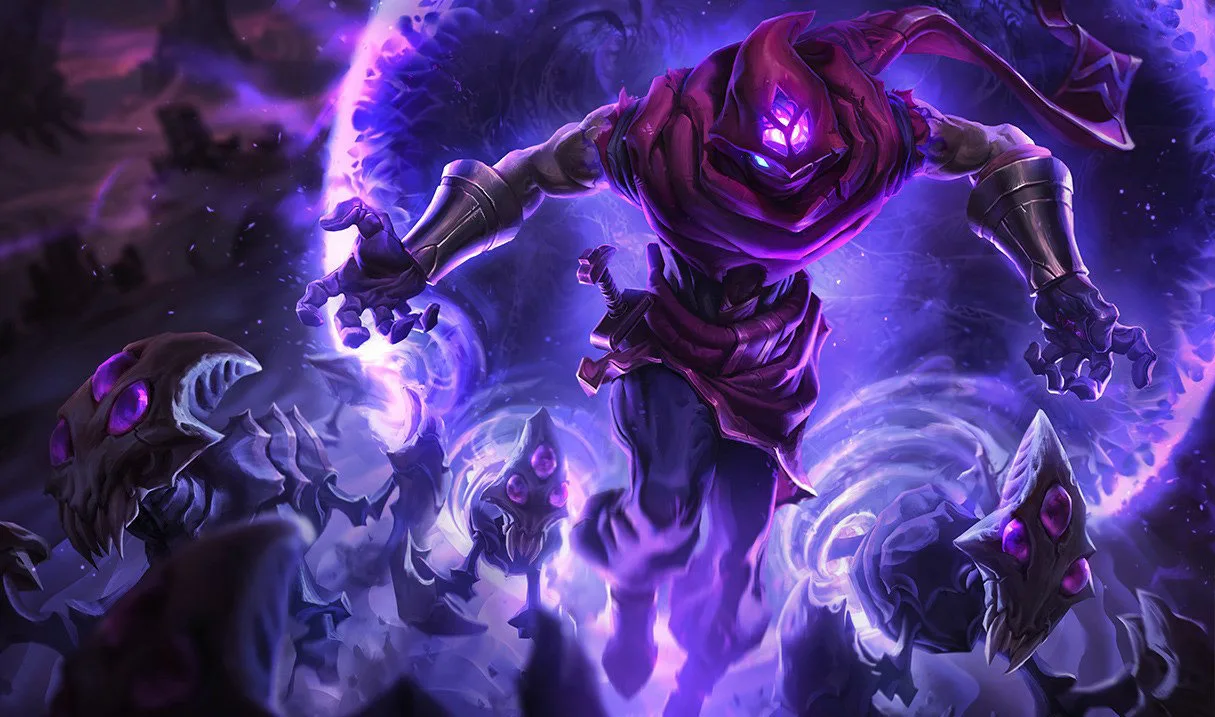
Malzahar gives the team an obvious plan. Malefic Visions and Void Swarm move waves without risky positioning, Void Shift grants massive damage reduction and crowd-control immunity until it breaks, and Nether Grasp tells allies exactly which target to hit. He is one of the best choices for a player who would rather make correct map decisions than win through repeated mechanical outplays.
The lane is weakest before his wave clear becomes reliable. Protect Void Shift, do not donate Voidlings to free area damage, and resist the urge to push if the enemy jungler can walk behind you. After level 6, a frozen wave near your tower is often more threatening than another blind shove. It gives your jungler a longer lane to approach while you keep Nether Grasp available.
Malzahar is useful into reset champions and slippery melee carries because Nether Grasp removes their freedom for a moment. Long-range control mages can clear his summons and keep him from reaching a valuable target. Choose Malzahar when an ally can reach the target during Nether Grasp and keep the other enemies off your channel.
Xerath: take health before the fight starts
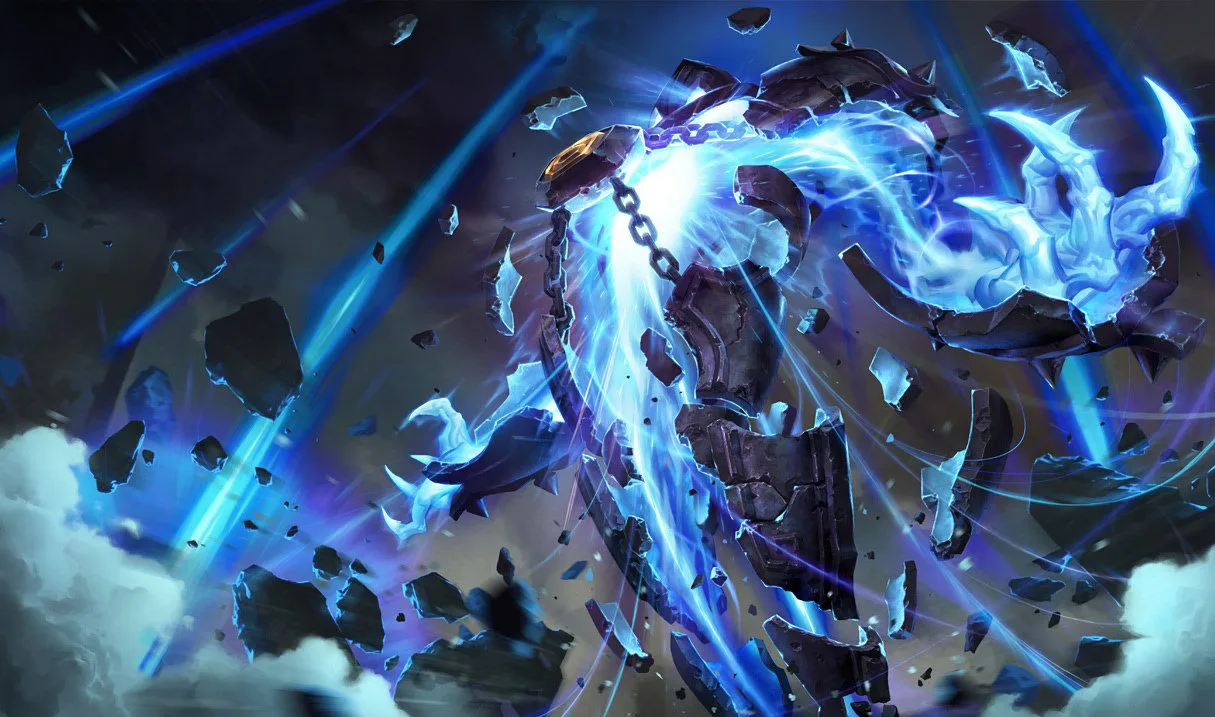
Xerath can take health from opponents before they reach an objective. His range is useful when allies already control an entrance and can prevent a flank. If your team needs the mid laner to walk into unwarded ground first, his spell range cannot provide that safety.
Good Xerath lanes are built on restraint. Charge Arcanopulse where the opponent must choose between dodging and last-hitting. Use Eye of Destruction to make the next skill shot easier, not as random damage. Shocking Orb is your emergency brake. If the enemy jungler can approach, keep it ready and stand on the side of the lane that gives you the clearest escape.
Xerath punishes short-range mages and slow front-to-back teams. LeBlanc, Fizz, Zed, and hard-engage junglers punish every careless step. He fits players with calm aim and strong threat tracking. If you tunnel on the target at maximum range and forget the flank beside you, the champion becomes much less safe than he looks.
LeBlanc: threaten a side angle with a return route
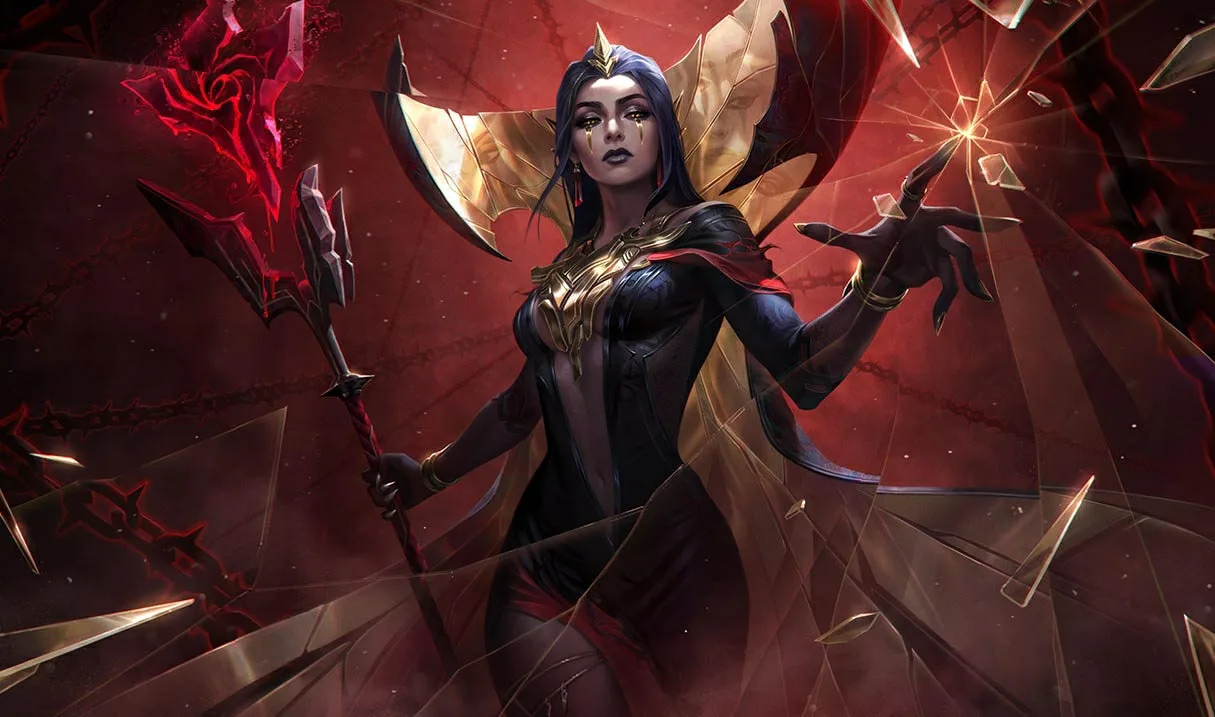
LeBlanc threatens a carry from an angle and can return to Distortion’s starting point. That creates pressure when the opponent has one defensive spell to cover several possible approaches. The return point also tells the enemy where you might go, so place it somewhere you can still use after the first exchange.
Her lane plan starts with wave discipline. Distortion is damage, wave clear, and escape at the same time. Spending it carelessly makes every trade and gank harder. Use basic attacks and Sigil of Malice to create a health edge, then cast W when the opponent cannot answer or when the return pad is safe. Roam only after the wave is handled. If she leaves a stacked enemy wave for a roam, even an empty side lane can cost her the farm she needed for her next purchase.
She loves immobile carries and squishy mages with one important defensive cooldown. Malzahar, Lissandra, and Galio can blunt her usual pick pattern, while strong wave clear forces her to choose between farm and fog pressure. Pick LeBlanc if you enjoy feints, side angles, and playing around information. Keep Distortion available if the return route is the only safe way out.
Sylas: inspect the ultimates before locking in
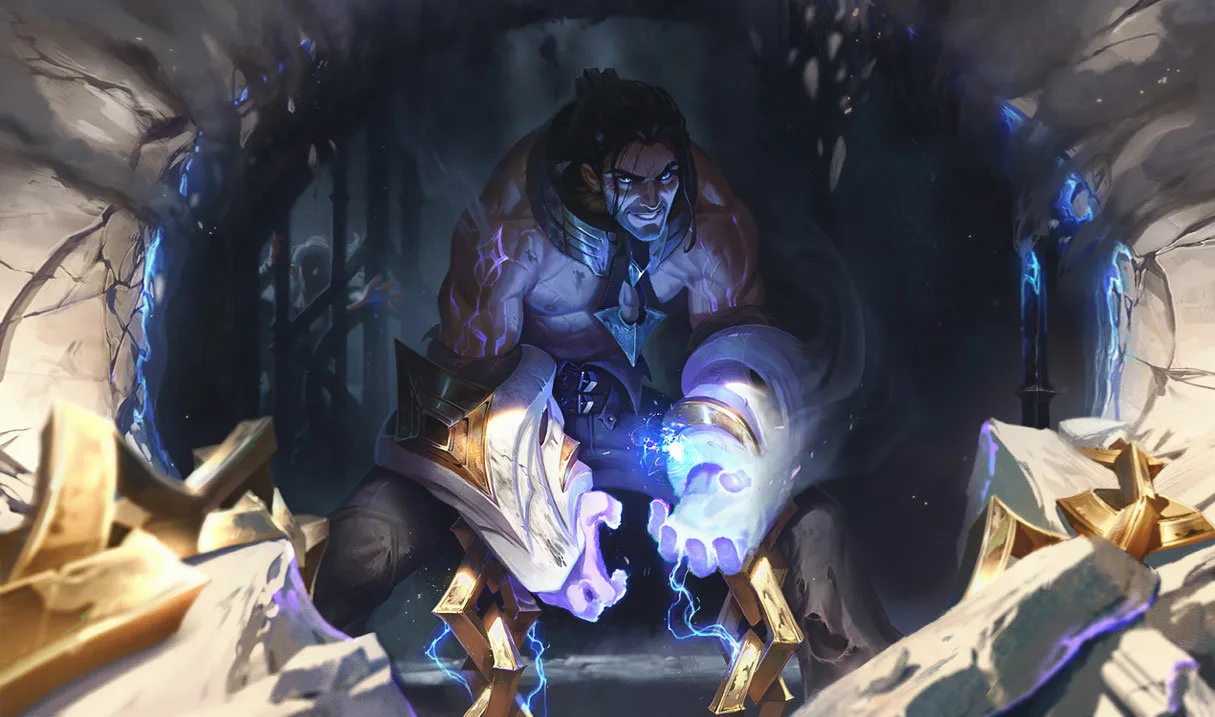
Sylas is difficult to rank in a vacuum because Hijack borrows power from the other draft. A stolen engage or teamfight ultimate can give him a job his own basic abilities do not provide. Against awkward or low-scaling steals, he has to win through Kingslayer trades and close-range skirmishes.
Treat early health as a resource, not permission to take every fight. Use Chain Lash to secure minions you cannot safely reach, then look for Abscond and Abduct when the enemy has spent a core spell. Kingslayer rewards timing, but waiting for the lowest possible health can turn a good trade into a death. Sylas wants river fights, so establish a playable wave before following the jungler.
He likes enemy drafts with accessible targets and ultimates that remain strong on him. Long-range poke, anti-dash zones, and reliable disengage make his approach expensive. Pick Sylas when you enjoy reading both team compositions and changing your role from game to game.
Qiyana: add physical burst and terrain pressure
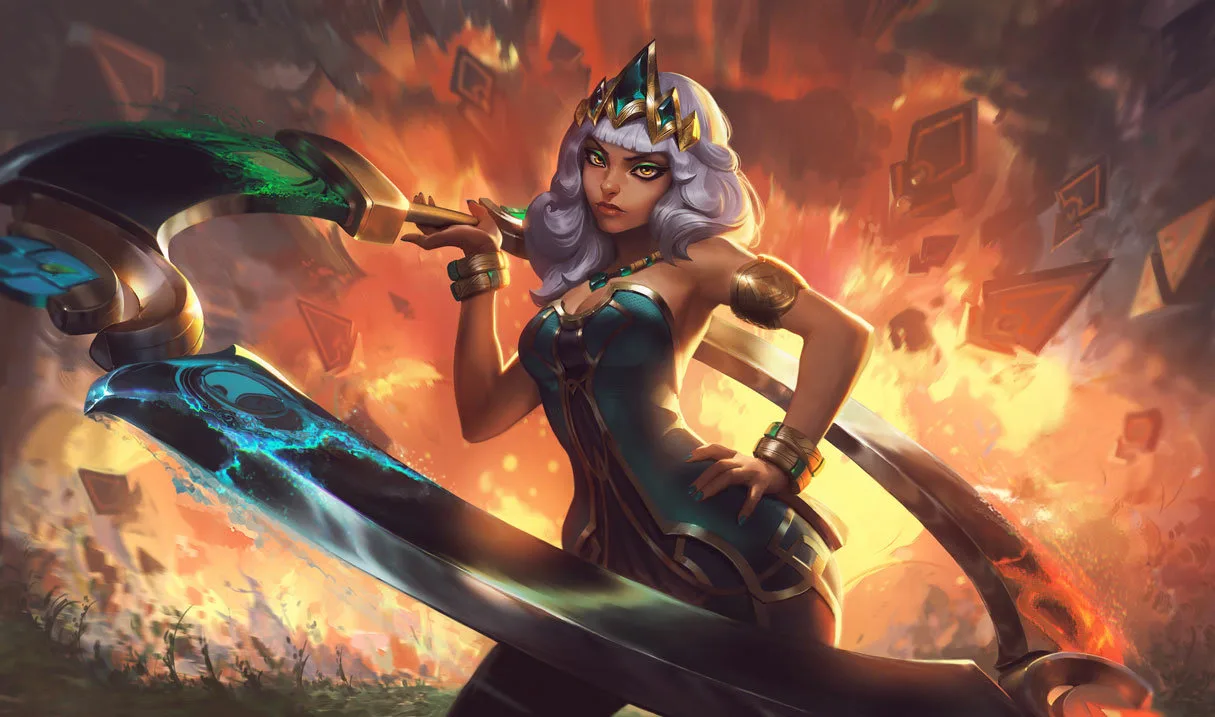
Qiyana is the physical-damage option here for a team that can use an assassin. Her elements and terrain-based ultimate reward choosing the fighting ground before the opponent arrives. An entrance beside a wall offers a different threat from an open lane with no useful setup.
The first waves demand patience because ranged mids can punish every last hit. Preserve health, use Terrashape to change elements with a purpose, and fight near terrain that makes Supreme Display of Talent threatening. Once you can clear, move through fog instead of showing your route down the middle of river.
Qiyana threatens immobile mages who cannot survive a clean close-range sequence. Vex and Taliyah punish her movement, and bruiser-like mids can live through the first burst. She is for players willing to practice element selection, cursor placement, and damage limits. Keep Qiyana as a planned practice pick until you can choose an element and exit route during a fast fight.
Aurelion Sol: scale with someone holding space

Aurelion Sol is a scaling choice for a team that can keep enemies in front of him. Stardust improves his spells over the game, while Singularity and his ultimate help control a committed fight. Choose him with a plan for the early waves, rather than assuming a later payoff will repair every lane loss.
Collect Stardust when the wave allows it, but avoid trading half your health for a few extra stacks. Singularity can control a push or deny a narrow entrance. Astral Flight should have a destination before you press it. An unwarded flight path can carry you into the engage you needed to avoid.
He prefers low-pressure lanes and teams that fight through controlled spaces. Early assassins, fast roamers, and reliable interruptions can stop him from reaching a comfortable game. Pick Aurelion Sol if you can give up a small early advantage without panicking and still make decisive choices later.
When the changed alternatives fit better
Cassiopeia is worth considering when your team needs repeated magic damage and opponents must approach through Miasma. Her grounding zone prevents movement abilities while enemies are grounded. The 26.18 tradeoff favors shorter early exchanges when you are low on mana: Q and R depend more on AP for their damage, and E is more expensive. A later damage plan still needs poison application and room to cast.
Kassadin can suit a lane where his magic-damage defenses help him collect farm and reach Riftwalk. The buffs improve Q scaling and the early ranks of his ultimate; they do not remove his melee farming problem before level 6. Null Sphere’s shield absorbs magic damage, so do not treat it as protection from an AD opponent’s attacks. Favor a matchup you can survive over an automatic scaling promise.
Ekko is an alternative when you can farm with Q, threaten a side angle, and set up a fight with Parallel Convergence. The extra Q scaling is on the return hit, so move to make that path useful instead of treating the whole spell as equally buffed. His ultimate returns him to an earlier position; watch that destination before committing. It can save a planned entry, but cannot make every late escape possible.
Build the pool around a lane problem
Keep one champion whose wave plan you can repeat. Ahri can cover ranged setup and post-6 movement; Malzahar gives a simpler suppression plan if your team can follow. Neither choice covers every damage profile or matchup.
Then add a champion for the problem that actually changes your games. Taliyah or Vex helps when opponents repeatedly enter through dashes. Xerath lets you play from farther away when you already have a frontline. Qiyana changes the damage profile, but only helps if you can execute her early lane and combos.
Before leaving mid, compare the wave you lose with the play you can reach. A mobility spell gives you another route, not a free roam. If the enemy wave is already hitting your turret, decide whether the likely fight is worth that immediate cost. Keep the roam if your timing and target are clear; otherwise, collect the wave and preserve the next option.