

A Ziggs pick can add missing magic damage and a way to finish turrets. It can also give a magic-heavy team another farmer asking the enemy to defend against the same damage type. Changing the bot champion changes the whole draft. Surprising the other duo is a bonus, not enough of a plan to lock in.
Start with Ziggs for wave and turret pressure. Choose Cassiopeia for repeated magic damage, Swain for fights that stay close, or Yasuo for a melee physical carry with airborne setup. Our four best off-meta ADC picks serve different drafts. The order is editorial, not a win-rate ranking; Yasuo requires the most specific lane preparation.
The label needs a qualification. Ziggs, Cassiopeia and Swain are APCs, or ability-power carries, when they take bot farm. They do not become physical ADCs by standing in the ADC’s position. Nor are bot mages an undiscovered trick: Riot described them as a prominent bot-lane class in patch 26.16. Here, off-meta means alternatives to the conventional ranged marksman plan, not a claim about any champion’s current pick rate.
Reviewed for modern PC Summoner’s Rift Patch 26.18 on September 10, 2026. Cassiopeia’s E costs more mana, while Nautilus contributes less damage to their setup. The four farming-bot choices remain different draft jobs rather than a win-rate order.
Start with the job your team would lose
Look past your lane partner to the other three allied champions. Who damages the front line after their first spells are spent? Who can keep attacking while the enemy walks toward them? A team with plenty of burst can still struggle to finish a dragon without using the abilities it needs to survive the next fight.
Check what the support actually sets up. A stun can hold someone for a mage’s delayed spell without enabling Yasuo’s ultimate. A shield may let you take another hit, but it does not bring a distant enemy into range. Name the follow-up before calling the combination a fit.
Use these checks before locking in:
- Is the team missing physical damage, magic damage, or simply a way to keep dealing damage safely?
- Can the support help you reach the wave when both opponents stand in front of it?
- Which spell must stay available if the enemy jungler arrives?
- After winning the lane exchange, are you taking the wave, the turret, or space for an objective?
Ziggs: win the wave, then make the turret matter
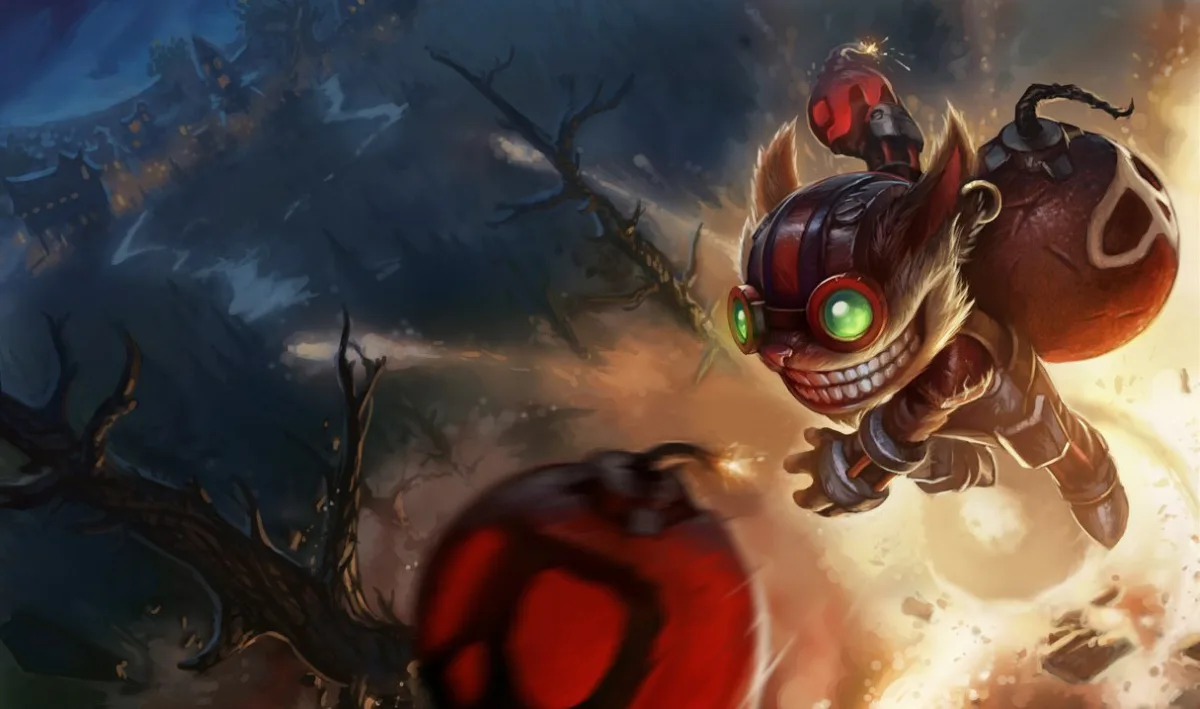
Ziggs wants an accessible wave to push and a turret the defenders cannot protect. Bouncing Bomb and Hexplosive Minefield give him area magic damage to work on the wave. Casting abilities also reduces the cooldown of Short Fuse, his enhanced attack, so clearing and attacking the tower belong to the same plan.
Short Fuse deals increased damage to structures. Satchel Charge can then destroy a turret below its health threshold: 25% at rank one, increasing with W rank. A half-health turret is not ready for that finish. Check the remaining health before giving up the spell for an execution it cannot perform. The threshold and passive structure modifier are in the current Ziggs client record, mirrored by CommunityDragon.
Imagine the opposing ADC recalls after the wave reaches their turret. Your support has vision of the near entrance, and their jungler has shown elsewhere. Ziggs can use the opportunity for an enhanced attack and, if the tower is low enough, a satchel finish. Now change one fact: the jungler is missing and your support is walking to river. Spending W on the tower also spends the spell that can knock Ziggs away from an approaching attacker. Take less turret damage if the alternative is being trapped beside it.
A bomb that leaves three minions alive has not finished the push. Spending another spell on each remaining last-hit can empty Ziggs’ mana just as the opposing support moves up. Use attacks where the lane allows them, and ask your support to help hold that space. Repeatedly starting fights beyond Ziggs’ useful follow-up range does less for him than making the current wave accessible.
Nautilus can hold a nearby target for Ziggs’ delayed damage. That is especially useful for Mega Inferno Bomb, which deals more damage in the center than at the edge. Aim while the target is controlled and check whether the control will last until impact. A minefield slow helps with aiming too, but an opponent who reaches the outer blast takes less damage. Nautilus’s control
Satchel Charge does not execute a low-health dragon. Ziggs can damage the monster with spells and attacks, but spending his abilities in the pit leaves fewer options against an approaching enemy. Sometimes pushing bot and making a defender catch the wave contributes more than another spell on the dragon. His turret pressure and his damage to neutral monsters are different reasons to choose an action.
Cassiopeia: choose sustained magic damage, not a burst imitation
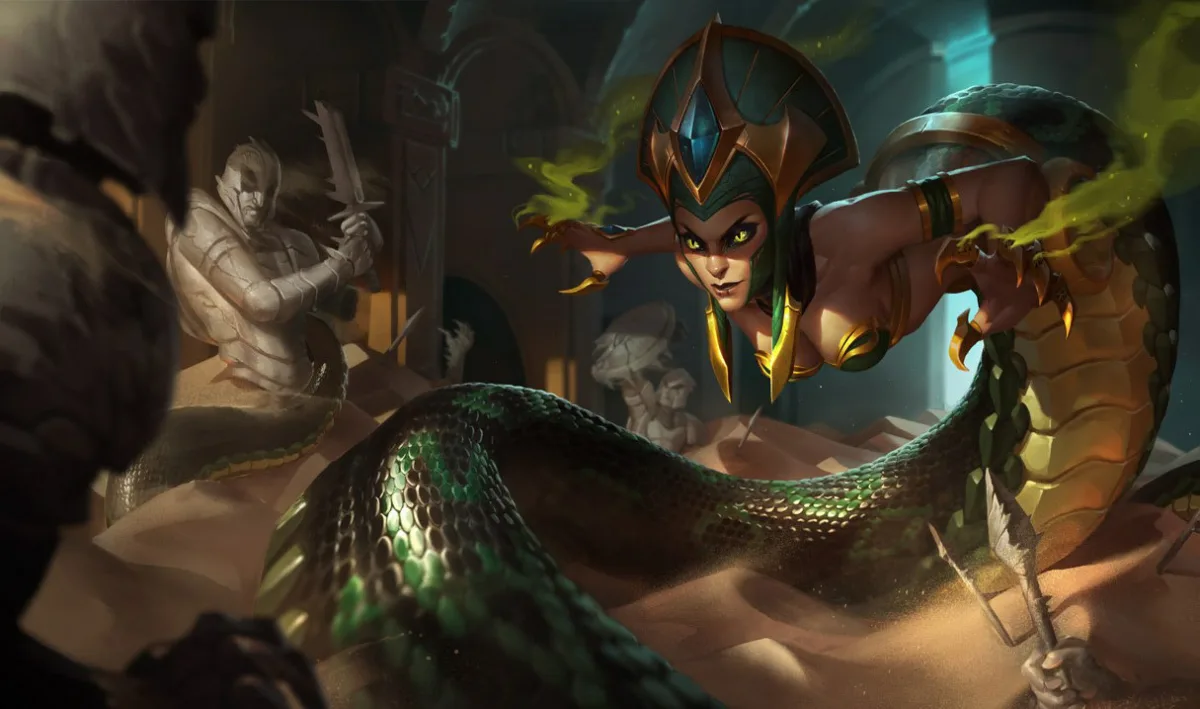
Cassiopeia is our choice when the team needs repeated magic damage rather than another burst rotation. Twin Fang is a targeted spell with a short cooldown. Against a poisoned enemy, it deals extra damage and heals her. Keep the target poisoned and within reach, and there is a reason to stay for the next E. Her 26.18 E costs 45 mana per cast. Its combined AP ratio against poisoned targets remains 65%, so the patch is not a blanket buff to every repeated-E trade; keep enough mana to finish the wave afterward.
Noxious Blast applies poison after a delay and gives Cassiopeia movement speed when it hits a champion. If Q misses and Miasma has not poisoned the target either, E loses its bonus damage and healing. She also misses the movement speed that would help her follow. Stop the exchange when those tools are missing; a targeted E can still hit without making the trade worthwhile.
Twin Fang refunds its cast’s mana when it kills the target. If you fire too early and the minion survives, you paid for that cast. Poison by itself does not make every E free. Check the minion’s health and the allied shots traveling toward it before deciding which one to finish.
For support fit, prefer a partner who can stop the closest threat or create a predictable Q target. Nautilus can hold an enemy near enough for Cassiopeia to fight them, rather than asking her to follow into the back line. She can use Miasma across a route the target wants to take: enemies standing in it are slowed, poisoned and grounded, which prevents movement abilities. Grounded does not mean stunned. They can still threaten her with the actions available to them, and someone outside the clouds is not grounded merely because the spell is nearby.
Petrifying Gaze stuns enemies facing Cassiopeia and slows those facing away. A retreating ADC may therefore be a worse stun target than the support chasing her. She can turn on that pursuer without waiting for both opponents to face her together. The spell still has to hit, and its slow is not the same opening as its stun.
Cassiopeia can repeatedly cast E on a poisoned neutral monster, provided she has the mana. Ask someone to watch the enemy approach while she works on the dragon. Twin Fang does not target turrets, so structure damage is a separate job for her basic attacks. This is a difference in available tools, not a claim that mages cannot damage buildings.
One old build assumption must go: Cassiopeia can buy boots. Riot replaced her no-boots passive in patch 26.1 with increased effectiveness of movement-speed bonuses. Do not copy a six-non-boot-item plan from an older guide and assume it describes a current champion restriction.
Swain: pick the fight the enemy cannot simply leave
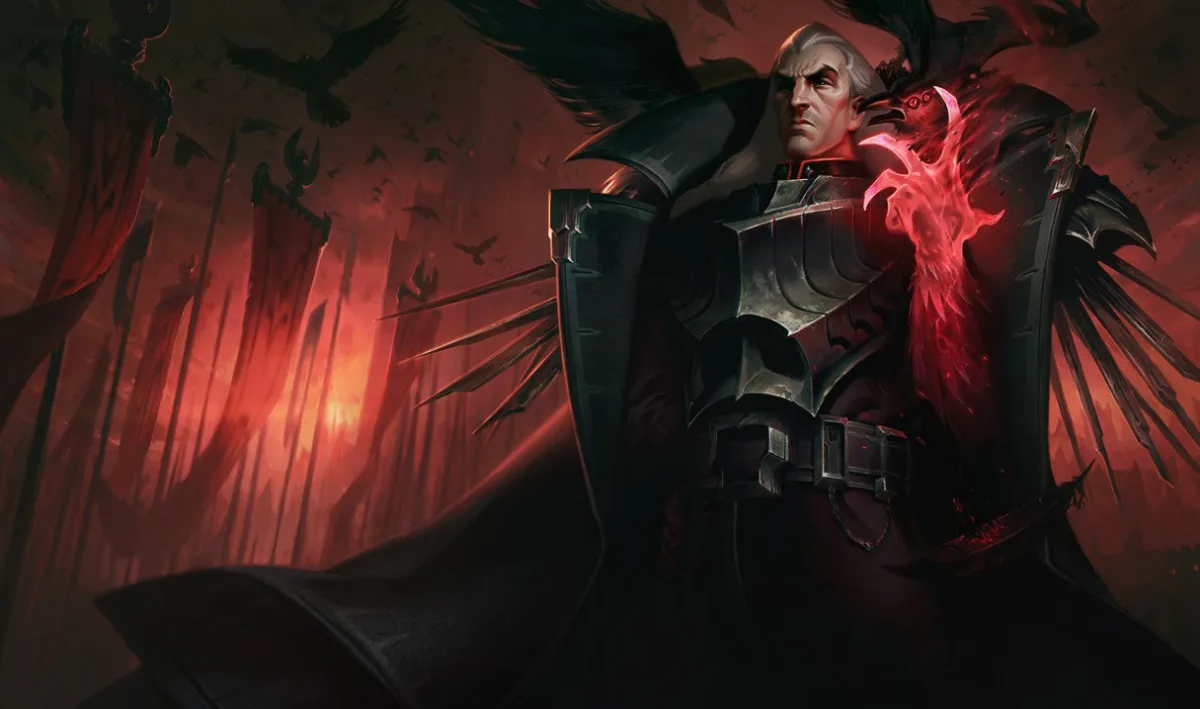
Swain wants enemies close enough to catch several bolts from Death’s Hand and remain inside Demonic Ascension. Q pierces enemies, dealing extra damage for each additional bolt that hits the same target. A fight beside him can reward repeated casts; a target retreating beyond his reach gives him much less to work with.
His own E is important to the setup. Nevermove travels out and returns, then detonates on the first enemy struck on the way back, rooting enemies in its area. Swain can reactivate it to pull champions rooted by that Nevermove. He does not get to pull an arbitrary opponent just because Leona stunned them. Her control can make his returning E easier to land; it does not replace that hit.
Leona suits a duo that wants to keep one enemy near Swain. Her stun gives him time to arrange the E return, and his pull can hold the catch closer. Before she commits, check his position beside the wave. If he is busy collecting minions beyond Q reach, she may spend her control while he walks forward.
Demonic Ascension’s energy drains over time. Draining champions replenishes it, and champion takedowns restore it; draining a dragon does not supply that champion-based energy. Healing from minions and monsters is reduced too. Check for a champion who will remain near Swain before treating R as the answer to a fight in the pit.
When the opponents back out, decide whether your team can follow. Chasing a ranged carry through a dark entrance to keep the drain going can strand Swain ahead of everyone else. Letting the transformation expire is preferable to following without help.
Swain can cast Demonflare more than once during the transformation, subject to its initial delay and subsequent cooldown. One cast does not end the form. Use that continuing threat when the enemy stays nearby; do not follow someone beyond your team’s protection just to earn another cast.
Choose Swain when the team can force a close fight and someone else can threaten from farther back. If he must start every fight and supply all the damage, the draft is asking too much. In lane, his future ultimate is no reason to take free ranged attacks now. Before six, collect the minion you can reach with the kit you already have.
Yasuo: the wave is both your farm and your route
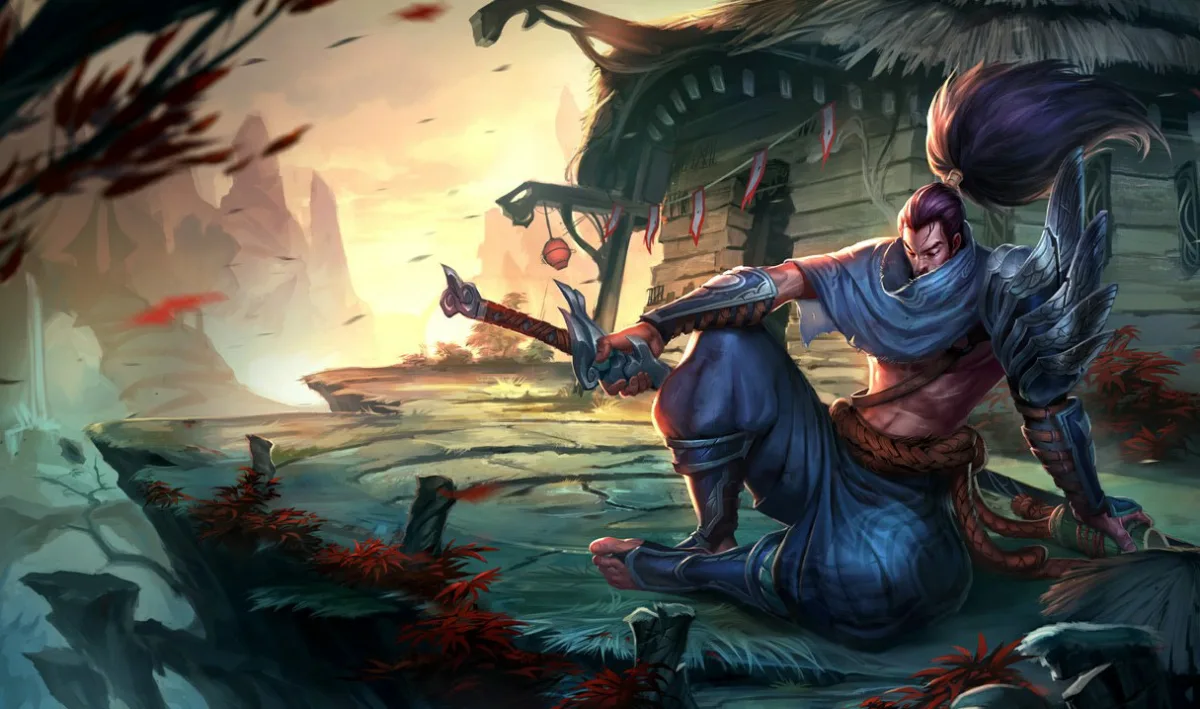
Yasuo changes the lane more sharply than the mages here. His basic attacks and Steel Tempest offer physical damage, while Sweeping Blade deals magic damage. He can keep fighting through attacks and Q, but his normal attack range is melee. He has to reach the wave that the opposing marksman can attack from a distance. Choosing him because the team needs physical damage is only half a justification.
Sweeping Blade requires an enemy target and has a separate cooldown against each one. The minion Yasuo used to go forward cannot immediately carry him back. Find an unused target toward safety before the first dash. If the wave is nearly dead, the retreat you imagined may disappear while you fight.
Steel Tempest grants a stack when it hits. After two stacks, the next Q can send a ranged whirlwind that knocks enemies up. This provides his own route to Last Breath, but he first needs opportunities to build those stacks. When the opponents deny access to the wave, the promised tornado may not be ready when his support wants to fight.
An allied airborne effect changes that calculation. Alistar’s Pulverize can lift an enemy for Yasuo’s ultimate, provided Yasuo is in range and the target is still airborne. Alistar should create the opening where Yasuo can continue fighting afterward, not merely at the farthest point an ultimate can reach. By contrast, a Lux root or Leona stun does not itself satisfy Last Breath’s airborne requirement. Those supports can still help him play the lane, but the duo needs another source of airborne control or Yasuo’s own whirlwind. Alistar’s knockup
Wind Wall blocks incoming projectiles that cross it, but the current extended tooltip excludes tower shots and beams. Lux’s Final Spark can still matter even when the wall stops one of her other spells. Watch where the wall ends and where Yasuo can go afterward; blocking a missile has not supplied an enemy target for E.
Choose Yasuo if you already know his farming and movement patterns and have discussed the setup with the support. Wind Wall plus an assumed level-six rescue is not enough preparation. Riot reduced his critical-strike damage penalty in patch 26.17; the buff does not provide a missing dash target or airborne enemy.
Your first bad wave: Yasuo cannot dash through empty space
Suppose Caitlyn and Lux have held the wave just outside their turret. Alistar is low after the last exchange and cannot walk up with you. One caster is nearly dead behind several healthier minions. Caitlyn can attack from 650 range, while Lux still has Light Binding ready. This is the moment when an unusual pick needs a plan more specific than waiting to scale. Caitlyn’s range and Lux’s spells
First identify a minion you can reach without spending E toward both opponents. An available Q may collect one; it does not entitle you to the caster behind the wave. If walking up to stack Q lets Caitlyn attack freely and puts you in Lux’s binding line, accept that the next tornado is not ready. Alistar being nearby on the minimap is not enough when his health prevents him from supporting the approach.
Do not dash into the healthier front minion just because E lights up. That cast may leave every unused target farther toward the enemy turret. Wind Wall might block the binding, but once the wall ends you can still be standing in the wrong place. The useful decision was made before the dash: whether there was an exit and whether your support could participate.
Ask for help breaking the enemy hold when your jungler can safely come bot, or reset together if neither player can approach. A reset does not force the opponents to release the wave, and it may cost more minions. It can still be better than dying beside the same held wave. When you return with health and resources, try to move the entire wave into the turret with help; do not leave a few allied minions outside and assume the freeze has ended.
In this example, the bad trade left Alistar unable to contest the wave with Yasuo. Repeatedly dashing at the last available minion will not restore his health. Get the duo back into a condition to approach together before trying the aggressive lane you imagined in champion select.
A draft where you should put Swain back
Your team has Gragas top, Sejuani jungle, Ahri mid and Leona support. You hover Swain because Leona can keep an opponent nearby. The lane idea is coherent. The wider draft is the reason to reconsider it.
Gragas and Sejuani can begin a close fight, while Gragas and Ahri already supply substantial spell damage. Adding Swain leaves a different job unfilled: sustained physical attacks from behind that control. His drain might work once the fight starts, but it overlaps the team’s existing strengths. That does not mean the lineup cannot win. It means your last pick could cover something the other four do not.
Choose a conventional ranged physical carry you can play instead. Jinx is one example: Fishbones adds attack range and area damage, while Pow-Pow builds attack speed through repeated attacks. She still needs the front line to make that firing position usable, which this lobby is already trying to provide. The reason to choose her is the missing job, not a promise that Jinx is favored against every opposing lane.
In this lobby, take the ranged physical damage. Swain’s lane combination with Leona is still coherent; it simply answers a problem the rest of the team has already covered.
After a failed lane, keep the useful part of the pick
After a bad recall, check what has changed before repeating the fight. Perhaps your jungler is now close enough to help break the hold, or a wave is approaching a surviving turret your team can defend. Those are different opportunities from charging back into the same two opponents with no help. Use them to recover farm before chasing a kill to make up for it.
Do not recover by silently taking another laner’s farm. Agree which accessible wave belongs to you and whether a teammate can cover the route. If a side lane is dark and opponents are missing, a shorter safe catch can be worth more than the imagined full wave beyond vision. The support can help establish access, but they cannot make an immobile or melee farmer safe everywhere at once.
Selecting a mage also does not change the assigned bot role into support or mid. Role quests follow the champion-select assignment under Riot’s role-quest rules. These recommendations take the bot carry’s farm; they are not instructions to run two support economies. The pick can be unusual while the responsibility remains straightforward: collect the resources your team planned for, and use them for the job you chose.