

You buy Mercury’s Treads, Malphite lands his ultimate, and you still spend the same time in the air. The boots are working. That is simply not a disable tenacity can shorten.
Tenacity reduces the duration of eligible crowd control. With 30% tenacity, a two-second root normally lasts 1.4 seconds. The stat helps against effects such as stuns, roots and slows, but it does not reduce airborne effects or suppression. Riot’s current tenacity tooltip, mirrored by CommunityDragon, explicitly names those two exceptions.
Ask which spell prevents your next useful action. Morgana’s root, Ashe’s repeated slows and Malzahar’s suppression all stop you getting where you want to go, but they require different answers.
This guide covers standard PC Summoner’s Rift. Alternate modes can use different tenacity rules.
How much time does tenacity save?
For a normal eligible effect, calculate the remaining duration:
Duration after tenacity = original duration x (1 – tenacity).
Morgana’s rank-one Dark Binding roots for two seconds. At 30% tenacity, the calculation is 2 x 0.70 = 1.4 seconds, saving 0.6 seconds. At rank five, its three-second root becomes 2.1 seconds, saving 0.9 seconds. Those base durations come from the current normal Morgana Q record; these examples are calculations, not recorded matches.
The root still lands and deals damage. What you gain is an earlier chance to leave Morgana’s damaging ground, step behind a minion or use an escape that the root was blocking.
That opportunity matters only if you can use it. If the follow-up damage kills you before either root duration would end, shortening the root alone does not save that fight. If Leona adds a stun before Morgana’s root expires, you must also wait for that separate stun to end.
Short disables do not necessarily scale all the way to zero. Treat this as the normal duration calculation, not a promise that enough tenacity makes you immune to control.
Which crowd control does tenacity reduce?
This table separates the effect from the champion casting it. Riot’s current keyword definition lists the common reducible disables; the League of Legends Wiki’s maintained tenacity reference supplies the broader effect classification and exceptions.
| Incoming effect | Shorter with tenacity? | What that means |
|---|---|---|
| Stuns and roots | Yes | You recover the actions that effect was blocking sooner. |
| Charms, fears and taunts | Yes | Their forced behavior ends sooner. |
| Silences, blinds and polymorphs | Yes | Their restrictions last less time. |
| Movement slows | Yes | The slow expires sooner; its strength is unchanged. |
| Sleep | Yes | Sleep is shorter, but the preceding drowsy timer is not. |
| Airborne: knockups, knockbacks and pulls | No | Tenacity does not shorten the displacement. |
| Suppression | No | Tenacity cannot shorten Malzahar’s ultimate suppression. |
| Nearsight and stasis | No | Tenacity does not restore vision or end stasis sooner. |
Sleep and the drowsy lead-in are separate effects. So are being knocked airborne and being stunned afterward. Shortening an eligible part of a sequence does not mean every part gets shorter.
Tenacity also does not undo an interruption. If a stun cancels a channeled ability, ending that stun earlier does not restart the channel. You are buying earlier control of your champion, not a reversal of what the enemy spell already did.
Mercury’s Treads: buy them for the spells you can shorten

Current Mercury’s Treads cost 1,250 gold and provide 20 magic resistance, 45 movement speed and 30% tenacity. Those are the ordinary item 3111 values in Riot’s item data.
Morgana’s root is a straightforward reason to consider them. Leona also supplies several eligible effects: her Q stuns, E roots, and R stuns enemies at the center and slows those outside it. Tenacity helps with those restrictions, even though it does not stop Leona from arriving beside you or erase her teammates’ follow-up. Her current normal spell records and tooltip bindings distinguish those effects.
An enemy team does not need five magic-damage champions for tenacity to matter. A dangerous root can be the reason an attack-heavy team gets to hit you at all. The reverse is also true: a magic-damage champion can have important control that Mercury’s Treads cannot shorten.
Malphite is both examples in one kit
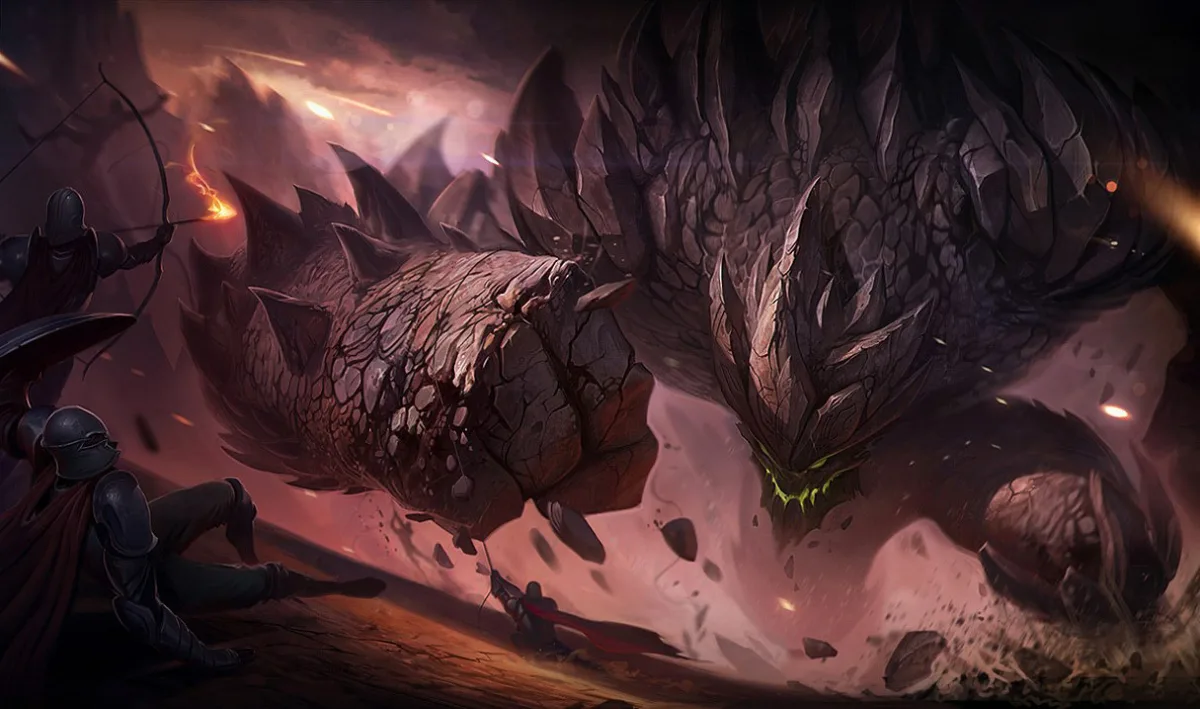
Malphite’s Q applies a movement slow. His R knocks targets up for 1.5 seconds. The current normal spell records and bound tooltips identify those as different effects: tenacity can shorten the slow, not the knockup.
Mercury’s Treads can still provide useful magic resistance against his magic damage. That is a reason to evaluate the boots, but not a reason to expect an earlier landing. If the knockup is setting up the lethal burst, your plan needs to include avoiding the engage, spreading out or surviving the damage until you can act again.
One long root that keeps catching you can be a better reason to buy tenacity than several airborne spells on the same team.
Slow resistance changes how hard you are slowed

Tenacity shortens a slow’s duration. Slow resistance reduces its strength. Current Boots of Swiftness cost 1,000 gold, give 55 movement speed and reduce slow effectiveness by 25%, according to the current item record.
Consider a hypothetical 40% slow lasting two seconds. With 30% tenacity alone, it remains a 40% slow but lasts 1.4 seconds. With 25% slow resistance alone, the slow strength becomes 40% x 0.75 = 30%, while its two-second duration stays the same. This compares the two stats, not the final movement speeds of two complete boot builds.
Repeated application changes the practical choice. Ashe’s Frost Shot lets her attacks slow their target. If she keeps landing attacks before the shortened slow expires, tenacity may never create the clean walking window you were hoping for. Slow resistance still weakens the slows as she applies them.
Swiftness boots can help you keep moving through those repeated slows. They will not shorten the stun on Ashe’s ultimate. If the arrow is what starts every death, weigh that separately from the attacks that keep you within reach afterward.
Cleanse removes control; tenacity waits it out faster

Tenacity changes how long a qualifying disable lasts. Cleanse is a summoner spell you activate to remove eligible effects already on you. It also grants temporary tenacity for subsequent control; that follow-up benefit is not immunity. Riot’s current Cleanse description explicitly excludes suppression and airborne effects.
For a carry who cannot afford to wait through even a shortened root, immediate removal can be the important difference. You still need to press the spell in time and have somewhere useful to go. Removing the first stun while standing inside the next one does not solve the whole sequence.
Malzahar is the QSS question, not the Cleanse question

Malzahar’s Nether Grasp suppresses its target. Neither tenacity nor Cleanse can shorten or remove that suppression. Quicksilver Sash, usually called QSS, can remove it with its active. Airborne effects are still excluded. The current QSS item costs 1,300 gold and gives 30 magic resistance. Malzahar’s normal R record and Riot’s QSS item description support the distinction.
Consider QSS when Malzahar’s catch is deciding fights. It costs an item slot and gold that could have gone toward your next completed item. Its magic resistance works continuously, but removing suppression requires the active to be ready and used.
Do not treat a QSS activation as damage immunity. Removing control does not, by itself, promise to erase the enemy ability’s damage or every other debuff. Malzahar creates a damaging zone beneath his target, so moving out of it is a useful first action after you free yourself.
Tenacity stacking: combine the right sources, not the percentages
Some tenacity sources stack multiplicatively, while others belong to separate groups. "Everything adds" and "everything multiplies" are both unsafe rules. Riot documented the group system in Patch 13.3; its old source list is not a current shopping list.
A supported ordinary example is Mercury’s Treads plus Elixir of Iron. They belong to the same multiplicative group in that Riot explanation and the current mechanical reference. Current item data gives them 30% and 25% tenacity respectively.
Multiply what each leaves behind: 0.70 x 0.75 = 0.525. Together, they leave 52.5% of an eligible duration, equivalent to 47.5% tenacity, not 55%. A two-second eligible root would last 1.05 seconds under that calculation, provided no other modifiers apply.
The second source removes a quarter of the duration left after the first. That is useful, but it does not justify buying an elixir early or applying this formula to every temporary champion buff. Confirm the particular sources and their group before calculating a total.
Older rune advice also needs checking. Current Unflinching grants armor and magic resistance, not tenacity. The current selectable rune list has Legend: Haste rather than Legend: Tenacity. Use Riot’s current rune data, not an old screenshot, when planning where the stat will come from.
Decide what must happen after the CC ends
Before buying a defensive answer, name both the spell and your next action. Against Morgana, it might be walking out of her damaging ground. Against Leona, it might be creating enough space to stop the next attack. Against Malzahar, it may require removing suppression before the enemy team reaches you.
On your next recall, check three things:
- Is the control that caught you eligible for tenacity?
- Will you survive long enough to use the time it saves?
- Would immediate removal or weaker repeated slows solve the problem more directly?
If you die before you can use the shorter disable, reconsider the damage you need to survive as well as the control itself.