
Samira is not waiting for generic crowd control. She is waiting for permission. The target must be held long enough for her to enter, the dangerous interrupt must be accounted for, and somebody has to keep the fight alive after Wild Rush carries her into melee range. Miss any one of those conditions and an exciting engage becomes a very short replay.
Leona is the best overall support for Samira on Patch 26.17. Her Zenith Blade into Shield of Daybreak gives solo queue teammates an obvious go signal, her Solar Flare can begin from farther away, and she stays in the fight while Samira builds Style. Nautilus offers the most dependable target access, while Rell has the highest multi-target ceiling. The right answer changes when the enemy lane can deny the first engage or save its crowd control for Inferno Trigger.
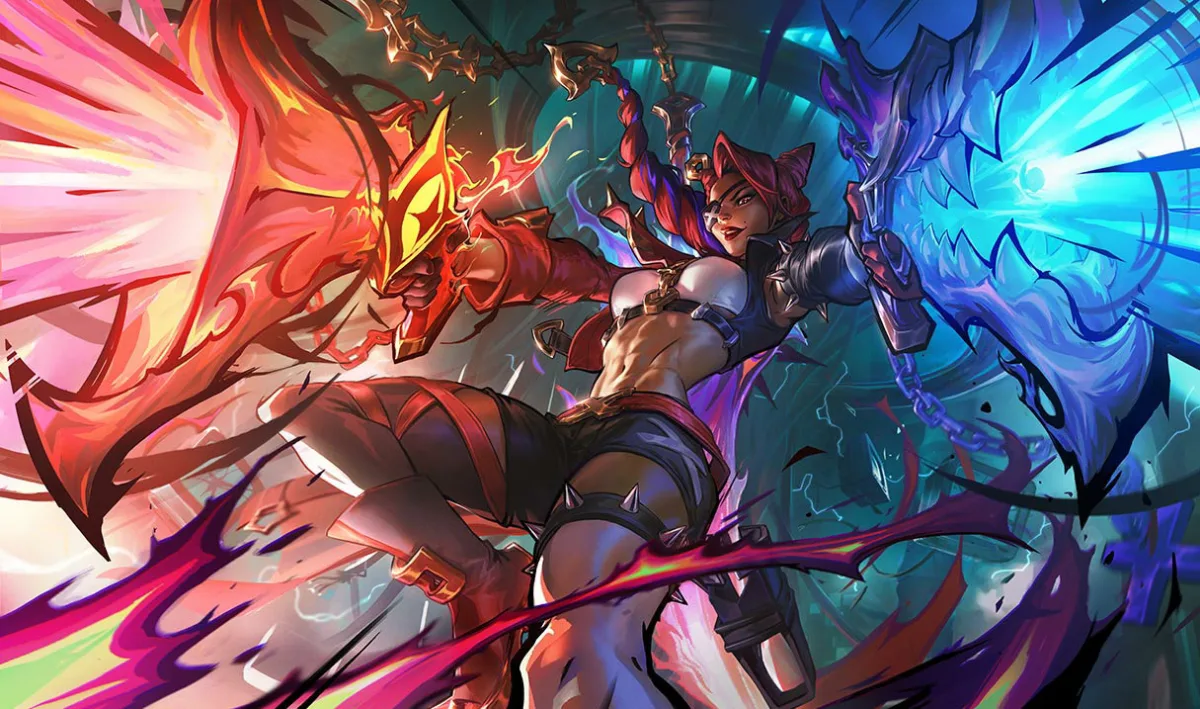
The best Samira engage is not the fastest one. It is the one with a second step.
Patch read: Samira and the seven supports below received no standard Summoner’s Rift balance changes in Patch 26.17. The dramatic Blitzcrank changes on Riot’s patch page sit inside the separate League Classic section, so they should not be applied to modern ranked games. This article was checked on August 30, 2026 against Data Dragon 16.17.1.
Samira’s passive is often explained incorrectly
The best supports for Samira share one trait, but the interaction deserves precise language. Daredevil Impulse lets Samira attack an enemy affected by an immobilizing effect and dash into her attack range when needed. If that enemy is already knocked up, her attack also keeps the target airborne briefly. A root does not magically become a knockup. That distinction changes how much time the duo actually has.
Leona’s stun gives Samira a rapid entry and another Style grade. Rell’s Crash Down gives her the same entry plus a short airborne extension. Nautilus can layer a hook, his passive root, and Depth Charge, but the players still need to decide which effect starts the sequence and which one is saved for the escape. More crowd control is only better when it arrives in a usable order.
Samira also has to reach S rank before Inferno Trigger becomes available. Chaining a different attack or ability from the previous damaging hit builds Style, while repeating the same input does not. Good support play therefore creates time, not just contact. The ideal engage lets Samira alternate safe damage, hold Blade Whirl for a missile that matters, and use Wild Rush when the target or reset path is clear.
That leads to a more useful question than "who has a stun?" Ask which support can provide all three parts of the green light:
- Entry: a target Samira can reach without crossing every enemy cooldown.
- Extension: enough control or durability for her to build Style instead of panic-casting.
- Second life: a way to survive the enemy’s answer, secure a takedown, or exit the failed dive.
Seven ways to authorize the dive
| Rank | Support | The green light | What Samira must respect | Best draft condition |
|---|---|---|---|---|
| 1 | Leona | E connection into layered stun | The engage has no natural exit | Enemy carry can be reached directly |
| 2 | Nautilus | Hook, passive root, or targeted ultimate | Hooking the front line may invite a bad dive | One priority target must be locked down |
| 3 | Rell | Multi-target knockup and pull | A missed Crash Down leaves her exposed | Your team wants a grouped melee fight |
| 4 | Alistar | Point-blank knockup with durable follow-through | A lone Headbutt can save the enemy | The lane needs engage and peel in one pick |
| 5 | Taric | Delayed stun plus delayed invulnerability | Both players must plan around visible delays | The enemy must commit into Samira |
| 6 | Rakan | Long-angle knockup, charm, and a route back out | His first contact is easier to dodge than Nautilus R | The team can follow a fast flank |
| 7 | Renata Glasc | Root, displacement, Bailout, and counter-engage | She is less reliable as the only initiator | Enemy divers must enter Samira’s space |
This is an editorial ranking, not a disguised sort of one win-rate column. METAsrc’s Patch 26.17 all-region, all-rank snapshot covered 242,412 Samira games when checked. Leona, Nautilus, Rell, and Alistar all showed positive duo results in samples ranging from 7,554 to 30,944 games. That is useful confirmation that hard-engage lanes are functioning, but it cannot tell whether your specific draft needs a first move, peel, magic damage, or protection from a saved interrupt.
1. Leona gives solo queue a readable call
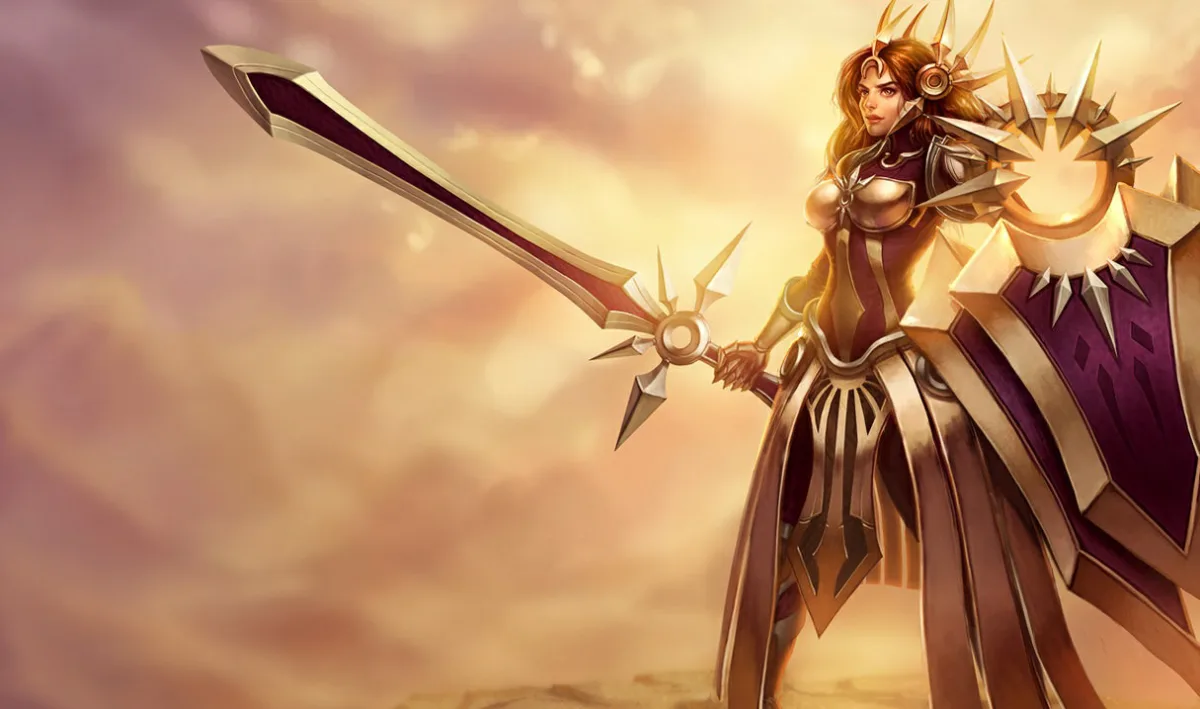
Leona turns the decision to fight into a signal both players can see.
Leona ranks first because her lane does not require a voice call to explain what happens next. Zenith Blade marks the target and carries Leona into range. Shield of Daybreak supplies the stun. Samira sees both events, uses her passive entry, and can begin building Style while Leona’s Eclipse absorbs the return damage. At level six, Solar Flare can start the same sequence without asking Leona to walk through the entire wave.
The pairing is strongest when the enemy carry has limited mobility or has already spent the spell that stops Samira’s ultimate. Do not treat every landed E as a mandatory all-in. If Leona connects through a large enemy wave, Samira may take more minion damage than champion damage. If an enemy Alistar is standing beside the target with Pulverize ready, Samira can follow Leona and still lose the fight the moment Inferno Trigger begins.
The cleaner lane habit is to separate pressure from commitment. Leona can threaten E to move the enemy off the wave, then engage after a missed hook, shield, or displacement. Samira should keep Blade Whirl for a projectile that would end the attempt rather than spend it as a decorative Style stack. Once a takedown resets Wild Rush, the pair can decide whether the second dash is an execution or an exit.
Choose Leona when the lane wants an early, legible fight and the wider team does not need the support to disengage. Avoid blind commitment into lanes that can absorb her first rotation and punish the long walk back.
2. Nautilus guarantees that somebody is playing the fight
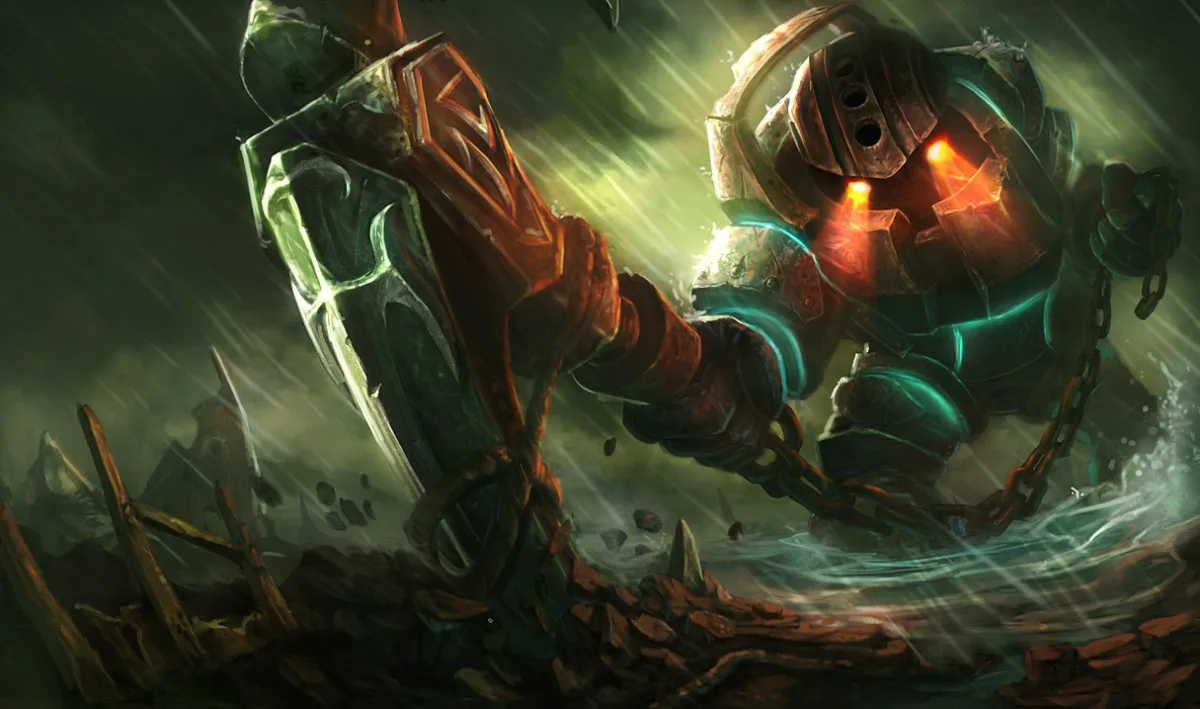
Nautilus has three different ways to make one target stay involved.
Nautilus is the answer when target certainty matters more than elegance. Dredge Line pulls him and the enemy together. His first attack against a target roots it through Staggering Blow. Depth Charge follows a chosen champion and knocks up enemies along its path before reaching that target. Samira can play from whichever layer actually lands instead of betting the lane on one narrow timing window.
The most common mistake is spending the whole control chain before Samira can use it. A max-range hook may look perfect while she is last-hitting, zoned by the enemy support, or still outside passive-dash range. Nautilus should glance at her position before throwing Dredge Line. Samira, in turn, should not Wild Rush through the first available body if that places a tank between her and the carry.
Depth Charge changes late fights because it creates a delayed, targeted clock. Samira can build early Style grades while the shockwave travels, then use the knockup window to enter. The ultimate is not permission to ignore the rest of the enemy team. If Poppy, Alistar, or another reliable interrupter is waiting beside the target, forcing that defensive cooldown may be more valuable than instantly pressing R.
Nautilus is especially good when your composition needs one champion to be declared the fight. He falls behind Leona when the lane requires repeated disengage or when every hook angle reaches only a front liner Samira cannot kill.
3. Rell creates the best five-player version of Samira
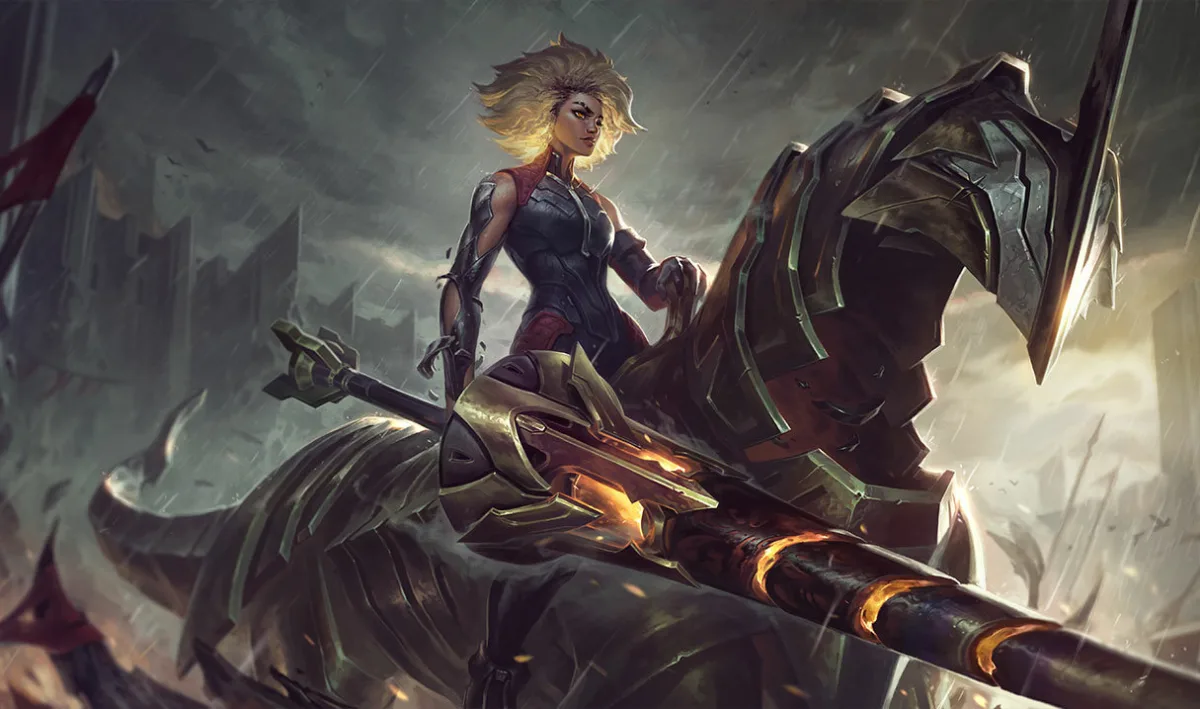
Rell’s ceiling appears when the enemy team stands close enough to share the consequences.
Rell is third for ordinary ranked lanes and first for the dream teamfight. Ferromancy: Crash Down knocks enemies up as she enters, Magnet Storm pulls nearby targets toward her, and Shattering Strike adds a stun while breaking shields. Samira wants opponents compressed into the space around her ultimate, and Rell is the support on this list most capable of shaping that space.
The lane is less automatic. A missed Crash Down leaves Rell dismounted and slowed, often on the wrong side of the wave. Samira cannot repair that mistake by dashing deeper. The pair should look for movement forced by a last-hit, a jungle gank, or Full Tilt rather than throwing W at an opponent who still has a clean sidestep.
When Crash Down lands, Samira’s passive can extend the airborne target briefly. That buys a little more time for the next unique hit and makes the entry feel immediate. It does not guarantee S rank, and it does not make Samira immune to the enemy support. The pair still needs to identify the spell that can interrupt Inferno Trigger.
Draft Rell when your jungle or solo lanes also want to collapse into a grouped fight. If the team is built to kite backward or split the map, her greatest strength may never become relevant.
4. Alistar protects the dive from its own momentum
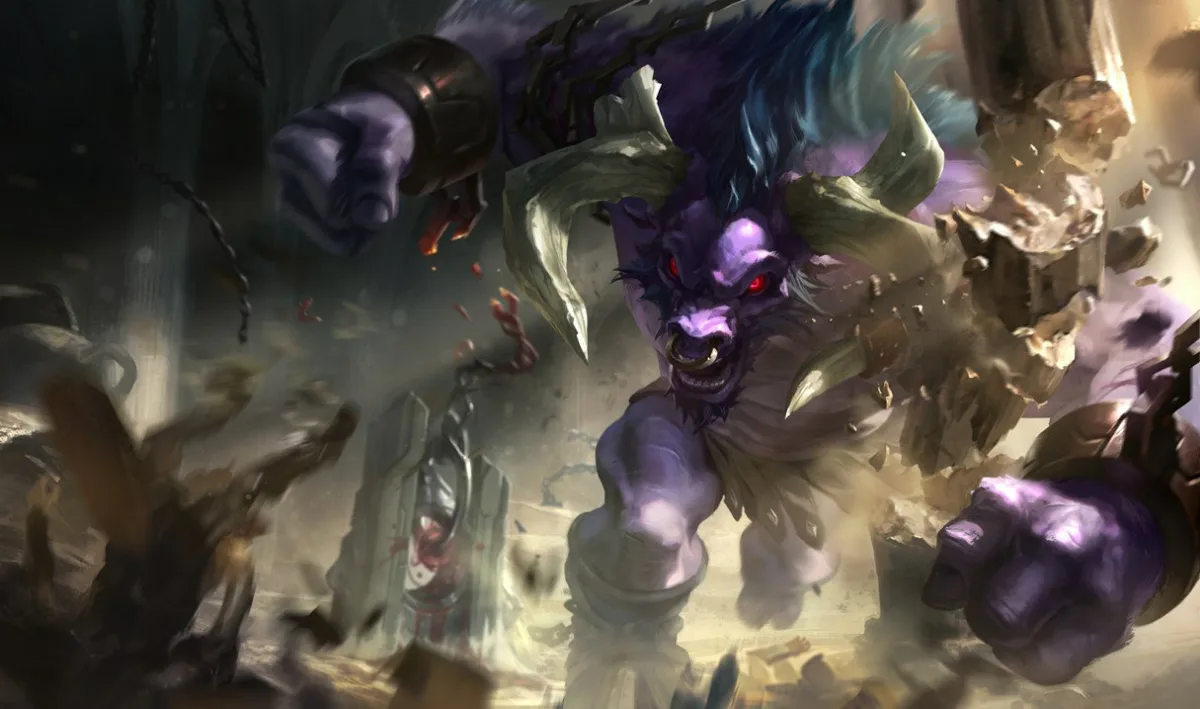
Alistar can begin Samira’s fight, then turn around and remove the counter-engage.
Alistar earns fourth because he can change jobs halfway through a play. Headbutt into Pulverize gives Samira a close, airborne target. Trample threatens another stun if the fight continues. Unbreakable Will removes crowd control from Alistar and reduces incoming physical and magic damage, allowing him to remain between Samira and the enemy after the first rotation.
That flexibility also creates the duo’s worst misplay: Headbutt without a plan. Knocking a target away before Pulverize can rescue the exact champion Samira wanted to reach. The combo should be deliberate, and sometimes the correct Headbutt sends an enemy diver away from Samira rather than starting anything.
Alistar is the best selection here when the draft is ambiguous. He can attack an immobile bot lane, absorb a dangerous counter-engage, or stand beside Samira and punish whoever crosses into melee range. His lane pressure is less constant than Leona’s because his meaningful threat is tied to getting close and managing cooldowns. Into ranged poke, the pair may spend several waves waiting for health and position to align.
Do not confuse patience with losing the matchup. An Alistar lane that reaches a mid-game objective with both carries intact can still give Samira the two-stage fight she wants: knock up the first target, then peel the champion holding the interrupt.
5. Taric makes Samira play around two delays
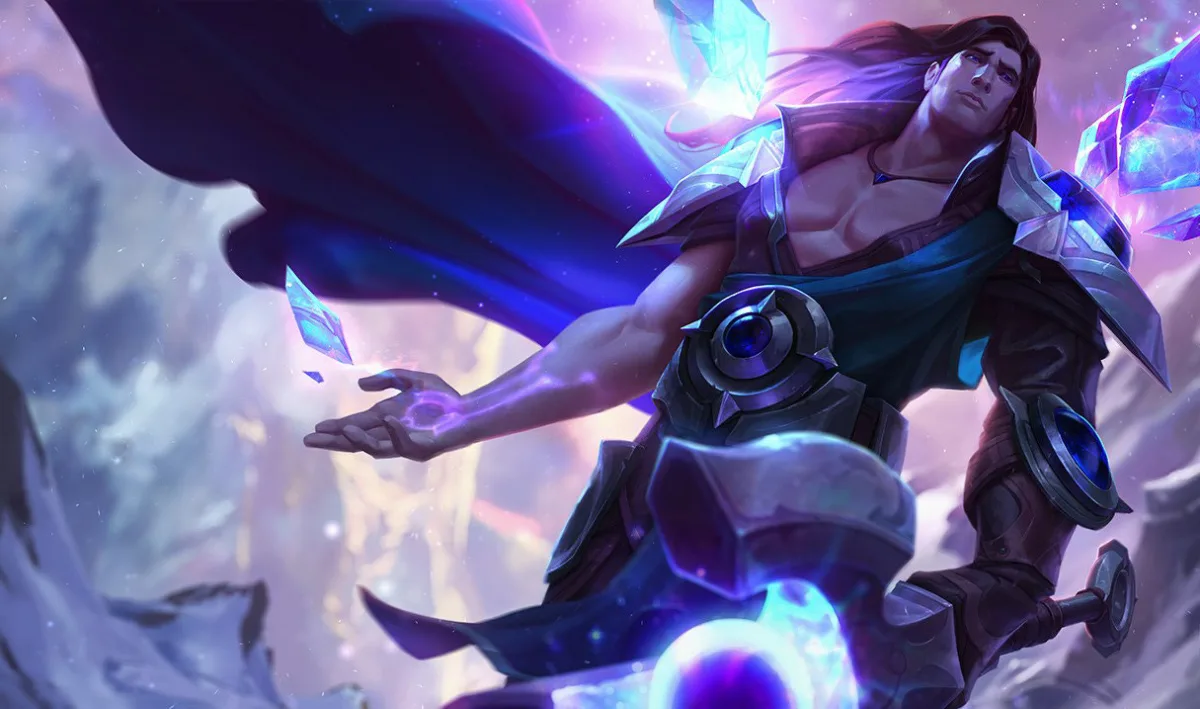
Taric rewards the Samira player who can enter on schedule instead of on impulse.
Taric looks slower than the obvious engage tanks, but his kit solves the dangerous second half of Samira’s dive. Bastion links him to an ally so his spells also cast from that champion. Dazzle readies before stunning, which means a Bastion-linked Samira can carry the second origin point into the enemy team. Cosmic Radiance has its own visible delay before making nearby allies invulnerable for a short duration.
Those delays are the entire pairing. If Taric begins Cosmic Radiance too late, Samira can die before protection arrives. If Samira enters too early, the enemy walks away from Dazzle’s projected line or simply waits out the ultimate. If they agree on the timing, she can reach melee range just as the stun and invulnerability become active.
Taric works best into opponents who must come forward. He is less convincing as the only way to catch a long-range carry who refuses to enter Dazzle range. His sustain and repeated spellcasts can stabilize scrappy lanes, but he does not replace Leona’s immediate threat or Nautilus’s targeted level-six access.
Pick him when the enemy composition wants to collapse on Samira and your duo is comfortable planning one beat ahead. This is not the easiest pairing on the list. It may be the most satisfying when its clocks line up.
6. Rakan opens a side door and still has an exit
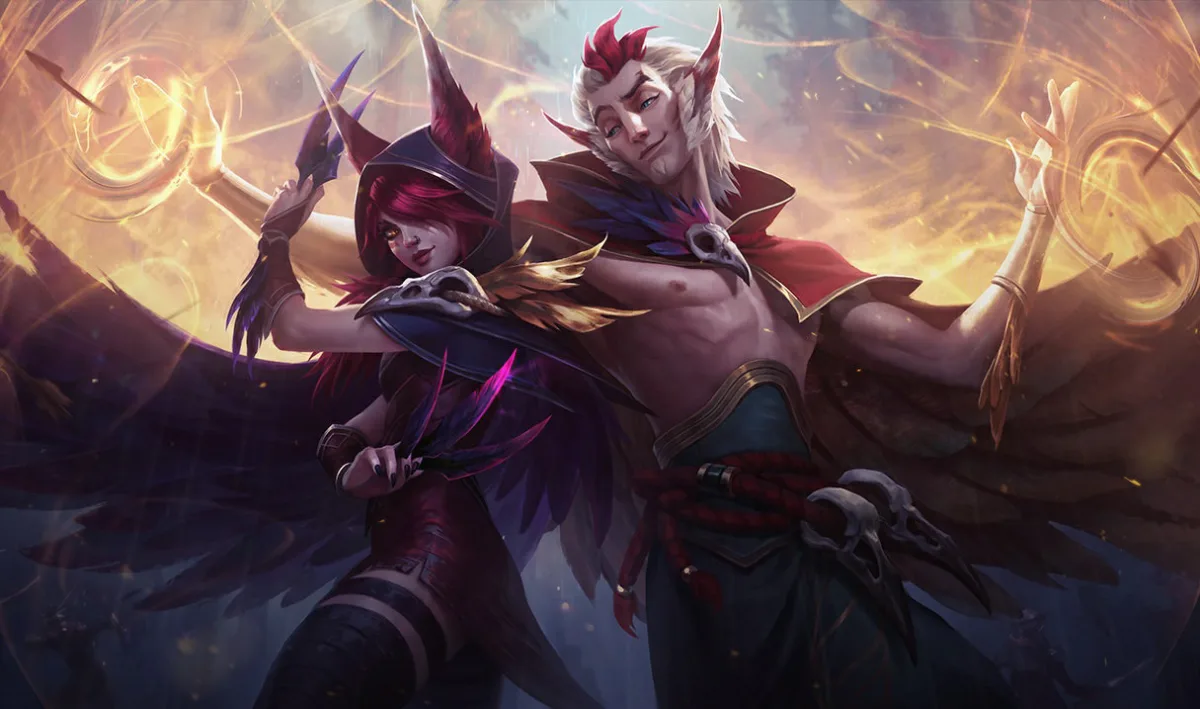
Rakan gives Samira an engage from an angle the front line may not be watching.
Rakan differs from the tanks because his best entry can begin far from Samira’s current firing line. Grand Entrance knocks up enemies at the landing point. The Quickness lets him charm champions he touches while moving through the fight. Battle Dance can then return him to an allied champion and provide a shield, so the support is not forced to die where he started.
For Samira, the benefit is tempo. Rakan can reveal the opening, force movement, and give her an airborne target without occupying the same straight corridor as Nautilus or Leona. The risk is reliability. Grand Entrance has a readable arrival and can be dodged. A Rakan who begins beyond Samira’s practical follow-up range may finish his whole performance before she reaches the stage.
Use terrain and fog rather than asking W to win a fair reaction test. Samira should also watch Rakan’s retreat route. Battle Dance is not a promise that he will stay beside her through Inferno Trigger. If the rest of the team cannot cross the gap, she may become the only champion left in the middle.
Rakan belongs in drafts with fast follow-up from jungle or mid. He is weaker when the team needs a stationary body to hold a narrow choke after the engage.
7. Renata Glasc gives the failed dive a second verdict
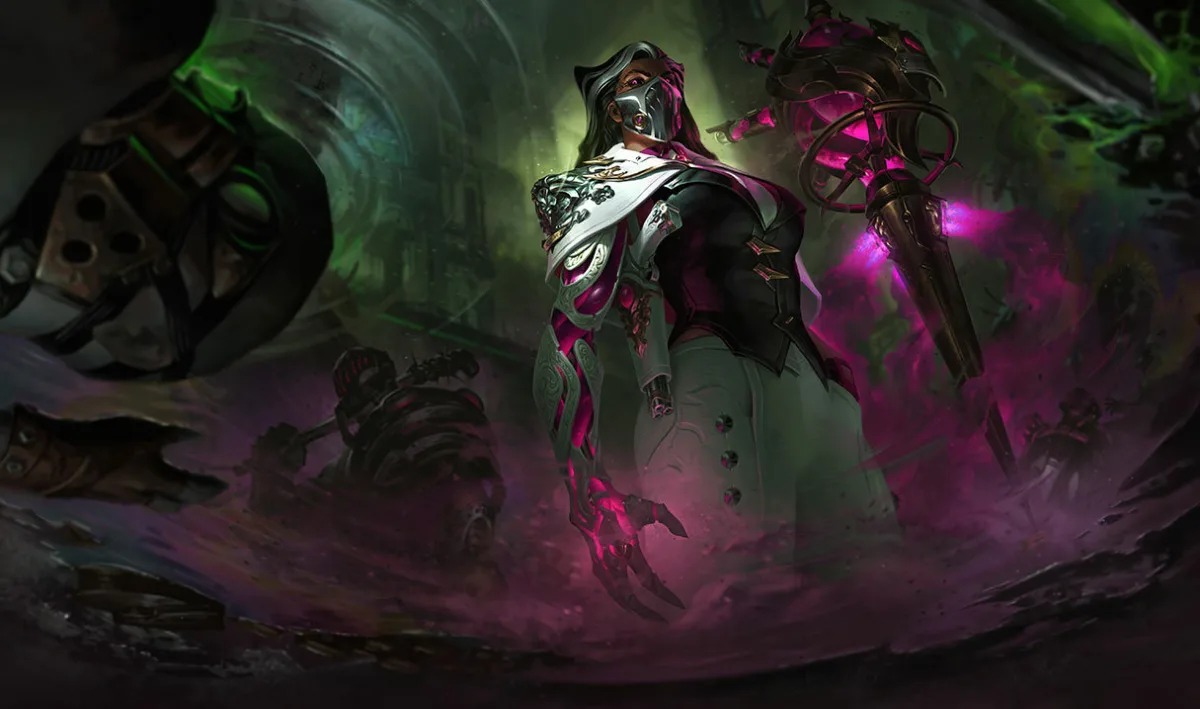
Renata is less interested in a clean first engage than in making the enemy’s answer backfire.
Renata Glasc closes the list because she does not supply the most reliable green light, but she changes what happens after Samira accepts one. Handshake roots the first enemy hit and can throw that unit in a chosen direction. Bailout grants offensive movement and attack benefits, delays an ally’s death, and can save that ally if they secure a takedown. Hostile Takeover punishes opponents who group and commit forward.
This pairing is built around consequences. Samira dives, the enemy spends everything to finish her, and Bailout creates a final window to earn the kill that restores her. A Wild Rush reset during that window can turn a lost entry into a chain of executions. It can also end with Samira dying a few steps deeper if the target is too healthy. Bailout is an opportunity, not a resurrection guarantee.
Renata prefers a draft with initiation elsewhere. A top laner, jungler, or mid laner can force the first movement; she then protects Samira and sends Hostile Takeover through the counter-engage. If Renata must land every Handshake to make the composition function, Leona, Nautilus, or Rell would usually produce a clearer plan.
Choose her against teams that must run into Samira and depend on basic attacks once they arrive. Pass when bot lane needs immediate, repeatable access to a distant carry.
Before you press E, answer these five questions
Samira’s worst deaths often begin with a correct support spell and an incorrect personal conclusion. A landed hook or stun means a target is available. It does not mean every condition is favorable.
- Which enemy spell stops Inferno Trigger? Track it before using Blade Whirl or Wild Rush. Missile destruction does not answer every stun, knockback, silence, or suppression.
- How many Style grades do you already have? An engage is easier to finish when you have safely alternated attacks and abilities on enemy champions first.
- What does Wild Rush pass through? The dash needs an enemy unit or structure. Do not imagine an allied escape route that no longer exists.
- Who dies to reset the dash? Entering through the tank without access to a killable target can leave Samira stranded.
- What is the support’s second spell? Leona Q, Nautilus passive, Alistar Pulverize, and Renata Bailout matter because the first contact rarely decides the whole fight.
That checklist is also why a statistically popular pairing can be wrong in champion select. A full engage duo may be redundant if top, jungle, and mid already provide reliable initiation. In that draft, protection or counter-engage can be worth more than another champion racing toward the enemy carry.
Why Blitzcrank and pure enchanters miss this seven
Blitzcrank can create Samira’s easiest possible fight by pulling one target away from its team. He can also spend a lane threatening hooks that never arrive, leaving Samira without sustain, peel, or a dependable way to reach S rank. The current broad snapshot did not make him a bad duo, but Leona, Nautilus, Rell, and Alistar supplied better results with more complete follow-through. He remains a sharp counterpick into immobile, hook-vulnerable lanes rather than a universal recommendation.
Enchanters are not automatically wrong. Nami can add sustain, movement, and layered control; Lulu or Milio can protect Samira once another role starts the fight. They miss the main list because this article prioritizes self-contained entry plus continuation. If your Malphite, Amumu, or Wukong already owns the green light, the support should solve the problem that remains.
The final rule is simple: select the support whose second action still matters. Leona follows E with a stun. Nautilus follows contact with another root or a targeted ultimate. Rell follows the knockup by pulling a team together. Samira already knows how to enter a highlight. The best partner makes sure there is still a fight when she gets there.
For broader champion-select context, compare RiftBrain’s current support field and Patch 26.17 ADC ranking.
Recheck condition: This order was verified on August 30, 2026 for Patch 26.17. Review it after changes to Samira’s passive entry, Wild Rush reset rules, Inferno Trigger interruption, or the featured supports’ core control tools.