
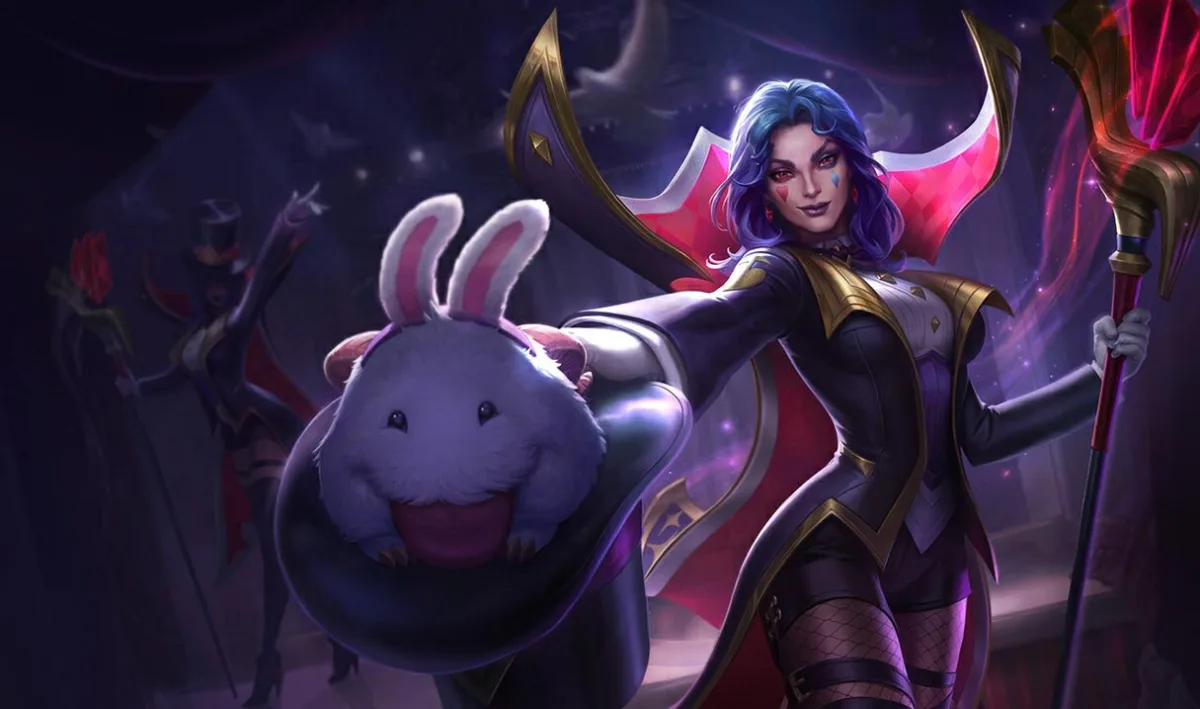
For early mid pressure that works on both the opponent and the wave, start with Neeko. LeBlanc offers sharper short trades, Akshan keeps attacking between cooldowns, and Pantheon punishes opponents who step within reach. Pick Talon when you want an early all-in that can also threaten a nearby skirmish, but accept that a careful ranged opponent can deny his setup.
This shortlist focuses on the first levels, first recall and initial level-six window in farming mid lane. It is an editorial selection based on usable kit interactions, not a matchup win-rate ranking. A working lane tool does not prove that one champion automatically beats another; each entry names the condition that makes its pressure possible.
Reviewed for modern PC Summoner’s Rift Patch 26.18 on September 10, 2026. The selected early-mid interactions are unchanged by the 26.18 delta. LeBlanc’s previous-patch changes remain dated context rather than a new buff.
Which kind of early advantage do you want?
| Champion | Early advantage to build | How the opponent can deny it |
|---|---|---|
| Neeko | Pressure last hits with an empowered attack or a root through minions | Stand beside the wave and threaten her after E misses |
| LeBlanc | Land a short spell trade and leave before the return damage | Contest her return pad or make her spend W clearing minions |
| Akshan | Keep attacking between spell cooldowns while preserving a swing route | Break his attack access and occupy the route he needs to escape |
| Pantheon | Punish a reachable target with a prepared empowered ability | Stay outside W access and make him spend resources just to farm |
| Talon | Complete a bleed trade, then threaten a nearby fight from a cleared wave | Dodge the returning W and deny the attack that triggers his passive |
None of these champions stops functioning when the early game ends. The reason to pick them here is that they can ask important questions before a large item purchase. If you want a selection that weighs the whole match more evenly, use the broader mid-laner guide.
Winning a trade is not the same as having priority
Having priority lets you move first without surrendering a wave you needed to collect. A health advantage can help create it, but a nearly empty mana bar and a large enemy wave can take it away.
Before pushing, decide what you want the push to buy. A complete crash can give you time to recall, place nearby vision, or join your jungler. A half-finished push can leave minions sitting outside the enemy tower while you walk away. The opponent may then hold the wave and make you cross a long, unsafe lane to collect the next one.
Check which spell the push spends. Neeko can threaten an empowered attack while retaining E. LeBlanc may have just used her movement spell to clear. Even with the same wave position, they should not take the same risk walking into river.
You also do not need to fight on every level-up. Watch when the opponent is about to gain a level as well as your own progress. If your level-two advantage lasts only long enough to take one attack, take that attack and step back. Chasing until both players have their new spell can turn a small advantage into an even fight inside their minions.
Neeko: make their last hit cost something

Neeko gives you two ways to make an opponent uncomfortable without immediately running at them. Once W is learned, every third attack adds magic damage and briefly grants movement speed. E becomes empowered after hitting an enemy, so a minion between Neeko and the opposing champion can strengthen the root that reaches that champion. The minion does not have to die. These mechanics are described in her current Riot client tooltips, mirrored by CommunityDragon, with the spell bindings in Neeko’s normal client data.
Prepare the empowered attack while last-hitting, then watch the next minion your opponent wants. Meet them with that attack if you can do it without walking through their whole wave. You can also hold it to make them hesitate. Just check your own minions first: threatening their last hit gains little if it costs yours.
The wave changes the E decision. A Talon standing directly behind a minion gives Neeko a line that can empower the root before it reaches him. If he steps sideways, change the plan: take an ordinary attack if it is safe, and keep E if he can jump toward you. He has denied one setup, not necessarily your whole turn to trade.
Choose whether Q is for the champion or the crash
Blooming Burst can bloom again when it kills a unit or hits a champion or large monster, up to two additional blooms. A rooted champion is easier to keep in that area; a low minion can also start the repeat blooms. That creates an opportunity to damage the opponent and finish a wave together, but only if their position and the minions line up.
If you want to keep the wave closer to your side, casting Q into its center just to touch the opponent can undermine that plan. Attack when they last-hit instead. If you need a recall, use the low minions to help clear, then check that the wave actually reaches the tower before leaving. The repeat-bloom conditions appear in Neeko’s current Q tooltip.
Neeko becomes much less comfortable when E is down and an opponent can force close contact. Against LeBlanc, holding E can discourage a direct W landing; throwing it into empty space lets LeBlanc consider a trade without that same threat. At six, Pop Blossom adds delayed area control, but you still have to get into position and survive the response. Do not substitute the ultimate for a wave or approach you never prepared.
LeBlanc: win the exchange without losing the exit

LeBlanc is the pick for a player who wants to threaten a short spell trade rather than stand in place and attack repeatedly. Q marks a target, and another damaging ability detonates that mark. W supplies damage and a return location. An ordinary attack does not pop Q’s mark. Her current kit makes that ability requirement explicit.
Before Q into W, check the return pad. Would you still want to stand there if the enemy jungler appeared? Casting from the river-side edge while the opposite side is safer can leave both positions exposed. Move to a safer starting point before looking for the hit.
W’s return window is four seconds. E must maintain its tether for 1.5 seconds before applying its root, and its initial projectile stops on the first enemy hit. Those conditions, resolved in the normal spell values, make a rushed attempt to add E much less reliable through a full wave. The first W hit is not a reason to stay forward until every spell has been used.
Consider Pantheon waiting with W available. If LeBlanc jumps within his reach, he has a targeted stun to answer her landing. The useful question is whether his stun has been spent or whether her trade can end safely before he gets that answer. A return pad is a choice of position, not immunity to his response.
The wave can spend your best trading spell
If you need W to clear minions, you cannot immediately use it for Q-W pressure. Ping that you cannot move yet rather than arriving at a river fight without your dash. When possible, use attacks and last-hit Qs to prepare the wave before committing W to the clear. Do not lose several minions while waiting for a perfect champion hit that never comes.
Patch 26.17 increased the AP ratio on W and its mimicked version from 80% to 90%. It also changed LeBlanc’s attack-speed scaling. The W change rewards AP purchases; it does not remove the cost of spending her dash to push. Judge your first recall by the lane you return to, not by the existence of a buff in the patch notes.
At six, plan which basic ability you want Mimic to repeat. A second W can be worth more than extra damage from another spell if it gets you out alive. If tracking the wave, return pad, and spell sequence feels like too much at once, choose Neeko before LeBlanc for this particular early-pressure job.
Akshan: keep the pressure between cooldowns

Akshan can keep trading with attacks after Q. Dirty Fighting adds a second shot to his attack, with the option to cancel that shot for movement speed. Three hits from attacks or abilities trigger additional damage; against a champion, the proc can also give him a shield when its cooldown is ready. Check that cooldown before relying on the shield for another trade. Riot’s Akshan kit describes the attack and passive structure.
The decision is often damage versus room to move. If the opponent is retreating with no immediate answer, let the second shot fire. If Neeko is lining up E through a minion, canceling the follow-up shot and moving off that line can preserve more health than the extra shot earns. You are giving up some damage to keep the next trade available.
Avengerang hits outward and on its return, extending its travel when it hits enemies. A minion can extend the throw toward a champion standing farther back. The spell does reduced damage to non-champions, though, so do not assume one early Q will finish the clear. Check the remaining minion health before leaving: a surviving caster line can keep your wave outside the tower while you are already walking toward river.
Heroic Swing is where the lane can go wrong fastest. The hook needs terrain; the swing ends early if Akshan collides with an enemy champion or terrain. It prioritizes champions marked by Dirty Fighting. These are current normal spell and extended-tooltip rules, not a guarantee that the champion you want will remain accessible throughout the arc.
Trace the swing before using it offensively. A low-health opponent can still stop the arc by standing in it, and a second enemy can step into your route. If ordinary attacks are winning the exchange while the jungle position is unknown, keep E. The extra damage is less valuable than having a way out.
Level six is not permission to fire through cover. Comeuppance’s bullets hit the first enemy or structure in their path, so minions or a tower can shelter the intended target. It is a finisher with a shooting-angle requirement. If the opponent reaches cover, collect the wave or take the recall their retreat permits instead of following them into a worse position to salvage the ultimate.
Akshan also adds another physical-damage carry to a team. If your top and jungle already push the draft in that direction, ask whether Neeko or LeBlanc would give the team a more useful damage mix. An attractive lane plan is only one part of the pick.
Pantheon: prepare the threat before you walk up
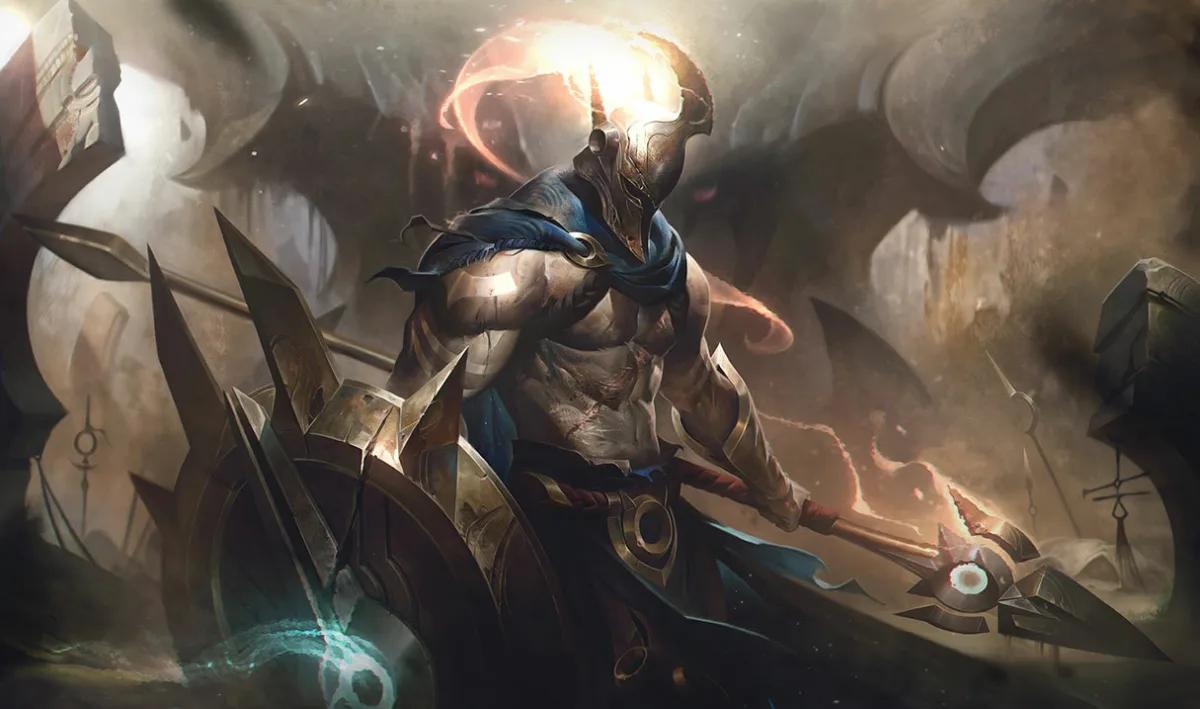
Mortal Will is the first thing to check before walking up as Pantheon. After five attacks or abilities, it empowers his next basic ability. Empowered W makes his next attack strike three times; the leap does not deliver that attack for you. Click the target after arriving rather than skipping straight to another spell. Those counts come from Pantheon’s normal passive and W data, bound to the current English tooltips.
Prepare stacks while farming, then ask what the opponent must walk up for. If you have saved empowerment for W, do not spend it on an unnecessary Q before that last-hit opening. A Talon approaching for a minion can enter a much less comfortable exchange if Pantheon has empowered W ready. Pantheon can stun, take the empowered attack, and decide how much longer to stay. If the same Talon remains out of reach and farms with W, walking through his minions to force the leap changes the trade considerably.
A ranged opponent who makes Pantheon use Q for last hits can deny that clean W trade. Chasing them through their minions only helps if you can reach them at an acceptable health cost. Otherwise, collect your wave and save the threat for their next mistake.
Tap Q is useful for a controlled exchange because tapping refunds part of its cooldown. A charged throw travels farther but can expose your intention and is reduced against enemies beyond the first. Choosing the tap for a reachable target is different from throwing through the wave because you feel required to deal damage every few seconds.
E is the tool for ending a trade on favorable terms, provided you face the relevant damage. Its normal duration is 1.5 seconds, and it blocks non-tower damage from the chosen direction. It does not make Pantheon immune to crowd control, damage coming from behind him, or tower shots. The current normal E values and tooltip binding support that directional limit.
Choose E’s direction with LeBlanc’s return pad in mind. If you cast it toward her landing spot and she returns behind you, the shield can face the wrong threat. If you need E to survive her return trade, do not spend it just to speed up clearing the wave before that trade is finished.
Grand Starfall at six gives Pantheon a reason to prepare a crash before an ally starts fighting. It has a windup and an arrival location the enemy can respond to. Check whether your allies can keep the fight going until you arrive; otherwise, you may abandon mid experience only to watch everyone walk away from the landing.
Talon: check the return blade before committing
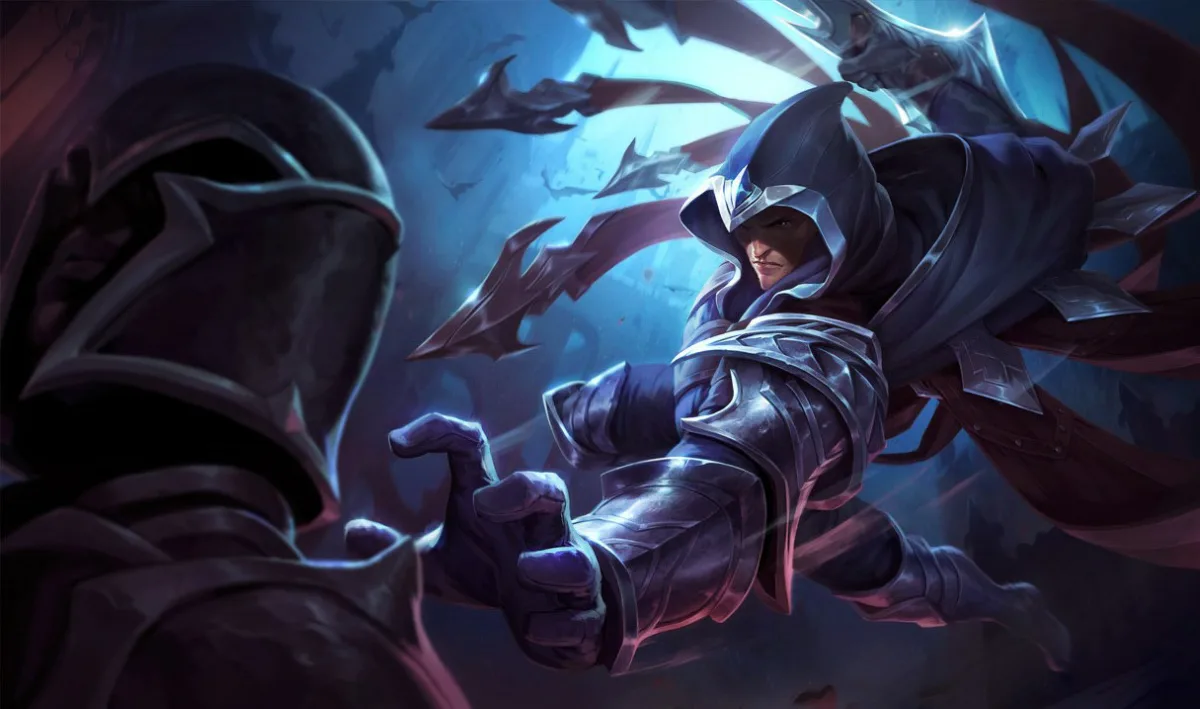
Talon’s early threat starts with Blade’s End: build three ability stacks, then attack to trigger the bleed. Rake can damage on the outward and returning passes, with the return applying a slow. Noxian Diplomacy adds another ability hit and can close distance. Reaching three stacks does not trigger the bleed by itself, as Talon’s current kit explains.
If you have Q and W learned, both W passes plus Q can prepare the bleed, but the attack still has to land. If the opponent sidesteps the return blade, the same leap no longer delivers the same sequence. Look at the target’s stack indicator rather than completing the combo from memory because you reached level two.
Against Neeko, check E before leaping across open space: she can answer your approach with a root and place Q where you stop. A root does not stop you from attacking a target already in reach, but it can keep you in her damage after the trade. Her missing E and taking both W passes gives you a much better reason to approach than simply gaining a level.
Q also changes with distance: in melee range it critically strikes instead of making the leap. Q kills restore health and refund part of its cooldown. Those normal Q and W rules give you a quieter option in a difficult lane: secure a necessary last hit, preserve health, and wait for a better return-blade angle. Do not force a melee-Q attempt by walking through damage you cannot afford.
Talon’s early map threat becomes useful after the wave allows him to leave. Assassin’s Path crosses terrain, but recently used terrain has its own long lockout. A wall used to enter an enemy approach may not be available to get you back out. Choose an unused exit before a river attempt, and turn back if the target has already withdrawn beyond your allies’ reach.
At six, Shadow Assault adds damage, invisibility, and movement speed. It can help Talon approach or leave; it does not make a crowded enemy formation a good target. If the only reachable champion can hold you in place while their teammates arrive, preserving the ultimate and returning to the wave is a valid use of your early strength.
The first recall matters even if nobody dies
Suppose you have forced the opposing mid to retreat, but your health and mana are also low. Staying for one more trade can give back the advantage before you spend your gold. If you can safely finish the crash, do that and recall. If you cannot finish it without dying, take the imperfect recall and plan for the wave you will meet on return.
A solo kill is one possible return on the pick. Forcing the opponent to recall while you finish a crash can be enough. So can keeping your defensive spell ready while collecting the wave, then joining a nearby fight without having to wait for it.
Losing the first exchange can make every safe last hit feel like a wasted opportunity on an early-game pick. Resist that urge to win it back immediately. Keep enough health to collect experience. Use the opponent’s missed spell or recall to recover space, and do not answer every river ping while your tower is taking the wave. For a less demanding learning curve, the easiest mid-laner guide is a better starting point than choosing LeBlanc or Akshan purely for early pressure.
Before the next trade, check the advantage that made you pick the champion. If the return pad is unsafe, the swing is blocked, or the required stacks are missing, wait. The opponent still has to come back for another wave.