
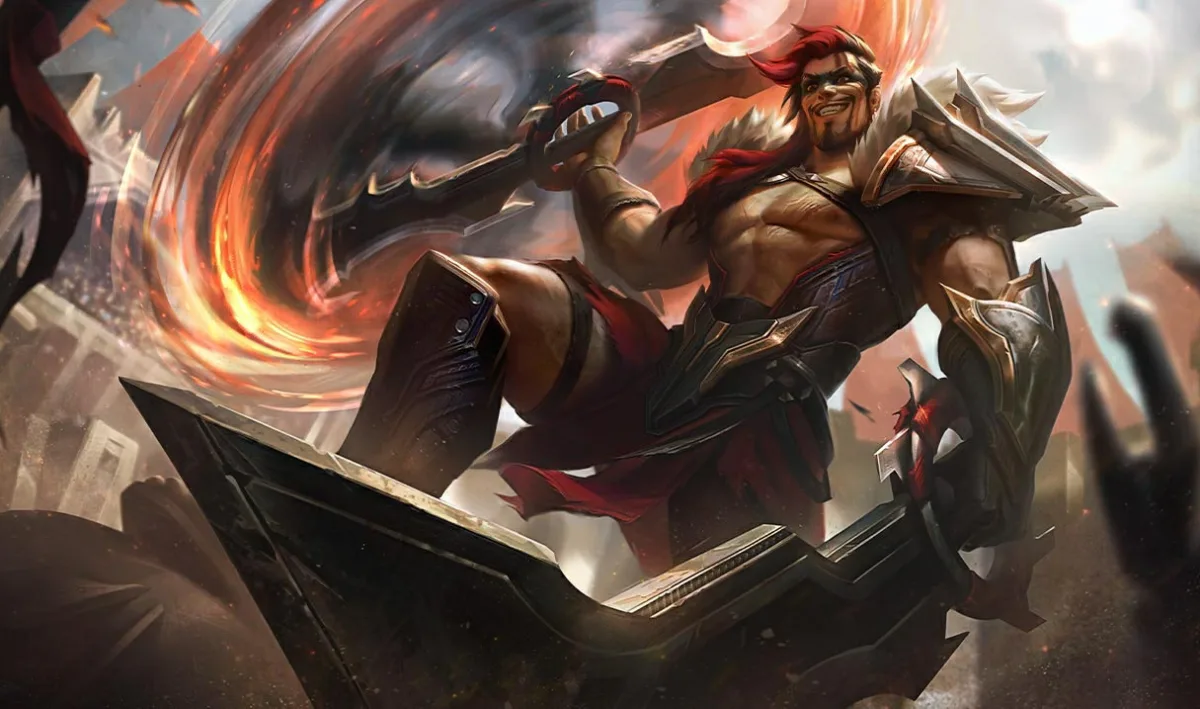
Draven catches the axe, watches the Adoration counter rise, and turns one enemy bot-lane death into a much larger economic event. The same counter makes a bad fight unusually expensive. Dying before the payout removes half of his stacks, hands the opponents kill gold, and often leaves the next wave in a position where rebuilding two axes is dangerous.
That is why Thresh is the best support for Draven on Patch 26.17. He can create the first kill with Death Sentence and Flay, but he does not require Draven to abandon a safe axe route to finish the attempt. Dark Passage gives the lane an exit after the target survives, while Flay and The Box can stop the counter-engage. Thresh offers a payout plan and a cancellation clause.
Blitzcrank is better when one pull can deliver a vulnerable target straight into Draven’s damage. Janna is the anti-dive answer that turns an enemy commitment into the cash-out. Karma reduces the target’s health and controls the wave until a kill no longer requires a reckless chase. Pyke has the most unusual contract: Draven’s passive can trigger from the assist when Death From Below executes the target. Each choice answers a different lane, and the most aggressive-looking duo is not always the one most likely to protect the stacks.
Patch 26.17 did not directly change Draven in modern Summoner’s Rift. Thresh lost active damage on Flay in the standard champion section, but the hook, lantern, displacement, and slow that make this pairing work remain intact. Blitzcrank also appears in the notes, though those changes sit below the separate Classic heading and do not apply to this article.
Cash-out is a lane state, not one combo
League of Draven gives Adoration for catching Spinning Axes and killing non-champions or turrets. A champion kill consumes the stacks for bonus gold, while a death removes half of them. Whirling Death also executes a champion whose health falls below the current Adoration count. The support is playing around a growing resource even when neither bot laner has pressed an ability.
The obvious job is to create a kill. The harder job is to create one that Draven can reach without walking through every hostile cooldown. His axe landing location follows his movement at the moment the spinning attack hits. Both teams can see the landing marker. A support who starts after Draven has directed an axe toward the river wall may be inviting the enemy jungler to collapse on a destination they already know.
The wave decides how much room the contract has. On the first two waves, Draven’s damage can help secure level two, but forcing the push also opens the long lane behind him. At an enemy turret, the next marker can land beside a wall or outside the minion line, exactly where a hook, binding, or jungle entry can punish the catch. Near Draven’s turret, there is less room to chase a support who drops to low health and escapes through the river.
The support therefore needs to read four moving pieces: the target’s health, the hostile spells still available, the next axe marker, and the wave that will remain if the fight ends. That is not a checklist to recite in lane. It is the difference between a controlled payout and an all-in that spends the stacks, both summoner spells, and the cannon wave without collecting anything.
Thresh writes the safest contract
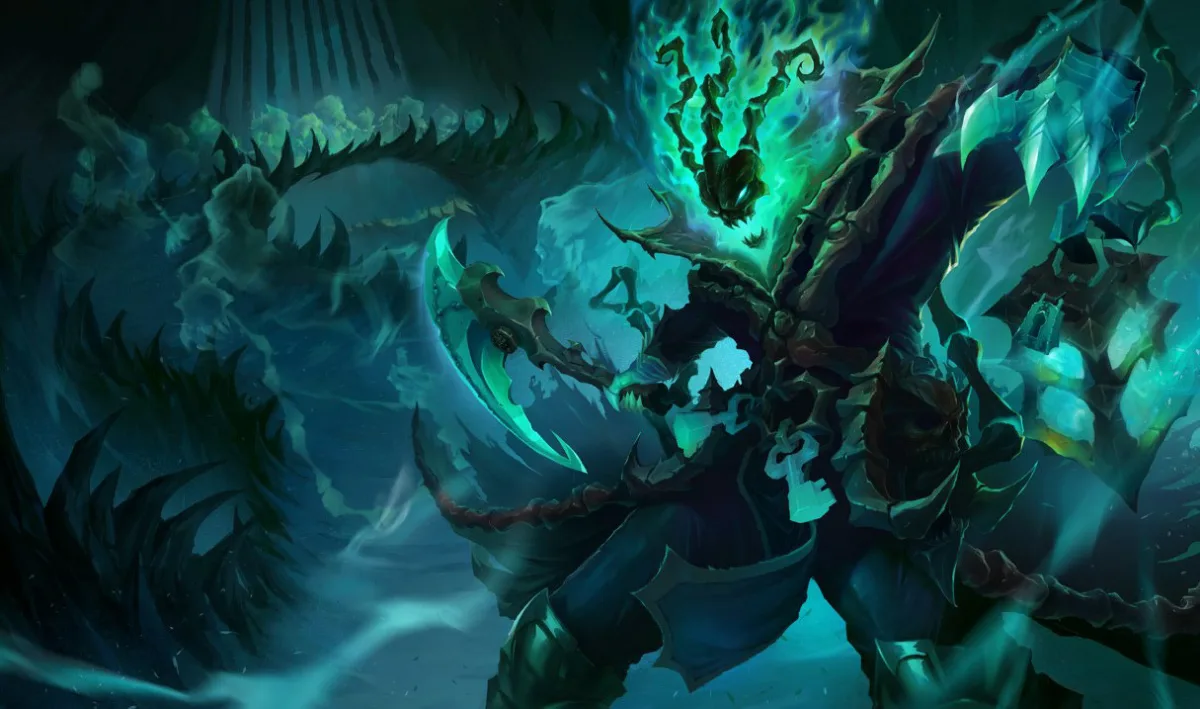
Thresh owns the broadest cash-out plan because he can begin from either side of the target. Death Sentence catches an enemy who steps beyond the minions. Flay can pull that target back toward Draven or interrupt a champion trying to cross the axe route. If neither spell offers a clean start, Thresh can stand ahead of the wave and make the threat itself buy Draven room to farm and stack.
The first payout should begin with distance still available. Imagine the third wave has met slightly outside Draven’s turret and the enemy ADC walks up for the cannon. Thresh approaches from the lane brush, Flays the target toward Draven, then throws Death Sentence after the displacement. Draven can direct his next axe into the open lane and attack along the same line. Starting with the maximum-range hook may look cleaner, but taking the second cast immediately can put Thresh behind the enemy while Draven’s next marker has bounced backward. The support has started a fight his damage dealer cannot follow.
Dark Passage separates Thresh from the pure engage supports. Draven can step toward an exposed marker, take the attack he needs, then use the lantern before the jungler reaches the landing circle. The lantern also lets Thresh begin from fog without demanding that Draven cross the whole lane first. It does not rescue a player who ignores the click, and a minion, ward, or champion can make the lantern awkward to select, so its position must be outside the crowd rather than under Draven’s feet.
When the first attempt fails, Thresh still has ways to keep the loss singular. A missed Death Sentence should end the chase unless the enemy has already spent the spell that can reach Draven. Flay can be held for the retaliation, and The Box can close the route once level six arrives. The duo gives up pressure for the hook cooldown, but it does not have to give up the stacks or the wave as well.
The Patch 26.17 Flay nerf matters at the edge of a kill. Its active base damage fell by 10 at every rank and its ability-power ratio fell from 70% to 60%. That can leave a target alive for one extra attack. It does not change Thresh’s place at the top here because his value is the choice between entry, route control, and extraction. Current single-patch data also gives this pairing one of the largest samples among Draven’s supports, while RiftMind’s rank-split model puts it above expectation in both of its displayed rank groups. The exact filters and samples are recorded in sources.md.
Thresh becomes less convincing when the player treats every hook as permission to travel. Draven needs the target delivered into his route more often than he needs Thresh delivered away from it. The best Thresh player for this lane is not necessarily the one who lands the longest hook. It is the one who knows which half of the ability completes the cash-out.
Blitzcrank brings the target to the axes
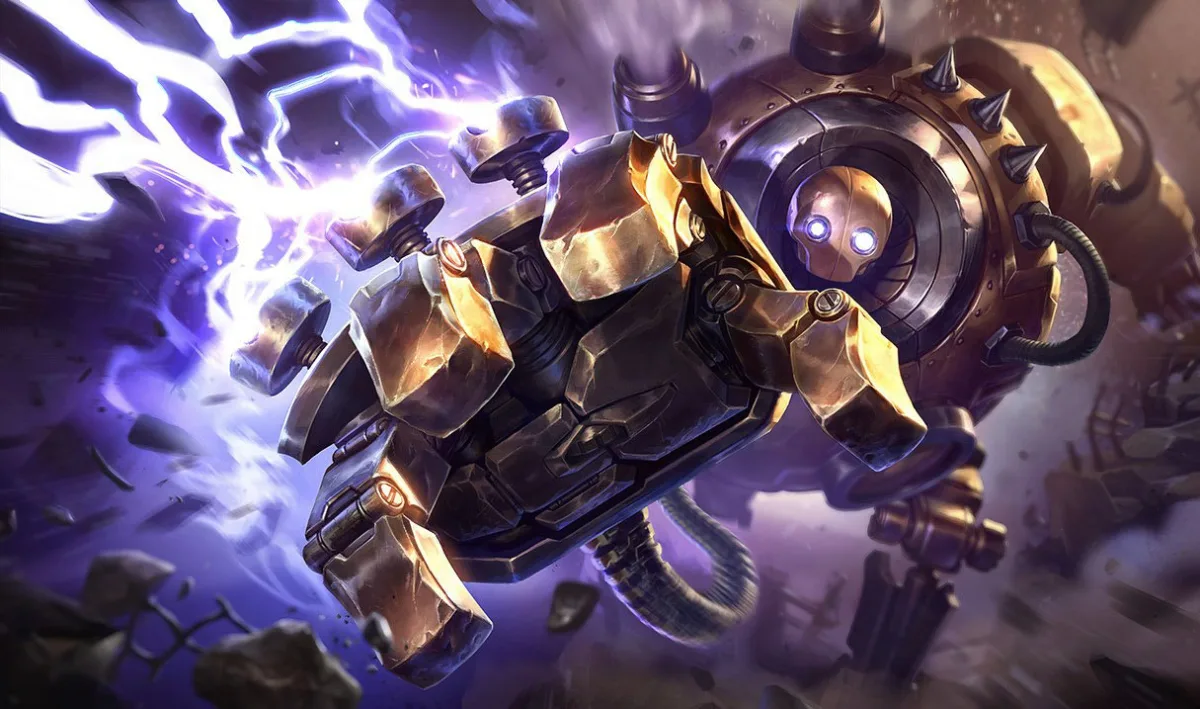
Blitzcrank offers the shortest path from pressure to payout. Rocket Grab moves a target across the lane, Power Fist knocks them up, and Static Field can strip a shield before the last attacks land. Draven does not have to chase into a fresh set of hostile minions if the target arrives beside him.
That plan is strongest when the wave contains a real hook lane. If Draven and Blitzcrank secure level two first, Blitzcrank can walk around the thinning melee minions while Draven holds two axes. The enemy must choose between conceding the last hits and stepping into the side channel. A pull from that angle places the target in front of Draven, not behind the enemy wave, and the axe can be directed parallel to the retreat. Stand Aside should follow the displacement or interrupt the escape spell rather than push the target away before Power Fist lands.
Blitzcrank protects an axe route by making entry costly. The support can stand between the marker and an enemy champion, then threaten Power Fist if that opponent walks through. Rocket Grab can also peel a diver away, but using the lane’s main cash-out spell defensively means the duo has no immediate second start. That is still preferable to treating every marker as mandatory. An axe can be dropped; half an Adoration bank cannot be restored on the next basic attack.
The failed attempt is where Blitzcrank drops below Thresh. Once Rocket Grab misses, the opponents know the long-range threat is unavailable. If Draven keeps running forward on Blood Rush, he may direct the next axe into a space Blitzcrank cannot protect. The correct response is often to stop at the current marker, keep Power Fist for the first enemy who crosses the wave, and thin the return push. Static Field should not be spent for harmless damage if its silence or shield removal could stop the counter-engage.
Current evidence supports Blitzcrank as more than a highlight-reel answer. He appears positive in METAsrc’s broad Patch 26.17 table and leads RiftMind’s displayed high-elo support deltas for Draven over its current three-patch window. Those datasets do not prove that every pull lane is good. Blitzcrank is a poor contract into a protected front line that wants to be pulled, or into a lane whose minions never leave him an angle. In those games, a support who can maintain the wave or deny the return dive has more ways to get Draven paid.
Janna waits for the enemy to sign first
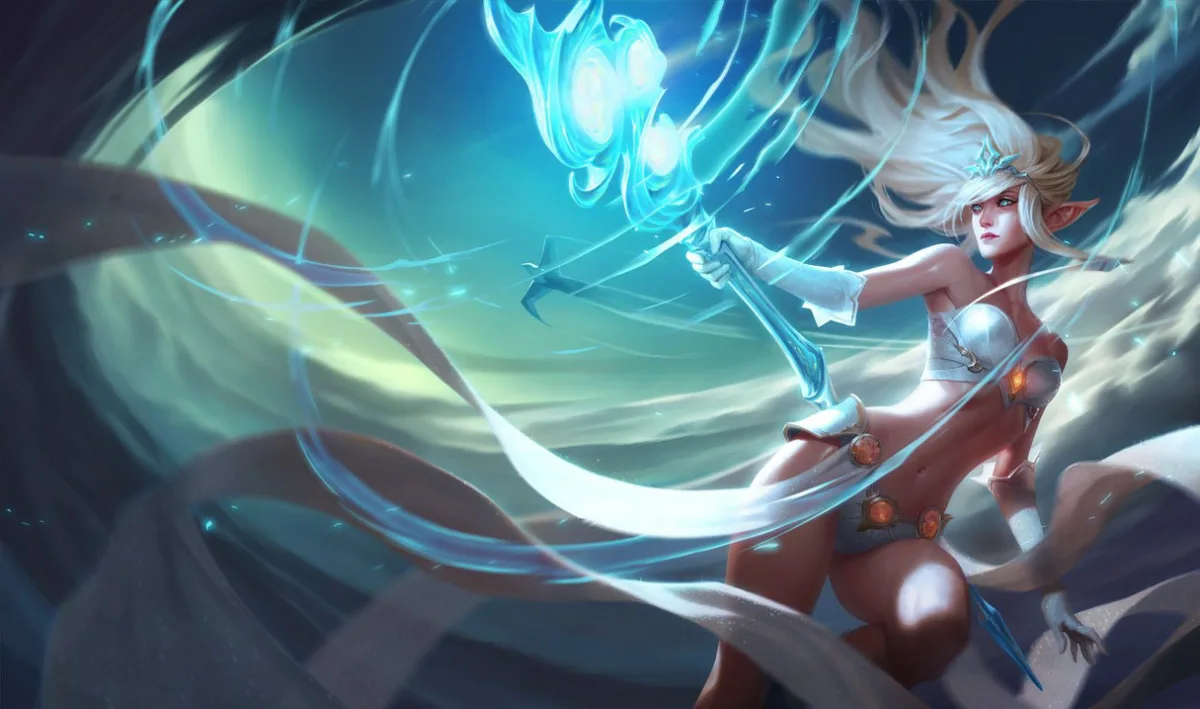
Janna is the answer when the opposing draft already intends to enter Draven’s space. She does not manufacture the first payout as reliably as a hook support. She makes the enemy’s engage the opening. Howling Gale knocks up champions crossing a lane, Zephyr slows one runner, Eye of the Storm shields Draven and increases his attack damage while it holds, and Monsoon can throw the remaining attackers away.
The lane sequence begins at the axe marker, not at maximum tornado range. Against Leona, Rell, or a short-range jungler, Janna can charge Howling Gale across the strip between Draven and the visible landing circle. If the engage starts, the tornado interrupts the approach while Eye of the Storm keeps the first spinning attack threatening. Draven attacks the nearest committed champion, catches on the protected side, and uses Stand Aside after the knockup ends. The cash-out target has entered his damage rather than forcing him to search for one.
Janna can also stand on the safer side of the next marker. Tailwind gives allied champions movement speed while they move toward her, so her position can help Draven leave a contested circle without using every Blood Rush refresh to go forward. Zephyr’s slow buys another attack when the enemy retreats, but casting it too early gives up Janna’s own passive movement speed from the ability. The support should not trade her positioning tool for light poke if the enemy still has a direct engage.
A failed Janna all-in usually fails slowly, which is valuable. If the target survives with Flash, Janna can shield the retreat and hold Gale for the chase. After level six, Monsoon can end the fight, though it can also push a nearly dead target out of Draven’s range. The support must decide whether the Adoration is still realistically collectible before pressing it. Saving Draven and half the bank beats stretching a lost attempt into two deaths.
Janna’s current numbers are striking but need restraint. She led the METAsrc result among this article’s five candidates in the refreshed Patch 26.17 all-region, all-rank snapshot, on a much smaller sample than Thresh, and RiftMind also placed her above expectation in both displayed rank groups. That does not make her the blind default. If the allied draft has no one else who can start a fight, the enemy can simply refuse to enter, clear the wave, and make Draven carry stacks into an increasingly awkward map. Pick Janna when the enemy’s route to Draven is already obvious and valuable, not when the whole team needs the support to create action from fog.
Karma turns lane pressure into the payout
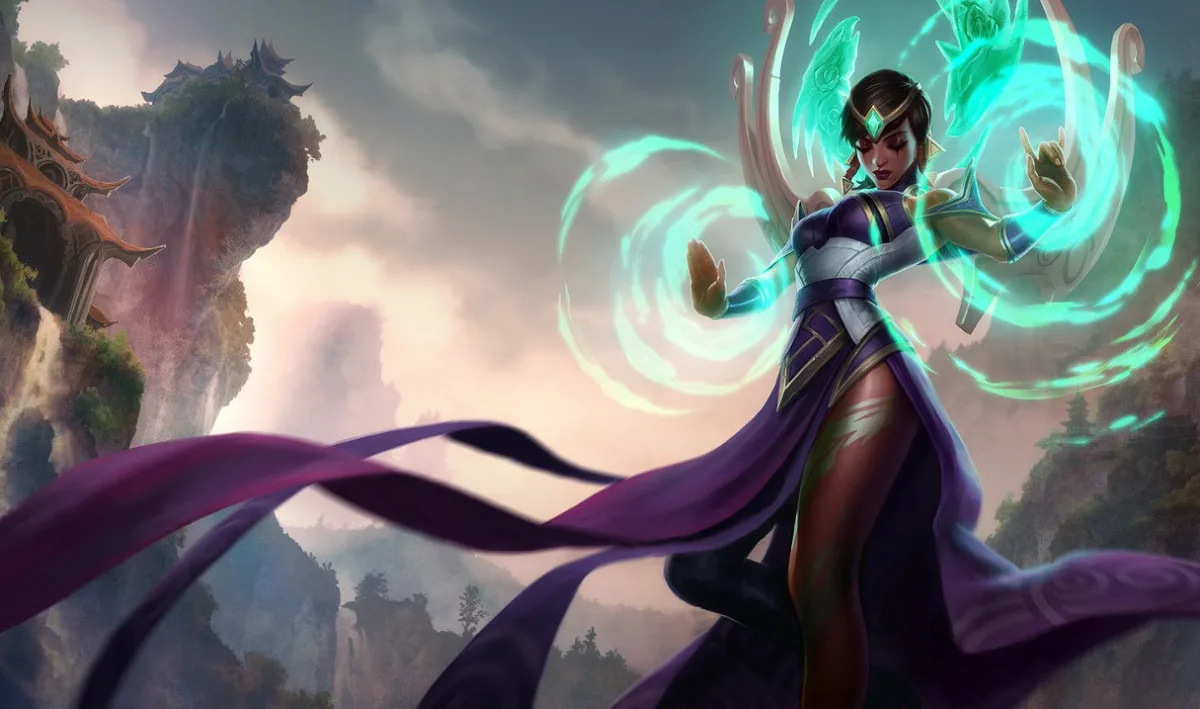
Karma’s contract is paid in smaller installments before the kill. Inner Flame and Mantra-empowered Inner Flame damage opponents who stand near their minions. Inspire shields Draven and increases his movement speed. Focused Resolve reveals and tethers one target, then roots if the tether survives. Together, those spells lower the health threshold at which Draven can finish without chasing through an untouched lane.
On the first waves, Karma should use the side of the lane rather than firing every Q through the full minion pack. Hitting both champions and the wave may secure priority, but an uncontrolled crash can strand Draven near the enemy turret with a large Adoration bank and no vision. The better third-wave plan is to earn the push, ward the likely jungle entrance during the crash, and use the rebound to create a longer lane for the next tether. Pressure is useful only if the duo can choose where the next axe lands.
Inspire is the axe-route spell. If Draven has already directed a bounce toward the open side, the shield and movement speed help him collect it without spending Stand Aside on the approaching support. Karma can then tether the first champion who crosses the marker. She should not start Focused Resolve on a target who can walk behind terrain or pull her away from Draven; the root matters only if remaining in range does not expose both bot laners.
When an all-in comes up short, Karma can change the meaning of Mantra. A second empowered Q may secure the kill, but Mantra plus Inspire can move both champions away from the counter-gank and preserve the stack bank. This is the pairing’s essential discipline. The support who used every empowered cast for damage has built a cash-out plan with no refund.
The live datasets disagree on Karma’s surface result. METAsrc’s broad one-patch table was negative, while RiftMind listed Karma above its role-adjusted expectation in both low- and high-elo windows. The difference is a warning against promoting one percentage into a permanent rule. Karma belongs here for drafts where lane control, a safer approach to the marker, and an exit from the crash solve the actual problem. She is worse when the enemy can ignore the poke, force through the shield, and make the duo fight without a hard first stop.
Pyke has a special cash-out clause
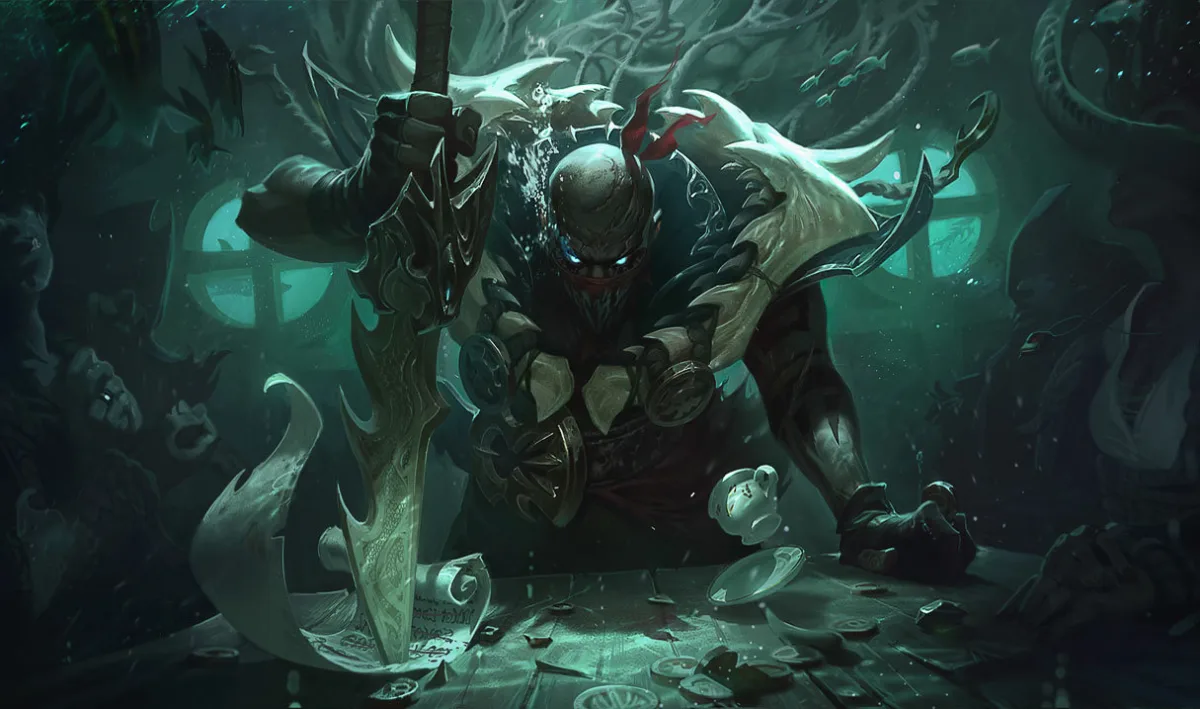
Pyke is the exception that has to be understood before champion select. Normally Draven wants the champion kill himself. When Pyke executes an enemy with Death From Below and Draven receives the assist, League of Draven still triggers and cashes the Adoration. Pyke can take the execute without stealing the passive payout.
Before level six, the lane is less forgiving. Bone Skewer can pull a target into the axe line and Phantom Undertow can stun along Pyke’s return path, but Draven still needs the final hit to collect. A clean early sequence starts after the enemy has stepped beyond the caster minions. Pyke threatens the charged pull from the brush, Draven directs an axe toward the open lane, and Stand Aside slows or interrupts the retreat after the pull. Pyke should not dash through the target before Draven’s route is established. A stun behind the enemy can ask Draven to leave both axes and cross into the hostile support.
Pyke protects the marker through threat, not durability. He can hold Bone Skewer to pull a diver away or use Phantom Undertow across the approach, yet he offers no conventional shield and often exits with Ghostwater Dive before Draven can follow. If the first burst fails, the support may survive a route that is unavailable to his ADC. The duo must call off the attempt as soon as the target leaves execution range and the hostile crowd control returns. Pyke escaping alone does not preserve Draven’s stacks.
At level six, Death From Below gives the lane another way to finish a low-health or escaping target, but the X-shaped cast is not permission to ignore the wave. If Pyke roams while Draven holds a large bank under an enemy freeze, the support has replaced a bot-lane cash-out plan with a hope that another lane pays first. Roaming is strongest after a crash, after Draven has already cashed, or when the enemy bot lane cannot threaten a dive during the absence.
This is also where popularity can mislead. Pyke was one of Draven’s most common supports in METAsrc’s current broad snapshot, yet the pair’s result was negative there. RiftMind’s role-adjusted view put Pyke above expectation in both rank groups. Neither result settles the draft. Pyke is wrong when the team needs a durable front line, the enemy can force on Draven after Pyke disengages, or the lane cannot create a clean pull channel. The special passive interaction removes one source of kill-credit conflict. It does not remove the cost of a missed all-in.
The landing marker belongs to both teams
Every recommended support changes the space around a visible destination. Thresh places a lantern beyond it. Blitzcrank threatens the champion who walks toward it. Janna draws a tornado across the approach. Karma speeds Draven through it. Pyke makes the enemy choose between contesting the marker and exposing a flank.
That shared information changes brush play. If the marker falls toward river while the duo has no ward beyond the wall, the support should move to the river side before looking for damage. If it falls back toward the allied caster minions, the support can hold a forward pocket and make retreat expensive. Standing directly on Draven is rarely enough. One area spell can then hit the support, the ADC, and the only place the axe can be caught.
It also changes target selection. Draven should not abandon two safe axes to reach the enemy ADC when a support has already entered the protected marker. Cashing out on the legal front target produces the same Adoration gold. The support’s job is to keep that target in range and stop the rest of the lane from collapsing, not to insist that every payout look like a back-line assassination.
Stop the double loss after a failed attempt
The first missed spell does not have to become the death that cuts the bank. The duo should stop spending as soon as the original cash-out condition disappears. For Thresh, that may be the enemy Flashing beyond Flay range. For Blitzcrank, it is often Rocket Grab missing. Janna stops chasing when the enemy no longer has to re-enter her control. Karma changes from damage to movement when the counter-gank appears. Pyke leaves only after Draven also has a route out.
The remaining wave matters next. If the failed attempt happened during a slow push toward the enemy, mindlessly clearing the last minions can create a freeze that forces Draven to expose the bank again. The support should help complete the crash if it is safe, or preserve enough health and cooldowns to break the freeze with the jungler. If the fight happened on a wave returning toward Draven, the pair can concede a few minions and let safety come to them.
After Draven dies, the goal is not to reenact the same fight with fewer stacks and worse items. The support should identify what invalidated the first contract. A missed hook calls for a better wave angle, not necessarily another hook champion. A jungle collapse calls for vision and crash timing. An enemy front line that survived the burst may call for Janna’s denial or Karma’s pressure instead of a second all-in support.
The cash-out changes the map too. Once Draven collects, the support no longer needs to guard an irreplaceable bank on every wave. Thresh and Pyke can roam after a controlled crash. Blitzcrank can threaten the next objective entrance. Janna can protect the lead through lane swaps, and Karma can use group movement to turn the item advantage into turret pressure. The first payout is valuable because it expands the duo’s choices, not because it obliges them to keep fighting bot until shutdown gold appears.
In a full teamfight, the same contracts narrow into one job. Thresh keeps Dark Passage available and uses Flay on the champion crossing Draven’s firing line. Blitzcrank pulls a reachable target out of formation instead of sprinting past the front line for a low-percentage hook. Janna denies the first dive, while Karma shields the route between safe targets. Pyke approaches from the side only after health bars fall; if he flanks before Draven has protection, the team has recreated the lane’s failed-all-in problem with five opponents present.
Pick the payout plan the draft can finish
Thresh is the best all-purpose support for Draven because he can create, protect, or cancel the cash-out attempt without changing champions. Blitzcrank is the sharper answer when one isolated pull wins the lane. Janna is strongest when dive is inevitable and the enemy will bring the target into Draven’s range. Karma makes the kill cheaper through wave control, poke, and movement. Pyke is the specialist whose ultimate can execute and still trigger Draven’s passive, but whose failed entry can leave the ADC alone.
Do not reduce the choice to engage versus enchanter. Ask how the lane produces the first legal target, who owns the ground under the next axe, and which spell ends the play when the target survives. The best support for Draven is the one whose cash-out plan still leaves the stacks alive when the first answer is no.
For the wider draft, compare RiftBrain’s current ADC ranking and support field.
Update watch: Mechanics and samples reflect Patch 26.17 as checked August 30, 2026. Reassess the order when Riot changes Draven’s Adoration payout or death loss, Spinning Axe landing behavior, Whirling Death execute, bot-lane waves, or a featured support.