
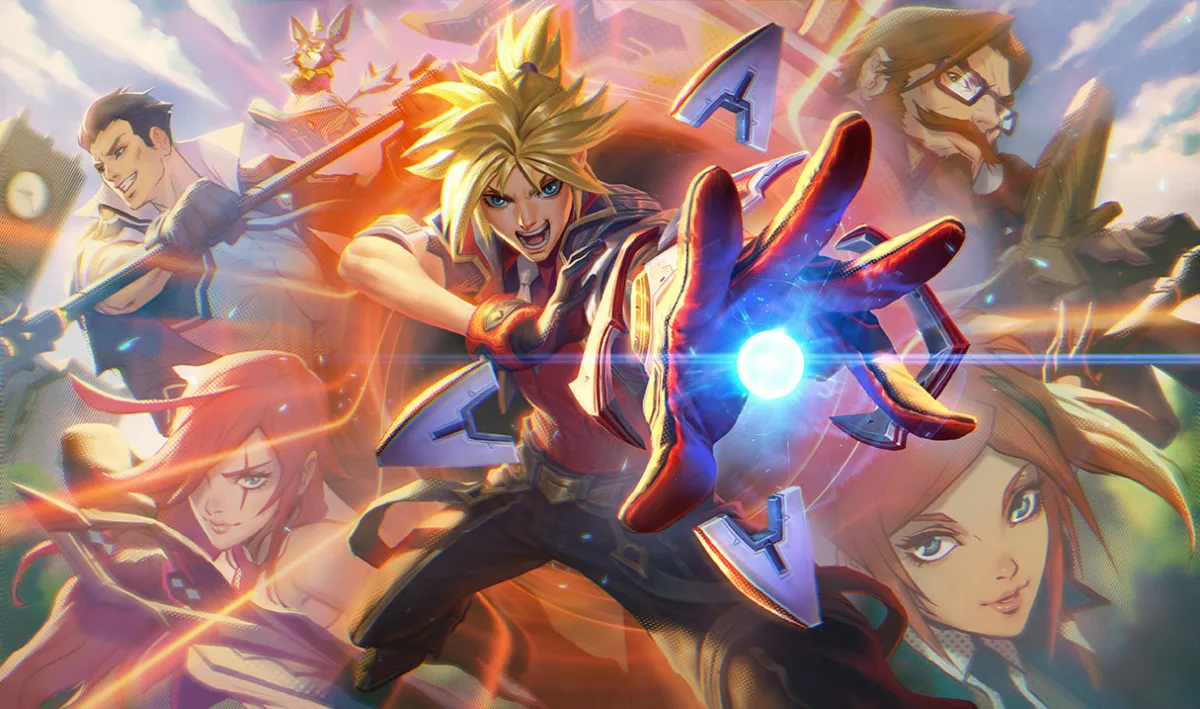
Ezreal is our first example of a bad default when a player chooses safety without practicing damage uptime. That does not make him the weakest champion on 26.18. This list uses “worst” to mean a costly fit for an unprepared player: seven kits that ask for more execution, coordination or draft support than their familiar name may suggest.
Reviewed for modern PC Summoner’s Rift Patch 26.18 on September 10, 2026. This is a list of costly fits for unprepared players, not a measured bottom-win-rate ranking. Varus’s on-hit item context includes Rageblade’s longer stack window.
The order is editorial. We compare the gap between a champion’s apparent safety and the work needed to deliver useful damage or control. No verified 26.18 win-rate table establishes these seven as the weakest current champions.
These seven LoL champions can be poor defaults without the relevant practice:
- Ezreal
- K’Sante
- Orianna
- Rengar
- Yuumi
- Varus
- Jayce
That is not a blacklist. Each champion can take over a game in the hands of a specialist, and several remain useful in coordinated drafts. Their best outcomes simply sit behind an access tax: repeated mechanical checks, a narrow team composition, specific lane pressure, reliable communication, or a patch state that gives little margin for error.
The short version: what makes these picks costly
| Rank | Champion and role | The access tax |
|---|---|---|
| 1 | Ezreal, ADC | Skillshot uptime, passive management, and aggressive range use |
| 2 | K’Sante, top | Form management, displacement geometry, and matchup knowledge |
| 3 | Orianna, mid | Ball tracking, spacing, and allies who can carry the Ball into fights |
| 4 | Rengar, jungle | Brush routes, Ferocity choices, tempo, and enemy defensive tools |
| 5 | Yuumi, support | Lane partner quality, Best Friend planning, and limited independent control |
| 6 | Varus, ADC | Build identity, immobility, and support-dependent lane conversion |
| 7 | Jayce, top | Six basic spells, early pressure, wave control, and clean acceleration gates |
The table identifies each pick’s access cost: what must go right before its kit provides value. An experienced main may already meet that cost, while a first-time pick in the same lobby may not. Use the limitation column to decide whether the champion fits your preparation.
"Worst" means a poor default, not an unplayable champion
The worst champion for a player depends on role, matchup, composition, patch and practice. A familiar pick with a difficult reputation may be more useful than an unfamiliar favorite from a tier list. Public win rates also mix specialists, autofilled players, counterpicks and failed build choices.
This ranking asks a more useful champion-select question: if a player has no special mastery advantage and cannot count on voice communication, which mainstream picks demand the most before their intended strength appears?
Four different bills can arrive.
The mechanical bill is obvious on Ezreal, Rengar, and Jayce. Missing one spell is not always fatal, but their kits expect the player to pass the same execution test again and again. One clean combo does not cover a quiet five-minute stretch.
The coordination bill shows up on Orianna and Yuumi. Both champions can amplify an ally, but solo queue does not promise the right ally, the right entry, or agreement about when to commit. Their tools lose value when two players read the same fight differently.
The draft bill matters for K’Sante and Varus. Both have real answers, yet those answers change with enemy range, allied damage profile, frontline needs, and lane setup. Locking the champion early can create a problem that items alone will not repair.
Modern Summoner’s Rift is the scope. Patch 26.18 does not directly rebalance the seven featured champions. Guinsoo’s Rageblade does retain its attack-speed stacks for four seconds instead of three, which matters to an on-hit Varus plan; it does not remove his immobility or build-choice demands.
None of these taxes makes a pick shameful. They explain why a champion can look powerful on a stream, in professional play, or in a one-trick’s match history and still be a poor blind choice for everyone else.
How the seven were selected
Each selected champion represents a different recurring mistake: passive Ezreal damage, mishandled K’Sante form, lost Ball position, unprepared Rengar routes, overdependence on Yuumi’s host, mismatched Varus builds, or wasted Jayce pressure. These are play-pattern examples, not statistical admission thresholds.
The role still belongs in the evaluation. Varus bot and Jayce top ask different questions from an experimental support or jungle assignment. This list judges the listed role and its decision costs; it does not turn a weak off-role row into a verdict about the whole champion.
Mel illustrates why role needs belong in the decision. A support draft needs useful low-income control and protection; an extra damage dealer does not automatically supply either. She is outside this seven because the article focuses on the selected execution patterns, not because a stale off-role rate establishes a current verdict.
The order weighs mechanical load, coordination, draft fit and the penalty for losing early tempo. It does not estimate how often the wider player population chooses each champion or how many games those choices lose.
Ezreal leads because his visible escape can conceal his demanding damage pattern. A safe lane becomes low-impact farming if he misses Q, neglects passive uptime or refuses playable attack range. K’Sante’s difficulty is more obvious before loading in; Ezreal’s is easier for an autofilled player to underestimate.
1. Ezreal is the worst mainstream default pick
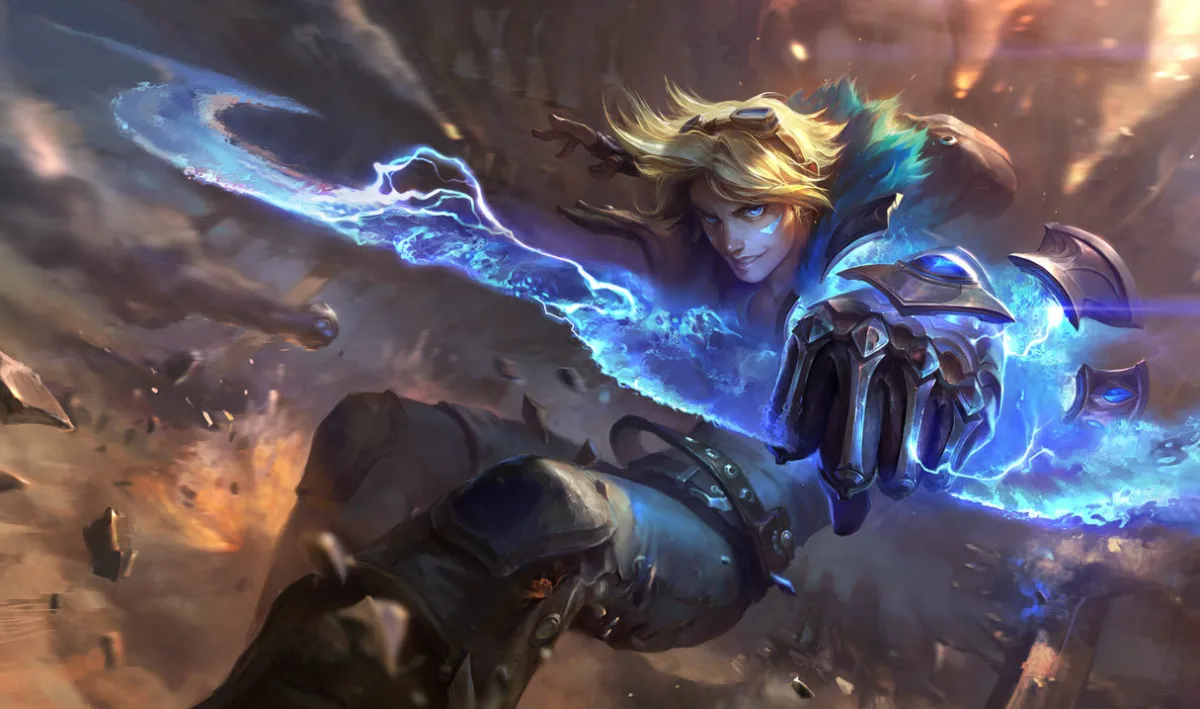
Ezreal’s reputation starts with a true statement. Arcane Shift is one of the best self-peel tools available to a marksman. He can farm with Mystic Shot, avoid some hostile lanes, and reposition without waiting for Flash. That package sounds ideal for an autofilled ADC.
The trap is what happens after safety. Ezreal gains attack speed when his spells connect, Mystic Shot reduces his cooldowns on hit, and Essence Flux rewards a follow-up spell or attack. His output grows when the player threads Q through minion gaps, uses the passive instead of ignoring basic attacks, and positions close enough to keep firing. The champion is safe only if the goal is to remain alive. He is demanding if the goal is to match a conventional marksman’s reliable damage.
No 26.18 change removes Ezreal’s need to land spells and keep attacking from a useful position. Arcane Shift can protect a bad step, but repeatedly surviving while conceding all pressure is still a losing plan for the lane.
The lane becomes passive for the wrong reason
Many struggling Ezreal lanes follow the same quiet script. Q is used to collect every minion from maximum range. The passive falls off. The support steps forward without an ADC beside them. The opposing duo takes the brush, controls the wave, and reaches the river first. Ezreal has avoided a death, but his lane has paid in pressure, vision, and plates.
Arcane Shift creates another false comfort. Using it forward can win a trade because the homing bolt prioritizes an enemy marked by Essence Flux. Using it without tracking the enemy engage leaves Ezreal punishable until the blink is available again. The difference between timid E and reckless E is matchup knowledge, not button difficulty.
Teamfights demand the same judgment. A good Ezreal attacks between spells and walks into the outer edge of danger to keep targets within Q range. A poor one fires at the nearest tank from a screen away, misses half the shots, and saves Arcane Shift for a threat that never reaches him. The scoreboard may show few deaths while the damage profile explains why the frontline collapsed.
When Ezreal stops being a bad pick
Ezreal is defensible when the player already lands Q through moving waves, keeps Rising Spell Force active before an important fight, and can explain when Arcane Shift should be used aggressively. He also fits drafts that need safe weak-side farming, mixed damage, or poke before an objective.
He remains a bad default when "safe ADC" is the entire reason for selecting him. Players who want dependable output without repeated skillshot checks will usually access more of Jinx, Miss Fortune, or Ashe in an ordinary game. The replacement does not need a higher theoretical ceiling. It needs damage that still arrives when the player is tired, autofilled, or forced to hit the target in front.
2. K’Sante never gives you only one job

K’Sante demands a decision about when durability is worth more than the damage and movement of All Out. Misreading that choice can turn a playable front line into an exposed carry. His place here reflects that execution cost.
Ntofo Strikes asks the player to manage a stacking pull. Path Maker combines a damage-reduction charge, dash, knockback, and stun. Footwork changes its reach and shielding when it targets an ally. All Out can carry an enemy through a wall and transform the rest of the kit, but K’Sante gives up defenses to gain damage and healing. His W even changes behavior in All Out, trading its control for damage.
That creates several ways to make a locally correct play that loses the wider fight. A beautiful wall carry can remove K’Sante from his own backline. An early All Out can surrender tank stats before the enemy has spent burst. A protective E can save one ally while conceding the angle needed to stop another threat. None of these decisions appears in a combo-trainer score.
The draft has to supply the job description
K’Sante works best when champion select tells him what to do. If the allied team already has stable damage and needs a frontliner who can peel, he can hold space and save All Out for the right target. If a reachable carry must be isolated, terrain gives him a route to change the fight. A melee-heavy enemy composition also lets his short-range control matter more often.
The blind-pick version is harsher. Ranged top laners can contest his access to the wave. Heavy magic damage changes the value of early defensive purchases. An allied composition with weak sustained damage can force K’Sante to transform and carry before the fight is ready. A team with no secondary frontline may collapse the moment he takes one opponent over a wall.
Players who love K’Sante should keep him. The kit rewards matchup study and repeated practice. Players who need a dependable tank for a small champion pool should ask a colder question: does the team need K’Sante’s exact displacement puzzle, or would Malphite, Ornn, or Shen deliver the required job with fewer decision points?
The answer will not always favor the simpler champion. It should favor K’Sante only when his special tools have a target before the loading screen appears.
3. Orianna charges for every second you lose the Ball
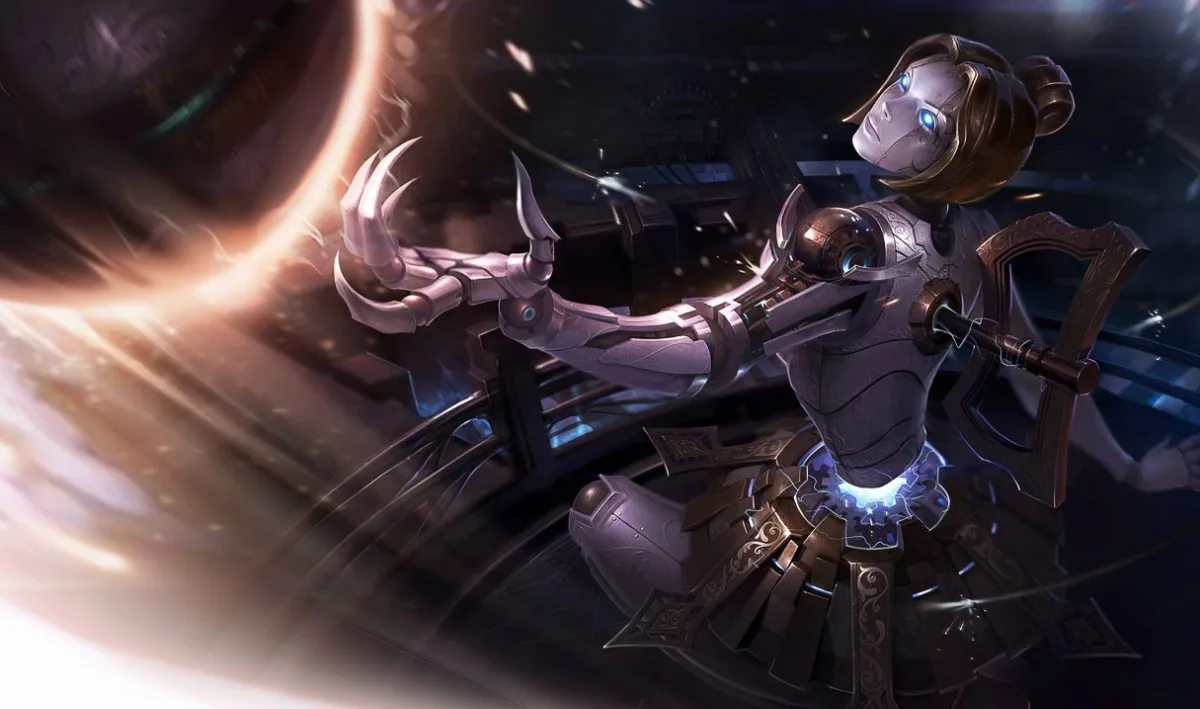
Orianna does not look like a mechanical showpiece. She has no dash sequence, stance swap, or reset montage. Her difficulty comes from managing two positions at once: her own body and the Ball that determines where the next spell matters.
Command: Attack moves the Ball and damages enemies along its route. Command: Dissonance creates damage plus a field that speeds allies and slows enemies. Command: Protect places the Ball on an ally, shields them, and damages enemies crossed along the way. Command: Shockwave pulls nearby enemies toward the Ball after a short delay.
Every spell is clear in isolation. The tax arrives because the Ball’s position can change after nearly every decision. A trade begins from the ground. A shield puts the Ball on the jungler. That jungler dashes out. Orianna walks in the opposite direction and the Ball snaps back. The next command starts from a position the player did not expect. In a crowded fight, one half-second spent finding the Ball can be the window in which the enemy leaves Shockwave range.
Good lane control has to become a useful fight
Orianna can pressure many mid lanes through spacing, Clockwork Windup attacks, and careful Ball placement. Yet respectable laning is not the same as conversion. She lacks a conventional dash. Poor river setup leaves her vulnerable when moving first. If she arrives late, the allied engage champion may already have used their entry before Command: Protect can attach the Ball.
Solo queue also makes her best delivery system unreliable. An ally carrying the Ball has to know whether Orianna is in range, whether Shockwave is available, and whether the intended target can escape. The ally sees an opening. Orianna sees another two seconds of travel. Both decisions can make sense from one screen, but the combination produces a missed ultimate.
Practicing the Ball improves Orianna’s execution, but it does not remove an opponent’s answers. Enemies can stay outside its radius, punish her immobility or separate the fight across several angles. Check whether the draft gives your practiced spell sequence a usable landing.
Orianna becomes a sound choice when the player treats Ball location as part of movement, not an occasional spell check. She also wants an allied diver or frontliner whose entry pattern is predictable. Malphite, Jarvan IV, Wukong, and similar initiators can turn Command: Protect into a delivery rather than a negotiation.
Without that structure, a mid laner seeking stable wave control may find more immediate value in Annie, Malzahar, or another champion whose threat starts from the champion model. Orianna is not outdated. She simply asks for attention that the minimap, wave, jungle tracking, and enemy spacing already compete to consume.
4. Rengar punishes players before he punishes targets

Rengar rewards prepared brush routes, Ferocity choices and knowledge of the enemy’s defensive tools. More mechanical confidence is useful only if the map gives him a target he can reach and finish before the response arrives.
Unseen Predator lets Rengar leap from brush with a basic attack. His spells generate Ferocity, and maximum Ferocity empowers the next ability. Savagery supplies burst and attack speed. Battle Roar can recover recent damage, while its empowered version also breaks crowd control. Bola Strike can slow or, when empowered, root. Thrill of the Hunt gives camouflage, movement speed, vision of the nearest enemy champion in range, and access to a leap that reduces armor.
Reading that kit as "jump and delete" skips the expensive parts. Rengar must approach through terrain that preserves leap access, enter with the right Ferocity state, choose between more damage, healing plus a cleanse, or a root, and know which defensive item or spell will stop the kill. A target surviving at 10% health is not a near success if Rengar has spent ultimate, revealed his position, and entered a team with no exit.
Jungle tempo makes every failed hunt visible
An ordinary assassin can fail a roam and return to lane. Rengar’s failed hunt often exposes his location to the entire map. The enemy jungler can take camps on the other side, start an objective, or countergank the lane Rengar no longer covers. His ultimate creates a strong signal, but it can also warn a prepared target to retreat or group.
Brush routes add another knowledge layer. A fight in river, lane alcove, or jungle corridor can offer several leap resets. A fight in open terrain removes much of that access. The player must anticipate where the skirmish will move instead of discovering the bad geometry after entering.
Team composition can close the door as well. Reliable point-and-click control, armor stacking, exhaust effects, peel, and grouped carries all raise the price of an assassination. Rengar can adapt into a bruiser plan in some games, but that decision changes target selection and fight duration. It is not a universal escape hatch for a draft that denied his first plan.
Rengar is worth the investment for a jungle specialist who studies routes, tracks defensive cooldowns, and wants brush mechanics to become part of pathing. He is one of the worst champions to add as a casual third jungle pick. Nocturne, Vi, or Wukong usually makes the first target and the follow-up easier to communicate, even if those champions cannot reproduce Rengar’s best snowball.
Choose Rengar when you want to practice the brush routes and Ferocity decisions repeatedly. If you only need an occasional jungle backup, the simpler access of Nocturne or Vi may fit your preparation better.
5. Yuumi outsources too much of the game

Yuumi’s difficulty is often discussed badly. Her buttons are accessible, but the ranked outcome is not.
Yuumi removes some movement inputs while attached, but she also gives up independent positioning and access. The host’s decisions affect whether she can deliver value. That dependency makes her a poor default for a player trying to avoid understanding the lane.
Feline Friendship heals Yuumi and the next ally she attaches to after she hits an enemy champion with an attack or ability. Time spent attached builds a special bond, and the strongest bond becomes her Best Friend. That relationship improves parts of Prowling Projectile, You and Me!, and Final Chapter. Zoomies passes its shield, movement speed, and attack speed to an attached ally.
The kit has real power, but another player controls much of its delivery.
Attachment does not solve the lane
Yuumi’s ADC chooses the wave position, trade distance, recall timing, and escape route while she is attached. If that player stands outside Prowling Projectile’s useful angle, Yuumi cannot move them. If they walk into a hook, her shield may soften the damage without changing the cause. If they recall on a poor wave, she often inherits the same bad reset.
Detaching can recover some agency. Yuumi can trigger her passive, block selected projectiles, help with the wave, or move to ward. Each action exposes a champion with low independent durability and limited escape. Good opponents watch the detach timing and save control for it. The player therefore needs matchup knowledge even though much of the champion’s reputation rests on avoiding interaction.
Best Friend adds a longer commitment. Attaching to one ally during lane builds bond that cannot be reassigned on demand. If another teammate becomes the actual win condition, Yuumi’s strongest bonuses may remain tied to a struggling ADC. Solo queue makes that forecast harder because nobody knows at minute two which carry will receive resources, tilt, roam, or disconnect from the team’s plan.
Vision is the quiet cost. A conventional support can path with the jungler, check a corridor from range, or escape a warding trip with their own mobility and control. Yuumi frequently needs a driver. When nobody walks into fog with her, the team can lose information. When the wrong person does, both champions can die together.
Yuumi is reasonable in a duo that understands Best Friend planning and plays a compatible carry. She can also punish teams that cannot reach or separate her chosen host. As a blind solo pick, she asks one unknown teammate to provide positioning, tempo, and access for two champion slots. Lulu, Milio, Nami, or another enchanter may expose the support to more danger, but they also let that player choose where to stand and when to leave.
Yuumi can still fit a prepared lane, including the Lucian pairing discussed in our support guide. Her protection and buffs can support his repeated attacks, but Lucian must supply the positioning and a reachable target. That draft-specific use does not remove Yuumi’s dependence on the host.
6. Varus is three draft plans wearing one portrait

Varus must choose a coherent damage plan before the fight begins. Poke, on-hit and AP-oriented purchases ask him to use different windows; buying pieces from each because they appear in a build menu can leave him with no convincing role.
His first access tax appears before the first item. Varus can lean toward long-range Piercing Arrow poke, on-hit sustained damage, or burst built around Blight detonation. Those plans want different fight lengths, target access, and allied setup. Champion select rarely labels the correct one.
Blighted Quiver makes basic attacks apply Blight, then other abilities detonate the stacks for damage based on maximum health. That pattern rewards time in attack range. Piercing Arrow gains range and damage while charging, which supports a poke identity but reduces movement and telegraphs the shot. Hail of Arrows slows and reduces self-healing and regeneration in its area. Chain of Corruption immobilizes the first champion hit and can spread to nearby enemies.
Each piece is useful. The full kit becomes awkward when the player buys for one identity and fights like another. A lethality-focused Varus who stands in basic-attack range gives up the safety his build purchased. An on-hit Varus who spends the entire fight charging arrows refuses the sustained damage his items were meant to provide. An ability-power plan that cannot safely build and detonate Blight stacks may never reach its advertised burst.
Immobility sends the bill to the support
Varus has no dash. Chain of Corruption can stop one entry and threaten nearby enemies, but missing it leaves movement speed and positioning as his main defenses. The lane partner therefore matters. A support who supplies reliable control can set up Piercing Arrow and protect the space needed for Blight stacks. A roaming support can leave Varus with waveclear and range, yet also invite repeated dives if the enemy has hard engage.
The wider draft must answer a second question: what damage profile does the team still need? Locking a poke build beside two other poke champions can leave nobody able to hit a frontliner once the enemy starts an objective. Choosing on-hit Varus into several long-range threats can produce theoretical damage with no time to apply it. The champion’s flexibility helps only when the player identifies the missing job and commits to it.
Varus earns his place in a planned lane, particularly when allies can chain control into his ultimate or when the draft clearly wants one of his damage patterns. He is a costly default for a player who selects him first and decides what champion to become after opening the shop.
Ashe offers less build mystery and more dependable utility for many players. Jhin supplies clearer pick follow-up when sustained tank damage is not required. A conventional scaling marksman can be better when the team simply needs repeatable front-to-back damage. Varus should win the choice because his specific profile fits, not because flexibility sounds safe.
7. Jayce has to cash in lane pressure
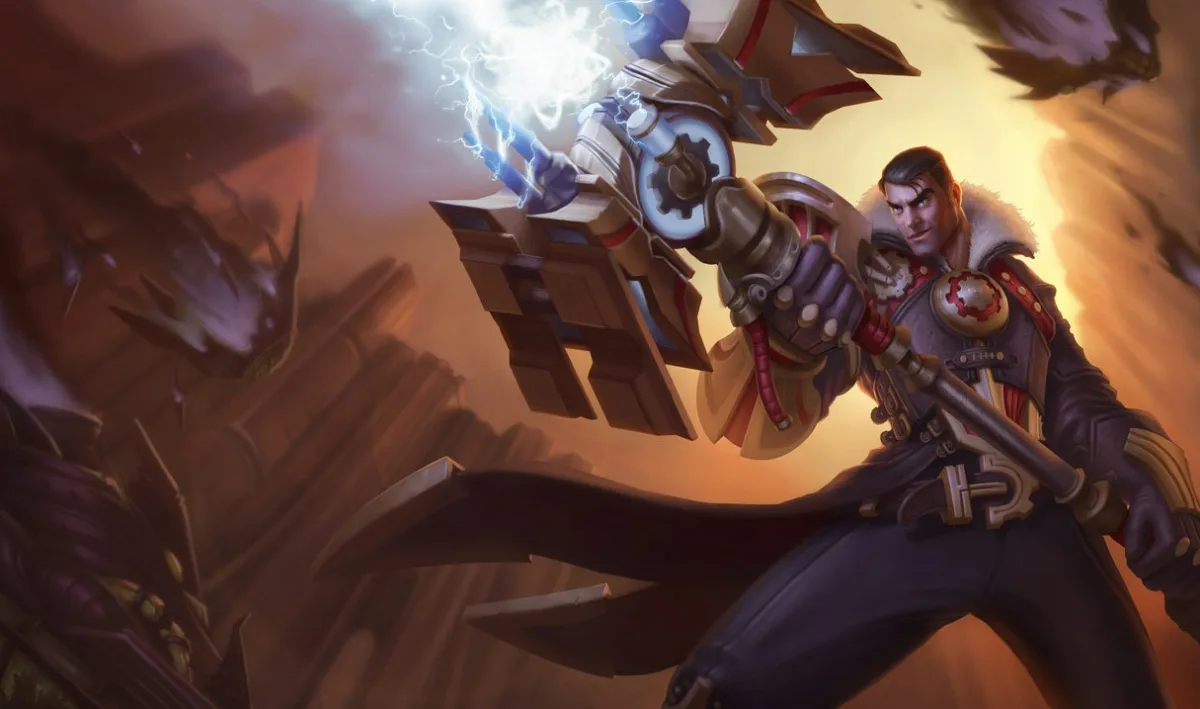
Jayce must turn range and form changes into pressure without losing the wave or exposing himself to a gank. His place here reflects the cost of wasting that early opportunity, not a claim that a current rank-filtered table puts him seventh from the bottom.
Mercury Cannon and Mercury Hammer give him two forms. Cannon stance supplies Shock Blast, Hyper Charge, and Acceleration Gate. Hammer stance supplies To the Skies!, Lightning Field, and Thundering Blow. Swapping weapons adds movement speed through Hextech Capacitor and changes the first attack in each form.
The famous interaction is simple to describe. Fire Shock Blast through Acceleration Gate to increase its speed, range, and damage. Performing it while managing the wave, hiding the projectile’s start, and placing the gate late enough to deny a reaction is harder. A poorly placed gate can reveal the angle, miss Jayce’s own movement path, or help allies at the wrong time.
Hammer form brings a different risk. To the Skies! enters melee range. Thundering Blow can create distance, but using it early may save the enemy from follow-up damage. Using it late may leave Jayce inside a stronger duelist. Form cooldowns mean the player cannot improvise every button twice. The order has consequences.
A neutral lane is often a lost bargain
Jayce usually pays for his flexibility with a demand for early pressure. He wants to punish melee champions, gain control of the wave, threaten plates, and arrive first to a skirmish. Going even can be acceptable in a particular matchup, but repeated neutral lanes waste much of the reason the draft selected him over a sturdier top laner.
Pressure creates its own map tax. Shoving without tracking the jungler invites a gank. Freezing for safety can surrender the window to harass under tower. Taking every trade can empty mana before the wave that matters. Teleporting away from a favorable lane may rescue teammates while releasing the opponent from the matchup that justified Jayce.
Later fights are not automatically doomed. Accelerated Shock Blasts can soften targets before an objective, and Hammer form still offers a knockback. The problem is composition. If the allied team already has physical poke and no frontline, Jayce can make the fifth slot feel missing. If the enemy has reliable sustain, hard engage, or enough armor to ignore chip damage, the poke phase may end before it creates an advantage.
Jayce belongs in a practiced top-lane pool built around wave control and pressure conversion. He should not be the emergency ranged top chosen because the opponent locked a melee champion. Kennen can supply clearer teamfight entry. Gnar offers range with a more visible transformation condition. A durable fighter may give the team a second way to play when the lane does not produce a lead.
Seventh place does not mean harmless. It means Jayce reaches useful games often enough to avoid the top of this list, yet asks for too much early precision to recommend as a general solo-queue answer.
Why Azir, Ryze, and Lee Sin missed the list
A list about bad default picks can become a parade of famous hard champions. That would miss the different reasons a kit can be a poor fit.
Azir could fit an execution-risk list through soldier positioning and fight geometry. Orianna gets this article’s control-mage place because the Ball makes the coordination problem easier to show. That editorial choice does not claim a current statistical gap between them.
Ryze offers another coordination-heavy example through Realm Warp and close spell range. A dedicated mid-lane list could reasonably place him or Azir before Orianna, depending on whether it prioritizes mechanical inputs, escape demands or team coordination.
Lee Sin asks for mechanics and early tempo, but Rengar supplies a distinct lesson about brush access and Ferocity. The seven aim to cover different failure patterns rather than repeat every famous difficult champion.
Riven, Qiyana jungle, Neeko support and Kalista offer other examples of demanding execution or role preparation. This shortlist uses seven distinct failure patterns. It does not claim that a current bottom-results table admits these champions and excludes the others.
Diagnose the tax before changing champions
A difficult reputation does not tell an Ezreal main to abandon Ezreal. The useful test is whether the champion’s demands match the work the player has practiced and enjoys.
For Ezreal, review hit rate and basic attacks during important fights. If Q misses because the player stands too far away, another marksman will probably produce more damage immediately. If Q connects and passive stacks remain active, the public average matters less to that player.
For K’Sante, review the five seconds before All Out. Was the target worth isolating? Did the allied carry lose their protector? Did the wall angle improve the fight or merely make the clip look cleaner? The ultimate result is easier to judge when the decision is separated from the combo.
For Orianna, pause before each failed Shockwave and locate the Ball. If the player cannot identify the event that moved it, ball tracking deserves practice before builds or matchup theory. If the Ball was correct but the carrier entered early, the problem is communication and champion-pool fit.
For Rengar, draw the route into every failed ultimate. Mark the available brush, enemy control, and exit. A mechanically clean leap can still begin from the wrong part of the map.
For Yuumi, count how many wards, wave states, and rotations were surrendered because the host chose the route. If detaching safely or moving with another ally could have changed those moments, the player has something to train. If no teammate offered access, the draft exposed Yuumi’s structural limit.
For Varus, name the intended damage pattern in loading screen. If the build and actual fights served different plans, the loss began before the first missed ultimate. For Jayce, track what the team gained from the first ten minutes of pressure. A small CS lead with no plate, recall advantage, vision, or river move may not repay the risk taken to create it.
Run that review over ten games, not one. Judge specialists against their own recurring errors. If you consistently solve the access, positioning and resource problems described here, those costs may be a reason to keep practicing the champion rather than abandon it.
The champion-select decision
Ezreal is a poor default when the player wants an escape without learning the damage pattern that makes him useful. Keep him when you can maintain spells, attacks and passive uptime; choose a more readable marksman when those demands keep pulling your attention away from the lane.
K’Sante and Ezreal illustrate different costs. K’Sante asks when to stop protecting the team and isolate a target; Ezreal asks how to maintain damage without giving up his safety. Review the decision your own games keep missing instead of treating their places here as a numerical power comparison.
The larger lesson applies to all seven picks. Do not ask whether a champion is weak in theory. Ask which bill arrives before the champion becomes strong, then decide whether the draft and the player can pay it. If the answer is uncertain, choose the champion whose ordinary game still performs its job.