
The first Scuttle Crab is alive, both mid laners have moved, and the unusual champion coming out of the jungle has to answer a blunt question: was the pick built for this part of the map, or only for a clean practice-tool clear?
That question separates a real off-meta jungler from a role swap that survives only when nobody interferes. Clearing camps is the entry fee. The pick also needs a way to reach a lane, contest or escape the first river contact, convert a won play into an objective, and remain useful after the enemy jungler takes away the preferred route.
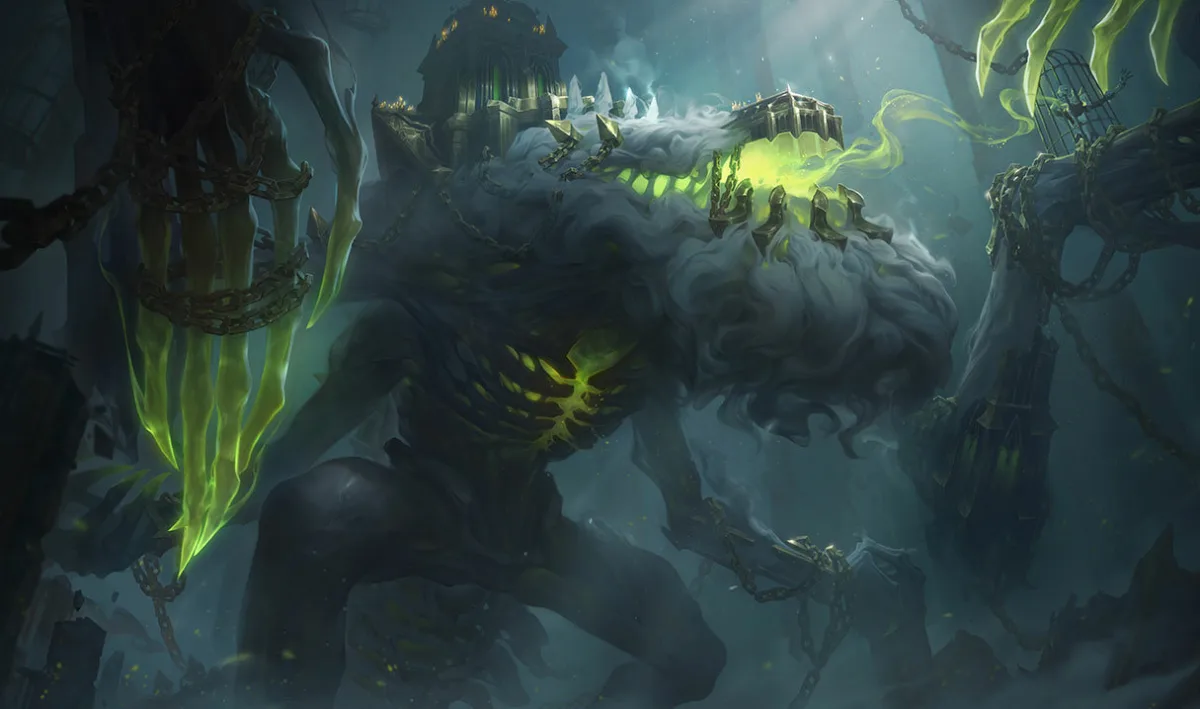
Cho’Gath is our starting choice when the draft needs a tank and another objective-secure tool. He clears with area damage and sustain, brings two forms of basic crowd control to ganks, turns Feast into genuine neutral-objective leverage, and can still provide a front line when his early gold disappears. Zyra, Darius, Malphite, Pantheon, and Teemo complete this six-pick list. They are not interchangeable. Each one passes the five live-map tests in a different way, and each one has a draft or game state that exposes the experiment.
Reviewed for modern PC Summoner’s Rift Patch 26.18 on September 10, 2026. The six picks are compared by clear tools, gank access, neutral control and recovery. No current match-count threshold is claimed, and Classic changes are excluded.
The six picks, without the mystery
Choose Cho’Gath when the team needs a tank, reliable control, and a second secure tool around epic monsters. Choose Zyra when the draft needs magic damage, fast camp coverage, and objective-zone control. Darius is the river brawler for games where enemy champions must walk into him. Malphite is the anti-attack specialist whose level-six gank is much better than his early sales pitch. Pantheon trades scaling and clear comfort for point-and-click access plus long-range map arrival. Teemo plays an information game with traps, blind, and persistent objective setup, but asks the lanes to supply control.
None of those descriptions means “secretly overpowered.” The selection is a kit-and-draft comparison: clear tools, access to a lane, useful neutral-objective actions and a fallback after falling behind. It does not assign a current power tier or rely on old match counts.
The ranking compares what each kit can contribute after a practiced clear, then checks whether the draft lets that contribution happen. None of these choices replaces the need to rehearse the route and first enemy contact.
Off-meta is a role claim, not a costume
An off-meta jungler should have a normal identity elsewhere. Cho’Gath and Darius are primarily solo laners. Zyra is mainly a support. Malphite and Pantheon move among lane and support roles depending on the patch. Teemo is still associated most strongly with top lane. Bringing any of them into the jungle changes who receives farm, who holds Smite, and how the team reaches early fights.
That is different from calling every low-sample role page a hidden strategy. Tiny samples create attractive accidents. A champion can post an excellent win rate because a handful of specialists selected it into favorable drafts. It can also post an awful number because the role appears mostly in autofill games. Neither extreme tells a reader that the pick is ready for an ordinary ranked lobby.
This list uses a practical admission rule: the pick needs a believable clear, a way to affect a lane, a purpose around neutrals and something useful after a failed opening. Practice the actual route before ranked; a toolkit description is not a measured clear-speed test.
The six cover different versions of that job. Cho’Gath contributes sustain, control and Feast; Zyra offers plant-assisted pressure; Darius needs melee contact; Malphite waits for stronger engage; Pantheon needs tempo; Teemo needs preparation. Brand, Morgana, Shen and other experiments can work for specialists, but this shortlist is not a census of every viable jungle pick.
The rule is intentionally stricter than "the page exists." It also prevents the ranking from becoming a parade of champions whose only proof is one screenshot after a hot streak.
The five live-map tests
A first clear can make nearly any experiment look coherent. Camps wait in known locations. They do not ward, collapse, pull the wave away from a gank, or force a 2v2 before the route is finished. The useful test begins when the scripted part ends.
1. Can the first clear arrive with health and time?
The exact route changes with side, leash, lane priorities, jungle companion, ability order, and balance changes. The stable question is whether the champion can damage multiple camp units, limit incoming hits, and finish without spending every resource needed for the next play.
Cho’Gath uses Carnivore sustain whenever he kills a unit and sends Vorpal Spikes through clustered monsters. Zyra spreads plant attacks across a camp and reduces Rampant Growth’s recharge by killing monsters. Darius can heal from large monsters with the outer blade of Decimate. Malphite brings a recharging shield plus Thunderclap aftershocks. Pantheon and Teemo can clear, but both are punished more heavily for careless ability timing and unnecessary damage.
No fixed clear time is promised here. A route that works only with a perfect leash is not ready for ranked use. Test the intended path leashless, record the finishing health and Smite state, then repeat it after deliberately losing several seconds. The second run tells more about the pick than the fastest clip.
2. What happens at first river contact?
Off-meta does not make the enemy jungler curious. It makes the enemy jungler interested. The first meeting may happen over Scuttle, a ward, a camp entrance, or a lane collapse. The champion needs either real duel pressure, crowd control that creates allied follow-up, or an honest exit.
Darius is most threatening when the opponent must fight inside his reach. Cho’Gath can interrupt an approach with Rupture and silence the spell-based answer. Zyra can root through a corridor and place plants between herself and the chase. Teemo’s Blind denies basic attacks for its duration, which matters greatly against some duelists and much less against spell-heavy burst. Malphite can steal movement speed with Seismic Shard, while Pantheon can stun a selected target and block non-tower damage coming from one direction during Aegis Assault.
The lane state still decides the fight. A champion passing the river test does not turn a 1v3 into a contest. The pass means the kit supplies a playable choice when allies can move: engage, hold a choke, trade health, or leave.
3. Can the champion access a gank?
Damage after arrival is not gank access. The problem is reaching or holding the target before the escape spell ends the play.
Cho’Gath has a ground-targeted knock-up and a cone silence, but Rupture announces itself and becomes easier to dodge from an obvious angle. Zyra can send Grasping Roots through units and grow slowing Vine Lashers near seeds. Darius has a pull and slow, though both require him to cover ground first. Malphite changes from a movement-speed thief before level six into a long-range, unstoppable knock-up after it. Pantheon can leap to a target and stun it, then later use Grand Starfall to attack a side of the map from farther away. Teemo has movement speed and damage but no hard crowd control, so he depends most heavily on lane setup or a patient flank.
A viable gank also has an exit. Pantheon can face Aegis Assault toward the return damage. Zyra can root through the pursuer. Cho’Gath can place Rupture on the retreat path. Darius and Teemo are more likely to discover that entering was easier than leaving.
4. Does a won play become a neutral objective?
The point of a successful gank is not always another chase. It can buy dragon damage, Grubs, Herald, a camp, a deep ward, or a recall that preserves tempo. Off-meta junglers need a repeatable way to spend that window.
Cho’Gath passes this test most clearly because Feast uses a monster-specific true-damage value against minions and jungle monsters. It adds a second secure event to Smite, although the player still has to know the current damage values and coordinate the sequence. Zyra can place multiple bodies and persistent damage around an objective, then use roots and Stranglethorns to control the entrance. Darius damages isolated targets steadily and heals off a large monster with a correctly spaced Q. Teemo can prepare the surrounding routes with Noxious Traps before the objective begins.
Malphite and Pantheon are better at creating the window than accelerating the monster itself. Their neutral conversion often comes from keeping the enemy jungler out of the pit, not producing exceptional secure damage. If the team has won a fight but lacks health or lane priority, the correct conversion may be vision and camps rather than a forced dragon.
5. Is there a real job after an invade or failed start?
This is the test that removes most novelty picks. A champion that needs equal levels, first purchase timing, and an open flank can become a fifth spectator after one lost quadrant.
Cho’Gath can build durability and offer knock-up, silence, slows, and a large body. Zyra can control narrow space from range. Malphite still threatens a decisive ultimate and reduces attack speed. Pantheon retains a targeted stun and global pressure, but his damage and survival become less forgiving. Teemo can turn safe corridors into trapped corridors even when he cannot duel. Darius suffers most here because his control is short range and his threat depends on staying attached to a target.
Usefulness from behind does not excuse bad farming. It means the champion has an action worth taking while recovering: protect an entrance, peel a carry, hold a choke, threaten a stun, or prepare vision around the next neutral spawn.
Compare their clear, gank and recovery tools
| Rank | Pick | First-clear and river read | Gank and objective identity | Job when behind |
|---|---|---|---|---|
| 1 | Cho’Gath | Sustain, area attacks, knock-up, silence | Layered control plus Feast secure | Front line, peel, choke control |
| 2 | Zyra | Plant-assisted clear, ranged root, fragile if caught | Root access, plants, objective-zone control | Ranged catch and area denial |
| 3 | Darius | Q healing and strong contact if he reaches melee range | Pull, slow, sustained monster damage | Front-line pressure, but weak from range |
| 4 | Malphite | Shielded clear, safe disengage, modest early threat | Level-six knock-up and anti-attack control | Reliable engage or peel |
| 5 | Pantheon | Direct stun and directional defense, demanding tempo | Selected-target gank plus long-range arrival | Stun, side pressure, pick support |
| 6 | Teemo | Kiting, poison, matchup-sensitive Blind | Flank damage and trap setup around neutrals | Vision pressure, Blind, route denial |
Cho’Gath leads because he covers more failed-game states and supplies a separate neutral-objective secure tool. Zyra is the sharper ranged damage choice. Pantheon’s access is useful but tempo-dependent, while Teemo leaves more of the gank setup to his laner. Those tradeoffs set the order.
1. Cho’Gath makes objective health a team resource

Cho’Gath is the closest thing this list has to a complete role conversion. His kit does not merely tolerate camps. It connects camp clearing, ganking, front-line duty, and objective control without asking for an exotic explanation in champion select.
Carnivore restores health and mana whenever Cho’Gath kills a unit. Jungle camps supply multiple units on several stops, so last-hit order can smooth the clear rather than leave him waiting for passive regeneration. Vorpal Spikes empowers his next three attacks, sends spikes through enemies in front, adds target maximum-health magic damage, and slows. Patch 26.17 increased the base damage of all three empowered attacks from 20/40/60/80/100 to 30/50/70/90/110. Riot left the AP and target-health components unchanged. That 26.17 buff remains prior-patch context; it is not an additional 26.18 change.
The buff matters because it strengthens the action Cho’Gath already takes against a clustered camp. It does not prove that he became the best jungler, and it does not erase the delays in his gank pattern.
The gank begins before Rupture lands
Rupture knocks enemies up and slows them after they return to the ground. Feral Scream silences enemies in a cone. That gives Cho’Gath two ways to interrupt an escape, but the sequence depends on the angle.
Walking directly down the lane and placing Rupture under a champion with every movement spell available produces an avoidable miss. Approach from the side the target is already moving toward. If the allied laner has reliable crowd control, let that spell force the movement and place Rupture under the exit. If Cho’Gath can reach Feral Scream range first, the silence can remove the dash or defensive cast that would otherwise answer the knock-up.
The ideal result is not always a kill. Forcing Flash shortly before an epic monster creates a repeatable return gank and makes the objective entrance easier to defend. Cho’Gath’s size and control are more valuable when the team uses them to occupy space, not when he chases a low-health target across two waves.
Feast changes who owns the final second
Feast deals true damage to champions and a separate amount to minions or jungle monsters. If the target dies, Cho’Gath gains a stack and maximum health; only a limited number of stacks can come from minions and non-epic jungle monsters. The important jungle interaction is not simply "press R on cooldown." Feast forces the team to plan the final health window around two secure tools.
Before starting an objective, check current Smite damage, current Feast damage against monsters, both cooldowns, enemy burst, and whether the enemy jungler can enter. Do not add old guide values from memory. Do not fire Feast early merely to gain a stack when the opposing jungler is alive and the objective can be stolen. When control is secure and the enemy cannot contest, using Feast for growth may be reasonable. When the pit is contested, its main job is to close the health window.
Cho’Gath also protects the objective before the execute. Rupture controls a narrow entrance. Feral Scream can prevent a spell-based engage or mobility response. Vorpal Spikes slow an approaching front line. The champion can stand between the enemy and the pit without giving up all damage on the monster.
Why first place is not a free win
Cho’Gath is large, predictable, and vulnerable to repeated percentage-health damage and long-range kiting. Rupture can miss. Feral Scream has limited range. Feast puts a valuable combat ultimate and a secure tool on the same cooldown. A team with no sustained damage may watch him control the entrance while the objective takes too long to die.
Cho’Gath also needs lanes that can act on crowd control. If every allied lane is pushed in with no health, he cannot create priority by walking into the river alone. His objective tools do not make an uncontestable pit safe to enter.
The draft wants Cho’Gath when it needs a durable magic-damage front line, the lanes can follow layered control, and neutral monsters are likely to be contested. Leave him out when the enemy can kite several short-range champions at once or when the team already has tanks but lacks sustained damage.
2. Zyra clears quickly, then has to survive her own plants
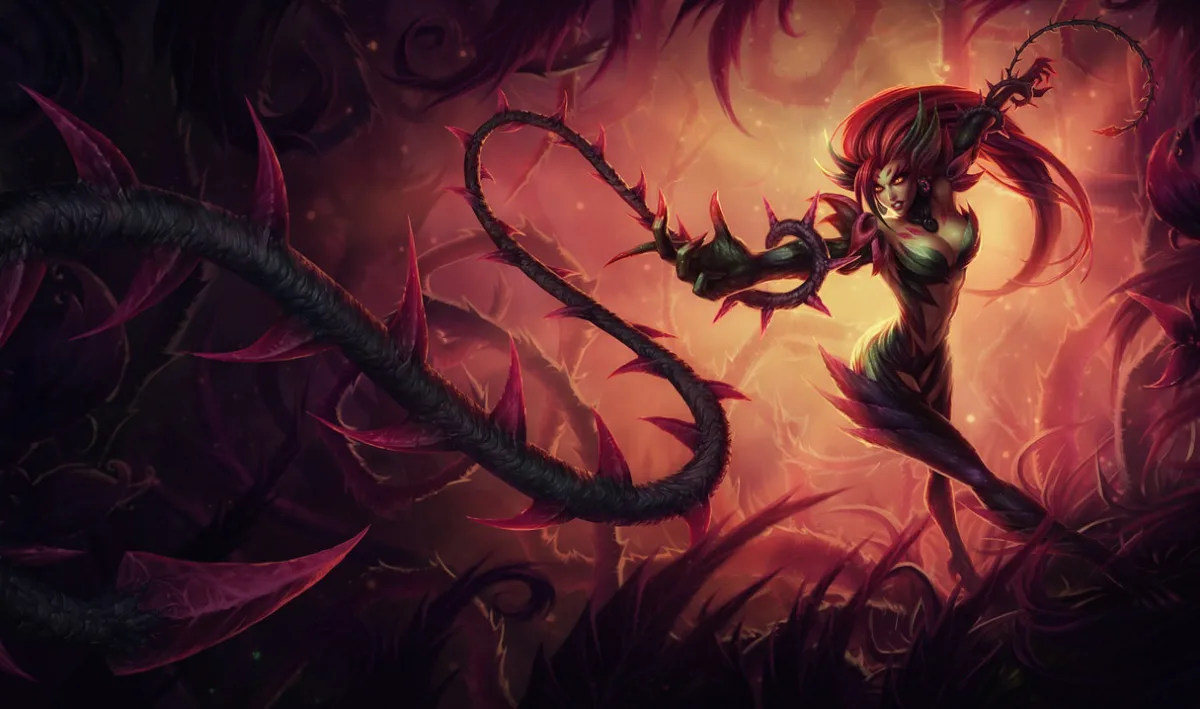
Zyra earns her place through plants that help damage camps and occupy space, a ranged root and an area ultimate. Her clear tools and her first contact with an enemy share resources, so clearing faster is not always worth spending the seed needed to defend the river exit.
Garden of Thorns spawns seeds around Zyra. Deadly Spines turns nearby seeds into ranged Thorn Spitters. Grasping Roots turns them into shorter-range Vine Lashers whose attacks slow. Rampant Growth stores targeted seeds, and killing an enemy minion or monster reduces its recharge time. Camps therefore feed the system that creates more plant coverage.
Plants spread damage and can take attention that would otherwise land on Zyra, but their behavior is not a substitute for route control. Seeds spawn around her, not necessarily where the next camp or escape path needs them. A player who drops every Rampant Growth charge for marginal speed can reach river with no controlled seed available for a root or slow.
Treat seed charges as two different budgets
One budget belongs to the current camp. The other belongs to the next human contact. On a safe side of the map, spending both charges for clear speed may be fine because kills help return the resource. Near a contested river, preserve a seed that can become a Vine Lasher on the route an enemy must cross.
Grasping Roots passes through units, which makes Zyra’s gank access different from a projectile stopped by the minion wave. The target still sees a line spell and can dodge it. The stronger gank uses the lane’s geometry: fire through the retreat line, grow a slowing plant beside it, and force the enemy to choose between the root path and the allied laner’s threat.
Zyra should not walk into melee range just because the first spell connected. Her damage, follow-up plants, and Stranglethorns work from behind the line she created. If the enemy jungler counterganks, the same root that began the play may be unavailable for retreat. That is the cost hidden inside a fast first clear.
Her objective control starts outside the pit
Zyra can damage an objective with plants and spells, but her greatest value is controlling the space around it. A seed near an entrance can become a ranged plant for damage or a Vine Lasher for a stacking slow. Grasping Roots can cross a choke. Stranglethorns damages an area, then knocks enemies up after two seconds; plants inside it become enraged, reset their duration, gain health, and attack for bonus damage.
The correct setup begins before the objective is low. Sweep the route, place controlled seeds where enemies must enter, and keep Zyra on the safe side of the pit wall. If every plant is already hitting the monster when the enemy arrives, the zone has lost most of its threat. If every ability is held for a hypothetical fight, the team may take the objective too slowly. Split the resources according to what can actually contest.
Her behind-game job is similarly positional. Zyra does not need to face-check for a heroic root. She can place a seed, reveal or threaten a corridor, send Grasping Roots through the approach, and hold Stranglethorns for the commitment. A lost jungle quadrant is painful because she is fragile and item-dependent, yet her control can still make a narrow entrance expensive.
Zyra fits behind a durable first body when the composition needs magic damage. Lanes that already hold targets give her plants time to keep attacking. With nobody willing to enter fog first, or with several enemies able to bypass the control zone, her second-place case falls apart.
3. Darius owns the river only while it stays close
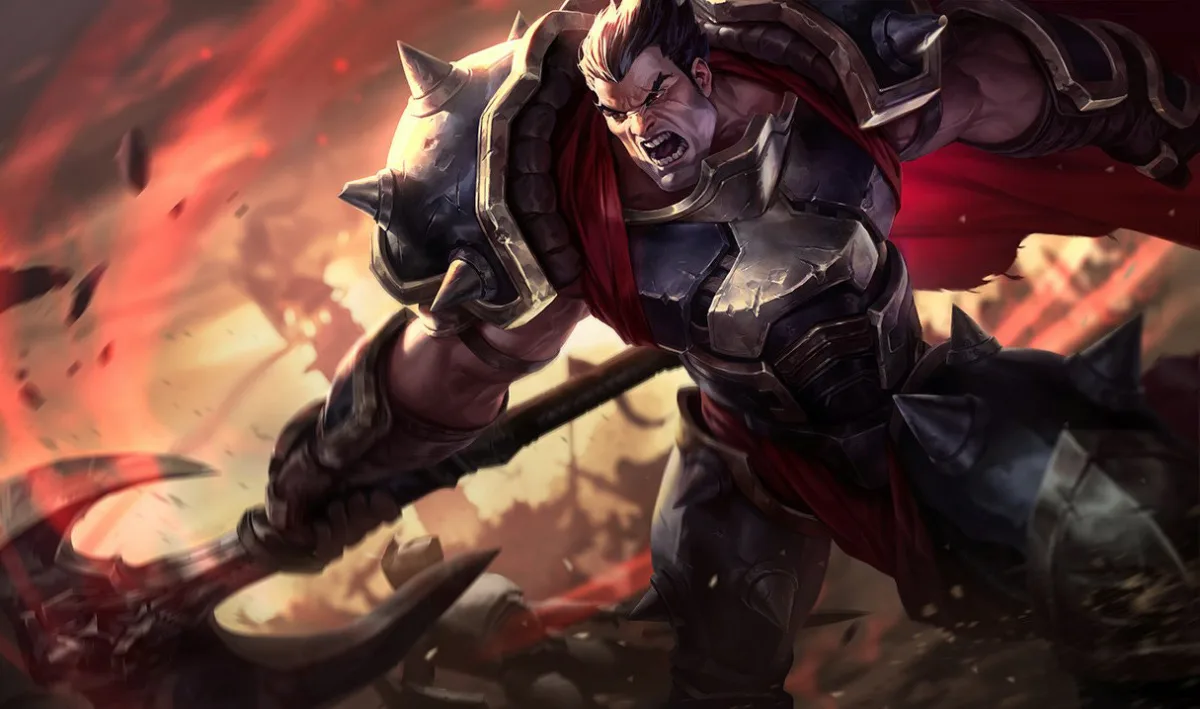
Darius jungle is a contact bet. If the enemy champion has to stand near him, the pick looks obvious. If the enemy can cross a wall, dash twice, or force him to approach through ranged control, the jungle removes the lane geometry that usually delivers targets to his axe.
The clear itself has sound pieces. Hemorrhage stacks from attacks and damaging abilities. Decimate deals more damage with the outer blade than the handle, and Riot’s current static text confirms that Darius restores missing health for each enemy champion and large jungle monster hit by that blade, up to its cap. Crippling Strike empowers the next attack, slows, and refunds mana plus part of its cooldown when it kills the target. Those mechanics reward camp spacing and deliberate last hits instead of button spam.
At first river contact, Darius can be terrifying. Apprehend pulls, knocks up, and slows enemies while its passive supplies armor penetration. A target who spends several seconds in his reach accumulates Hemorrhage, and Noxian Guillotine becomes more dangerous with each stack. The same encounter becomes miserable if Darius misses the pull or spends Ghost only to watch the opponent cross terrain.
Build the gank around the target’s route, not the pull
Apprehend is not a long-range delivery system. Enter from behind the escape route or wait for the allied laner to force movement. Crippling Strike can slow a target already within attack range. Decimate’s outer edge then rewards correct spacing, while the handle does not apply a Hemorrhage stack.
The first useful question is whether Darius can physically remain attached after the first crowd-control effect ends. A lane with a point-and-click stun, reliable root, or displacement helps. A lane built entirely around skillshots may produce two players waiting for the other one to start. Against multiple dashes, take the summoner spell and angle into account before leaving camps.
Do not treat every low-health champion as an ultimate reset. Noxian Guillotine scales with Hemorrhage stacks and can be recast after a kill under its current rules. An early R on a barely stacked target may deal less than the basic attacks and Q that would create a later execute. Around an objective, spending the ultimate on an enemy champion can be correct even if it means no extra damage on the monster. Darius is not Cho’Gath. His ultimate is not presented here as a neutral secure tool.
The difficult part begins from behind
Darius’s recovery job is narrow. He can stand in front, threaten a pull, and punish a melee champion who enters. He cannot reliably start a distant fight or peel several mobile threats without reaching them.
When invaded, resist the urge to prove the pick through an immediate duel. If allied lanes cannot move, trade sides, protect the next spawn, and use Decimate healing to stabilize the route. Darius becomes more useful when the enemy has to enter him for a neutral objective. He becomes less useful while chasing lost camps through unwarded terrain.
Pick him into short-range, low-mobility teams and alongside lanes that can hold a target. He is a poor blind choice into layered slows, terrain crossing, or compositions that can hit him without entering Apprehend range. His third place is a reward for clear sustain and river power, not a claim that the jungle fixes his access problem.
4. Malphite is selected for the second clear, not the first

Malphite asks for patience. His first clear uses Granite Shield to absorb damage, Thunderclap to create aftershocks, and Ground Slam for area magic damage. The shield recharges after he avoids damage for several seconds, so poor camp dragging can deny part of the kit’s protection. He can finish a route, but early speed and pressure are not the reason to choose him.
Before level six, Seismic Shard gives him a targeted slow and steals the amount slowed as movement speed. That can finish a gank after a laner has already forced the enemy forward. It rarely turns a safe opponent into a guaranteed target. Ground Slam reduces enemy attack speed, which improves some close river contacts, and Granite Shield gives him a small health buffer. The champion still prefers not to race an early duelist for every crab.
Unstoppable Force changes the map. Malphite dashes to a location while unstoppable, then damages and knocks enemies up at the end. The gank signal is readable to teammates, the target cannot hide behind minions, and Malphite does not need a damage lead for the knock-up to exist.
The ultimate also creates his objective window. He can remove the enemy jungler from the pit entrance, start a favorable fight, or punish a grouped approach. That is different from burning R on the first champion in range while the rest of the team is too far away. A successful Malphite engage needs allied damage and a planned follow-up route. The button guarantees arrival, not a good decision.
Malphite ranks fourth because an anti-attack draft gives his kit a specific purpose. Thunderclap supplies armor, with more while Granite Shield is active, and Ground Slam cuts attack speed. Against attack-reliant physical champions he can repair a missing engage tank. Against magic damage and enemies that spread apart, much of that reason disappears.
From behind, Malphite can still engage, peel a diver, slow a priority target, and reduce attack speed. That recovery value carries him above Pantheon despite the weaker early map. Pick him for an enemy draft that pays the armor and attack-speed tax, not because the team needs generic magic damage from the jungle.
5. Pantheon buys gank access with future income
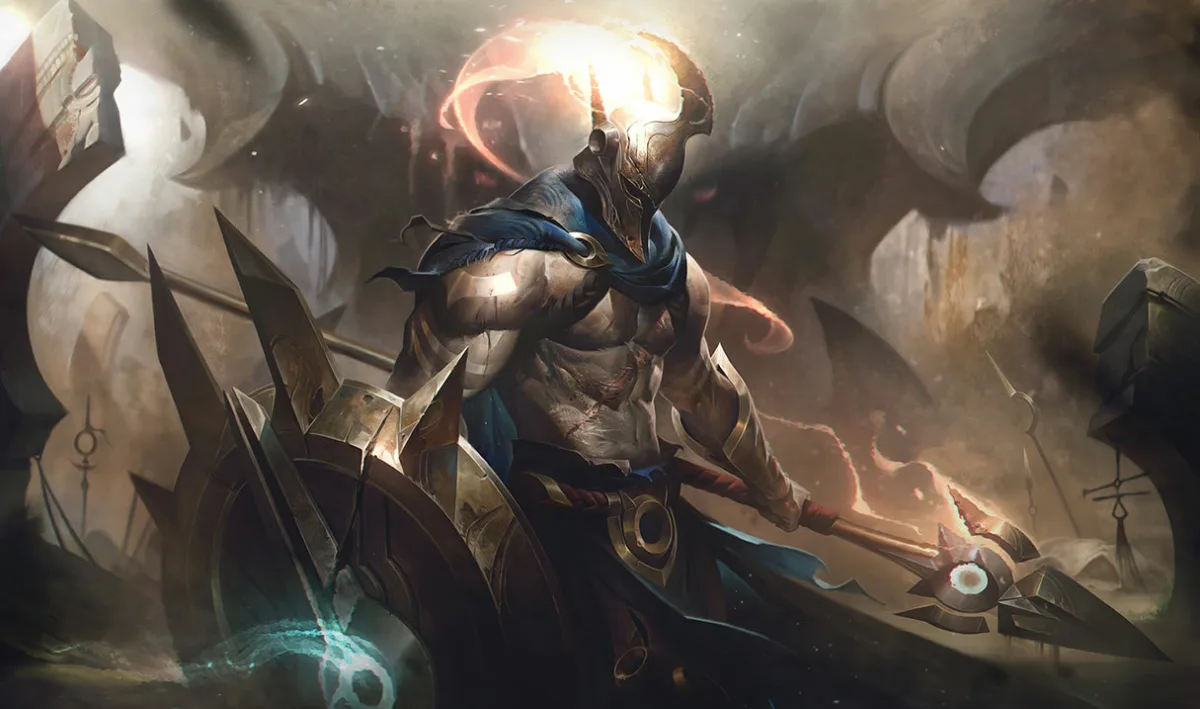
Pantheon earns a specialist place through selected-target stun access and directional defense. He has to convert that access into a lead or useful map pressure; a direct gank tool does not erase the resource cost of an unsuccessful route.
Shield Vault leaps to a selected target and stuns. Mortal Will empowers the next spell after enough attacks or casts. An empowered Shield Vault makes the next attack strike three times. Comet Spear can be tapped for a shorter cast with partial cooldown refund or held for a throw; it deals enhanced damage to enemies below its health threshold. Aegis Assault makes Pantheon immune to non-tower damage coming from the chosen direction during the channel, then strikes with the shield.
Those tools create a direct early gank. Pantheon does not need to thread a projectile through a wave before the target can be controlled. He does need to reach 600 range, account for the enemy escape, and avoid pointing Aegis Assault away from the return damage.
Every failed walk costs more than it appears
Pantheon’s jungle economy is the central warning. A lane Pantheon can stun is not automatically a lane worth visiting. Walking from a healthy camp to a target under its own tower, showing on vision, and returning without a summoner spell loses experience and reveals the next side of the route. A conventional farming jungler may recover that time more easily. Pantheon selected the role to create pressure, so wasted pressure attacks the reason for the pick.
Before moving, identify the allied damage, the enemy escape, the wave position, and the next camp or objective after the play. Shield Vault can start. It cannot supply an absent wave or make an allied laner cross half the lane. If the target survives the stun, save Aegis Assault for the meaningful return spell rather than casting it automatically.
Grand Starfall later lets Pantheon leap toward a distant location. His spear lands first in a small area and slows, then Pantheon crashes across a line. The ultimate is strongest when it turns an existing fight into a numbers advantage or cuts off a retreat. It is weaker as a blind announcement into fog where the enemy can step away and collapse after the landing.
Around neutral objectives, Pantheon controls people better than monster health. He can threaten a stun on the enemy jungler, arrive from a side lane, or use directional protection while creating space. If he spends Grand Starfall far from the pit after the objective has already started, the channel and travel may arrive too late to matter. Map range is not the same as instant presence.
What remains after the damage falls behind
Pantheon can always threaten a selected-target stun. He can cover a side lane and join a fight with his ultimate. Empowered Aegis Assault grants temporary defenses and movement speed after the slam according to current static data, which helps him leave some commitments. Those jobs are useful, but they do not erase the item and level gap created by a poor opening.
The Pantheon version makes sense with lanes that have immediate follow-up and against targets whose escape can be tracked. It collapses when the draft needs a durable primary front line or when every lane requires several seconds of setup before damage arrives. Fifth place reflects a valuable access tool undercut by one of the harshest tempo bills in the group.
6. Teemo turns the next objective into a pathing problem

Teemo is the preparation specialist. Poison and traps can give him a route-control plan, but a jungle that forces immediate reactions can deny the setup. His place is conditional on practice and a team that can provide the hard control he lacks.
Toxic Shot adds magic damage on impact and over four seconds. Blinding Dart damages and blinds the target. Against a monster or enemy champion relying heavily on basic attacks, Blind can remove meaningful incoming damage. Against a spell-based champion, it may stop little more than one attack woven between abilities. Move Quick grants passive movement speed until Teemo is hit by a champion or turret, and its active supplies a sprint that does not fall off when struck during the effect.
These tools make kiting and camp movement possible, but they do not provide a hard gank. Teemo can approach quickly, attack, blind, and continue applying poison. If the allied lane has no slow, root, stun, or favorable wave, the target can often walk away. His best early ganks use a lane that begins the control or an angle that puts Teemo behind the escape path.
The mushrooms are a schedule, not decoration
Noxious Trap stores charges, remains stealthed after placement, and slows, damages, and reveals enemies that trigger it. A mushroom tossed onto another bounces farther. The traps last for minutes, which allows Teemo to prepare the map before a neutral objective spawns.
Preparation is the important word. Placing every trap in the pit after the enemy already owns the river wastes the champion’s information advantage. Place them on likely entrances, narrow turns, and retreat routes while the team has time to protect the setup. A triggered trap can reveal a rotation, remove health before the fight, or slow the first champion entering a choke. It cannot replace a control ward, because the trap can be cleared and it does not provide ordinary persistent vision in every direction.
Teemo also has to divide charges among farming, protection, and the next objective. Using a trap to accelerate a camp can preserve tempo. Using the last charge on a safe camp just before dragon can leave the river empty. Holding every charge for the perfect setup slows the route and delays level or item timings. The good pattern is scheduled: spend enough to keep moving, then reserve charges as the objective window approaches.
Blind chooses the draft
Teemo rises when the enemy jungler and carries need basic attacks. Blinding Dart can disrupt an attack-based duel, protect a carry from several attacks, or reduce damage while the team finishes a target. It falls in value against champions whose main threat arrives through spells, persistent area damage, or crowd control.
From behind, traps let Teemo contribute without winning a direct fight. He can make the team’s own jungle safer, reveal an approach, and slow a chase. He can blind a selected attacker. He cannot stand in front, force a reliable engage, or stop multiple enemies with one cast. If the composition already lacks crowd control, Teemo may turn every gank and teamfight into a demand that somebody else start.
Teemo belongs in a draft where allied lanes provide setup, the enemy relies on attacks, and the team can reach objective areas early. If the jungler must be the only engage, only front line, or first safe body into fog, choose something else. Sixth is the correct price for a strategy whose best tool works on a clock.
Other experiments need their own route plan
The excluded champions are not all bad ideas. They simply did not meet the same evidence rule on the retrieval date.
Brand and Morgana can damage camps with area spells and bring recognizable gank control. Shen can turn a farming route into a global defensive response. Rumble has area damage and dangerous choke control. Sion and Ornn promise front-line utility. Twitch offers an unusual camouflage gank. Each idea has a kit-level argument.
Brand, Morgana, Shen, Sion, Rumble, Twitch, Nautilus, Yorick, Garen, Singed, Taric and Ornn need their own clear and draft evaluation. A useful spell in isolation is not proof that the complete jungle route, first river contact and recovery plan work together.
A specialist may know a clear, matchup and build that the general kit description does not reveal. Treat an unfamiliar jungle pick as a separate practice project: time the clear, check remaining health, and rehearse what happens when the enemy contests the exit.
The distinction also protects the term "off-meta." If a pick requires a premade lane, exact invade, favorable enemy draft, and years of champion mastery before its first clear becomes stable, it may be an interesting challenge. It is not the best general recommendation.
Choose by what the draft is missing
Champion select should narrow this list before personal preference finishes the choice.
If the team has damage but no durable first body, Cho’Gath is the cleanest answer. His control and Feast also help when the opposing composition wants to contest every neutral objective.
If the team needs magic damage and already has someone who can enter fog, Zyra adds clear speed, roots, plants, and objective-zone denial. She should not be asked to face-check for the tank that the draft forgot.
If the enemy has several short-range champions who must fight on the ground, Darius can make the river physically expensive. Do not select him into a composition that treats walls and slows as an ordinary exit.
If the enemy draft pays heavily for armor and attack-speed reduction, Malphite gains a purpose beyond the ultimate. He is the strongest correction when the team needs one readable engage and can tolerate a quieter pre-six map.
If allied lanes have immediate damage but lack a reliable starter, Pantheon supplies the selected-target stun. The team should have another durable champion, because Pantheon cannot promise primary-front-line duty after a poor opening.
If allied lanes already provide control and the next objective can be prepared early, Teemo can convert time into trapped routes. He is a poor answer when the jungler must create every fight from nothing.
The best off-meta pick is not the one that surprises five opponents. It is the one whose missing piece already exists on the allied team.
A practice-tool test that resembles a real map
Do not judge the champion from a single perfect full clear. Run a short stress test before taking it into ranked.
- Clear leashless with the intended ability order. Record finish health, potion use, Smite availability, and which camp forced the most incoming damage. The number matters less than whether it repeats.
- Repeat after losing time. Pause for several seconds after the first camp or walk around a warded entrance. Decide which camp gets cut and which river play is surrendered. This tests recovery instead of memorization.
- Save one gank resource. Cho’Gath needs an angle for control, Zyra may need a seed, Pantheon may need the correct Mortal Will state, and Teemo may need movement speed or a trap charge. Arriving empty is not a gank plan.
- Practice the objective handoff. Know what the champion does while Smite is reserved. Cho’Gath tracks Feast, Zyra controls an entrance, Darius zones a short-range threat, Malphite and Pantheon mark the enemy jungler, and Teemo prepares the route before the spawn.
- Play one simulated losing route. Give up a camp, return to base early, then identify the next useful job. If the champion offers no answer except "farm until even," the pick has not passed the fifth test.
This test will not reproduce opponents, lane priority, or the pressure of a ranked game. It will remove the avoidable failures: an unhealthy clear, an unavailable key spell, a wasted objective cooldown, and no recovery plan.
The final ranking rule
Cho’Gath is first because his unusual role has the fewest moments where the kit stops belonging on the map. He clears, controls, secures, and absorbs pressure. Zyra is the sharper magic-damage option, but she needs protection. Darius wins contact and loses distance. Malphite pays early for a dependable later job. Pantheon buys access with tempo. Teemo buys information with preparation time.
Start with the champion whose weakness your draft can cover. Then judge the pick at the first contested river, after the first failed play, and during the objective setup. If it still has a useful answer in all three moments, it is off-meta. If it works only while the script stays clean, it is merely unusual.