
Most jungle games stop following the clean route before first Scuttle. Top loses Flash, bot shoves with no river ward, and the enemy jungler appears on a side their clear should not favor. Your champion needs a useful job after the route changes.
Wukong is our starting recommendation when your team needs engage and the enemy has physical damage you can survive. He can fight before Cyclone and gives an awkward draft a way to start or turn a fight. Shyvana is the scaling bet. Talon is the tempo gamble. A practiced Kayn will still do more for you than a first-time Wukong, so use the order to build a small pool rather than replace it every patch.
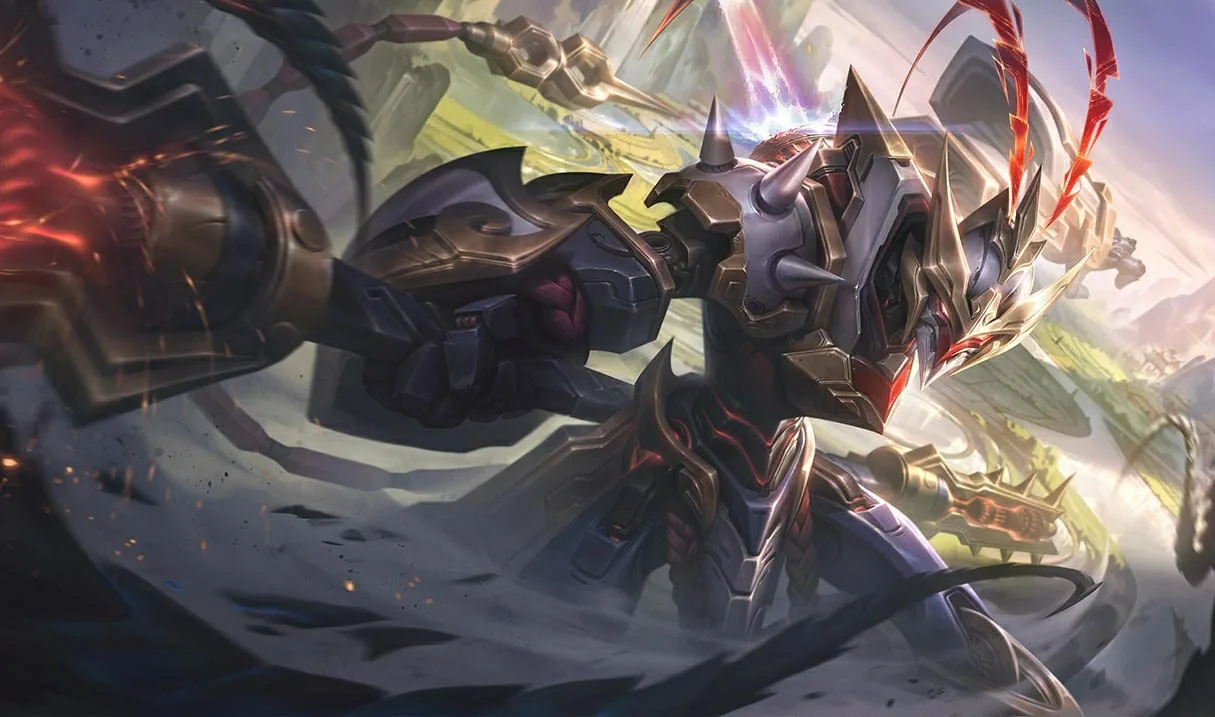
Official Mecha Kingdoms Wukong artwork from Riot Games.
Reviewed September 10, 2026 for Patch 26.18. Master Yi, Viego, and Ekko received buffs; the seven picks below did not receive direct Summoner’s Rift champion changes. This is a draft guide, with the patch changes considered below, rather than a statistically settled order for the first day of the patch.
Best junglers by the job your team needs
| Champion | Main reason to choose them | When to look elsewhere |
|---|---|---|
| Wukong | Engage and sustained physical skirmishes | Ranged magic damage can keep you out of the fight |
| Shyvana | Farming into a durable extended fight | Several lanes need early help and cannot cover your clear |
| Talon | Fast rotations and access to fragile carries | Durable enemies can survive your opening combo |
| Shaco | Punishing predictable routes and exposed lanes | You are learning the champion or need reliable grouped engage |
| Kha’Zix | Picks against enemies collecting side lanes | The enemy can stay grouped behind tanks and peel |
| Hecarim | A farming plan with long-range engage | Your team cannot follow your first contact |
| Kayn | A clear Rhaast or Shadow Assassin game | Your team needs early crowd control before form |
Start with the row that matches your draft and experience. A Shaco player with a planned invade and a Hecarim player with reliable follow-up need different picks.
How we chose this pool
This pool covers seven contrasting game plans. Each pick has to offer a way to create a lead, a useful job after the first clear, and a draft in which that job is realistic. Wukong is the first option because his engage is easy for teammates to follow; that does not make him the safest champion into every enemy composition.
The available 26.17 statistical snapshots predate these buffs. They cannot establish a 26.18 order, so the recommendations here are based on draft fit, execution, and the changes Riot documented.
Engage into physical damage: Wukong
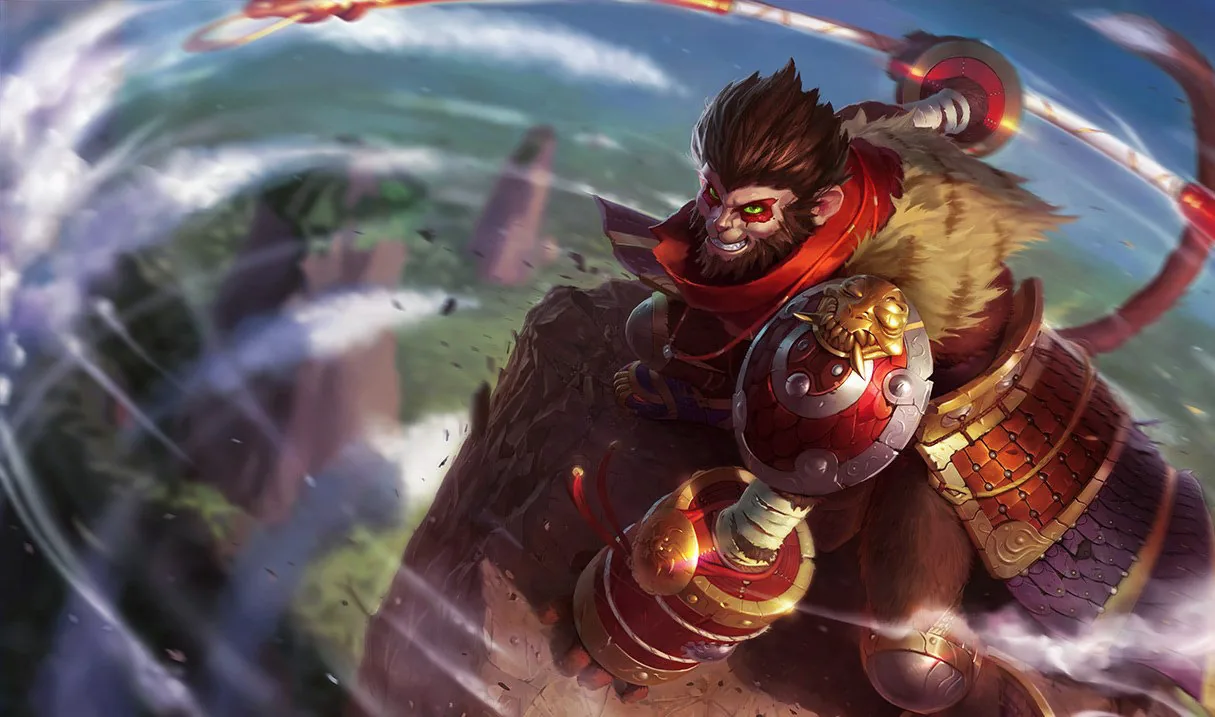
Wukong is a useful first option when your team needs engage into physical damage.
Wukong does the boring parts of jungle well, and that is a compliment. His clear is steady, his clone lets him dodge damage or disguise an engage angle, and Cyclone gives his team immediate crowd control. He does not need the enemy carry to stand alone, and he does not need a long transformation timer before he becomes useful.
His passive also rewards the fights solo queue produces most often. Stone Skin builds armor and health regeneration while Wukong fights champions or monsters, so he is comfortable in extended physical-damage skirmishes. Crushing Blow reduces armor, Nimbus Strike closes distance, and Warrior Trickster makes his approach harder to read. Once Cyclone is available, he can threaten the first target and still disrupt the follow-up.
Draft fit and matchups
Wukong is strongest into teams with several melee champions or AD-heavy damage. He can stay in range, stack his passive, and hit multiple knockups without chasing across an entire screen. He is less comfortable into ranged AP compositions that can slow, disengage, and punish him before he reaches the back line.
Pick Wukong when your lanes already have damage but lack a trustworthy way to begin a fight. He also works when champion select is messy and you need a jungler who can engage, peel, or play for a pick.
Who should pick Wukong
Choose him if you want to learn jungle fights without spending every game on mechanical maintenance. The trap is using Warrior Trickster only to move forward. Keep the clone available when the enemy still has a major skill shot or when your first engage will clearly be answered. A Wukong who survives the opening burst can cast a far more useful second rotation.
The scaling bet: Shyvana
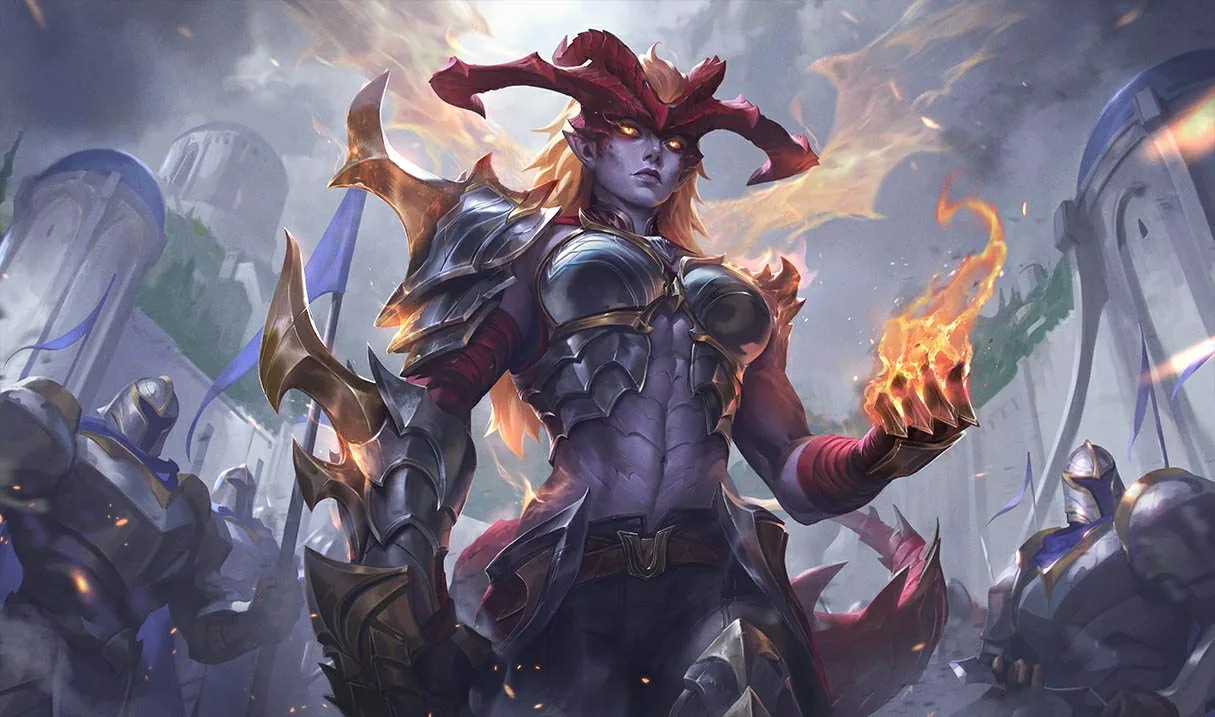
Shyvana turns a disciplined first clear into a powerful mid-game front line.
Modern Summoner’s Rift Shyvana has a different kit from the version in League Classic. Her current kit gains Scalemail stacks from takedowns on champions, large minions, and large monsters. Inferno Aegis gives her a shield and movement speed before detonating around her, while Dragon’s Descent transforms her and fears enemies along the path.
That package makes Shyvana a strong choice for players who prefer clear plans. Farm efficiently, collect the map resources you can contest, and arrive to fights with Dragon Form ready. She does not have Talon’s instant wall access or Shaco’s level-one tricks, but she pays you back with a sturdier fight and better front-to-back presence.
Draft fit and matchups
Shyvana likes lanes that can hold themselves together while she completes an efficient route. Reliable mid priority is especially useful because it lets her move through river without turning every camp into a coin flip. She struggles when several lanes demand emergency ganks before her first clear is settled.
Against early invaders, do not prove a point by fighting on their schedule. Ward an entrance, identify the enemy start, and trade sides when your nearby lanes cannot move first. Shyvana becomes much harder to contain once she has resources and room to stay in combat.
Who should pick Shyvana
Pick her if you enjoy farming with a purpose and then committing hard to the right fight. She is also the cleanest choice in this top seven when your team needs more magic damage or a durable body in the middle of a fight. A frequent error is transforming because Dragon Form is available, then discovering there is no objective, wave, or target worth fighting over. Tie each transformation to a concrete map play.
The tempo thief: Talon
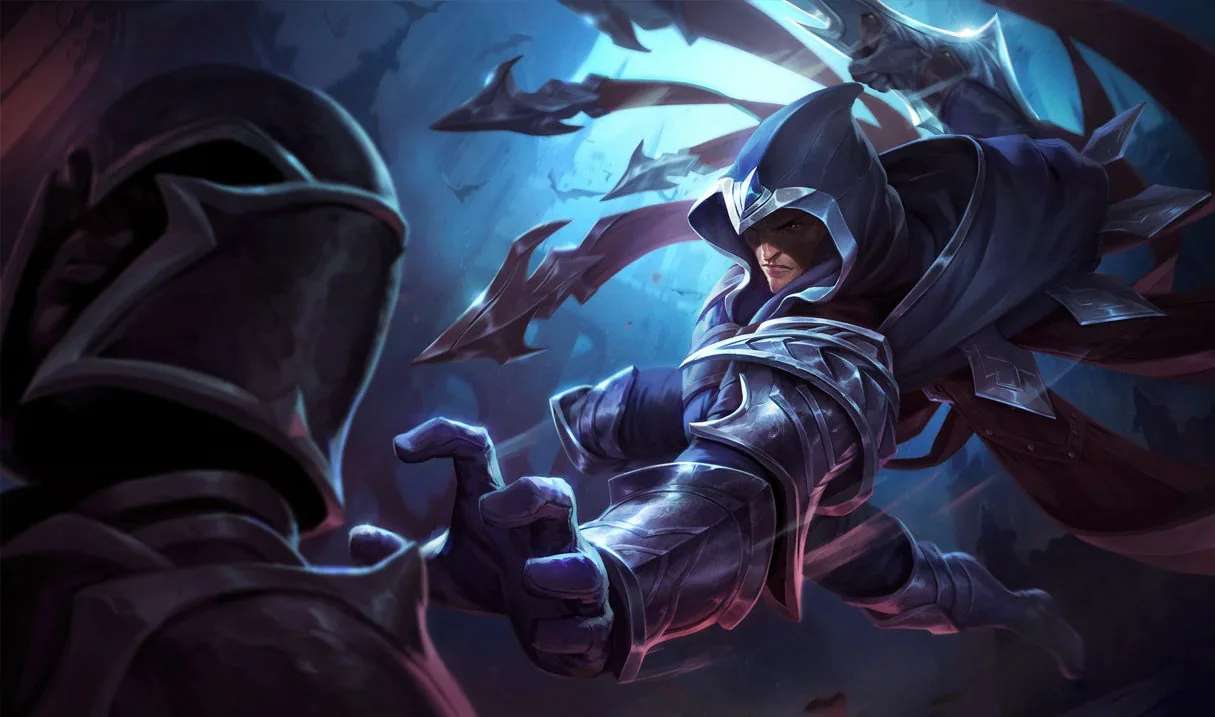
Talon is the tempo pick for junglers who read the map faster than their opponent.
Talon’s greatest jungle strength is not a single combo. It is the route freedom created by Assassin’s Path. He can vault terrain, leave standard ward lines, and turn a small timing lead into an invade or a numbers advantage. Rake gives him clear and chase control, while Blade’s End rewards a complete ability sequence with a heavy bleed.
Talon fits games where enemies leave openings between lanes. A pushed side lane, an unsupported ward, or a recalled support can open a route that a conventional jungler cannot take quickly enough. Talon reaches that mistake first.
Draft fit and matchups
Talon wants enemy carries he can threaten and allied lanes that can move when he enters hostile jungle. He dislikes durable teams that group early and layer point-and-click crowd control. If the enemy draft can survive his first rotation, his exit route matters as much as his entry.
Do not confuse wall access with permission. Before crossing into the enemy jungle, check which lanes have priority and which enemy champions are missing. A creative route is still a bad route if three opponents can collapse first.
Who should pick Talon
Choose Talon if you already watch lane states between camps and enjoy playing around information. He rewards players who can cancel a planned clear when a better map trade appears. Watch the return path when you spend Assassin’s Path cooldowns to travel faster. Leave yourself a wall out, especially before an objective spawns or when the enemy support has disappeared.
The specialist disruptor: Shaco
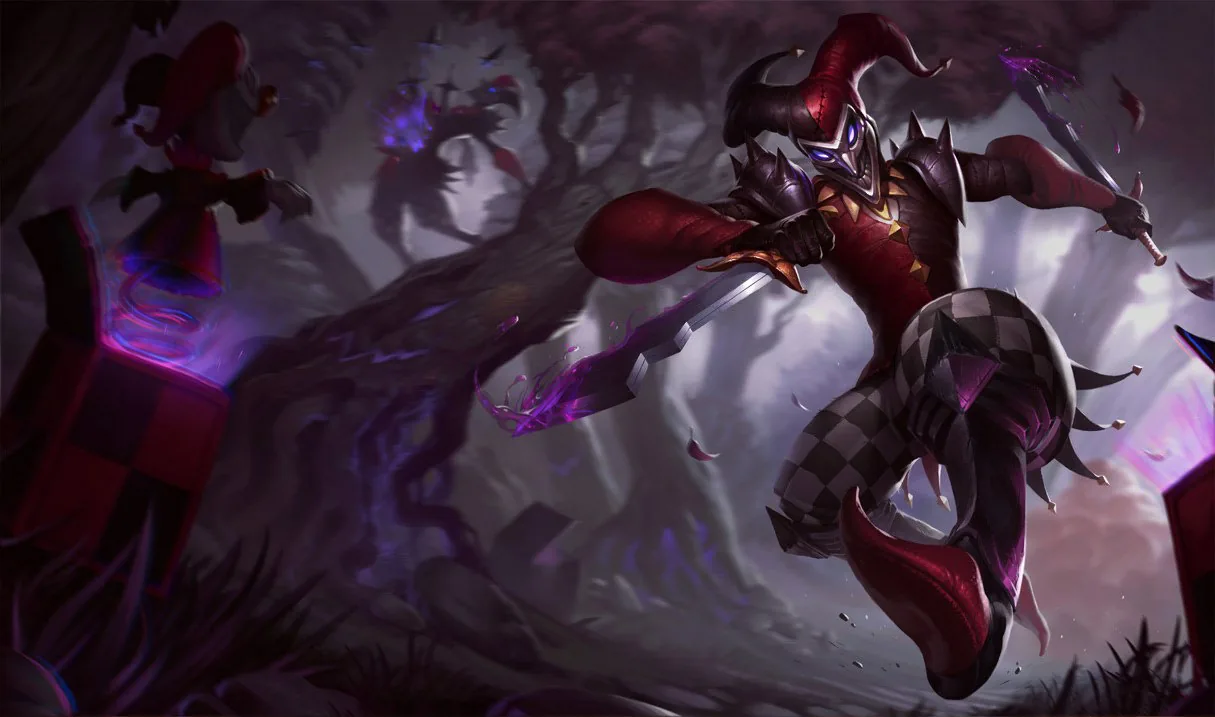
Shaco can own the opening minutes, but only when every trick serves a plan.
Shaco is infuriating because he changes what opponents are allowed to assume. Jack in the Box can shape his first clear and protect an entrance. Deceive combines invisibility with a short teleport, so common river wards do not always reveal his gank. Hallucinate adds another body, another explosion, and another chance for the enemy team to hit the wrong target.
Choose Shaco for a route or matchup you know how to punish. Shaco’s damage profile, build direction, and job in a fight can change with the draft. A player who understands those branches can make him look unfair. A player copying the same route and build every game often runs out of impact.
Draft fit and matchups
Shaco is excellent into fragile lanes that must push and into junglers with predictable early routes. He becomes less comfortable when the enemy team groups tightly, clears boxes safely, and has enough reliable crowd control to punish Deceive.
Use fog of war to create pressure even when you are not ganking. If the enemy bot lane backs away because you vanished from top river, that lost pressure can matter more than forcing a low-percentage play.
Who should pick Shaco
Pick him if you enjoy preparation, matchup-specific pathing, and making the enemy question incomplete information. Do not treat every clever play as a good play. A box setup that costs a camp, a Deceive that leaves no escape, or a clone trick with no objective behind it is theater. Strong Shaco games look chaotic to the opponent but should feel controlled to the Shaco player.
The isolated-target hunter: Kha’Zix
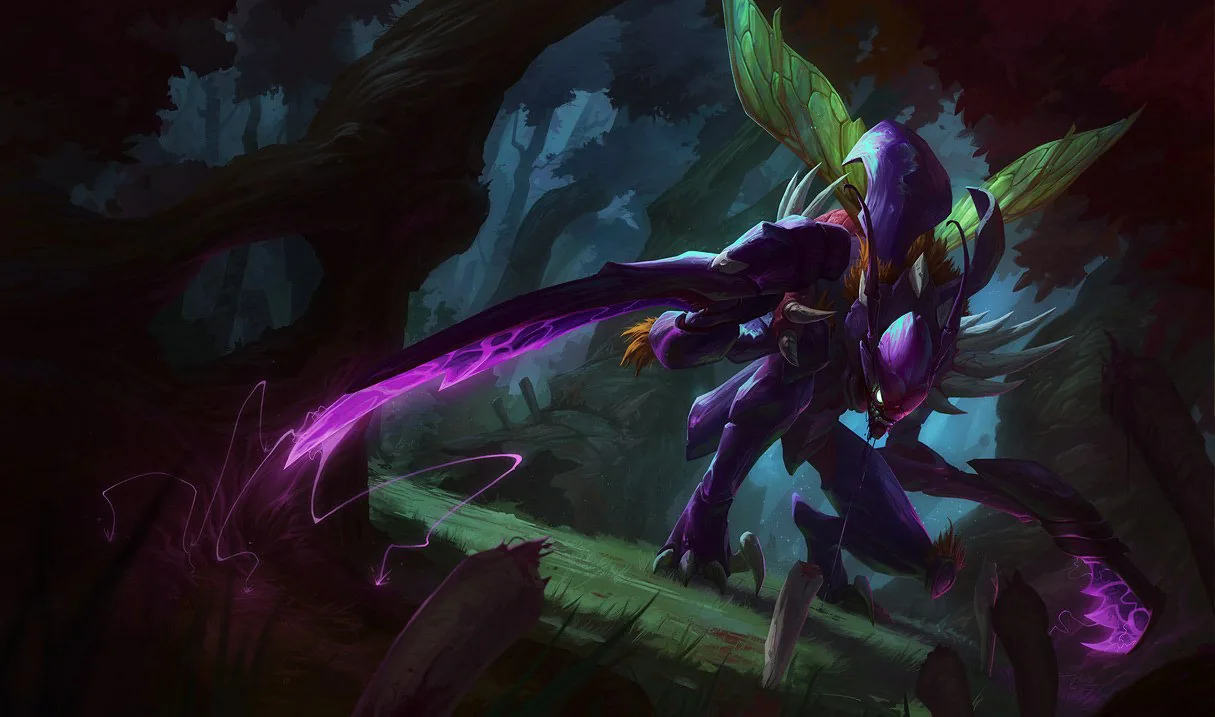
Kha’Zix punishes teams that separate before the fight is decided.
Kha’Zix has one of the clearest target-selection rules in the role. Isolated enemies take more damage from Taste Their Fear, and his evolutions let him adapt his range, poke, mobility, or stealth to the game. That gives him a sharper mid-game threat than many farming assassins.
His value comes from the pressure he creates around side lanes and jungle entrances. Opponents must respect dark areas when they move between waves. If they spread out to collect the map, Kha’Zix can find isolation. If they stay grouped, they surrender space and farm.
Draft fit and matchups
Pick Kha’Zix into squishy teams with limited peel or compositions that must use side lanes. Avoid treating him as a universal answer into tanks, shields, and champions that fight comfortably while grouped. Isolation is a condition, not a promise.
Against strong early duelists, track their likely invade and keep a nearby escape route. Against slower farming junglers, pressure their second rotation or take vision around the camp they must contest. Your goal is to create an isolated decision before a full teamfight begins.
Who should pick Kha’Zix
Choose him if you are patient enough to wait at the edge of a fight. Many Kha’Zix players burn Leap to start a play that could have begun on foot. Hold it for a reset, a wall escape, or the moment a carry finally separates. Kha’Zix wins more fights by entering second than by proving he can reach the target first.
The long-range initiator: Hecarim
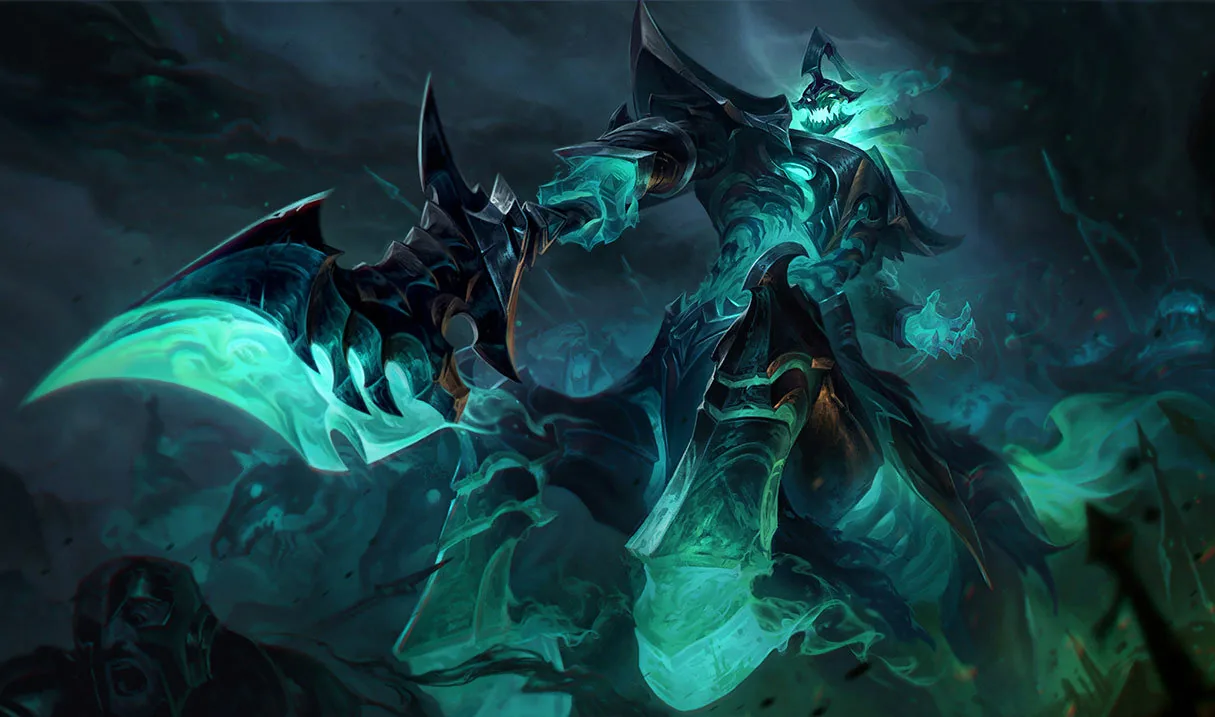
Hecarim converts efficient clearing into fast, decisive engages.
Hecarim remains one of the best junglers for players who want to farm without giving up map pressure. Rampage rewards keeping its combat rhythm, Devastating Charge turns movement speed into target access, and Onslaught of Shadows gives him a long engage with fear at the finish.
Patch 26.17 did trim Sundered Sky, reducing both its health and attack damage. That matters for bruiser paths that used the item as a comfortable package. It does not remove Hecarim’s core reason for being picked. He still clears quickly, attacks from unusual distances, and forces carries to respect flanks.
Draft fit and matchups
Hecarim is best when allies can follow his first contact. A mid laner with reliable damage or a support who can extend crowd control makes his engage much harder to survive. He dislikes drafts where he must be the only front line and the only damage threat at once.
Fast ranged slows and disengage can make a direct charge obvious. Approach from fog, use terrain to shorten the warning, and consider whether your job is to reach the carry or peel an enemy diver away from your own back line.
Who should pick Hecarim
Choose him if you like repeatable clears and want a button that starts the fight. His easiest mistake is charging at maximum speed while the rest of the team is still crossing the river. Hecarim can arrive too early more easily than most junglers. A good engage is measured by the follow-up it creates, not the distance traveled.
The form specialist: Kayn
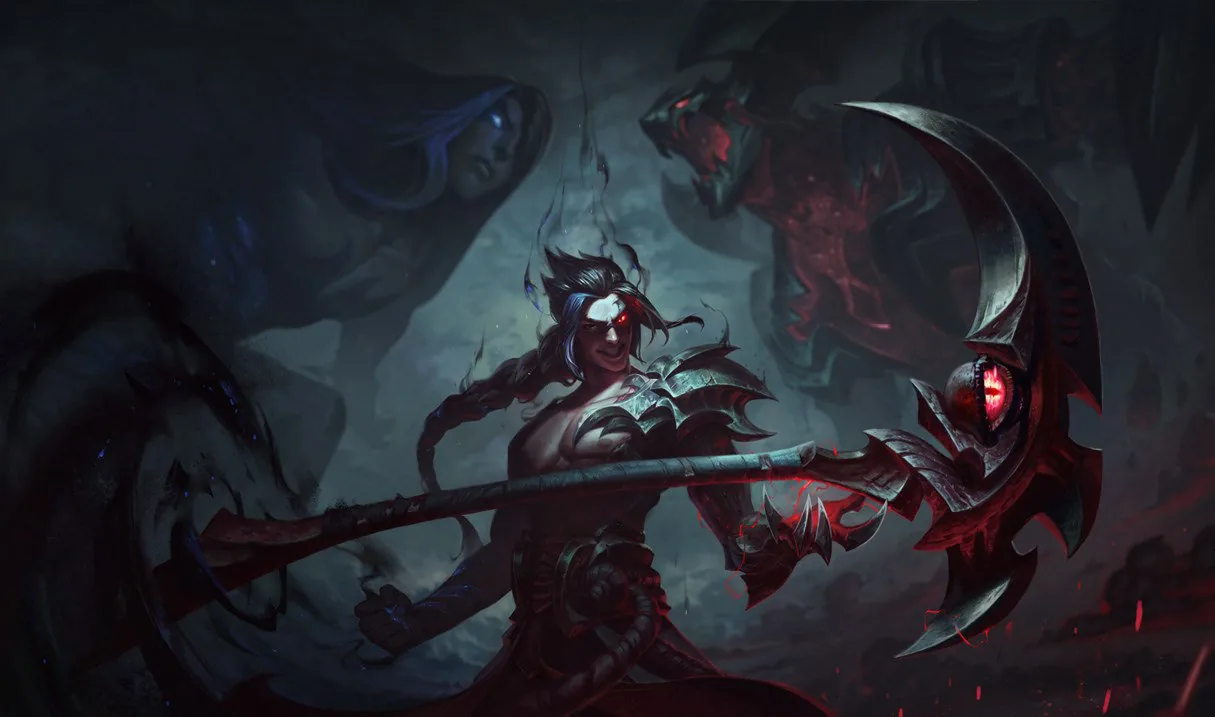
Kayn offers two answers in one champion, but he pays for that flexibility early.
Kayn’s terrain movement makes his routes hard to mirror, and his form choice lets him specialize after champion select. Rhaast gives sustain and a better plan into durable melee teams. Shadow Assassin gives burst and access into fragile ranged champions. Few junglers can change their job that dramatically within one game.
That flexibility comes with an early-game cost. Before form, he can lose direct fights to champions whose full kit is already online. If he chases the wrong targets only to collect form progress, he can wreck his own pathing and hand over neutral objectives.
Draft fit and matchups
Pick Kayn when the enemy composition gives you a clear form and your lanes can survive a quieter opening. He is especially useful when standard ward lines would make another jungler’s route too predictable. Avoid him when your team needs guaranteed early crowd control or when every lane is likely to lose priority.
Plan your first routes around camps and good plays, not only around the champion type that grants the form you want. Form progress matters, but gold, experience, and objective timing still decide whether the transformation arrives in a winning game.
Who should pick Kayn
Choose him if you enjoy route creativity and can change your fight plan after the draft. Do not decide on Rhaast or Shadow Assassin before loading screen and refuse to reconsider. Read both team compositions. The right form should solve the fight you expect to play.
What the 26.18 jungle buffs change
Master Yi gains armor growth and more movement speed during Highlander. Guinsoo’s Rageblade also holds its Seething Strike stacks for four seconds instead of three, making short gaps between attacks less punishing. Those changes make Yi worth considering when your team can cover his approach and the enemy lacks reliable lockdown. They do not give him Wukong’s engage or solve a draft that needs someone to start the fight.
Viego gains attack damage growth and stronger scaling on his possession heal, including a bonus-health contribution. He is an alternative when allies can create the first takedown and you can use the possession well. Do not read the buff as permission to be the first body through a choke: without a kill to possess, he still has to survive the opening fight.
Ekko’s Timewinder costs less mana and its return hit gains AP scaling. The return path matters when choosing a fight or clearing a wave, although Riot specifically discusses giving his mid lane room to improve. The notes do not establish a new jungle clear time or prove that he should replace the picks above.
These buffs are reasons to reconsider a familiar Yi, Viego, or Ekko. They are not enough evidence to tell someone to learn a new champion for a supposed first-day tier advantage. The previous patch’s Nocturne, Graves, Qiyana, and Sundered Sky nerfs remain relevant history; none was reversed in the 26.18 Summoner’s Rift notes.
The large Warwick and Shyvana entries later in the same Riot post belong to League Classic. They do not change the modern Warwick or Shyvana kit used in this guide.
Matchup and draft cheat sheet
| Your draft needs | Best choice | Why |
|---|---|---|
| Engage into physical damage | Wukong | He can start fights, peel, and survive physical skirmishes |
| Scaling with a front line | Shyvana | She converts camps and takedowns into a stronger extended fight |
| An AD assassin with map tempo | Talon | Terrain access creates invade and flank timings |
| Early fog-of-war pressure | Shaco | Boxes, invisibility, and clone control punish predictable plans |
| Punishment for split positioning | Kha’Zix | Isolation turns side-lane movement into pick opportunities |
| Long-range engage | Hecarim | He starts fights from angles many carries cannot comfortably ward |
| A flexible anti-melee or anti-ranged form | Kayn | His transformation can match the enemy team’s fight pattern |
Against an early invader, use lane priority as your rule. Contest when your nearby lanes can move first. Trade camps or take the opposite objective when they cannot. Dying to defend a camp rarely proves anything beyond the fact that the opponent counted nearby champions better.
Against a heavy farmer, identify the first map event that forces them to choose. Talon and Shaco can enter their jungle. Wukong and Hecarim can force a lane fight. Kha’Zix can hold vision where the farmer must walk alone. Do not copy their full clear if your champion’s advantage is early agency.
Against tanks and heavy peel, favor Wukong, Shyvana, Hecarim, or Rhaast Kayn. Talon, Shaco, and Kha’Zix can still work, but they need cleaner target access and a lead. Drafting an assassin into three durable champions without checking how the assassin can reach a carry is how good picks become bad games.
Common mistakes when choosing a jungle main
- Chasing the highest win rate every morning. Stat pages change as games arrive and filters differ. Mastery over a small pool survives those swings.
- Ignoring damage balance. Locking another physical damage champion into an all-AD team gives the enemy an easy defensive plan.
- Pathing without lane priority. Your route is not independent of the champions playing around your camps.
- Forcing the first objective. An early dragon or Void Grubs attempt is bad when lanes cannot move and the enemy jungler has the stronger fight.
- Trying to learn all seven picks. Choose one reliable champion and one contrasting backup. Wukong plus Shyvana, or Wukong plus Talon, covers far more situations than seven shallow picks.
Choosing a jungle pool
Which jungler should I pick first?
Start with Wukong when you want engage into physical damage, or Shyvana when your team can support a farming plan. Pick a familiar specialist over either when the matchup rewards it. We have not established a single best statistical jungler for the opening day of 26.18.
Which jungler is best for beginners?
Among this top seven, Wukong is the best starting point. His game plan is readable, and Cyclone gives you value even when your early path was not perfect. Shyvana is a good alternative for players who want to focus on efficient clearing and objective timing.
Which jungler is best for low elo?
Shyvana and Wukong are the most practical low-elo choices from this list. Shyvana punishes slow games by scaling through her clear, while Wukong can turn the frequent grouped fights around major objectives. Pick the one whose first-clear plan you can repeat consistently.
Is Nocturne bad after the Patch 26.17 nerf?
No. Riot reduced his base durability rather than removing Paranoia’s map pressure. He remains a useful ultimate-driven jungler, but the first clear and early skirmishes now carry more risk. His ultimate still makes him a reasonable alternative when an allied lane can prepare the target.
Should I pick the champion with the highest win rate?
Not by itself. Check the rank filter, region, role, sample size, and pick rate behind the number. Then ask whether the champion fits your draft and your own experience. A small statistical edge does not cover a bad damage profile or a matchup you do not understand.
How many jungle champions should I learn?
Two or three is enough for most ranked players. Start with a stable pick such as Wukong, add a different damage profile or play style, then keep one fallback for bans. A focused pool makes pathing, matchup tracking, and objective decisions easier to review.
What to recheck before changing your pool
If you are comparing current results, check the same patch, role, rank bracket, region, and a meaningful sample. A hotfix to one pick or a core item can change the advice before the next numbered patch. Until new results are comparable, use the draft conditions here and keep playing the champion whose route and fights you understand.