

Jinx is our first choice with Sona when the team has a frontline. Ashe is the easier pairing to coordinate, while Lucian is the pick for a duo that wants to trade early. Smolder, Zeri, Nilah, and Ezreal round out the options, but they ask very different things of the lane.
The best ADCs for Sona do more than enjoy a heal. They help her reach the wave safely, contribute before Crescendo is available, and stay close enough to use her support once a fight starts. Choose around those jobs and the enemy engage, not just around which marksman scales hardest.
These Sona pairings assume an ADC taking the farm in normal PC Summoner’s Rift. Zeri’s 26.18 W damage nerf is relevant to the approach, while the moving-fight plan still depends on her repeated attacks and a route Sona can follow. Riot's 26.18 notes.
Pick the partner your lane actually needs
| ADC | Choose them for | What can go wrong |
|---|---|---|
| Jinx | Protected teamfights and damage after the first takedown | Neither champion has a dash; stacked dive is a problem |
| Ashe | Range, pre-six slows, and a reliable way to start fights | Both players need good vision and a safe retreat |
| Lucian | Short trades that make use of Sona’s shield and his passive | Dashing into engage exposes a support who cannot follow safely |
| Smolder | A scaling lane that can still contribute from range | Giving up too much wave control makes stacking harder |
| Zeri | Extended fights with a mobile carry | Her wall movement can leave Sona stranded |
| Nilah | A direct healing-and-shielding interaction | The duo may struggle to reach minions against ranged pressure |
| Ezreal | Farming and repositioning in an awkward matchup | Ezreal escaping does not mean Sona escapes with him |
This order favors a workable overall game plan. It is not a recommendation to first-time Jinx when you already play an excellent Ezreal. Champion familiarity can matter more than the difference between two suitable partners.
Sona also needs help from the rest of the draft. If top, jungle, and mid are all looking to dive the enemy backline, an immobile ADC may get almost no protection. In that game, Ezreal’s escape is worth more than it would be behind a tank holding the river entrance.
1. Jinx: the best default when someone can front-line

Jinx gives Sona a clear reason to stay with the carry after lane. Fishbones lets her deal splash damage from increased range, and a takedown can activate Get Excited to accelerate the next part of the fight. Sona’s healing, shielding, and movement speed help Jinx keep attacking while other champions are forced to leave.
That payoff is why she takes first place here. It is also why the frontline condition matters. Jinx and Sona standing alone at a dragon entrance are two targets, not a teamfight formation.
Use rockets to manage the wave, not automatically push it
When the opponents are building a large wave, Jinx can use rockets to thin it before it reaches the tower. This matters for Sona: a huge crash gives an engage support room to walk around the minions and threaten a dive while the ADC is busy last-hitting.
But rockets should not be on permanently. If the wave is already in a safe position on your side, unnecessary splash can push it away from you. Switch back to the minigun when extra wave damage is not helping. Mana spent on casual pushing is also mana unavailable when you urgently need to clear.
A useful level-six sequence is Crescendo into Chompers placed along the target’s retreat. Give the traps time to become a threat. Do not spend Sona’s stun and Jinx’s only defensive zone on a low-value target if an enemy diver is still waiting nearby.
After the first takedown, reassess before chasing. Jinx’s sudden movement speed can carry her beyond Sona’s reach. The support should not have to cross the enemy frontline to deliver the next shield.
If the enemy has several ways to reach Jinx and your team has no one willing to peel, move down this list. For other lane styles, our Jinx support guide compares what she gets from different partners.
2. Ashe: a more controlled lane before level six
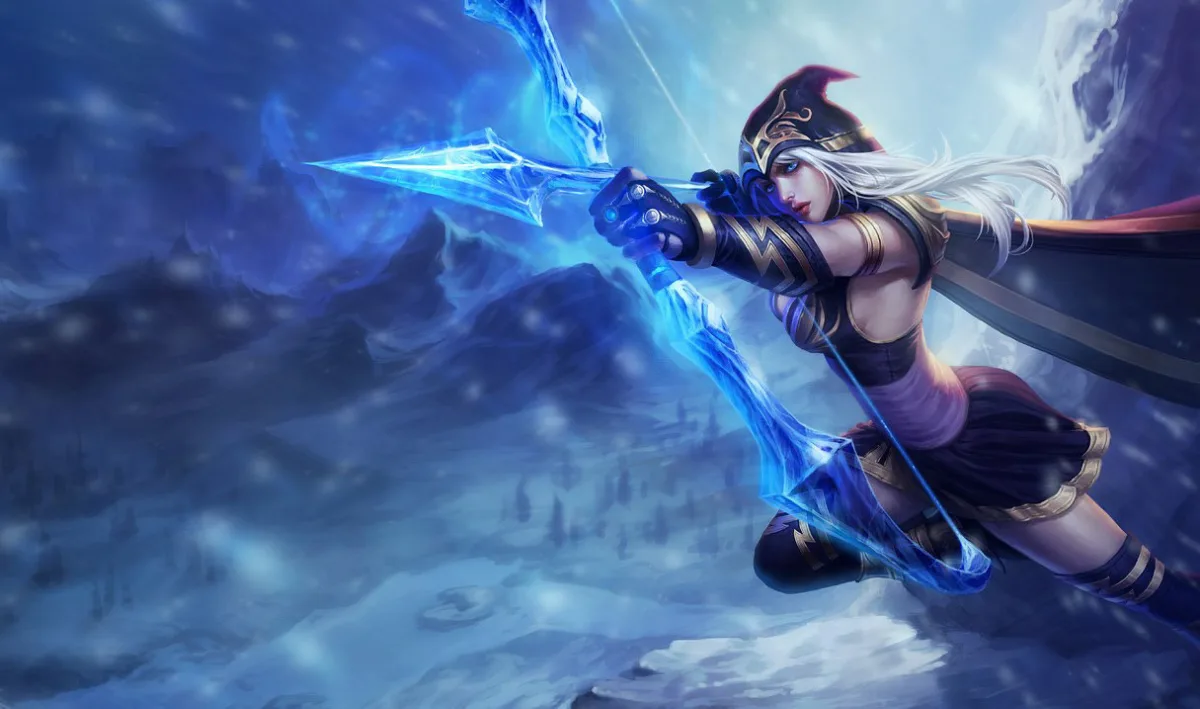
Ashe solves a problem that more explosive carries leave to Sona: how does this lane stop an opponent from simply walking at it?
Her attacks slow, and Volley gives the pair another way to discourage an approach. Her 600 base attack range also lets her contribute to a short trade without moving as close as Lucian. Sona can add Q damage while Ashe attacks an opponent who has stepped up to last-hit, then both players can back away together.
The important word is "together." If Ashe takes a few safe attacks while Sona is caught on the other side of the wave, the exchange is not safe for the lane.
Hawkshot deserves deliberate use. Before pushing beyond a comfortable retreat, scout a likely jungle route or camp. Seeing the jungler elsewhere can justify pressure; failing to see them does not prove the area is safe. This is particularly useful for two champions that cannot dash out of a bad river position.
At six, Ashe can start with Enchanted Crystal Arrow while Sona keeps Crescendo available. Once the arrow connects, decide whether more control is needed to finish the target. Sometimes the better use of Sona’s ultimate is stopping the enemy support or jungler who comes to help.
Ashe is our preferred recommendation for players learning to duo with Sona because the plan is easy to communicate: slow the approach, take the available trade, and layer crowd control when needed. The danger is still hard engage from an unseen angle. Range does not compensate for missing wards.
3. Lucian: the aggressive option, with a real kit interaction

Lucian is more than a marksman who likes an enchanter. Riot’s passive description explicitly gives his next two basic attacks bonus magic damage when an ally heals or shields him. Sona’s W supplies that kind of help, and Crescendo adds allied crowd control to their level-six threat.
This makes short, coordinated exchanges attractive. Sona can shield during the opponent’s response while Lucian uses an ability and his follow-up attacks. Both champions benefit from ending the trade before the enemy support gets the sustained fight it wants.
The mistake is treating the passive as an instruction to dash forward.
Against a hook support, hold Relentless Pursuit while the hook is still a realistic threat. Once that spell misses, Lucian has more freedom to step up, trade, and keep E as an exit. A dash used to gain a little damage is no longer available to escape the counterattack.
Sona should also avoid spending W only to prepare damage when no good trade is available. She needs mana for the wave that follows. An unused buff is a small loss; being unable to shield an actual all-in is a much bigger one.
Choose Lucian when both players want to contest lane and understand when to stop. He is less comfortable when the opposing duo can keep him at arm’s length or punish Sona every time she moves up with him. His 500 base attack range is a meaningful constraint, even with an excellent support interaction.
4. Smolder: scaling without abandoning the wave

Smolder and Sona both offer a reason to play for longer fights later, but "we scale" is not an early-game plan.
Dragon Practice grows through ability hits on champions and kills with Super Scorcher Breath. If Smolder is zoned far away from the wave, that plan suffers. Sona should help make farming possible, not spend the entire lane repairing damage from attempts to grab every contested minion.
Look for manageable exchanges. Smolder can contribute from range with Achooo while Sona threatens a nearby Q. If the enemy misses an important spell, there is room to step up for farm or a trade. If the enemy support is walking forward with everything available, a single stack is not worth losing most of Smolder’s health.
The duo should be especially careful around recall timings. Smolder leaving Sona alone to defend a large incoming wave can put her in a worse position than simply conceding a few minions together. Try to arrange a recall after a completed crash, or ask the jungler for help when the wave is trapped in an unsafe spot.
In fights, Flap, Flap, Flap gives Smolder a route over terrain, but Sona cannot take that route with him. Use it to escape danger or reposition toward protection, not to assume the whole backline can follow across a wall.
This pairing is attractive when another teammate can start fights and stand between the carries and the enemy. If every lane is giving up pressure and nobody can contest an objective entrance, adding a second scaling backliner does not solve that immediate problem.
5. Zeri: strong in a moving fight, demanding in lane
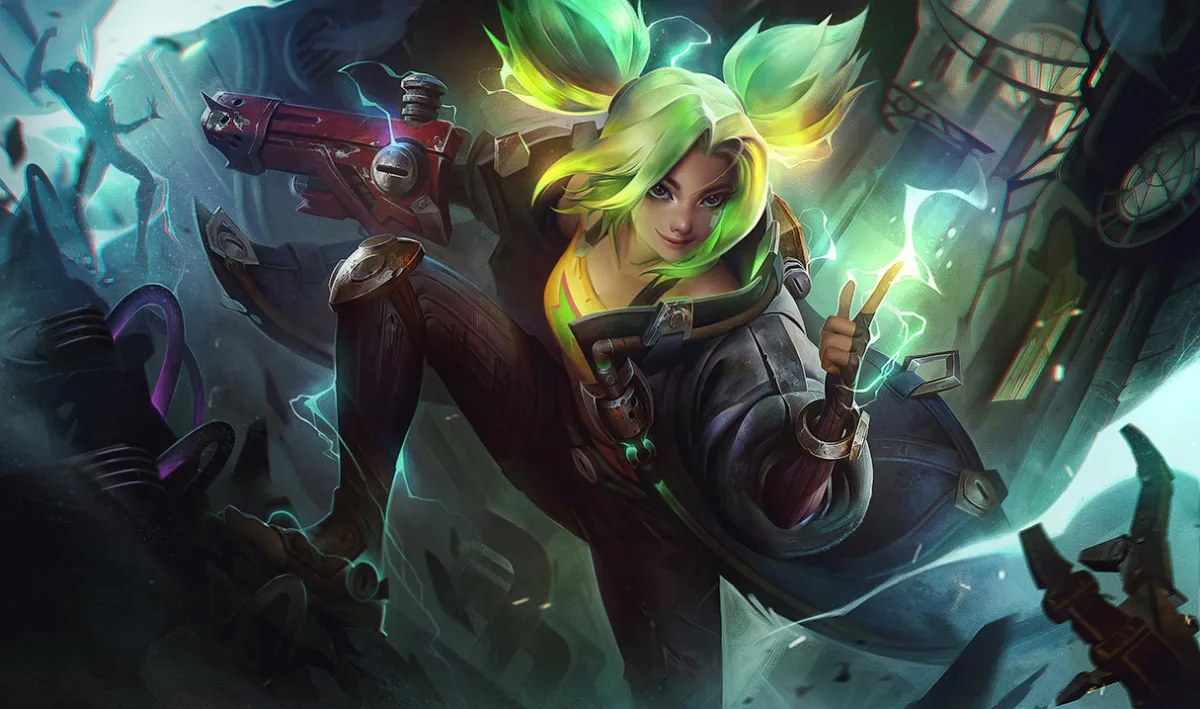
Zeri fits the kind of extended fight in which Sona can keep supporting multiple allies. Once Lightning Crash is active, Zeri wants repeated contact with enemy champions. Sona’s movement speed helps her stay in position, and another shield can buy the time for a further attack.
Their lane requires more attention. Burst Fire hits the first enemy in its path unless Zeri has the relevant piercing effect active. A minion wave can block her access to a champion even while Sona is able to poke that champion with Q. If Zeri cannot hit the same target, Sona should not assume the trade has an ADC behind it.
Work an angle before committing. Thin the blocking minions when doing so fits the wave plan, or move together toward a clear line. Walking around the wave alone exposes Sona to exactly the engage this pairing wants to avoid.
Zeri’s mobility creates a second trap. Spark Surge can take her across terrain almost instantly, leaving Sona to walk around it. Before a dragon fight, know which side of the wall each player intends to use. If Zeri retreats across a wall, Sona may need to leave earlier through the open route rather than wait for one last aura tag.
Pick this duo when the ADC already knows Zeri. It is not the best way to learn both a demanding marksman and how to position around Sona at the same time. Patch 26.18 reduces W’s AD scaling, including the terrain-empowered hit. That trims poke before the fight; it does not replace the need to land repeated Q shots once Sona has bought time to attack.
6. Nilah: excellent sustain synergy, a risky first few waves

Nilah’s Joy Unending enhances and shares nearby allied healing and shielding. Sona brings both. Nilah also gains increased experience from last-hitting minions, which gives the duo another reason to protect her access to the wave.
On paper, the combination is hard to ignore. In lane, the question is whether Nilah can reach the minions without getting punished by both opponents.
Her short base range makes this a selective pick. Sona does not have a basic stun or a hook to force an early opening for her. Against a ranged duo that can zone aggressively, trying to fight for every last-hit can burn through their health and Sona’s mana before the sustain starts to feel valuable.
Concede a minion when the alternative is losing access to the next several. Try to keep the wave within reach without letting it become a huge crash. When the enemy spends an important spell, Nilah has a more reasonable window to use Formless Blade, extend her attack range, and take what the lane allows.
Jubilant Veil can protect against attacks and can be shared with a touched ally. That is useful when an enemy marksman commits, but it is not blanket immunity to spells and crowd control. Do not use it as proof that Sona can safely stand in a mage’s full combo.
At six, Apotheosis can pull enemies together for Crescendo, or Sona can stun first to help Nilah enter. Choose based on who can reach the target safely. Sona should not walk into melee range just to force the ideal-looking combo.
Nilah belongs higher for a practiced duo facing a manageable lane, lower when range and early pressure are the main problems. The Nilah support comparison is useful if you want to weigh Sona’s sustain against a partner with earlier engage.
7. Ezreal: an escape for the ADC, not the whole duo
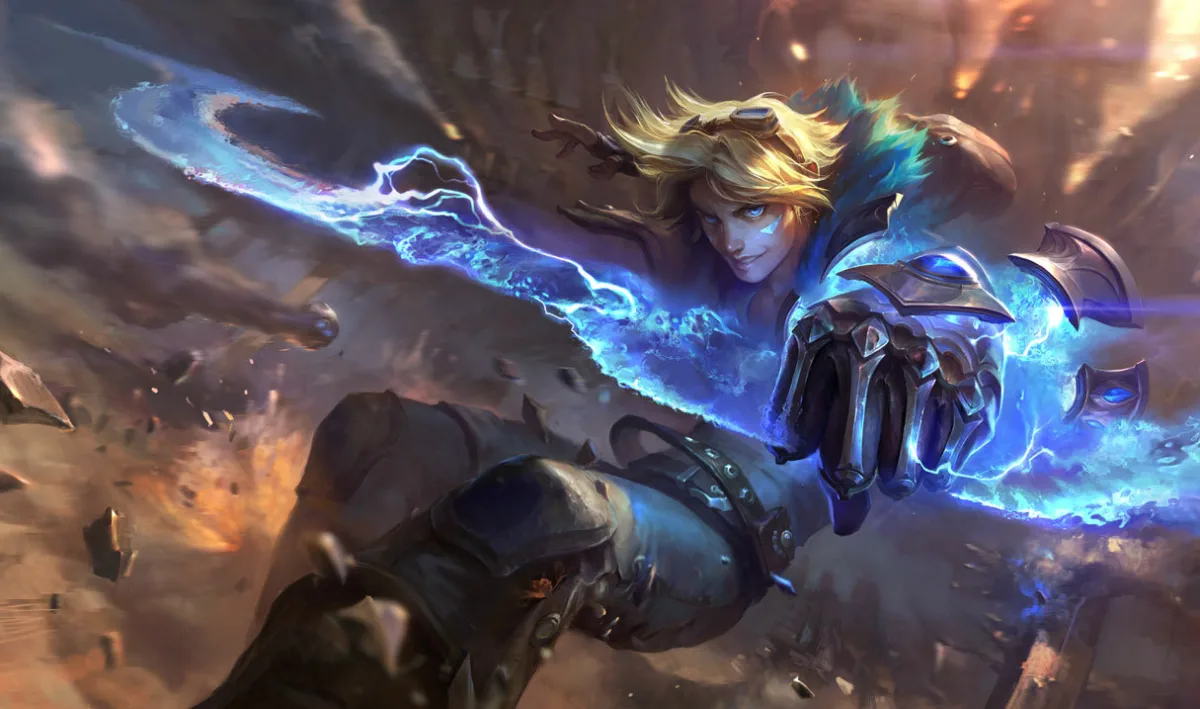
Ezreal is the compromise pick when the lane looks uncomfortable. Mystic Shot gives him a way to last-hit from farther back, and Arcane Shift lets him reposition out of many dangerous situations if he still has it available.
That helps Ezreal. It does not automatically protect Sona.
If the opponents cannot reach him, they may simply threaten her. An Ezreal who fires Q from maximum distance while Sona stands near the wave is not providing much deterrence. He still needs to contribute basic attacks when safe, help manage the wave, and move close enough to support her retreat.
Crescendo gives him a predictable target for skillshots, which is welcome after level six. Before then, the pair should focus on reachable poke and safe farming rather than assuming two long-range damage spells create lane priority.
Save Arcane Shift for the danger that matters. Using it forward to connect a little extra damage can turn a difficult but playable matchup into an all-in neither champion wanted. If Sona is the target, consider whether attacking the enemy ADC or landing damage on the approaching threat will help her get out; do not automatically abandon the fight just because Ezreal can leave.
Ezreal stays on this list because surviving a bad matchup is a valid job. He ranks last because personal safety is not the same as reliable synergy. If you want to compare him with more proactive support pairings, see our Ezreal support guide.
Three habits that make almost every Sona lane better
Trade beside your ADC, not several steps ahead
Sona’s Q does not require the same targeting line as many ADC spells. That can tempt her into a position where she can hit the opponent but her partner cannot.
Before stepping up, check whether the ADC is occupied with a last-hit, blocked by minions, or outside attack range. The presence of a blue aura does not obligate either player to chase an attack into danger. Take a missed opportunity over a forced bad trade.
The ADC has a responsibility here too. If Sona is moving toward a sensible trade, do not casually spend the next several attacks pushing a wave that did not need pushing.
Make Power Chord match the threat
Sona’s last basic ability changes the extra effect of her empowered attack. The Q version adds damage, the W version reduces the target’s physical and magic damage, and the E version slows.
That choice matters most when somebody commits. Against a diver already in range, the W version can be more useful than extra poke damage. If the danger is a target walking out of reach, the E version may help secure space or another attack.
Do not walk into a lethal position just to deliver the ideal chord. It is still an attack that Sona has to reach safely. The ADC should recognize the same limit before expecting her to peel a target on the other side of the fight.
Recall before the lane becomes a mana emergency
Sona can lose lane through resource pressure without either player dying. If every trade requires W and no good recall happens, the next engage arrives when she cannot answer it.
Use the wave to plan the reset. A full crash can create time to leave; an unfinished push can leave the ADC exposed while Sona recalls. When you cannot crash safely, ask for help, take the least damaging recall available, or concede pressure rather than trying to manufacture one more exchange.
By champion select, the duo should be able to answer two questions: who helps Sona reach the wave, and who protects the carry when Crescendo is down? Jinx with a frontline, Ashe for lane control, and Lucian for coordinated short trades are the clearest starting points. The other four are choices for a particular player or draft, not upgrades you get simply by picking a scaling champion.