
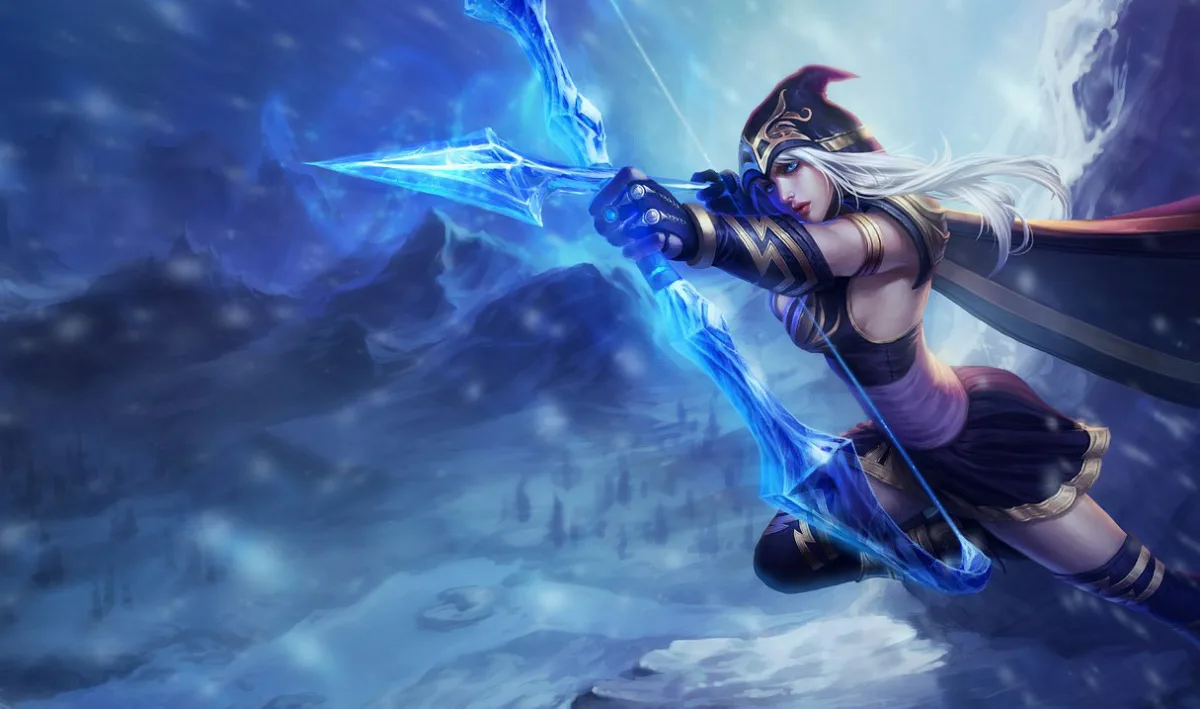
Seraphine is the best support for Ashe on Patch 26.17 if champion select gives you no other information. Frost Shot turns Seraphine’s Beat Drop from a slow into a root, the pair can control a wave without walking into hook range, and Encore gives Ashe a second line of crowd control after Enchanted Crystal Arrow starts a fight.
That verdict has limits. Milio is better when Ashe needs range and a way out of crowd control. Braum is the cleaner answer to projectiles and front-to-back dive. Leona supplies a first move when the other three roles drafted none. Karma is the lane-tempo pick. Renata Glasc and Tahm Kench trade early pressure for insurance against fights that will reach Ashe no matter how carefully she spaces.
This dossier was reviewed for League of Legends Patch 26.17. Ashe did not change on the current Summoner’s Rift in that patch. Riot’s Volley adjustment appears later in the separate League Classic section, so it does not belong in a current Ashe ADC recommendation. Current duo data supports the broad case for Seraphine, Milio, and Braum, but the public article does not publish a moving win rate or pretend one filter can settle every draft.
Why Ashe changes the support’s job
Most ADCs ask a support to create either time or distance. Ashe already creates both in small amounts. Frost Shot slows every target she attacks. Volley can tag a champion through a narrow opening in the wave. Hawkshot can reveal the route a jungler took. At level six, Enchanted Crystal Arrow can begin a play from outside the lane.
What Ashe cannot do is cross a wall, dash out of a hook, or instantly reset her position after stepping forward. That changes the value of pressure. A support can help Ashe push the enemy under turret, but a deep wave leaves an immobile carry in the longest part of the lane. Hawkshot may show the jungler. It does not move Ashe to safety.
The best partner therefore solves the next problem in the sequence. If Volley lands, who turns the slow into hard crowd control? If the wave crashes, who can stand on the river side while Ashe hits the turret? If Arrow connects, who can reach the target before the stun ends? If the enemy sends a second diver after the first one is peeled, who still has a defensive button?
Those questions matter more than a one-week sort by duo win rate.
When a slow needs to become hard crowd control
Seraphine: the complete default
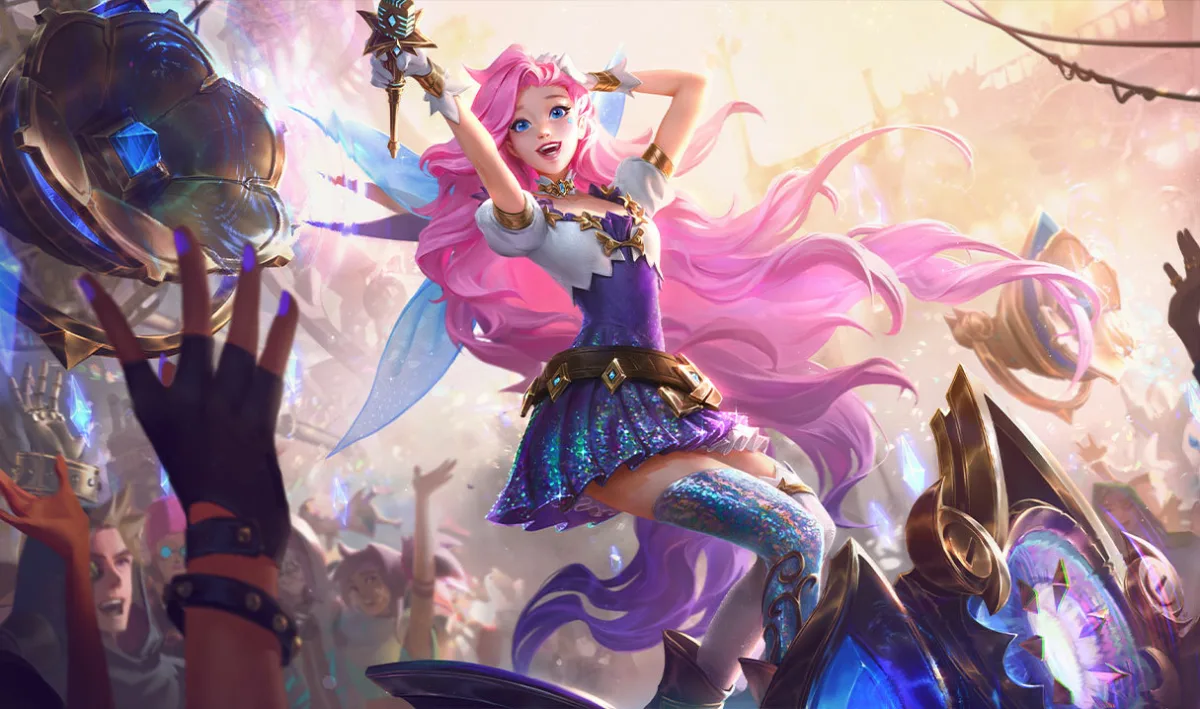
Seraphine gives Ashe’s passive an extra job. Beat Drop slows a normal target, roots a target that is already slowed, and can stun a target that is already immobilized. Ashe can apply Frost Shot with one attack or Volley, so Seraphine does not have to spend an Echo cast merely to reach the first useful layer of crowd control.
The lane sequence is clean around an enemy last hit. Ashe fires Volley as the ADC steps out from behind the caster minions. Seraphine sends Beat Drop through the slowed target. The root creates time for Ashe to walk into repeated attack range, and both players can leave before the opposing support finds a return engage. This is a short trade first. It becomes an all-in only when the enemy has already spent the spell that can stop the chase.
The wave still needs attention. Ashe’s Volley and Seraphine’s area spells can turn a controlled lane into a permanent shove. If the pair uses every spell on both champions and minions, the next wave meets near the enemy turret and the river becomes the only route out. Hold one spell when the enemy jungler is missing. Pressure is useful only while the duo has room to retreat.
At level six, Arrow into Encore is the obvious order when Ashe has a clear line. Encore can travel through champions, so the first stunned target can become the front edge of a larger teamfight. The reverse order also matters. Seraphine may catch several players first, leaving Ashe free to aim Arrow at the carry who was not in the charm line or at the diver arriving from a flank.
The failure case is direct engage after Seraphine spends Beat Drop. Both champions are immobile, and neither has an instant displacement. Seraphine is still the best all-around answer because her lane conversion and teamfight follow-up are unusually complete, not because the pairing has no bad matchup.
Against divers, choose between denial and endurance
Milio keeps Ashe at the edge of the fight
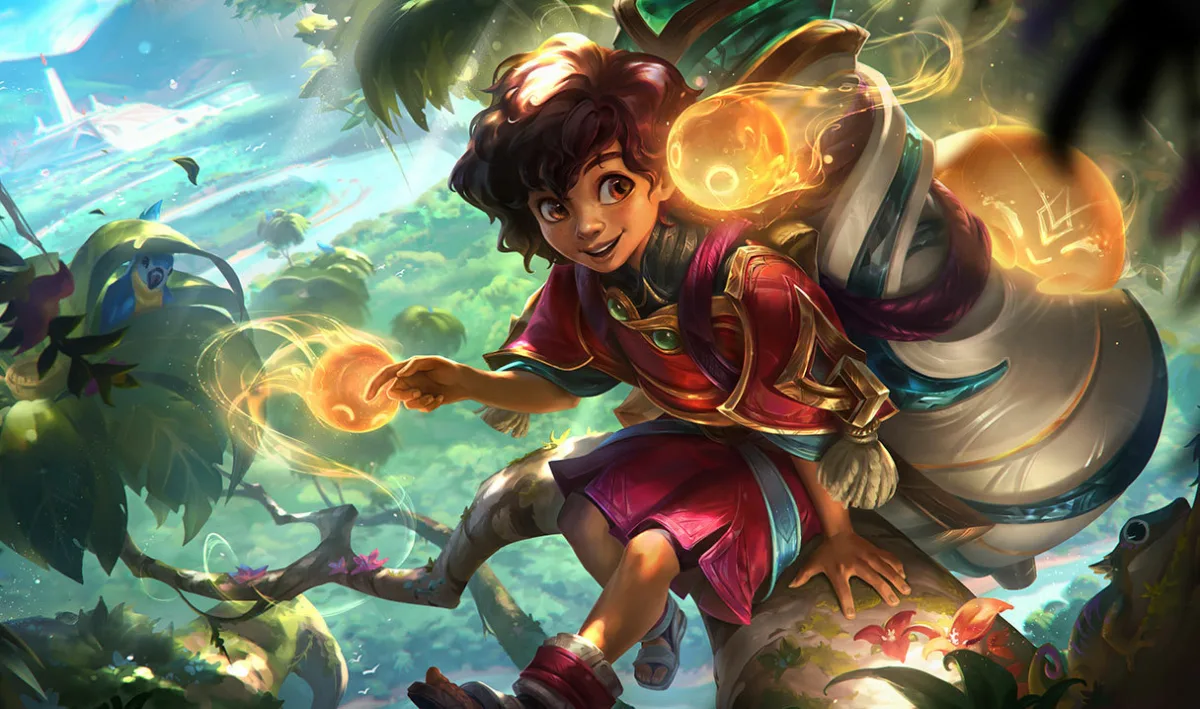
Milio changes the space Ashe can occupy. Cozy Campfire increases allied attack range inside its zone, while Warm Hugs adds a shield and movement speed. Ashe can tag the closest target, let Frost Shot hold that target at the edge of her range, and keep attacking without taking the extra step that gives an engage support a clean angle.
That extra space matters most when the enemy front line has one predictable way in. Milio can hold Ultra Mega Fire Kick for the first champion who crosses the wave, then use Warm Hugs to help Ashe open the gap again. Breath of Life can remove crowd control from nearby allies after it lands. The sequence asks the Milio player to save a button, not spend every charge to win a harmless trade.
The lane gives up shove and hard setup. Milio cannot reliably place a target in front of Ashe, and two defensive champions can spend several waves watching a mage support control the brushes. Pick him when the rest of the team already has a first move or when reaching the teamfight safely is worth more than winning the first recall.
Braum stops the projectile lane from reaching Ashe
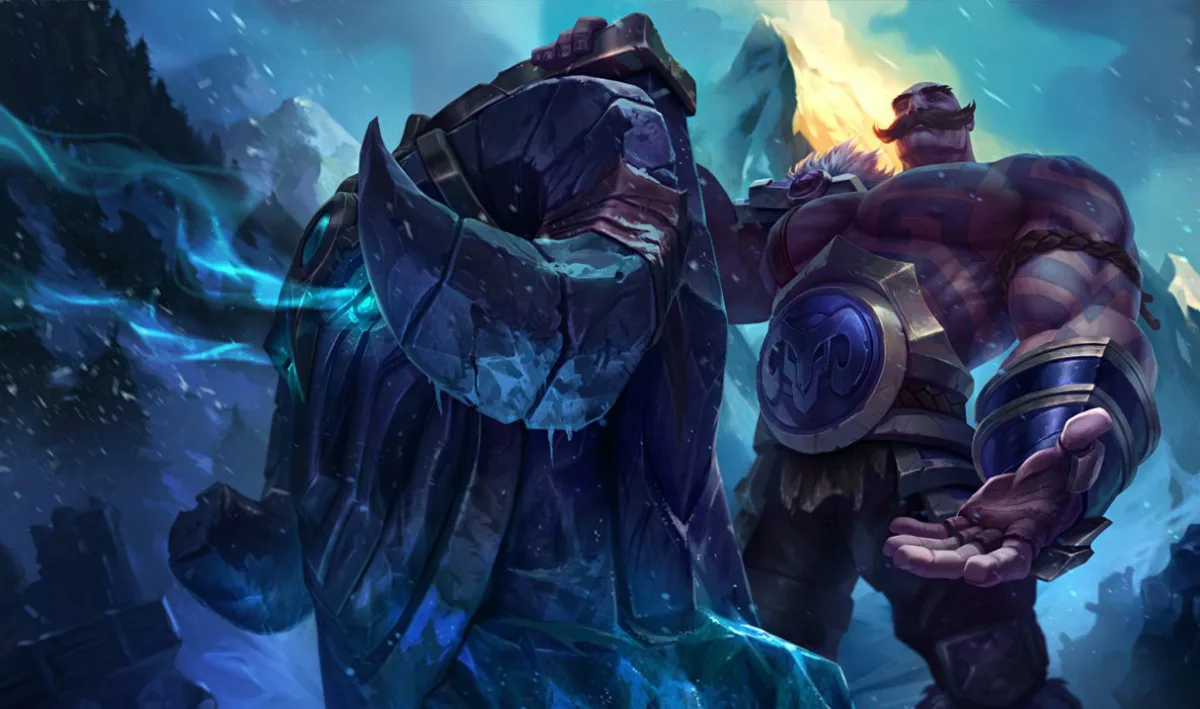
Braum solves a different defensive problem. Once he applies Concussive Blows, Ashe’s basic attacks add stacks toward the stun. Frost Shot makes it harder for the marked target to leave, and Ranger’s Focus gives Ashe a faster stacking window once it is ready. The pair can turn one Braum Q into a long trade without asking Braum to dive past the minion wave.
Unbreakable is the stronger draft reason. Against a composition whose first access comes through projectiles, Braum can intercept the line while Ashe keeps firing from behind him. He also has Stand Behind Me to move to Ashe or a nearby ally, which gives the support a way to repair spacing after the fight has already started.
Do not draft the duo and assume lane is won. Braum has limited pressure into two ranged champions before he touches one of them. If Ashe spends Volley only on poke while the enemy keeps the larger wave, Braum may have no route into the brush or river. Let the wave come off the enemy turret, then threaten the long lane where Frost Shot and Concussive Blows have time to work.
Milio is the better choice when extra range and crowd-control removal can preserve a normal front-to-back fight. Braum is better when blocking the first projectile and stunning the first diver will decide the fight.
If the draft has no first move
Leona turns Arrow into a full commitment
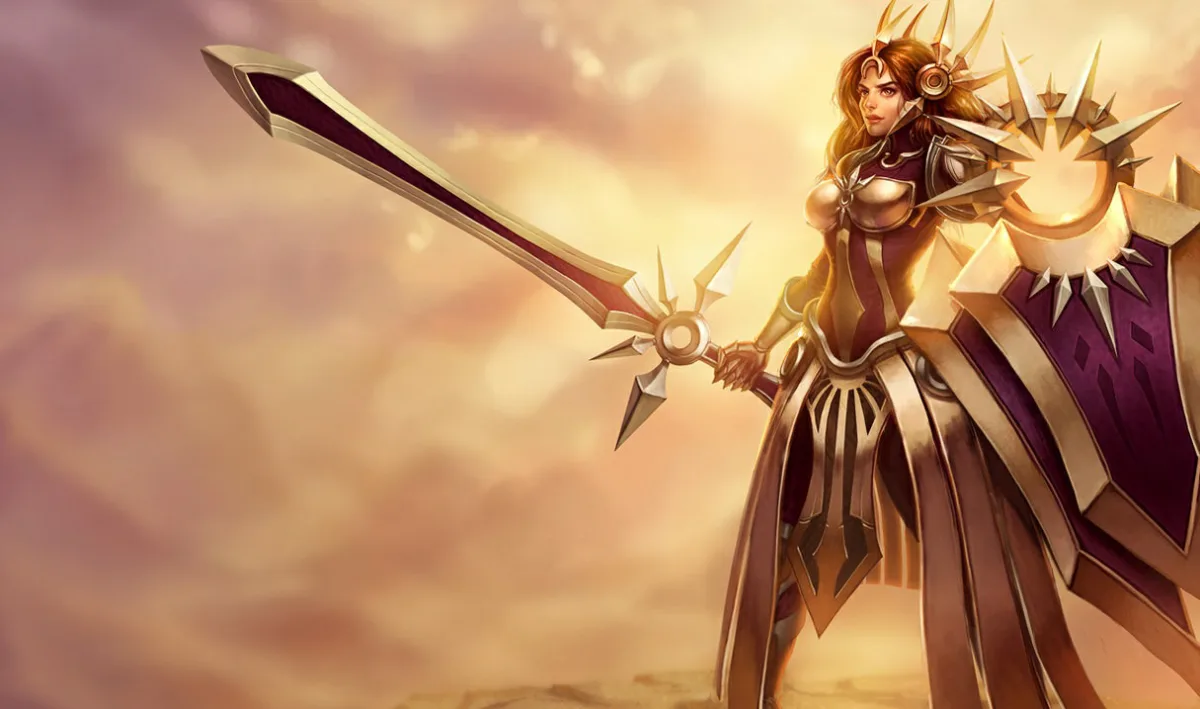
Leona gives the team a second engage point. Before level six, Zenith Blade and Shield of Daybreak hold one target while Ashe attacks through Sunlight marks. Frost Shot then keeps that target close enough for Leona to continue the trade instead of watching the enemy walk out after the first stun.
After level six, Ashe does not have to shoot a cross-map Arrow and hope the team arrives. A medium-range Arrow is often better. Leona can enter as the stun lands, add her own crowd control, and force the enemy support to spend defensive spells on one target. Solar Flare can start instead when a front liner blocks Ashe’s line to the intended target.
The duo fails when Leona treats every Zenith Blade as permission to fight. Check the wave before she goes. If two enemy waves are stacked, Ashe will take minion damage while walking forward and may lose the trade even after the crowd control lands. Also check Ranger’s Focus and Volley. Leona can survive a long engagement; Ashe may not have the damage window to finish it.
Renata Glasc is the slower, safer initiator
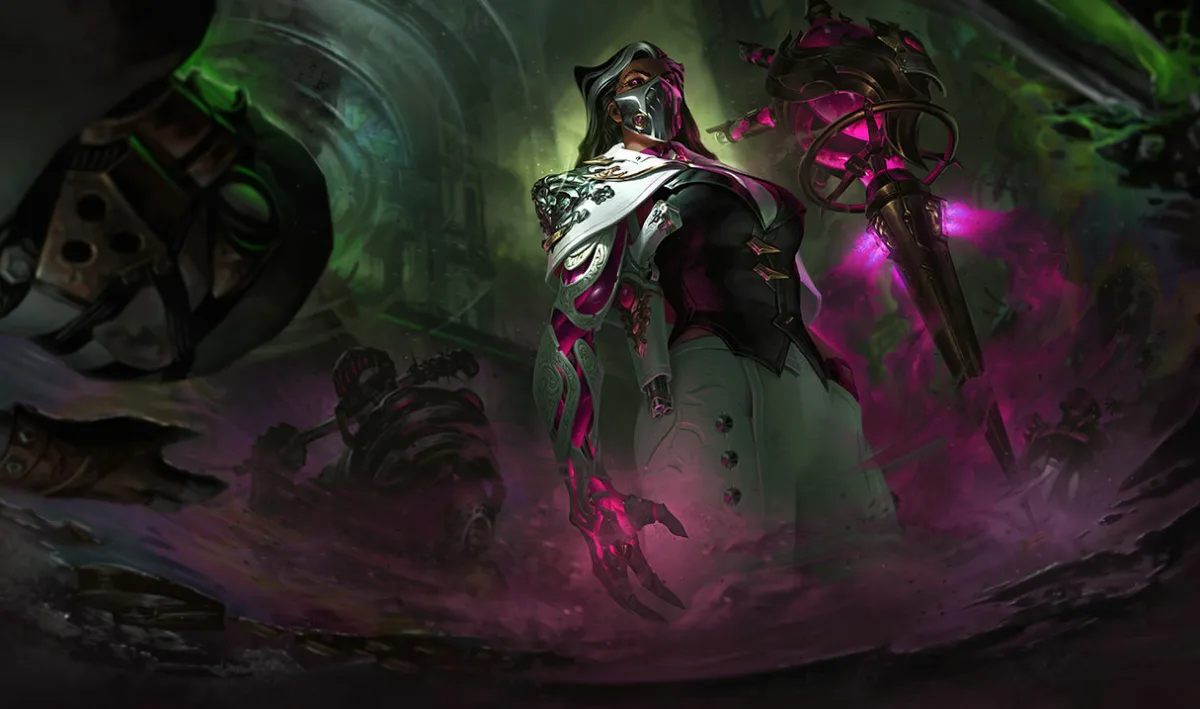
Renata does not offer Leona’s immediate entry. Handshake must connect, and its recast becomes much stronger when Renata can throw the target into another enemy for the secondary stun. A throw in the opposite direction can still reposition the target for Ashe. Frost Shot helps Renata keep a champion in the missile line and makes it harder for nearby enemies to spread before the recast.
The payoff arrives when a fight extends. Bailout lets Ashe keep attacking through a lethal burst and can save her if the duo secures a takedown. Hostile Takeover is especially punishing against teams that want to run forward in a tight group. Ashe can Arrow the first target or slow the front line while Renata sends the wave through the space behind it.
Avoid Renata when bot side must produce the first turret. Her short effective range and delayed threat can concede the brush to Lux, Zyra, or Karma. Choose her when the enemy’s engage will eventually arrive and their own attack damage can become a weapon against them. Leona remains the stronger lane initiator.
When the first three waves matter more than scaling
Karma owns space before the first recall
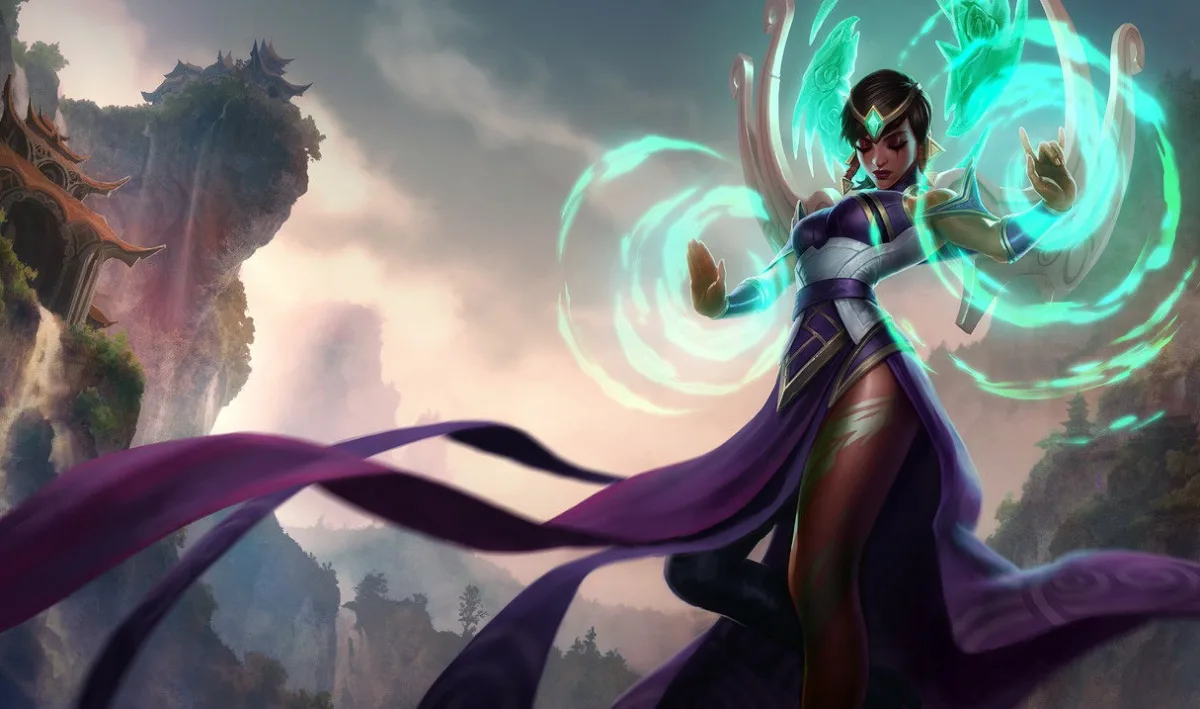
Karma is the tempo answer. Mantra is available from level one, Inner Flame threatens the enemy whenever they stand beside the wave, and Inspire lets Ashe cross a dangerous strip of lane for one more attack before leaving. The shield and movement speed fit Frost Shot: Ashe reaches the target once, slows it, and uses the remaining speed to decide whether the trade continues.
The duo should make an early plan instead of pushing by habit. Against a lane with weak level-one wave control, take the brush, hit the wave enough to reach level two first, and use that timing to force the opponents away from the next melee minions. Once the wave is moving toward turret, the support takes the river-side pocket while Ashe attacks from maximum range. That positioning makes the enemy choose between contesting Ashe and walking into Karma’s Q angle.
The same plan can invite a gank. Before the cannon wave reaches turret, Ashe should send Hawkshot through the likely jungle route, not across the entire map for curiosity. Karma then uses the information to decide whether she may hold the river edge or must return to the lane-side brush. If the hawk sees nothing, that does not prove the route is empty after the vision passes.
Karma loses value when the lane cannot convert tempo. If the enemy clears every wave from range or your jungler cannot contest the bottom river, repeated shoves leave Ashe exposed and give no plate in return. Seraphine scales the same basic lane idea into stronger group control. Karma earns the lock when the early waves themselves are the resource.
For the composition that intends to dive twice
Tahm Kench protects the second health bar
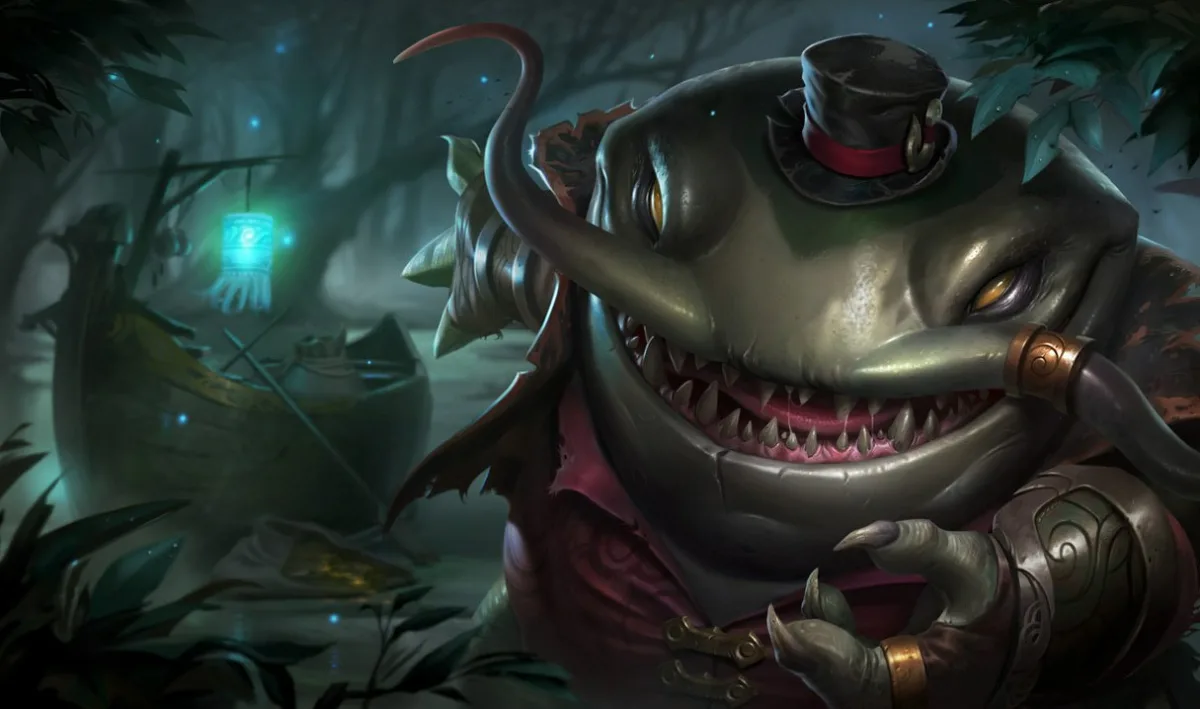
Some drafts do not stop after one engage spell. A diver enters, forces Milio’s cleanse or Braum’s shield, and a second champion reaches Ashe from another angle. Tahm Kench is the support for that problem because Devour can remove an allied champion from the immediate fight and return that ally with a shield.
His lane is more functional than it first appears. Tongue Lash slows the first target, which combines with Frost Shot to keep short-range opponents from disengaging cleanly. If Ashe lands Arrow, Abyssal Dive can follow once the target’s movement is predictable. Tahm should not begin every play with the dive. Holding it gives the duo a way to answer a jungle arrival or to cross terrain after the enemy commits.
Ranged lanes expose the tradeoff. Tahm cannot help Ashe contest every caster minion against two long-range spells, and Devour does not create turret pressure. Lock him when the enemy composition has already shown that lane priority is a lower-value prize than keeping Ashe alive through the second entry.
Hawkshot changes the lane, not the laws of the lane
Hawkshot is one reason Ashe tolerates a moving support better than many immobile carries. After a crash, she can send the hawk through the enemy’s bottom-side camps and give her support information before a river ward, invade, or mid-lane move. If the enemy jungler appears on the opposite side of the map, Braum or Karma may hold a more aggressive river position for the next wave.
The ability does not make a bad roam good. If Ashe’s wave is bouncing away from the enemy turret, the opposing lane can freeze it outside tower range. A support who leaves during that bounce gives Ashe a choice between losing minions and walking into two opponents. The hawk may tell her where the jungler is while she still cannot approach the wave.
Use information in order. Fix the wave and send Hawkshot along the route that matters. Then decide whether the support has time to move. This produces a real roam window; firing toward a distant buff on cooldown does not grant permanent safety.
The editorial verdict
Seraphine is RiftBrain’s default recommendation because she converts Frost Shot into hard crowd control, shares Ashe’s effective range, and turns one Arrow into a larger teamfight. She is the pairing most likely to keep its identity from lane through the last objective fight.
Change the lock when the draft asks a sharper question. Milio preserves Ashe’s range and removes crowd control. Braum denies projectiles and punishes the first diver. Leona supplies immediate commitment, while Renata is better when the enemy wants to attack into a long group fight. Karma is for early wave ownership. Tahm Kench is for the composition that can reach Ashe again after the first defensive spell.
Related RiftBrain pages planned for this cluster: best support champions, best supports for Jhin, and best supports for Caitlyn.
Update note: Reviewed on August 30, 2026 for current Summoner’s Rift on League of Legends Patch 26.17. Recheck after changes to Ashe, the listed supports, bot-lane systems, or the slow-to-control interactions used here.