
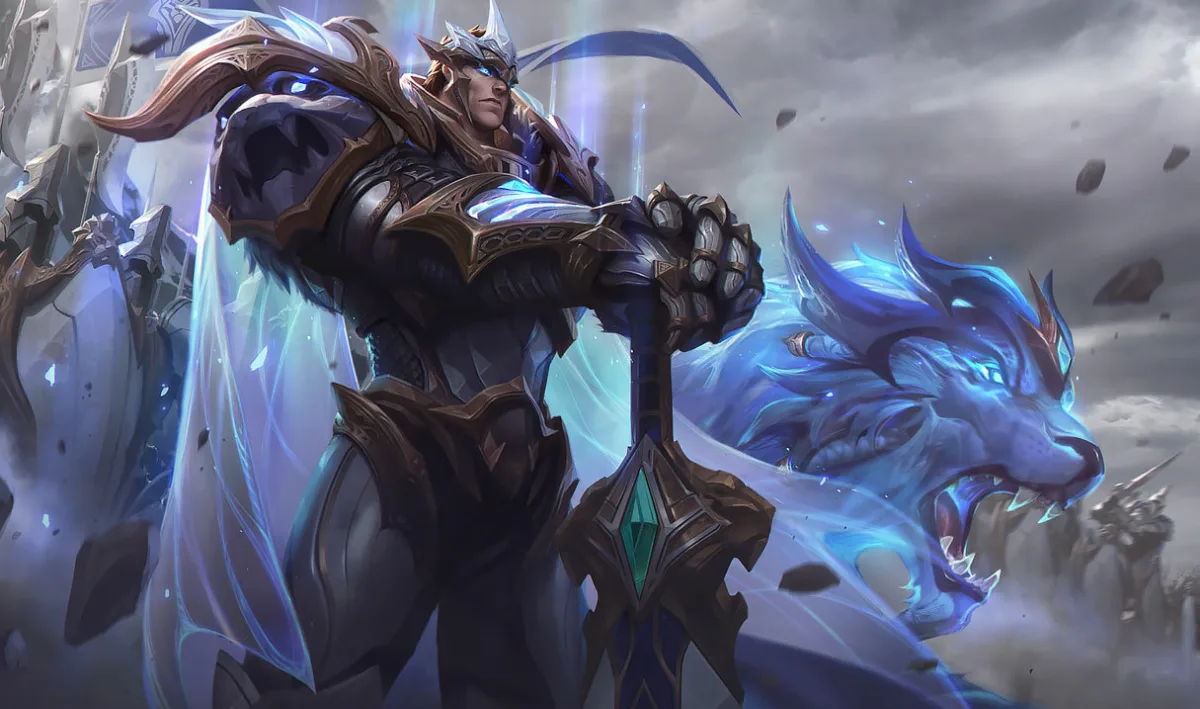
You take half the enemy’s health, spin through the minions, and feel ahead. A minute later, the wave is stuck near their turret and you cannot walk up without getting chased down. Top lane can punish a good-looking trade long after the damage numbers disappear.
Garen is the best top lane champion for beginners because his attacks are straightforward, he has no mana to manage, and his recovery gives you another chance after a rough trade. Malphite is the best second pick when your team needs an engage and the enemy relies heavily on physical attacks. Mordekaiser, Sett, and Cho’Gath round out the five recommendations for players who prefer sustained magic damage, close-range fighting, or a tank with more control spells.
Reviewed for modern PC Summoner’s Rift Patch 26.18 on September 10, 2026. The selected top-lane kits retain the trade, recovery and engage tools used in this learning guide. The older Cho’Gath E change remains historical context.
The five best top lane champions for beginners
The order favors simple execution, a manageable laning plan, and something useful to do after falling behind. A forgiving champion still has bad matchups. The point is to make your next decision easier to understand.
| Rank | Champion | Choose them to learn | What will still punish you |
|---|---|---|---|
| 1 | Garen | Short trades, recovery, and a planned exit | Pushing the wave with E and losing your escape |
| 2 | Malphite | Defensive farming and choosing a teamfight | Running out of mana or treating armor as protection from everything |
| 3 | Mordekaiser | Sustained fighting and shield timing | Missing your pull, then chasing a target you cannot reach |
| 4 | Sett | Melee spacing and timing a counterattack | Taking damage for W with no way to land its center |
| 5 | Cho’Gath | Last-hitting, patient spell use, and frontline control | Losing access to the minions that feed your sustain |
If you are still choosing a role, the broader beginner champion guide compares first picks across the map. The recommendations here assume you want to stay top and learn its longer, less forgiving lane.
1. Garen: learn how to finish a trade and leave
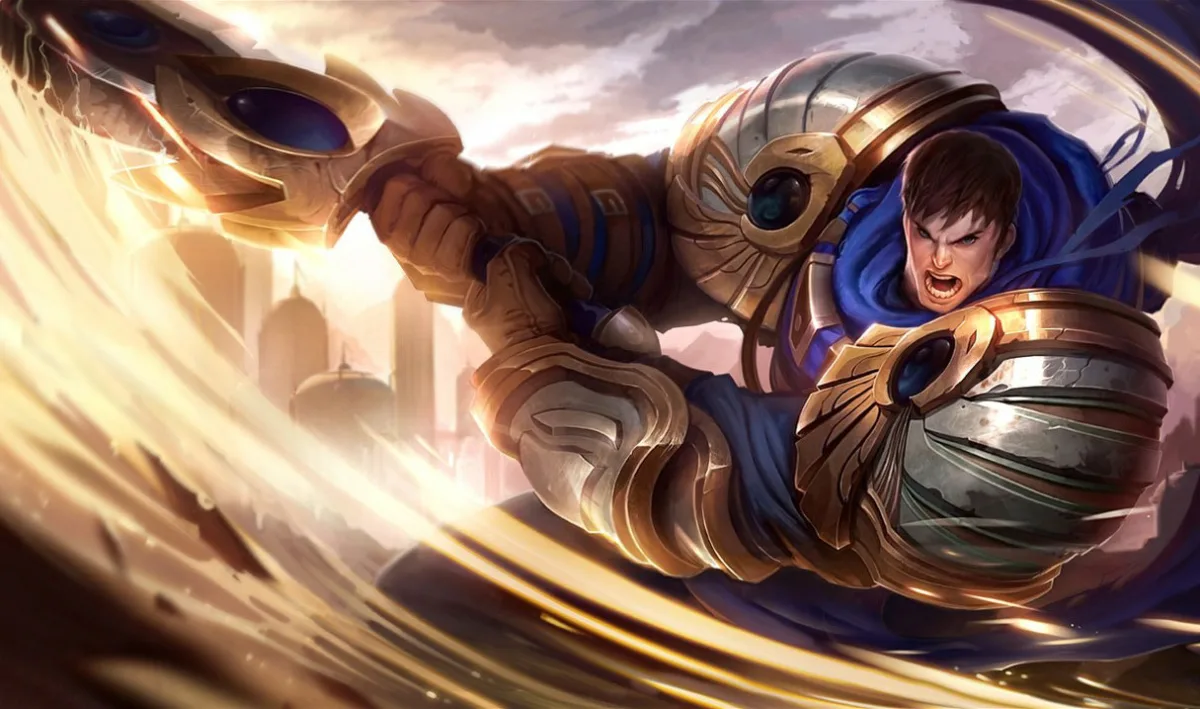
Garen removes two early distractions: aiming a basic damage combo and budgeting mana. That leaves room for last-hitting, watching your opponent’s movement, and checking the river before you walk forward. His passive, Perseverance, restores health after a period without interrupting damage or abilities.
The useful habit is to decide where a trade ends before starting it. When an enemy spends an important ability on the wave, move up for Q and a short E if the position allows it. Use W against their return damage, then move back toward your minions. You do not need to finish every spin beside the opponent.
Q can be your way out
Decisive Strike removes existing slows and grants movement speed. Using it to close the gap means you no longer have that same cast available to escape. Against a champion who wants to chase, consider whether walking into range first is possible. If it is not, giving up the trade may be the correct choice.
This matters when the enemy wave is larger than yours. Q might silence the champion, but it does not silence their minions. A clean combo in a large enemy wave can cost more health than it takes. Likewise, E hits nearby minions. Spinning to win a small trade can push the lane into a position where the opponent controls your next several last-hits.
Demacian Justice deals more damage to a champion with more missing health. Treat it as a finish after you have already created a credible kill, rather than an invitation to run under a turret because their health bar looks low. Its damage cannot pay back the wave you lose if you die for the attempt.
Pick Garen first if you want to spend most of your attention on the lane. His limitation is reaching opponents who can keep their distance. When repeated approaches cost you health without producing a trade, stop repeating them and protect your farm.
2. Malphite: give up a little farm and keep a teamfight
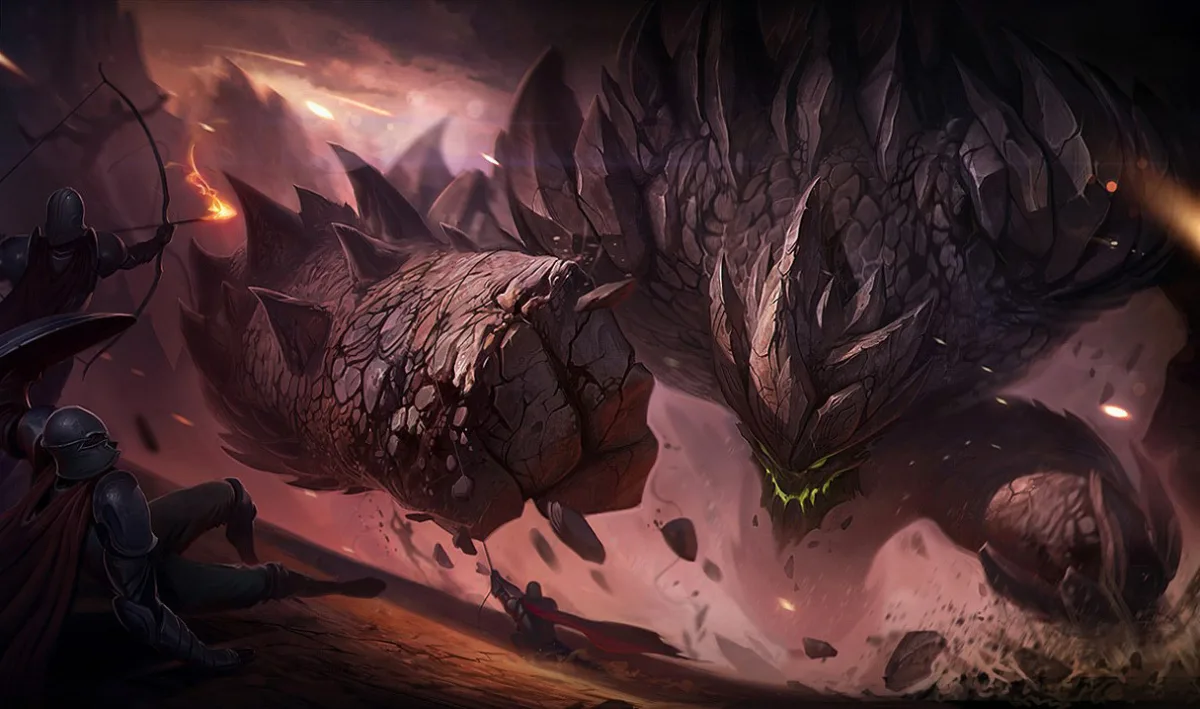
Malphite is the most useful alternative to Garen for a beginner pool. His armor scaling and Ground Slam’s attack speed reduction give him a clear reason to face opponents who depend on physical attacks. Unstoppable Force gives your team a way to start a fight even when your own damage is modest.
That does not make every lane comfortable. Armor does not reduce magic or true damage, and a mixed-damage opponent may hurt more than their basic attacks suggest. Look at what is actually damaging you before buying defenses. The enemy champion’s visual appearance is a poor item guide.
During lane, keep an eye on both mana and Granite Shield. Letting the shield recharge can make your next attempt at a last-hit less expensive. Repeatedly casting Q on the opponent feels productive until you have no mana left when your jungler arrives or the enemy commits to a fight. Sometimes Q should secure a minion you cannot safely reach, and sometimes that minion is not worth the mana.
After level six, your camera matters as much as your aim. Before ulting, look at your allies’ positions. Can they attack the target when you land, or are they still crossing the river? A single carry your team can reach is a better target than several enemies your team cannot follow.
You can also keep R for the diver threatening your own carry. New tank players often assume their job requires being the first champion to go in. Malphite can let the enemy start, then knock up the threat that has already committed. This is especially useful after a poor lane, when diving into five opponents would erase you before your team arrives.
3. Mordekaiser: stay close, but spend the shield correctly
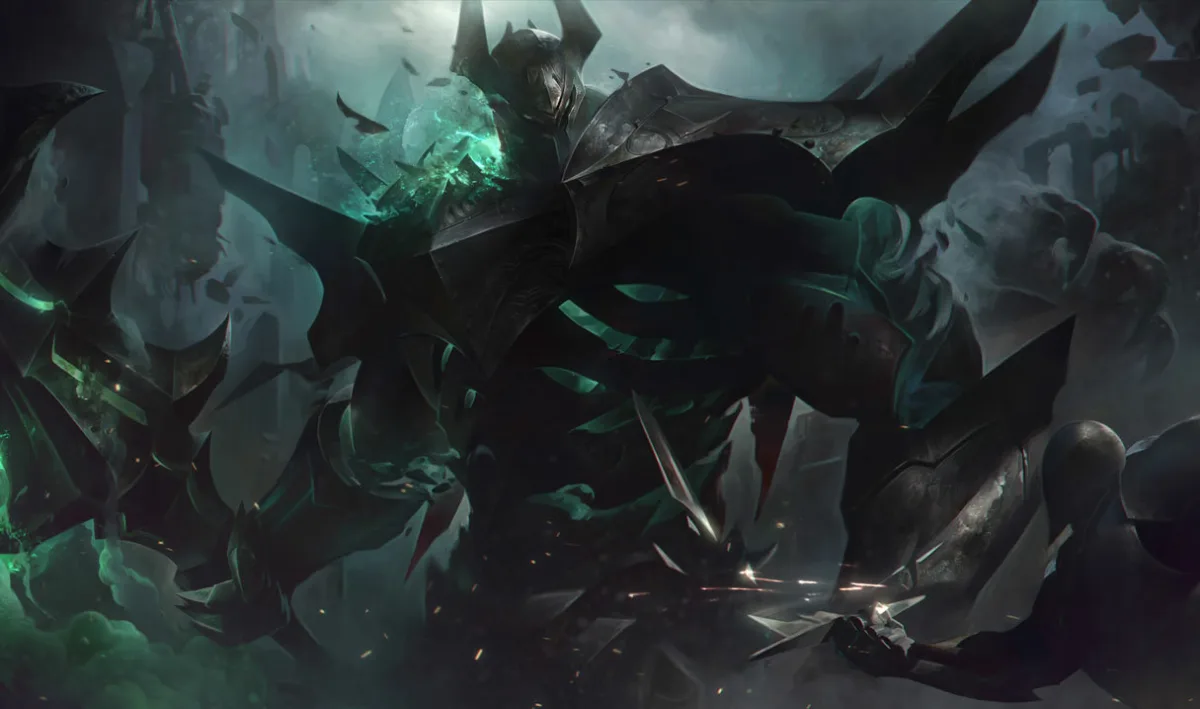
Choose Mordekaiser when you want a fighter with sustained magic damage and your team already has plenty of physical damage. He has no mana pool. Landing three qualifying attacks or spells against champions or monsters activates his damaging aura, so he rewards remaining in contact after the opening exchange.
His Q deals extra damage when it hits only one enemy. An opponent who steps away from the minion wave gives you a different opportunity than one standing among several minions. Watch for that separation instead of throwing Q the moment it comes off cooldown. When your E pull misses, reassess the distance; walking after the target does not replace the pull.
Indestructible stores damage dealt and taken, then converts that reserve into a shield. Recasting consumes the remaining shield for a smaller heal. In a fight, immediately pressing W twice can throw away protection you still need. Keep the shield while damage is arriving. The heal is more useful after you have disengaged or when the remaining shield is about to go unused.
Realm of Death also needs a target you can handle. Removing the enemy carry can help your team, but trapping yourself with an opponent who wins the duel is an expensive form of help. If that target can avoid your Q and keep their distance, the ultimate may remove you from the important fight instead.
Mordekaiser sits below the two starters because his slow skillshots and limited mobility add work. He is approachable, but a missed pull and a badly chosen ultimate are decisions to review, not evidence that you should chase harder.
4. Sett: use the wave to set up Haymaker
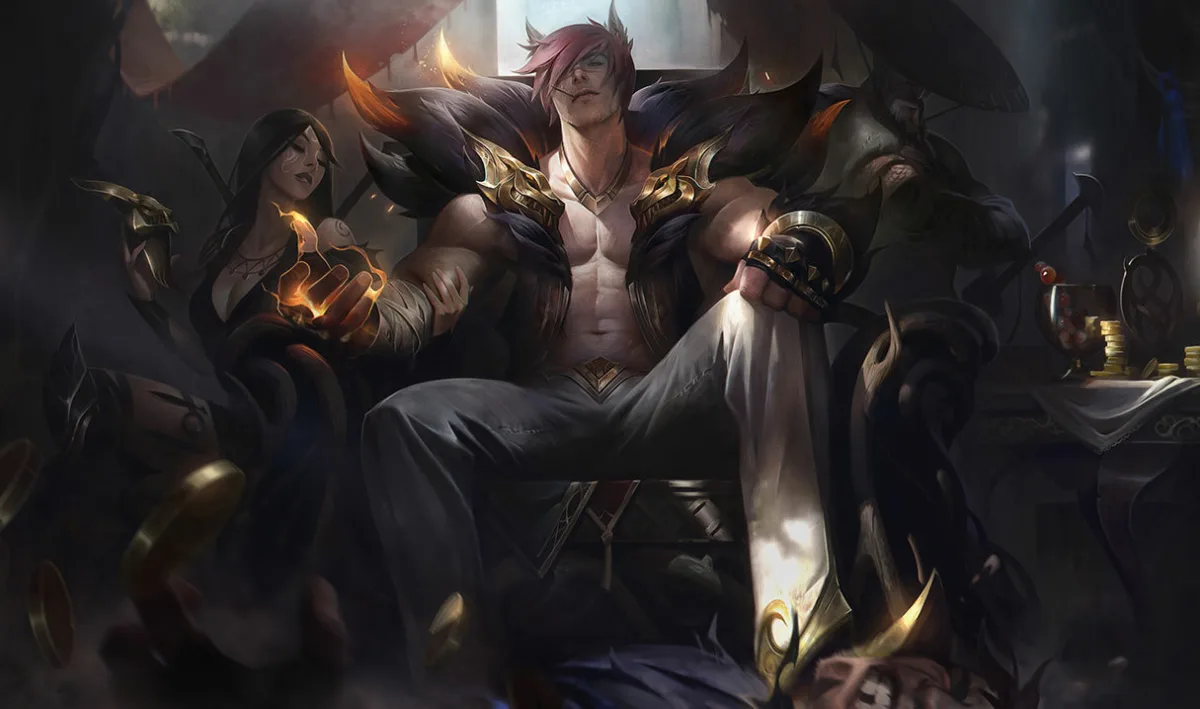
Sett suits players who enjoy fighting other melee champions and want a more deliberate counterattack than Garen’s short trade. His alternating punches make basic attacks important, while missing-health regeneration helps him recover between exchanges.
Facebreaker is the detail to learn first. It stuns when it catches at least one enemy on each side of Sett; otherwise, it slows. Enemy minions can supply the other side. Positioning between the opposing champion and one of their minions can therefore create a stun that walking straight at the champion would not.
That stun can help you aim Haymaker’s center, which deals true damage. The outer area deals physical damage. W’s shield and damage use stored Grit from damage Sett has taken, but deliberately eating a bad trade is not a reliable setup. The opponent may step aside, dash away, or stop attacking while the Grit decays.
Use W when it can absorb the enemy’s next damage and you have a plausible line for the punch. Waiting for the largest possible Grit bar can get you killed with the spell available. After W is gone, be more cautious about extending the fight.
The Show Stopper carries its target forward. Before grabbing someone, check where both of you will land. Carrying a dangerous enemy toward your low-health teammates can make their job worse. Sett is the pick for learning close-range geometry, but his lack of an easy escape makes chasing through an empty lane costly.
5. Cho’Gath: make farming support your next trade
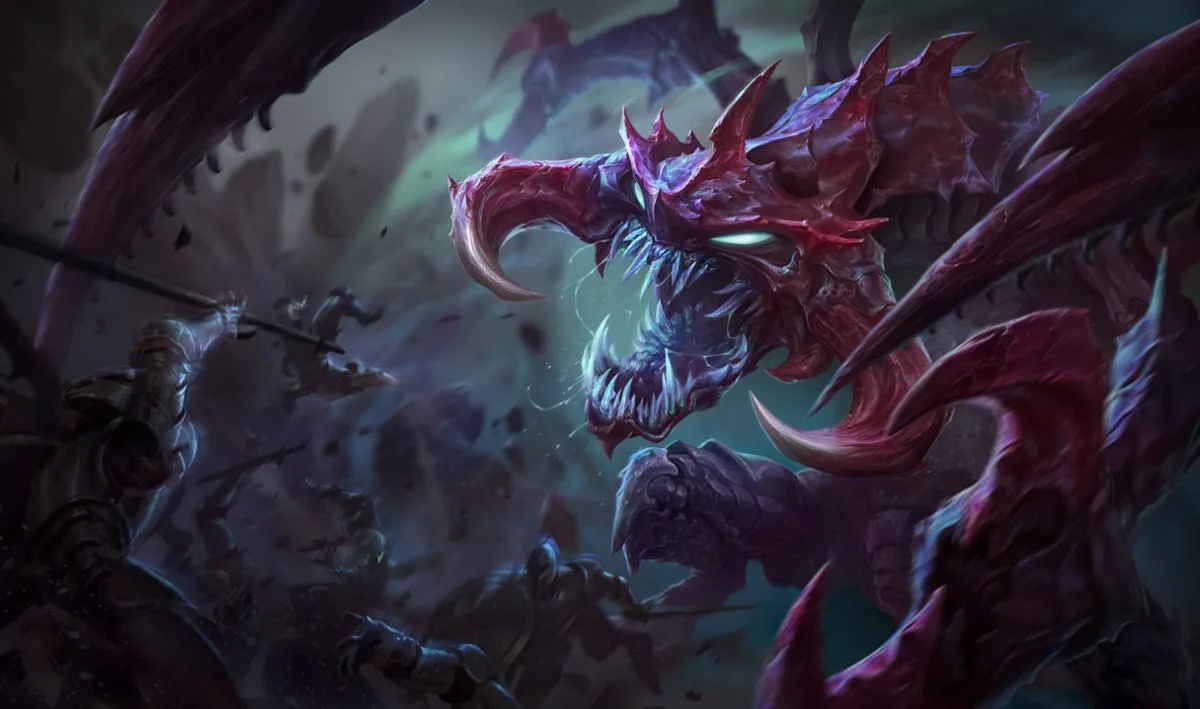
Cho’Gath restores health and mana when he kills a unit. That gives ordinary last-hits immediate value beyond gold. It also explains his rough lanes: if the opponent forces you too far away to kill minions, you lose access to your recovery as well as your income.
Rupture knocks up an area after a delay. Aim it where the opponent has committed to an action, such as stopping for a last-hit, rather than expecting a freely moving target to wait inside the circle. If they are already close, an E-enhanced attack can slow them before you place Q. Feral Scream’s silence can then interrupt their ability to answer with spells, although it does not prevent basic attacks.
Riot increased Vorpal Spikes’ base damage in Patch 26.17. That supports his short exchanges when he can land those attacks. It does not remove the danger of chasing a ranged opponent after missing Q.
Feast adds permanent maximum health when it kills a target. Use available farming opportunities instead of holding it indefinitely for a perfect champion kill, while remembering that minions and ordinary jungle monsters share a limited stack allowance. Before an objective fight, consider whether spending R on a minion would leave it unavailable for the play your team is about to make.
Cho’Gath is fifth because he asks for more spell placement and mana management. Choose him if you enjoy protecting space around your team and learning a slower lane. Being large and healthy will not help your carry if you walk so far forward that an enemy can go around you.
Three lane decisions to learn before another combo
Respect the next level
Watch which minions are about to die on both sides. If the opponent reaches a level before you, they gain stats and may unlock another ability. Step back before they use that advantage. Contesting the next last-hit is often what turns a small experience gap into a death.
The same principle applies to level six. Your champion does not become safe because your own ultimate is almost available. If theirs is ready first, give them room until you catch up or receive help.
Keep a route back to your turret
When the enemy has more healthy minions, the wave tends to move toward your side unless someone changes it. Last-hit and let it come when walking forward would expose you. Holding the wave near your turret can shorten your retreat, but do not stand still and tank a huge wave to attempt a freeze you cannot maintain.
When your own wave is pushing away, the dangerous position is a partial push that never reaches the enemy turret. If you have the health, time, and information to finish pushing it under, do so before recalling. This is a crash: the enemy turret starts killing the wave. If finishing the push would get you killed, retreat and ask for help instead of forcing it for the sake of the rule.
Trade when a useful enemy spell is unavailable
Pick one opposing ability to track. It might be the spell they use to stun you, escape, or win an extended fight. When they spend it on minions or miss it, you have a clearer reason to move forward.
An unavailable enemy spell does not overrule a large wave, missing jungler, or low health bar. Combine the information. A beginner does not need to track every cooldown to stop fighting when the clearest warning signs are visible.
After a bad death, recover access to the wave
The first task after returning to lane is to see where the minions are. If a large enemy wave is reaching your turret, collect what you safely can. If the opponent is holding the wave near their turret, walking up alone may recreate the death you just suffered.
Stay close enough for experience when you can do so safely, accept that some gold is gone, and ping for help breaking the held wave. Your jungler may be unable to come. That still does not make a losing fight profitable. Watch for the opponent to leave, mismanage the wave, or spend the spell that prevents your approach.
When you cannot pressure a side lane, choose a useful job that fits your champion. Malphite can protect a carry with R. Cho’Gath can threaten an approaching enemy with Q and silence. Garen and Sett should avoid walking past the enemy frontline just because they would prefer to hit someone else. Fight a reachable target with your team when a solo duel is no longer realistic.
Start with Garen and keep Malphite available for drafts that suit him. Add Mordekaiser only when you want a magic-damage fighter, or replace a starter with Sett or Cho’Gath if you enjoy their play more. Keep that small pool while you learn to explain your deaths through the wave, a level difference, or a spent cooldown. Recognizing the cause gives you something specific to change in the next lane.