

You can finish Krugs or recall in time to meet your team at dragon. Taking the camp adds farm to the scoreboard; buying and arriving may do more for the next fight. That choice matters as much as how quickly your champion kills the camp.
Graves, Karthus, Lillia, Nocturne, and Master Yi are five farming junglers worth building a game plan around. Graves converts repeated clears into purchased combat power, Karthus and Lillia supply sustained magic damage, Nocturne alternates farming with ultimate opportunities, and Yi wants enough resources to keep attacking once a fight opens. These are recommendations based on their current tools, not a ranking of measured clear times or a promise that farming alone wins.
Reviewed for modern PC Summoner’s Rift Patch 26.18 on September 10, 2026. Master Yi gains armor growth and Highlander movement speed. The farming plan still needs a useful fight opening; the other four resource patterns are unchanged.
Choose what the farm is supposed to buy
A good farming pick lets you clear another set of camps without spending the whole trip recovering, then do something useful with the gold. That is a different question from who finishes one practiced opening route first.
| Champion and camp tools | What the income supports | Main trap |
|---|---|---|
| Graves: pellets, Q, and an E reload | Fighting after a purchase with usable ammo | Invading with gold still unspent |
| Karthus: repeated Q and an area aura | Magic damage plus a distant Requiem | Treating R as physical presence at the objective |
| Lillia: area spells and Dream Dust | A healthy approach into a possible sleep | Preserving movement stacks instead of recalling |
| Nocturne: area attacks, healing, and attack speed | An available Paranoia play near the next camps | Clearing away from the only useful R target |
| Master Yi: attacks, Double Strike, and Alpha Strike | Sustained damage once he can stay in range | Arriving after the opening has already closed |
The five fill different farming plans: Graves buys combat power, Karthus and Lillia supply magic damage, Nocturne connects clears to ultimate windows, and Master Yi needs an opening to keep attacking. Those kit differences drive the recommendations; no measured gold-per-minute table sets their order.
For picks beyond this camp-focused group, compare the broader jungle shortlist.
Plan the next cycle before you start it
After a recall, decide where you want to finish. Is an enemy pushing into a lane you can punish? Does your team need you near the next objective? Check the available camps after that decision. The route you used last time may now take you away from the play.
Suppose your team wants dragon and your top-side camps are available. Use the objective timer to work backward from the approach: you need time to buy and walk back, not merely finish killing monsters. A full top-to-bottom clear may fit. If it does not, take fewer camps and arrive with your support instead of reaching the pit after the enemy already controls the entrance.
If your bot lane must recall and the enemy already controls that entrance, walking into river alone risks your life without making the contest much better. Take safe income elsewhere and track the opponents’ commitment. Conceding this dragon can leave you ready to contest the next play.
Graves should spend his lead before testing it
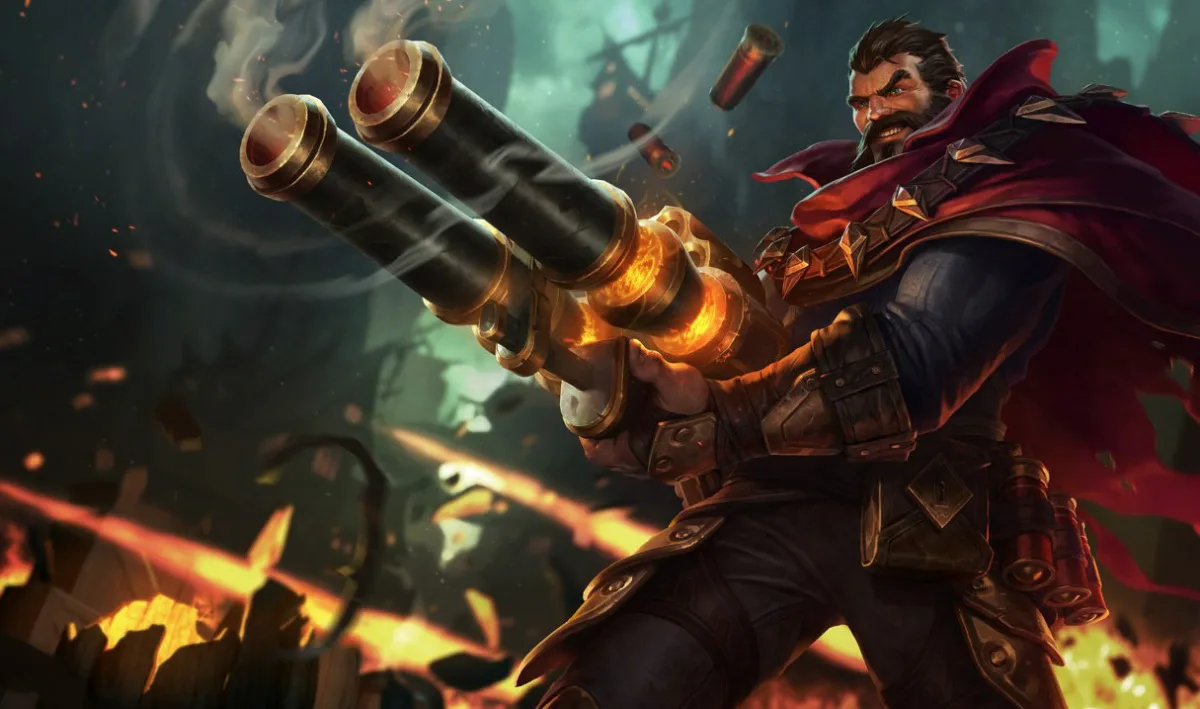
Graves suits players who want their farming lead to support active fights around the jungle. His passive, New Destiny, gives him a two-shell magazine and attacks that fire multiple pellets. Quickdraw (E) reloads one shell. Non-champions hit by several pellets are knocked back. Those rules give him a specific camp rhythm: attack, reposition or reload, and keep the next useful shot available. They do not mean he can fire continuously without considering ammunition. Graves’s normal shotgun and Quickdraw records
End of the Line deals physical damage on its outward and returning paths. Terrain can bring the detonation forward, so line up the camp with a wall when the angle is useful. Keep the monsters in the return path instead of dashing away and leaving that damage behind.
Quickdraw also grants stacking armor and magic resist. Damaging a non-minion refreshes those stacks, which can make the transition from a camp into a nearby contest different from walking in after a long empty stretch. Check whether the stacks survived that walk before judging how much physical or magic damage you can take. Even with them, an unsupported invade can put you against more enemies than you planned to fight.
The temptation after a good clear is to walk straight into the enemy jungle. Suppose the opposing jungler reappears with a completed item while you are still carrying components and a pile of gold. Part of your lead is still unspent money, not equipment. If recalling lets you complete a useful purchase and return in time, go shopping. Protecting temporary E stacks is a poor reason to postpone the item you want to fight with.
Before entering enemy camps, check nearby lanes and who can move first. A missing mid laner changes the risk even when the opposing jungler was just seen elsewhere. Smoke Screen can disrupt an opponent’s vision and slow them, but it is not a hard stop that prevents every pursuer from reaching you. Keep an exit that does not require defeating every enemy who could arrive.
Riot reduced Graves’s Q bonus-AD ratios in patch 26.17. Keep that change in mind when copying an older high-AD demonstration. His farming tools are still the reason for this recommendation; they are not evidence that the next opponent loses the duel. Riot’s current Graves change
Karthus can affect a lane without abandoning every camp

Karthus is a natural choice when you want magic damage and are comfortable repeatedly aiming a short-delay Q. Lay Waste deals extra damage when its blast hits only one enemy, while Defile damages nearby enemies and restores mana when Karthus kills units. The aura also costs mana while active. Those tools support repeated camps, but they still need accurate casts and a sensible resource budget.
Look at the lanes between casts. Requiem channels for three seconds, then deals magic damage to enemy champions regardless of distance. If your allies start a fight on the opposite side of the map, check their targets’ health before throwing another Q into the camp. R may be useful before that camp is finished.
Do not turn that into an obligation to press R whenever one enemy looks low. You need a place to complete the channel, enough mana, and a reason that the damage matters now. If an invader is approaching, standing still for the cast may be the wrong choice. If your allies have already disengaged and the opponent can recover, spending the ultimate may leave it unavailable for the next real fight.
Requiem does not put Karthus at dragon with Smite ready. If your team needs you in the pit, plan the recall and walk there. Casting from a distant camp can add damage, but it cannot take over the job that required you to arrive.
When no lane offers a credible play, keep taking safe camps. Switch Defile off during empty travel and preserve the mana needed for the next approach. The map check should help you decide whether to interrupt the clear, not lure you into wandering river with nothing to do.
Lillia: arrive with resources, not just movement stacks

Lillia’s area spells and Dream Dust make grouped camps useful places to deal repeated damage. Her Q combines magic damage with extra true damage at its outer edge; it is not an entirely true-damage sweep. Dream Dust adds maximum-health magic damage over time and heals her against large jungle monsters. That monster healing can come from only one jungle monster at a time, even when several are affected. Lillia’s bound damage and healing rules
Ability hits also build temporary movement-speed stacks. A nearby camp can help Lillia approach a play with those stacks already running, but do not make the camp mandatory. If stopping for it lets the opponents occupy the river entrance, the speed you gained may have bought a worse approach. Check whether the detour improves your arrival, not just whether the movement-speed number goes up.
Low mana and a useful purchase waiting in the shop are better reasons to recall than movement stacks are to stay. You can build stacks again. You cannot buy the missing item after the fight has started.
At the objective, Lillia has to mark champions, not merely arrive from a marked camp. Lilting Lullaby affects enemy champions carrying Dream Dust. They become drowsy for 1.5 seconds before falling asleep, and non-periodic enemy damage can wake them. There is time for opponents to act before the sleep; pressing R is not an instant area stun. Do not enter as if every nearby enemy is already disabled. Normal drowsy timing, bound sleep and waking rules
If your team can hold an entrance while you land an ability, that delayed control gives your farming a useful destination. If allies are retreating and you have no safe way to apply Dream Dust, sprinting ahead alone is unlikely to create the setup you wanted. Take the safer camp or reset and keep the next approach possible.
Lillia fits a player who enjoys turning a healthy clear into a fight around an entrance. Let the stacks expire when the route needs to end at base.
Nocturne’s available ultimate should change the route
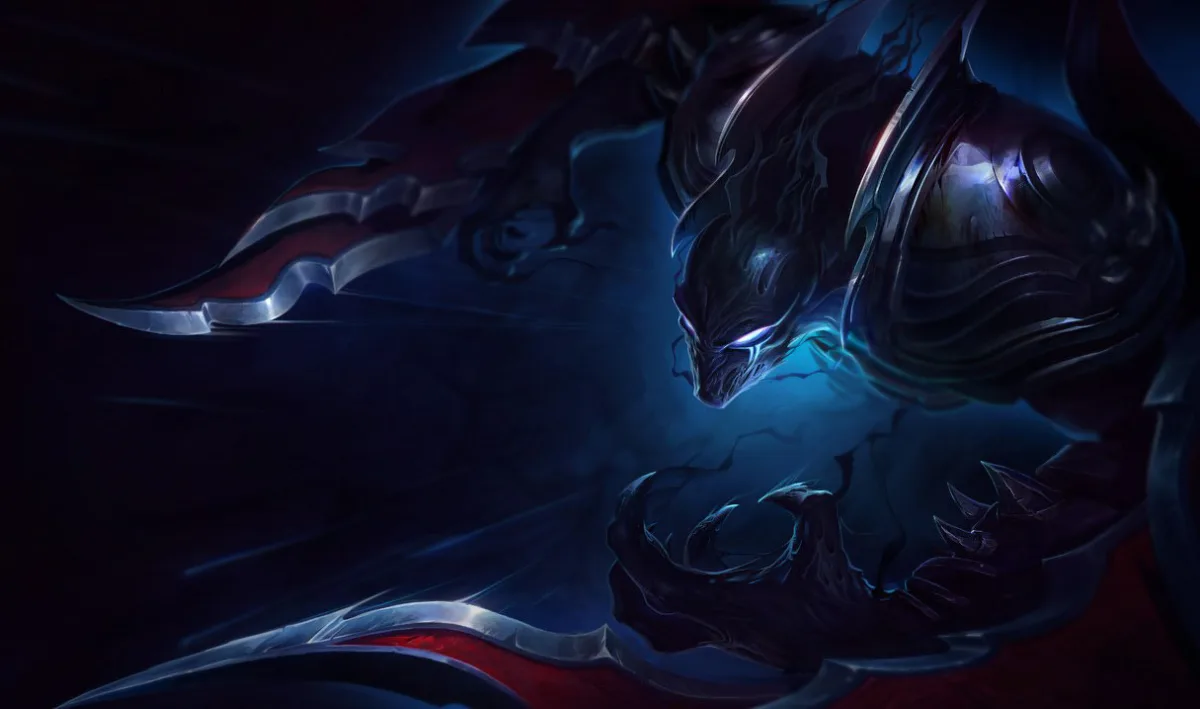
Nocturne has three useful camp tools before he learns R. Umbra Blades periodically turns an attack into an area strike and heals him per target hit. His attacks shorten its cooldown, with a larger reduction against champions and jungle monsters. Duskbringer’s trail adds attack damage and movement speed while he stays on it, and Shroud of Darkness supplies passive attack speed. A quiet lane phase still leaves him plenty to do with those attacks.
With R ready, check the lanes before choosing the next camp. An enemy extending against an ally who can still fight is a reason to clear toward that side. Choosing the opposite side may let the opportunity disappear. Finish a nearly dead monster if the time allows, but look up before starting the distant camp that takes you away.
Paranoia’s first cast reduces enemy vision; the recast launches Nocturne at an enemy champion in range. The darkness is not a global flight, and the recast is a commitment rather than a free scouting trip. Before taking it, check who can follow, which opponent is missing, and whether the target can retreat to help before you finish the kill.
Landing does not immediately fear the target either. Unspeakable Horror needs its tether to remain intact before the fear triggers. Shroud of Darkness can block one enemy ability, not every spell used against him. If the target can break the tether or another enemy is waiting with a second disable, a full health bar from farming is not enough by itself.
Riot lowered Nocturne’s base health and armor in patch 26.17 to add risk around his ultimate opportunities. Be particularly wary of an arrival that leaves several enemies free to hit you. Riot’s normal Nocturne changes
When R is on cooldown, use the next camps to earn gold and move toward the side where it could matter later. Once it is ready, reassess instead of repeating the route automatically. No useful target means you can keep farming; a reachable play with allied help may be worth leaving a camp for.
Master Yi needs an opening he can keep attacking through
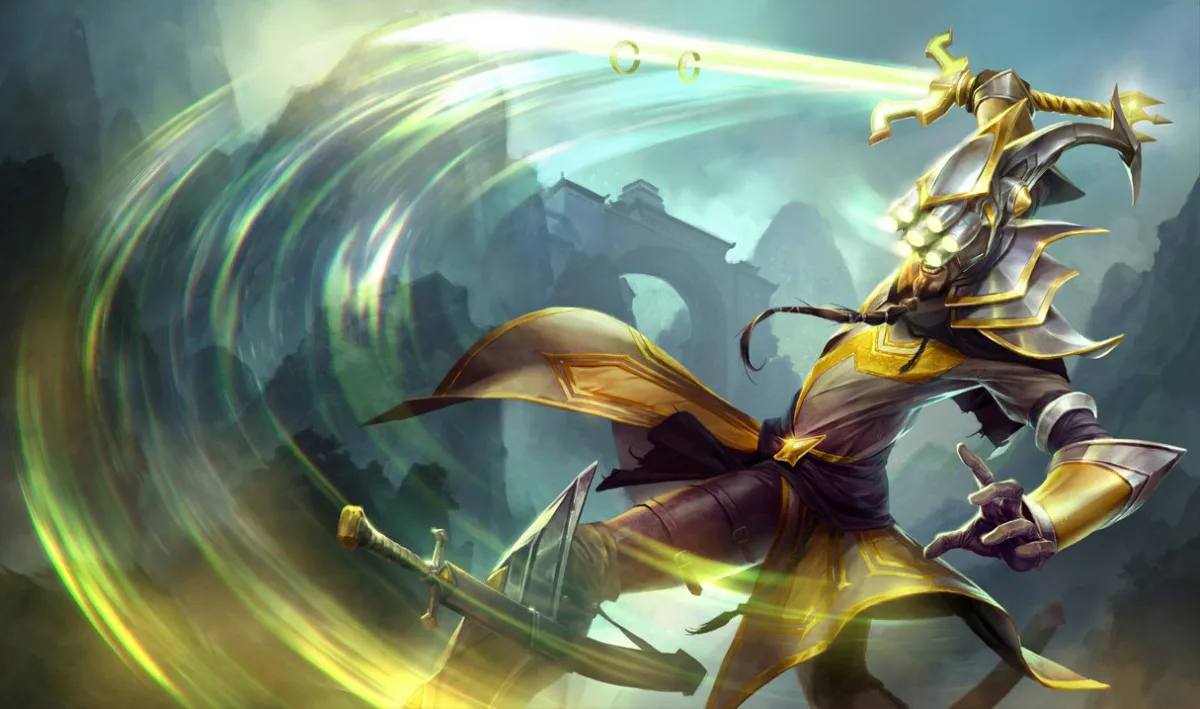
Yi keeps getting value from attacks while Alpha Strike is on cooldown: they bring the next Q closer and work toward Double Strike. Alpha deals physical damage, includes bonus damage against jungle monsters, and can strike the same enemy repeatedly when other targets are unavailable, with reduced damage on the later hits. Wuju Style adds true damage to attacks instead of converting all of Yi’s damage into true damage. Yi’s actual normal attack and spell rules
Safe camps help Yi buy for sustained melee damage. The fight then needs an opening: an enemy in reach and fewer spells ready to stop his attacks. Let an ally draw the important disable when that is possible.
Alpha Strike gives a period of untargetability; it is not a promise that every threat is gone when he reappears. Alpha also does not trigger its own attack-based cooldown reduction or build Double Strike. Highlander grants movement speed, attack speed, and slow immunity, not blanket immunity to crowd control. Do not interpret a farming lead as permission to run directly into a ready stun. Alpha Strike and Highlander’s full current rules
His ultimate passive also makes the difference between farming and fighting unusually important. Champion takedowns reduce the remaining cooldowns of his basic abilities. While Highlander is active, champion takedowns extend its duration too. A camp kill does not satisfy those champion conditions. Keep them separate from the normal attack-based Q cooldown reduction you use while clearing. Highlander’s normal takedown conditions
Meditate can restore health, but channeling it consumes time and mana. If you need a major purchase anyway, nursing yourself through another camp may delay a more useful recall. A brief Meditate channel can still be worthwhile if it lets you safely finish a nearby camp and nobody needs you elsewhere. Judge the next play instead of treating healing as proof that you should never go back to base.
If your team is about to create that opening and you can arrive ready to fight, leave the last camp and get into position. Yi’s next takedown refund has to come from a champion, not from the Gromp you stayed behind to finish.
What to do when the planned clear breaks
A missing Raptor camp does not tell you where its thief went. Before trying to take an enemy camp in return, check the last visible jungler position and whether nearby laners can move. If the invader’s next location is unknown, a smaller safe clear can be better than chasing the missing gold into fog.
Before answering a distant assistance ping, check the lane. Is there a target, a countergank, or a wave that needs covering? If none is available, ping your next destination and keep earning. Walking across the map may cost several camps without changing the lane; identify what you can actually do when you arrive.
Before starting the final camp of a cycle, check three things: what you can buy now, what your next important spell can accomplish, and where you need to stand to use it. If the camp prevents you from buying and arriving, leave it. If the supposed play has already vanished, take the safe farm instead. The best route is the one that still makes sense when you look up from the monsters.