

An easy combo does not rescue a bad mid-lane plan. You can press the right buttons, leave two waves at your tower for a river fight, arrive after it ends, and come back a level behind. The champion was easy. The next decision was not.
Annie is the easiest mid laner for learning the whole role because Disintegrate makes last-hitting readable, Pyromania gives trades a visible setup, and her level-six threat has a clear target. Malzahar is easier when wave control overwhelms you. Lux buys more range, Galio gives a roaming player a simple fight entry, and Diana is the cleanest first melee assassin. Each removes a different problem, so the right starter depends on what keeps breaking in your games.
This clinic was reviewed for Patch 26.17 on August 30, 2026. Riot did not directly rebalance Annie, Malzahar, Lux, or Galio in the patch. Diana received a bug fix for Lunar Rush moving more slowly than intended, not a new damage buff.
Why the easiest mid laners are not identical
Mechanical ease is the amount of attention a champion demands from your hands. Point-and-click spells, short combos, generous farming tools, and one obvious defensive button lower that load. Game-plan ease is different. It asks whether you understand the wave, the safe side of mid, and your roam timer. It also asks what your champion contributes when the first target does not die.
Malzahar has less mechanical friction than Lux, but his wave clear can hide a bad habit of pushing without a reason. Diana reaches a target more easily than Lux, then has no simple exit if the target survives. Galio can execute an engage with a small number of inputs, yet Hero’s Entrance is useless when he loses the wave before looking at a side lane.
Current role data cannot settle that distinction. The LoLalytics Global Emerald+ Middle view for Patch 16.17, Ranked Solo/Duo, confirmed that all five picks had real mid-lane play on August 30. Its tier and win-rate outputs describe results inside those filters, not how many decisions a new player can process. The recommendations below use the current kits and live patch, then judge what each champion teaches and what it lets the player avoid.
Annie makes farming and all-ins readable
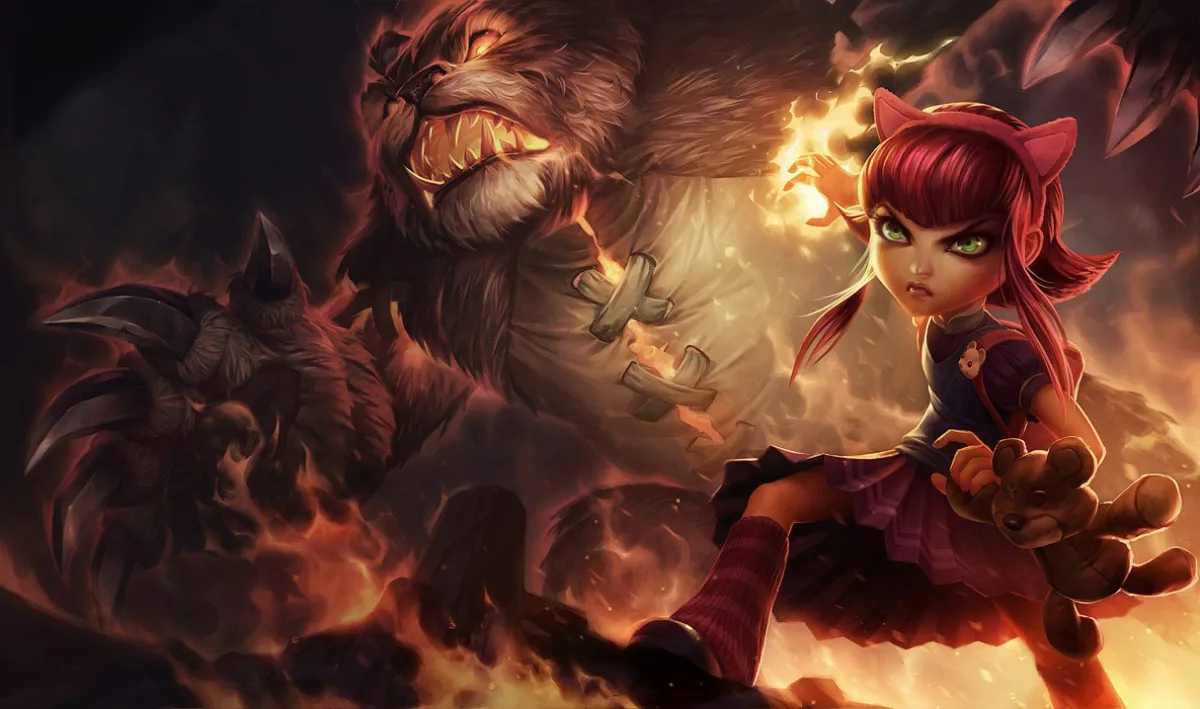
Start with Annie if several parts of mid lane still feel uncertain. Disintegrate refunds its mana cost when it kills the target, so the lane gives immediate feedback on last-hits. Pyromania stuns after four spell casts and begins ready when Annie enters or respawns, which turns a vague idea such as "look for a trade" into a visible condition. Summon: Tibbers then gives her one decisive area spell when the opponent enters range.
The first job is not to shove. Last-hit with Q when the minion will die and use basic attacks when they are safe. If Incinerate touches the whole wave every time it is available, the lane walks away from Annie’s side and gives the enemy jungler more space behind her. A neutral or slowly returning wave suits her short range better than a permanent push.
Her stun is also lane control before it is damage. When Pyromania is ready, a melee opponent has to respect the space around every low-health minion. Spending that stun on an unnecessary W through the wave hands the opponent a window to move first. Hold it when the enemy jungler could be nearby or when your own jungler is approaching through fog.
Annie stops being easy when range is ignored. Xerath, Syndra, and other long-range mages can force her to cross dangerous space before she has a cast. Do not answer that problem by sprinting at them. Farm the reachable minions, preserve health, and use the first clean stun with jungle help or after they spend the spell that controls your approach.
Annie teaches the most transferable beginner lesson: prepare the wave and the threat before asking whether a kill is possible.
Malzahar gives the wave a script, sometimes too much of one
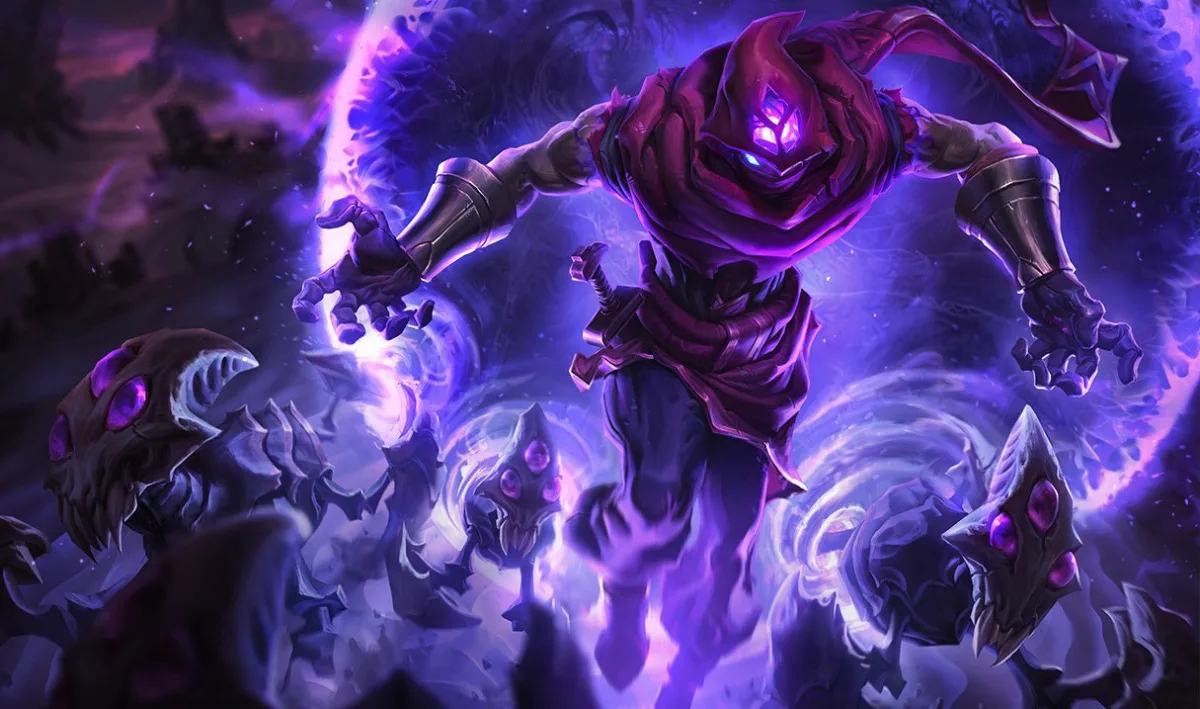
Malzahar is the easiest answer for a player who misses farm while watching the opponent. Malefic Visions passes to a nearby enemy when the infected unit dies and returns mana. Voidlings attack infected targets, while Call of the Void can refresh the damage-over-time effect. Once those spells have enough ranks, a wave can clear with far less cursor work than most mids require.
Use that script with a destination. If you need to recall, crash the wave into the enemy tower so it cannot be held in front of you. If your jungler wants river control, clear early enough to move without abandoning six minions. If neither condition exists, an automatic shove can be harmful. It puts Malzahar in the long half of the lane, where Void Shift can be removed by a small hit before the real crowd control arrives.
Void Shift grants large damage reduction and crowd-control immunity until it breaks, then lingers briefly. It is protection against the first contact, not permission to stand on the wrong side of mid. Track which enemy spell can remove it cheaply. Walking forward while that spell is ready gives away the passive before the gank or all-in begins.
Nether Grasp makes level six easy to understand: one target is suppressed while Malzahar channels. The channel also means he is standing still. Use it after the opponent has crossed into your side, when an ally can add damage, or when stopping a dangerous diver matters more than reaching the back line. Flashing past the enemy front line to suppress a carry may trade Malzahar’s life for nothing if his team cannot follow.
Malzahar is a good clinic for wave intention. He is a poor teacher if every wave gets the same E and W treatment regardless of where the next play will happen.
Lux buys range but still asks you to aim

Lux suits the player whose lane ends whenever they walk up for a minion. Lucent Singularity can reach the back line from safety, slow the area before it detonates, and help control where the opponent may stand. Light Binding catches up to two units, so one minion does not always make the lane safe. Prismatic Barrier gives a second chance in a trade without requiring Lux to enter basic-attack range.
Range reduces the punishment for one step. It does not remove wave decisions. If every E is placed only on the enemy champion, the opponent may gain the push and move to river first. If every E is thrown at the minions, Lux has no slow zone when the jungler enters. The efficient cast damages the minions that need trimming while making the opposing mid choose whether to concede space.
Light Binding should not be routine poke when the map is dark. It is the spell that stops a direct approach. Missing Q against a champion who cannot punish it is a small cost. Missing it as the enemy support appears from fog is the lane. Hold it until the opponent’s path narrows or Lucent Singularity has already changed their movement.
Lux is mechanically harder than Annie or Malzahar because her control depends on skill shots. Her game plan is easier for a cautious player to see. Manage the wave at range and keep Q for the champion who enters. Use Final Spark when the target is controlled or the wave must be cleared immediately.
Galio’s combo is easy; his map job is not
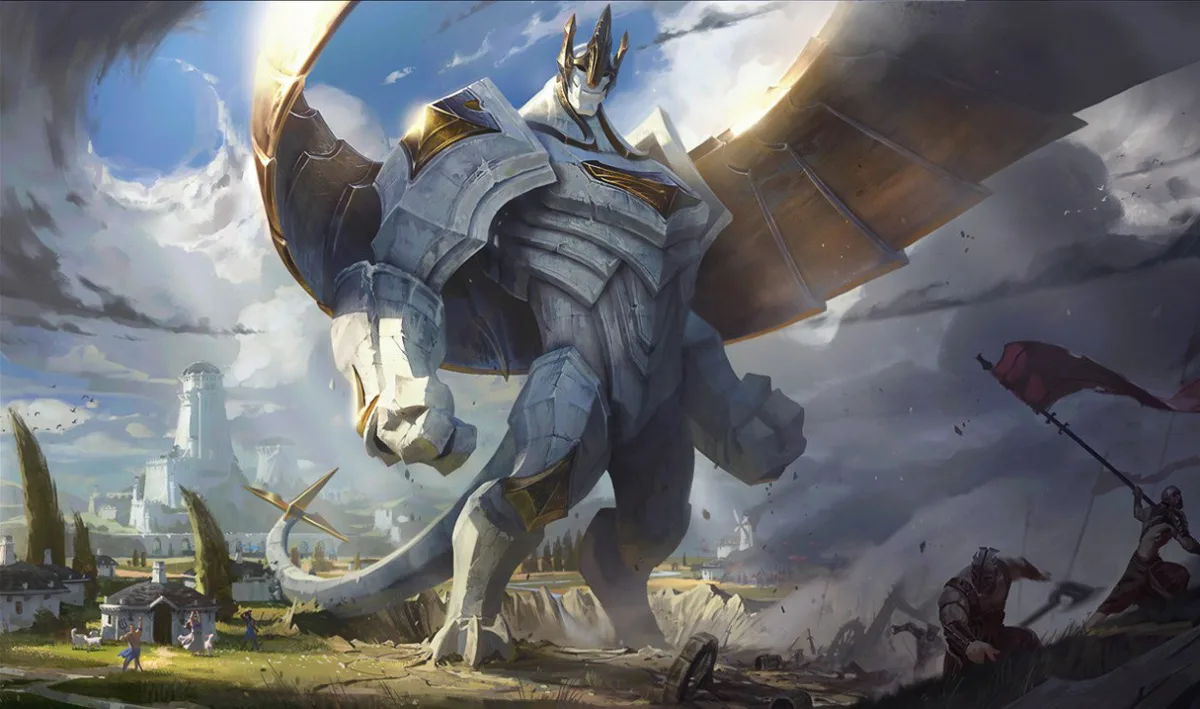
Galio is the clinic pick for a player who farms mid while every side-lane fight happens without them. Winds of War and Colossal Smash give him direct wave access. Justice Punch closes a short gap and knocks up the first champion it meets. Shield of Durand turns that contact into an area taunt. The inputs are readable, especially against a melee mid who has to enter Galio’s range.
Hero’s Entrance creates the harder lesson. Galio targets an allied position, grants allies in the area a magic shield, then lands after a delay with a knock-up. The spell cannot repair a late look at the map. If the ally dies before the channel matters, or if Galio left a full wave under his own tower, the heroic animation hides a losing trade.
Prepare the roam one wave earlier. Use Q and the passive attack to thin the wave, place vision on the side you intend to lean toward, and watch whether the side-lane opponents have already spent their escape. When the wave reaches the enemy tower, Galio can disappear without donating the entire middle lane. Sometimes the correct move is to stay unseen near mid. The threat of R can stop an enemy dive without costing a cast.
Galio is easy to execute when the fight is ready. He is not the easiest champion for a player who never checks side lanes before the health bars begin falling.
Diana is the cleanest melee entry, not the safest
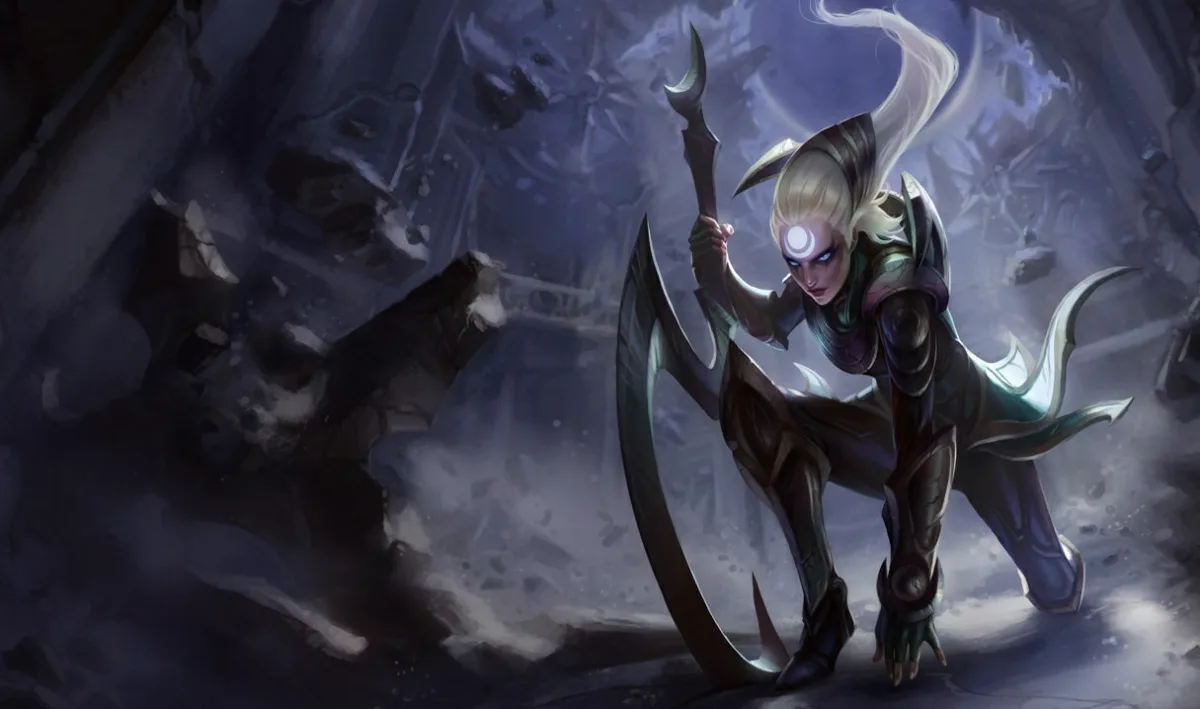
Diana is the first melee recommendation because her attack pattern has a clear line. Crescent Strike applies Moonlight, and Lunar Rush does not go on cooldown when Diana dashes to a marked target. Pale Cascade supplies damage and a shield at contact range. Moonfall pulls nearby enemies before the delayed damage lands. Patch 26.17 fixed Lunar Rush moving more slowly than intended, so the dash should now match its expected pace.
That pattern is easy to perform and impossible to take back. Diana has no built-in dash to empty ground after she spends E on a champion. Before entering, count the enemy control spell, the size of the minion wave, and whether a second Moonlight target offers a useful route. A Q that marks only the enemy carry can create an entrance with no exit.
Her first levels reward short trades more than blind all-ins. Use the shield before enemy damage connects, trigger the passive cleave when the wave can absorb it, then leave while the opponent is still deciding whether to extend. If the wave is larger on the enemy side, even a clean Q, E, W sequence can lose to minion damage.
Diana is easy for the player who understands commitment and wants fewer combo branches. She is difficult for the player using mechanics to avoid deciding whether the fight is good.
Build a two-champion practice block
Keep Annie as the baseline if you do not yet know which skill is missing. Add only one alternative. Pair her with Malzahar when farm and recall timing are the repeated problem, or Lux when deaths begin with walking into range. Galio belongs in the pool when you consistently create mid priority but fail to affect side lanes. Diana is the second pick for a player who specifically wants to learn melee threat and commitment.
Play enough consecutive games that the spell inputs stop occupying every thought. Changing champion after each bad matchup resets the lesson before the wave decisions become visible. The goal is not to prove that an easy champion can carry. It is to leave enough attention for the minimap, the next wave, and the enemy’s important cooldown.
Review these moments after each game
- Freeze the replay at every death in the first 14 minutes. Check the wave direction and which side of mid lacked vision before watching the fight.
- Rewind each failed roam to the moment you left lane. Count the minions that died and confirm whether the destination still had a playable target.
- Find the cast of your main defensive spell before each lost trade. Annie’s prepared stun, Lux’s binding, Galio’s taunt or dash, Malzahar’s passive, and Diana’s shield all change what the opponent is allowed to do.
- Pause before the first two objective fights. State the champion’s job in one sentence, then watch whether your position and first target matched it.
Choose the champion attached to the answer that repeats. That is the easiest mid laner for the problem you have now, and a better reason to stay with a pick than the length of its combo.