
You are halfway through Wolves when top lane pings for help, mid loses Flash, and bot pushes into the enemy tower with no river ward. Three lanes have requested three incompatible plays. The route you planned in loading screen has already expired.
Reviewed for modern PC Summoner’s Rift Patch 26.18 on September 10, 2026. The order weighs recovery and decision cost. Master Yi’s durability and pursuit buffs do not supply missing hard control; Classic Warwick and Shyvana changes are excluded.
Start with Warwick when camp damage and missed skirmish opportunities are your main jungle problems. His clear survives imperfect mechanics, Blood Hunt points toward punishable enemies, and Primal Howl plus Infinite Duress still give him a job when he falls behind. Amumu is the cleanest teamfight alternative. Nocturne supplies the clearest level-six plan. Wukong, Shyvana, Rammus, and Vi cover bruiser fights, farm-first games, attack-heavy enemy drafts, and single-target lockdown.
That order measures the cost of recovering after a bad decision. Warwick has sustain and control, Amumu offers an obvious teamfight signal, and the remaining picks cover different draft needs. It is an editorial learning recommendation, not a current win-rate order.

What makes a jungler good in low ELO
This guide uses Silver as its reference audience because low ELO has no official Riot boundary. That is an editorial audience choice, not a current data filter. Silver games can include new junglers, players learning a second role and experienced mains with different weaknesses. One champion recommendation cannot treat all of them as beginners.
The common problem is decision overload. Jungle asks you to clear efficiently, track an opponent you cannot always see, read three lane states, manage vision, contest neutral objectives, and judge whether teammates can move. A champion can have simple abilities and still charge a heavy decision tax.
Master Yi is the obvious example. Alpha Strike is easy to identify, but choosing the correct moment to become untargetable is not simple. Highlander makes a chase possible, yet it does not tell you whether the chase is worth taking. A player who enters late can clean up an entire fight. A player who enters first may disappear before a reset. The buttons are readable. The responsibility is not.
Our seven picks were judged on six parts of the role.
First-clear forgiveness measures how well the champion handles an imperfect leash, missed attack reset, late Smite, or small pathing delay. It does not reward a champion merely for having a fast optimized clear. The useful low-ELO pick reaches the river healthy enough to make a decision instead of being forced into one by its health bar.
Gank signal clarity asks whether the champion tells you when a lane is realistically punishable. Warwick sees low-health targets. Nocturne reaches a clear post-six threshold. Amumu sees an exposed Bandage Toss line. Champions with less obvious triggers make the player solve more variables before every move.
Target-selection burden is the price of choosing whom to hit and when to stop. Vi can lock one chosen champion, but choosing the wrong champion with Cease and Desist still starts the wrong fight. Briar can hand control to her frenzy. Kayn can cross a wall that disguises how far his team is behind him. Mobility removes distance, not judgment.
Objective conversion measures what happens after the gank. A kill that does not become plates, a tower, vision, a stolen camp, Dragon, or Rift Herald is a temporary scoreboard change. Strong low-ELO junglers either damage objectives well, create enough crowd control to secure the area, or make the next move obvious to teammates.
Recovery value matters because not every first play works. Amumu can miss an early gank and still threaten a multi-target stun. Wukong can enter a fight with less gold and still disrupt several opponents. A carry jungler whose only contribution is damage has a much narrower road back.
Composition dependence is the final cost. Rammus can make an attack-heavy physical draft miserable, but that does not make him the correct blind pick into magic damage, disengage, and targets that do not need to attack him. A specialist can be excellent in low ELO without becoming an all-purpose recommendation.
This is also why the page differs from our broad best junglers list and our best scaling junglers ranking. Current strength, late-game growth, and low decision tax overlap, but they are not the same test.
What makes a low-ELO jungle plan dependable
A dependable plan has an answer after the first gank fails. Compare the health needed to return to camps, the control available without a gold lead, and the objective your next successful play can unlock. A champion with an easy clear can still demand difficult fight timing.
This guide covers modern Summoner’s Rift on Riot Patch 26.18. The order uses kit functions and recovery options; it does not use the previous patch’s Silver table as evidence of current strength.
Warwick and Amumu keep control tools when damage is late. Wukong can disrupt a grouped fight; Nocturne reaches a selected target after six. Shyvana wants time to prepare form, while Rammus depends more heavily on the enemy damage profile.
The draft still sets limits. Rammus needs a useful attacker to taunt, a farm-first pick needs lanes that can survive the opening, and an ultimate-dependent ganker needs an accessible target. Judge the plan you will repeat rather than the size of a percentage on an old table.
Vi shows why the recovery test matters. She retains lockdown from behind and teaches a repeatable gank-to-objective sequence. Briar’s sustain offers a different advantage, but Blood Frenzy can multiply a bad target choice. Choose the champion whose demands leave attention for the decision you are practicing.
The seven picks at a glance
| Rank | Jungler | Decision the kit makes easier | Recovery tool | Objective value | Draft warning |
|---|---|---|---|---|---|
| 1 | Warwick | Identifying injured lanes and surviving the route there | Fear and suppression | Strong sustain and single-target damage | Long chases can pull him away from his team |
| 2 | Amumu | Showing allies exactly when the fight starts | Area stun and repeatable crowd control | Percent-health damage and strong zone control | Missed Bandage Toss leaves a clear opening |
| 3 | Nocturne | Choosing one post-six target on a noisy map | Darkness, fear, and spell shield | Fast attacks and safe sustain | Patch 26.17 punishes careless early fights harder |
| 4 | Wukong | Repairing a draft with no reliable front line | Cyclone disruption and clone outplay | Armor reduction and stable skirmishing | Ranged magic damage can deny his entry |
| 5 | Shyvana | Turning a quiet map into a farm and form plan | Durable Dragon Form fight | Large monsters feed Scalemail progress | Weak lanes may collapse before her preferred timing |
| 6 | Rammus | Punishing attack-heavy physical teams | Taunt and heavy resistances | Excellent area control after a pick | Poor blind pick into mixed or magic-heavy damage |
| 7 | Vi | Converting one exposed carry into a forced play | Pointed lockdown and armor reduction | Clear single-target damage and secure setup | An unstoppable approach can still select the wrong fight |
1. Warwick makes the next punish visible
Warwick’s greatest low-ELO strength is not that he can run quickly. Blood Hunt gives structure to a map that otherwise presents too many options. When an enemy drops below half health, the game identifies a possible punish and gives Warwick movement speed toward it. The signal becomes much stronger against a critically low target.
That does not mean every red trail is a gank order. A low-health top laner standing under a full-health tank’s tower may still be unreachable. A wounded support walking through unwarded river may be bait. Blood Hunt is valuable because it shortens the list of lanes you need to inspect. You still decide whether the path, wave, and nearby enemies make sense.
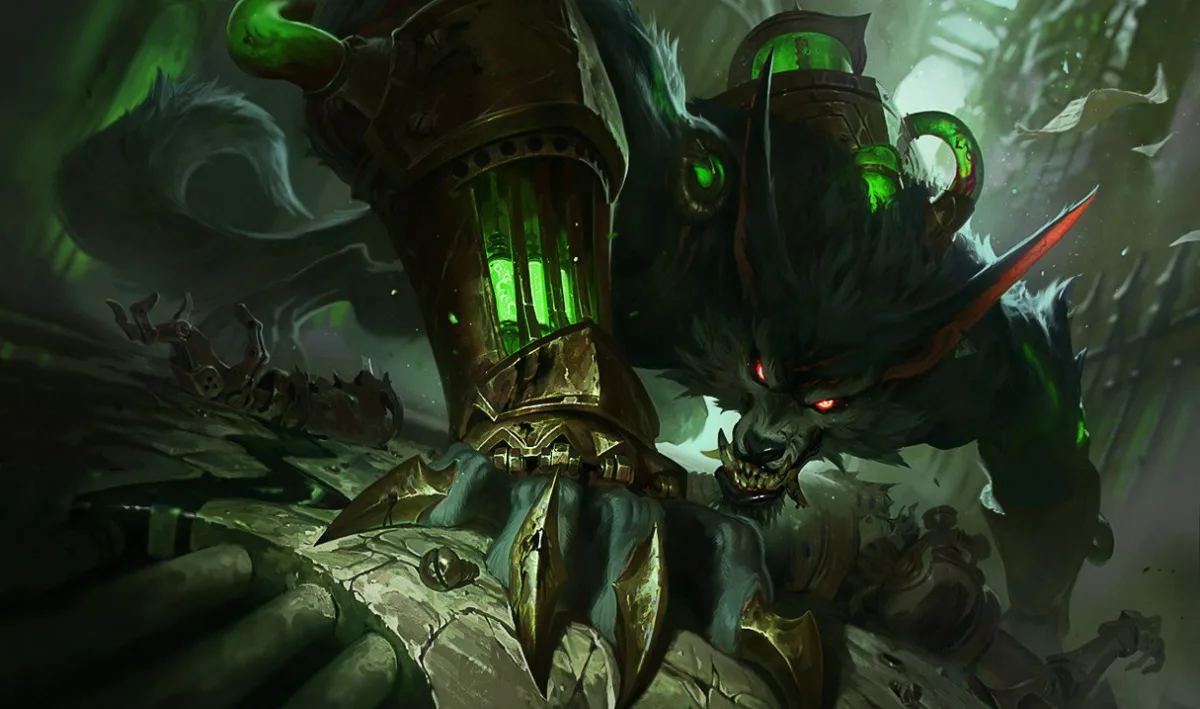
His first clear forgives small mistakes for a concrete reason. Eternal Hunger adds magic damage to attacks, heals Warwick below half health, and triples that healing below a quarter health. Jaws of the Beast deals damage based on the target’s maximum health and heals him for damage dealt. If a player cancels one attack or paths around a camp poorly, Warwick usually has enough sustain to finish the route without arriving at river one spell away from death.
That safety improves learning. You can move the camera to lanes between attacks because every lost second does not threaten the entire clear. You can notice that bot used two summoner spells, that mid is building a slow push, or that the enemy top laner warded late. The champion frees attention for the role.
Warwick also has a clear gank shape. Approach with Blood Hunt speed when available, use Primal Howl before the target’s return damage, and release the fear when it can move the enemy away from safety or interrupt the response. Infinite Duress supplies suppression, but the first champion Warwick collides with stops the leap. Firing it through a front liner toward a carry is not reliable target access.
From behind, Primal Howl remains the better reason to pick him. Damage reduction can buy the second needed to fear several enemies, and Infinite Duress can lock the opponent who is threatening a carry. Warwick does not become a full tank because the game went badly. He does retain useful control while a pure damage champion may contribute little.
Neutral objectives fit him well because his passive and Q sustain let him remain healthy against one target. The larger lesson is to connect the objective to the preceding play. If Blood Hunt pulled Warwick top and Dragon is alive, the kill may have moved him away from the better conversion. A good hunt ends at something the team can keep.
Warwick’s most common trap is continuing after the useful part of the play has ended. Blood Hunt movement feels like permission, Jaws can follow movement when held, and Infinite Duress can cross a large distance. Those tools can carry him past vision, past allied follow-up, and past the objective he already earned. Pick Warwick to find the first correct target. Learn to stop before he finds a second bad one.
2. Amumu turns teammate hesitation into one obvious fight
Many Silver teams can recognize a good engage after it happens. Fewer will coordinate three seconds before it happens. Amumu works because Bandage Toss and Curse of the Sad Mummy make the start visible. A bandage connects, Amumu arrives, and every nearby ally can see the same target and the same area.
The clear asks less mechanical attention than an animation-heavy carry. Despair damages nearby enemies by a percentage of their maximum health, while Tantrum hits around Amumu and reduces physical damage he takes. Being struck reduces Tantrum’s cooldown. Camp positioning still matters, but a slightly messy pull does not dismantle the champion’s route.
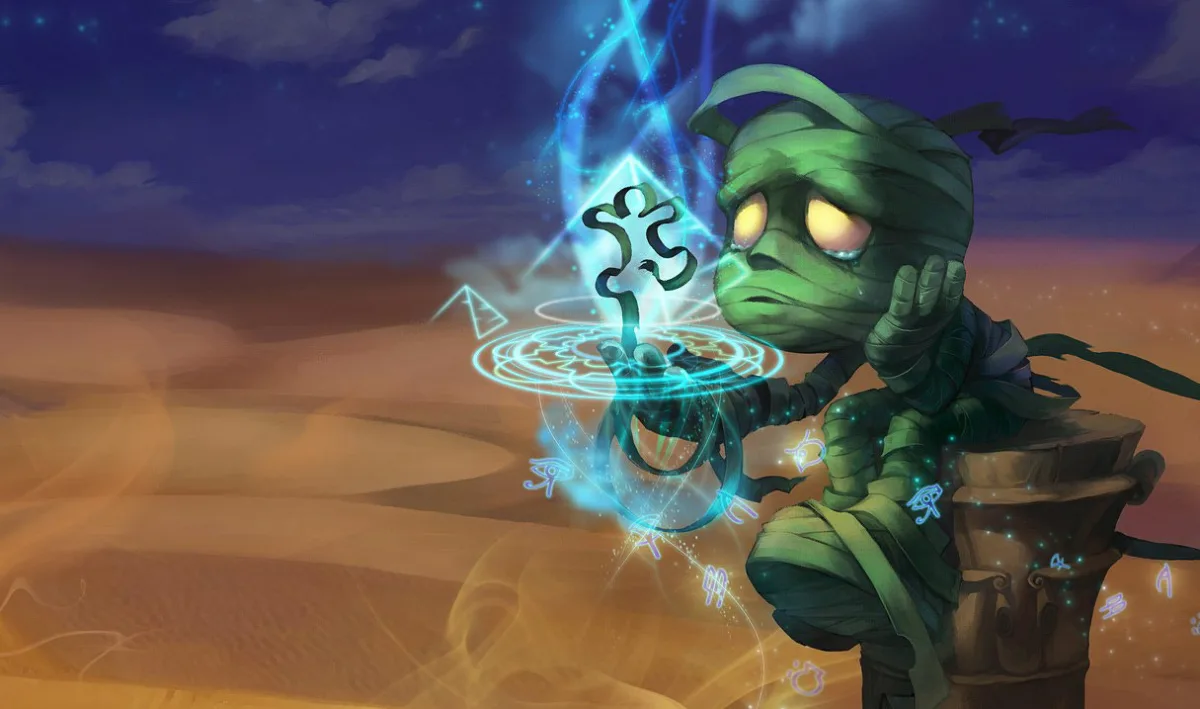
His passive adds a less visible benefit. Basic attacks Curse the target, causing incoming magic damage to deal bonus true damage. That rewards teams with magic damage and gives Amumu a reason to touch the target before unloading everything. It also helps his sustained work on large neutral monsters through Despair.
Amumu’s recovery value is the best in this list. A missed early Bandage Toss costs time and may reveal his position, but it does not erase his level-six job. Curse of the Sad Mummy damages and stuns enemies around him. One clean ultimate can turn a game in which Amumu owns fewer camps, fewer kills, and a cheaper inventory than the opposing jungler.
That utility can also hide poor habits, so the learning rule matters. Do not throw Bandage Toss simply because a champion entered range. Check whether your lane can move, whether the enemy wave blocks follow-up, and which direction the target escapes after the stun. The spell answers how Amumu reaches the fight. It does not answer whether that fight should begin.
Around Dragon or Rift Herald, Amumu is often more valuable guarding the entrance than hitting the objective without looking. A bandage from fog or an ultimate across a choke can prevent the enemy jungler from entering Smite range. Lower-ranked teams frequently put all five champions inside the pit and leave every approach open. Amumu has the tools to punish that habit, but only if he turns away from the monster long enough to watch the map.
Pick him when the team has damage and no dependable way to apply it. Avoid treating him as automatic engage into every formation. If allies are far behind, starting on the enemy tank can donate Amumu before the carries reach the fight. His buttons are clear. The timing becomes good when the follow-up is equally clear.
3. Nocturne edits the map down to one target
Before level six, Nocturne should feel boring in the best way. Umbra Blades gives his attacks area damage and healing, and basic attacks reduce the passive cooldown. Duskbringer damages through a line and leaves a trail that grants movement speed and attack damage. Shroud of Darkness supplies passive attack speed, then blocks one enemy ability when activated correctly.
That package supports a stable clear and a simple early promise: reach Paranoia without manufacturing a fight that the lanes did not create. Nocturne can gank before six, especially when Unspeakable Horror can keep its tether long enough to fear a target. He does not need to force that option merely because another jungler showed on the map.
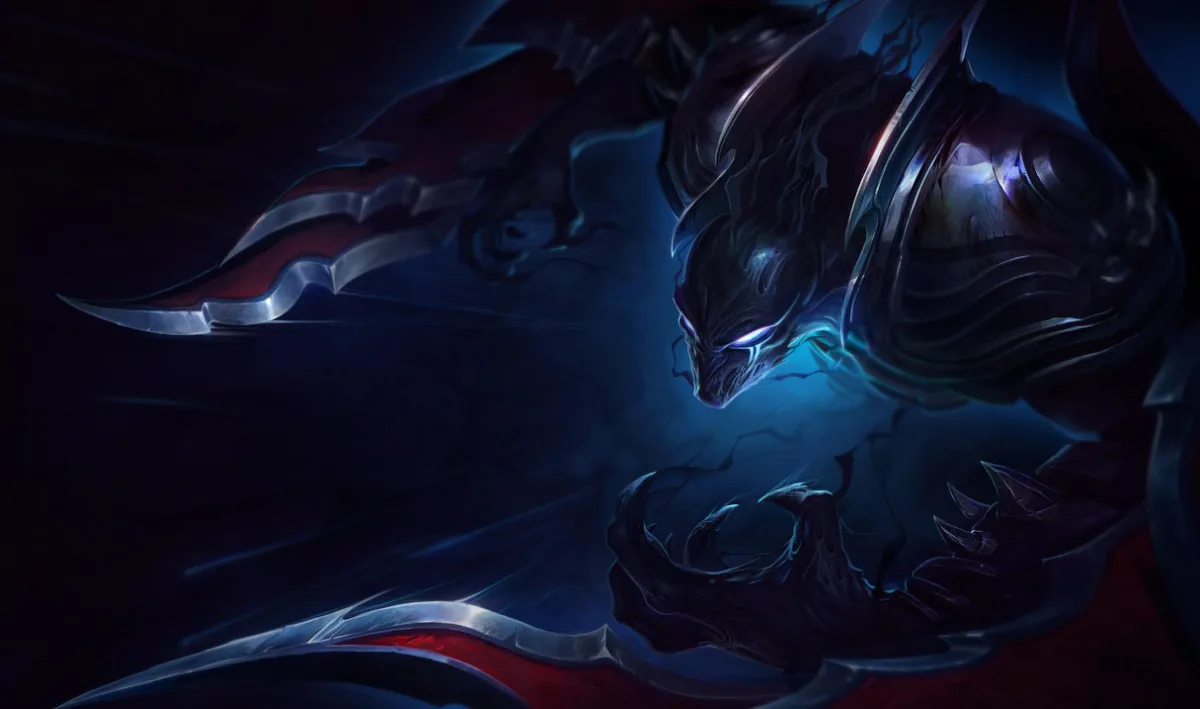
Paranoia is a powerful low-ELO filter. It reduces every enemy champion’s sight radius, removes allied vision between them, and lets Nocturne launch at one nearby enemy champion. Side-lane greed, late rotations, and players farming one extra wave become much easier to punish. The ultimate converts vague map pressure into one named target.
Patch 26.17 added a real warning. Riot reduced Nocturne’s base armor from 38 to 36 and health from 655 to 640 because his ultimate opportunities were too accessible for the amount of personal safety he had. The nerf did not remove his plan. It made careless invades, bad early duels, and poorly prepared ultimates more expensive.
The spell shield is where mechanical confidence and map judgment meet. Blocking one important ability can decide the duel, yet guessing the wrong spell leaves Nocturne exposed. New players often activate Shroud of Darkness as soon as they enter the screen. Patient opponents wait, then use the crowd control after the shield expires. The better habit is to identify the one ability that stops the play before pressing R.
Nocturne also converts kills well. His attack speed and single-target damage help with neutral objectives, while Paranoia can disrupt the enemy team’s information even when the first cast does not immediately produce a kill. A top-side ultimate can become Herald. A bot-side pick can become Dragon. The champion’s long travel range makes conversion fast, provided the player checked which objective was alive before choosing the target.
When behind, the darkness still has value. It can separate enemy reactions, hide an ally’s engage, or force a carry to retreat while Nocturne peels with Unspeakable Horror. A losing Nocturne should not launch into five champions hoping that reduced vision also reduced their damage. Sometimes the best Paranoia is the pressure it creates before the second activation.
Choose Nocturne if your main jungle problem is seeing too many possibilities and committing to none. His level-six threshold gives the early game a deadline. His ultimate gives the mid game a target. The discipline is using that clarity to make one play, then returning to camps and objectives instead of waiting in fog for a second miracle.
4. Wukong repairs a draft with no front line
Champion select in lower ranks often produces plenty of damage and no one willing to stand first. Wukong solves that problem without becoming helpless before his ultimate. Stone Skin grants stacking armor and maximum-health regeneration while he fights champions and monsters. Crushing Blow increases his next attack’s range and reduces the target’s armor. Nimbus Strike closes distance, while Warrior Trickster leaves a clone and gives Wukong a brief invisible reposition.
The result is a bruiser who can clear, skirmish, and later give the team a readable entry. He has more moving parts than Amumu, but none requires the player to solve a form choice, a cross-map projectile, or an isolation check before becoming useful.
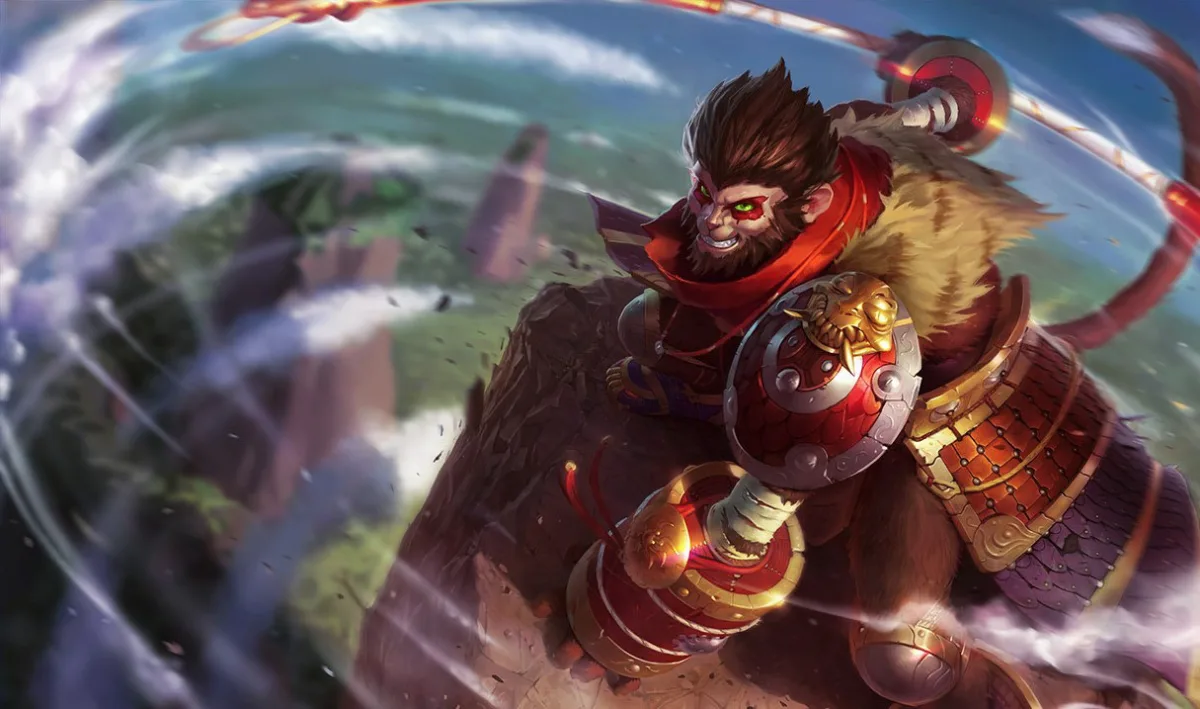
Cyclone is the recovery tool. Wukong spins, gains movement speed, damages nearby enemies, and knocks them up. A winning Wukong can use it to reach the back line. A losing Wukong can interrupt divers or buy space for the strongest ally. That choice keeps him relevant in games where an early invade or failed gank cost him tempo.
His objective conversion is less about deleting the monster than winning the fight around it. Crushing Blow’s armor reduction helps physical damage, and Wukong’s sustained skirmishing can punish opponents who enter a choke one at a time. After a successful gank, he should still ask whether the nearby lane can move. Starting an objective at half health while both allies recall throws away the stability that earned him a place here.
Warrior Trickster creates his main decision tax. Using the clone only as a forward dash makes every engage obvious and leaves no answer to the enemy’s first spell. Holding it can disguise the approach, absorb attention, or exit after Cyclone has done its job. The skill is not about producing a highlight. It is about surviving long enough for the second useful action.
Draft context matters. Wukong appreciates physical-damage fights because Stone Skin stacks armor, and he can stay near melee targets long enough to use repeated attacks. Ranged magic damage, persistent slows, and clean disengage can deny that contact. He is a strong blind pick within this seven, but not permission to ignore damage types.
Pick Wukong when teammates locked fragile carries, the support has no reliable engage, or you want an AD jungler who can still play front to back. His best low-ELO quality is role compression. One champion can begin the fight, disrupt it, shred armor, and peel without demanding that the game already be going well.
5. Shyvana gives a quiet first ten minutes a purpose
Current Shyvana gains Scalemail stacks from takedowns on enemy champions, large minions, and large monsters, improving her defenses. Her farm plan therefore builds toward a sturdier champion rather than merely filling time until an item purchase.
Emberstrike empowers her next attack and can be recast. Inferno Aegis gives a shield and movement speed before an explosion around her. Molten Burst is a ranged projectile that slows, and Dragon’s Descent transforms Shyvana, launches her forward, and fears enemies along the path. Dragon Form empowers her basic abilities.
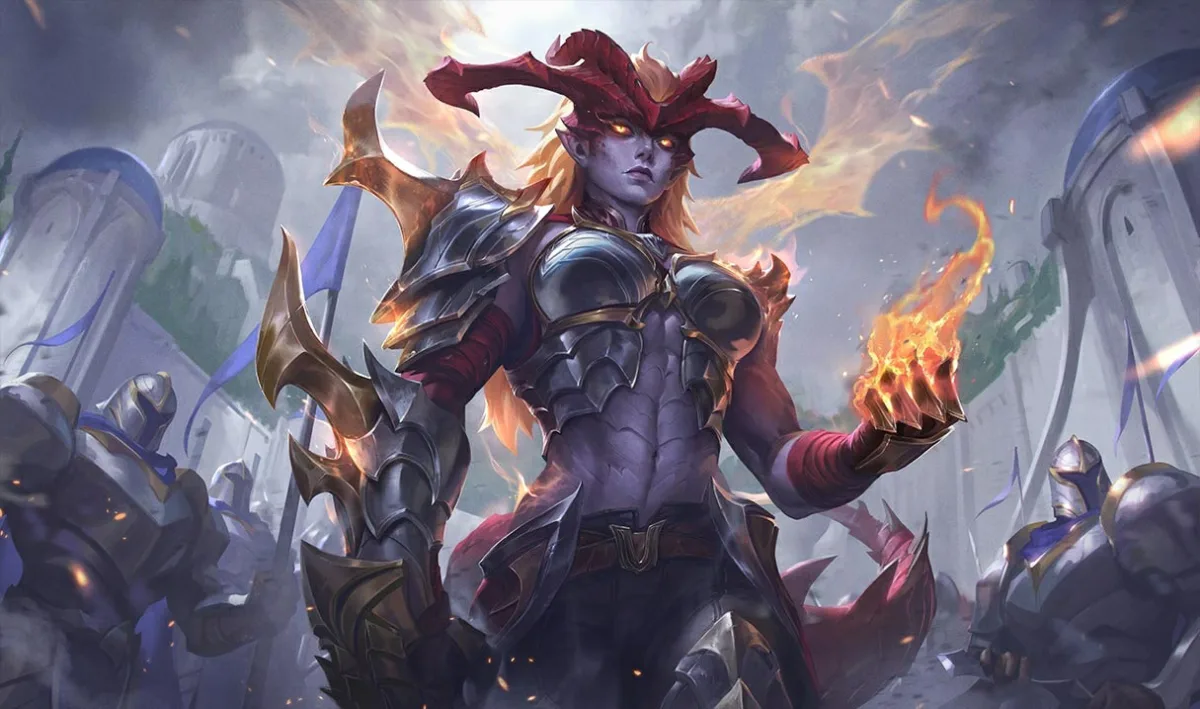
That current kit makes her attractive for a player who struggles with pointless movement. When no lane presents a clean play, Shyvana can clear a large camp, protect an objective, or prepare Dragon Form. The map always offers a productive fallback. Many low-ELO junglers lose more time hovering a bad gank than they would lose by farming and revisiting the lane with a real timing.
Her first-clear decision is simple, but her team dependence keeps her below Wukong and Nocturne. Shyvana does not offer Amumu’s immediate long-range stun or Warwick’s low-health trail. If three allied lanes lose before she reaches a useful form window, efficient camps may not be enough. Pick her with lanes that can manage the first waves or with teammates who already provide reliable crowd control.
Dragon’s Descent should be attached to a map event. Transforming because the button is available can leave Shyvana in human form when Dragon, Herald, or a stacked wave demands a fight. Before committing, name the reward: the objective, the tower, the enemy jungle quadrant, or the shutdown. If no reward exists, keep clearing and preserve the form for a play that matters.
Recovery has two versions. In a merely quiet game, Shyvana recovers beautifully because camps and large monsters continue to feed her plan. In a game where the enemy owns every entrance and allied lanes cannot move, she has less emergency utility than Amumu or Wukong. A fear on Dragon’s Descent can change a fight, but reaching that fight safely still depends on information.
Shyvana is the best recommendation here for the player who knows they abandon camps for weak pings. She teaches a useful refusal: not every teammate in combat deserves a jungle response. Farm is not cowardice when the alternative is arriving late to a lost play. The champion succeeds when that farm produces a timely form, a contested objective, and a fight the team can actually finish.
6. Rammus is the answer to a draft, not the answer to jungle
Rammus offers the sharpest draft specialization here. His defenses and taunt are attractive into attack-heavy physical teams; making him the default before seeing the enemy would discard the condition that makes him useful.
His kit is brutally effective when enemy champions want to attack him. Defensive Ball Curl raises armor and magic resistance and returns damage to attackers. Frenzying Taunt forces a chosen enemy champion or monster to attack him. His passive grants bonus attack damage based on armor and magic resistance. Against several basic attackers or a physical composition, those pieces reinforce each other.
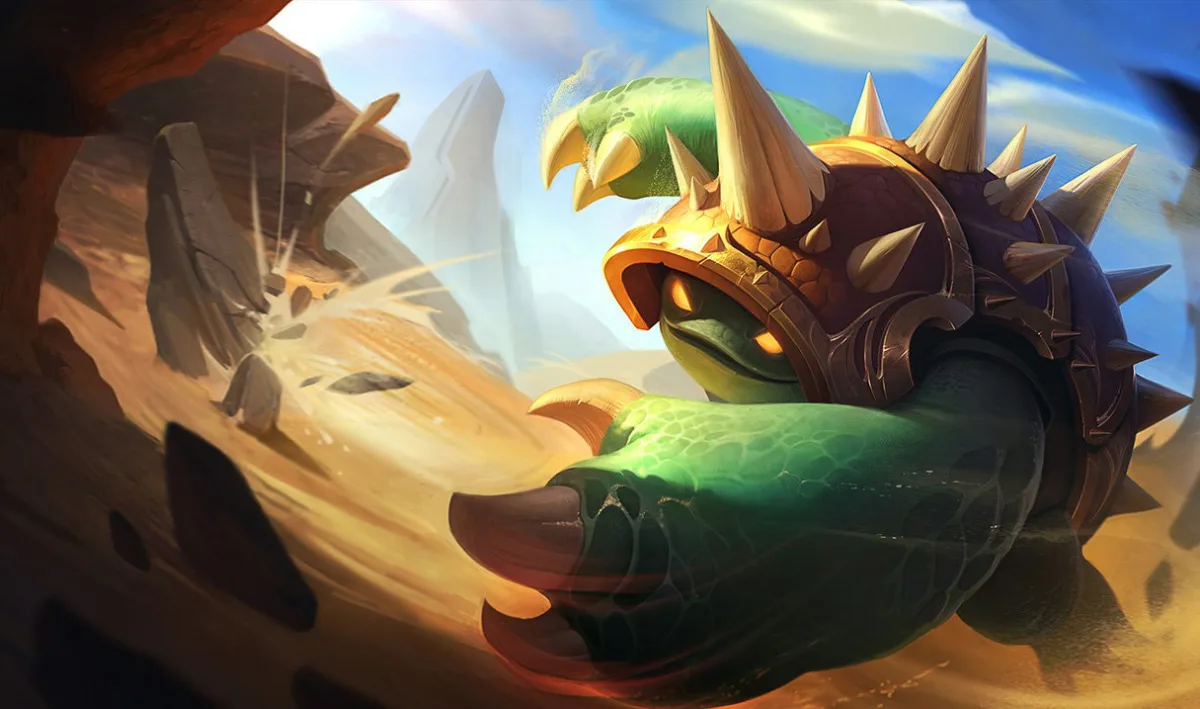
His gank signal is wonderfully clear. Powerball builds speed, collides with an enemy, damages and slows the area, then Frenzying Taunt keeps the priority target close. Soaring Slam adds a targeted-area engage and can knock up enemies near the center when cast during Powerball. Teammates can see the ball approaching and prepare their damage.
Rammus retains control from behind because a taunt does not check his gold before forcing an attack. He can still interrupt a carry, peel a diver, and absorb attention with Defensive Ball Curl. That is excellent recovery value. His problem is the number of games in which the enemy does not need to play his game.
Magic-heavy teams can attack a different resistance profile. True damage reduces the comfort of stacking defenses. Long-range compositions may disengage Powerball before Rammus reaches a valuable target. Some enemies can simply avoid attacking into Defensive Ball Curl while their team handles him another way.
Objective conversion needs allied help. Rammus is strong at controlling the path into a pit after a successful gank, yet he is not the champion we choose to erase a neutral monster alone while every lane resets. Use the pick to create numbers, hold the entrance, and let allies supply the damage profile he lacks.
The champion-select rule is straightforward. If the enemy has several physical attackers who must repeatedly basic attack and your team needs a tank, Rammus can move from sixth to first. If you are blind picking or the enemy has shown flexible magic threats, return to Warwick, Amumu, or Wukong. Being easy to operate in the correct game is different from being safe to choose in every game.
7. Vi teaches the conversion that low-ELO games waste
Vi earns seventh because her abilities teach a sequence that transfers to almost every jungler: identify one exposed target, commit with nearby allies, reduce the target’s defenses, then take something from the map.
Blast Shield gives Vi a shield after she hits an enemy with an ability. Vault Breaker charges into a forward punch, carries her ahead, and knocks back an enemy she hits. Denting Blows breaks armor, deals bonus damage, and grants attack speed. Relentless Force sends damage through the attacked target. Those pieces give her a stable single-target clear and a direct way to begin a gank.
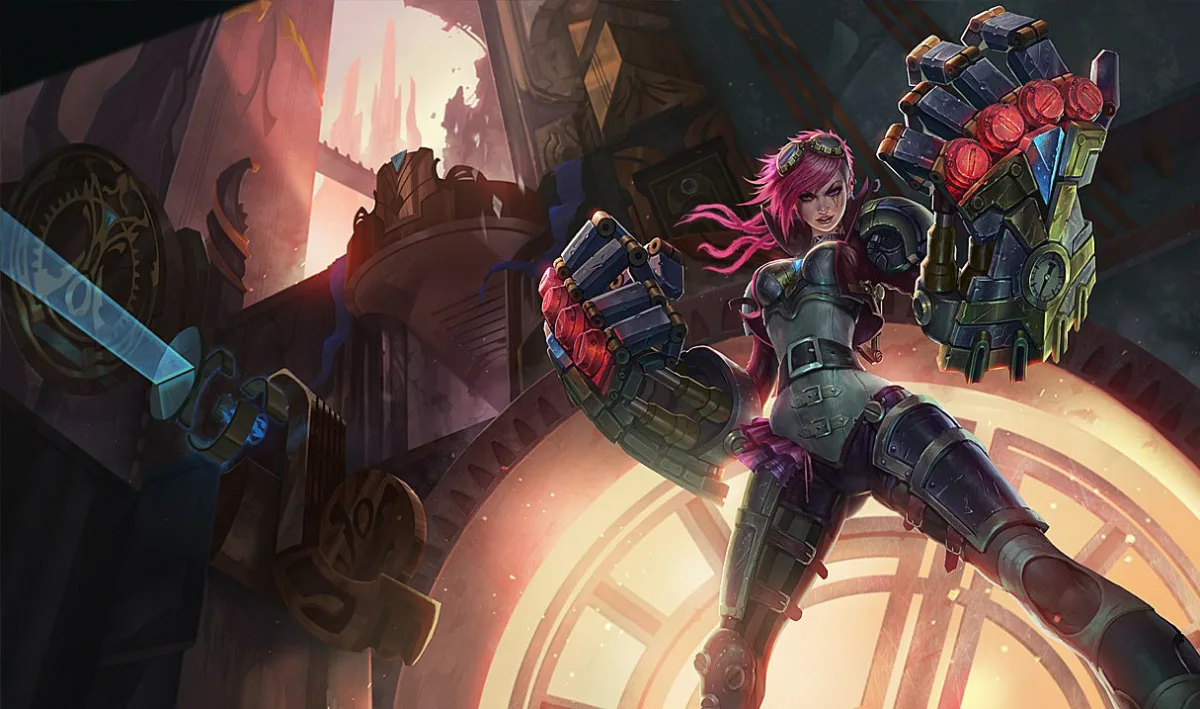
Cease and Desist is the reason to learn her. Vi runs at the chosen enemy, knocks other enemies aside, then knocks the target into the air and slams it down. The approach removes aim from the final connection. It does not remove target selection, enemy cooldowns, or allied distance.
That distinction is useful. A new Vi player quickly learns that "my ultimate was available" is not a reason to press it. If the target can drag Vi under a tower, into five enemies, or away from all follow-up, the reliable spell starts an unreliable fight. The champion makes the mistake visible enough to review.
From behind, Vi can change jobs. Instead of diving the richest enemy carry, she can use Vault Breaker and Cease and Desist on the champion attacking her own carry. Denting Blows reduces armor for allied physical damage even when Vi is not the main threat. She does not offer Amumu’s area control, but she retains a pointed answer to one dangerous champion.
Her objective value is easy to understand. Denting Blows rewards repeated attacks and armor reduction, while Blast Shield helps absorb monster damage. More important, Cease and Desist can remove the enemy jungler from the contest or force a fight before both teams stand on top of the objective. The correct order is usually pick, vision, objective. Starting the monster first and hoping the pick appears later reverses the advantage.
Pick Vi if you understand individual ganks but fail to turn them into map progress. She gives you a clear replay question: after the target died, what did we take? That question is worth keeping through changes in patch strength.
Why Briar, Kayn, Master Yi, and Lee Sin miss the seven
Briar is a difficult omission because her sustain can make the clear forgiving. Crimson Curse supplies a stacking bleed and missing-health healing, while Chilling Scream can end Blood Frenzy, reduce incoming damage during its charge, heal Briar, and punish enemies against terrain. Managing the commitment is the harder lesson.
The problem is what happens after Blood Frenzy begins. Briar relentlessly pursues the nearest enemy, prioritizing champions. Certain Death marks the first champion struck, carries her to that target, and continues the pursuit until death. Those mechanics do not make Briar random. They make the cost of a bad initial decision unusually high. We would recommend her after a player can already judge whether the lane, target, and escape are good. She is less suitable for learning that judgment in the first place.
Kayn’s Reaping Slash supports a quick clear, Blade’s Reach slows, Shadow Step crosses terrain, and Umbral Trespass buys untargetable time inside an enemy. He also has to reach and choose between Rhaast and Shadow Assassin, adapt that choice to the draft, and understand which wall routes save time without separating him from allies. Kayn lowers movement restrictions while raising route responsibility.
Master Yi’s 26.18 armor-growth and Highlander movement-speed buffs help him survive and pursue a fight. They do not solve entry timing. Alpha Strike can dodge an ability or place Yi inside a losing fight; Meditate can reduce damage, but an interruption loses the window. When behind, he offers no hard crowd control and often needs someone else to create the first takedown. The exclusion is about learning burden, not an unverified current win rate.
Lee Sin’s energy management, two-part basic abilities, skill-shot entry, ally dash, reveal, slow, and Dragon’s Rage geometry demand attention before the player has evaluated the lane. Skilled players can solve problems none of the seven can. A player learning jungle fundamentals will usually have more attention for waves, camps and objectives with a narrower kit.
None of these four is a bad champion. They simply charge for power in the currency this list is trying to save: attention and judgment. Once the role feels slower and the map becomes easier to read, adding that complexity can be worthwhile.
Pick the jungler that fixes your recurring loss
Choose Warwick if your clear leaves you too unhealthy to contest, or if you struggle to identify which lane is punishable. His sustain protects the route and Blood Hunt narrows the map.
Choose Amumu if teammates draft damage without engage, or if your useful ganks fail because allies do not recognize the start. His crowd control makes the call visible.
Choose Nocturne if your early farming is acceptable but the mid game dissolves into indecision. Paranoia creates a repeatable level-six and side-lane plan.
Choose Wukong if your teams lack a front line and you prefer an AD bruiser who can engage or peel. He is the best role-compression pick in the seven.
Choose Shyvana if you abandon camps for hopeless fights and need a productive fallback. Her current Scalemail and Dragon Form plan turn patience into a concrete spike.
Choose Rammus when champion select shows several attack-heavy physical threats. Keep him for the enemy composition his tools punish.
Choose Vi if kills happen but objectives do not. Her single-target plan makes the conversion sequence easy to review after every game.
Limit the first pool to one main and one contrasting backup. Warwick plus Amumu covers a durable fighter and an area-control tank. Nocturne plus Wukong covers side-lane access and grouped fights. Shyvana plus Vi covers disciplined farming and immediate target lockdown. Seven recommendations are options, not an instruction to learn seven champions at once.
Judge the pick over five games, including the losses
A champion that feels unstoppable in one winning match can teach nothing. Use five games to examine what happened when the map resisted the plan.
- Record your health and remaining resources after the first clear. The goal is not a speedrun time. Check whether the champion left enough room to watch lanes and respond.
- Mark the first gank you refused. If you cannot name one bad play you declined, teammate pings may still be driving the route.
- After every successful gank, write down the conversion. A wave crash, camp, plate, vision line, or neutral objective counts. Walking away with only a kill does not.
- In the first losing game, identify the spell that remained useful. Warwick fear, Amumu ultimate, Wukong knock-up, Rammus taunt, and Vi lockdown should still create value.
- Review the death that ended the game, not the death with the ugliest mechanics. Ask whether the champion made the target, entry, and exit clear before the play began.
Do not swap after one loss because another champion posted a higher percentage that morning. Change when the same kit demand repeatedly consumes the attention you need for the map. A Shyvana player who always arrives without Dragon Form has found a useful pattern. A Nocturne player who ults before allies can move has found another. The review should produce one behavior to fix, not another champion purchase.
Final verdict
Choose Warwick when you need clear sustain, a signal toward vulnerable enemies and crowd control that still helps from behind. Choose Amumu when the team needs an obvious engage, or Nocturne when a level-six plan helps organize your route. Wukong, Shyvana, Rammus and Vi cover the narrower draft and practice needs described above.
Pick the champion whose losing game still gives you one clear job. Low-ELO jungle offers more plays than anyone can take. Climbing begins when your champion helps you decline the wrong ones.