
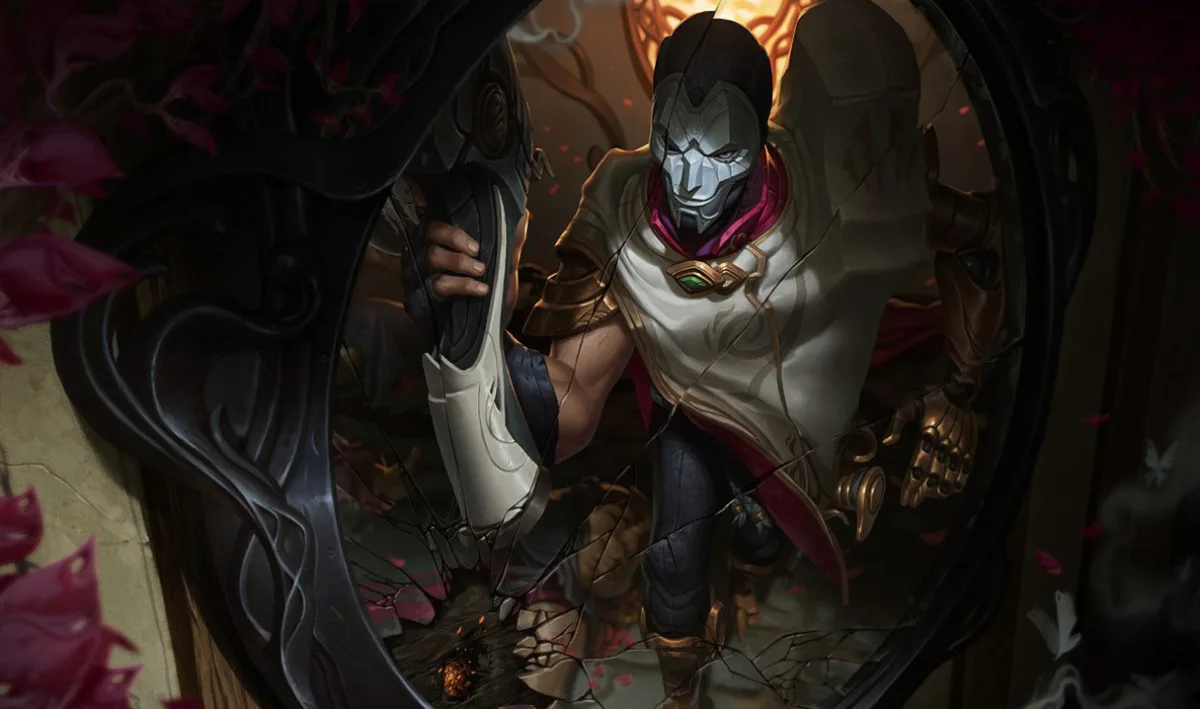
The awkward moment in every Jhin lane comes after the fourth shot. The target is hurt, Whisper is empty, and the support has to decide whether to keep fighting or buy enough space for the reload. The best partners make that decision easy.
Zyra is our most complete answer on Patch 26.17. Her plants create the first hit for Deadly Flourish, her root holds the trade in place, and her damage keeps the lane dangerous while Jhin cannot fire. Xerath is better when range is the protection. Lux gives a duo the cleanest catch-and-burst script. The right choice still depends on matchup, comfort, and what the other three roles drafted.
This ranking was reviewed for League of Legends Patch 26.17. Jhin was unchanged, while Xerath's base health fell from 596 to 575 and Arcanopulse lost 5 base damage at every rank. That nerf makes careless positioning less forgiving, but it does not remove the range, first-hit setup, and double-ultimate pressure that earn him second place here. Current Patch 26.17 synergy data also places Xerath and Zyra among Jhin's strongest teammates, but this list is not a blind sort by win rate. A rare duo with a small or specialist player base is not automatically a better recommendation for most ranked players.
Best Jhin supports at a glance
| Rank | Support | Best for | Lane identity | Main risk |
|---|---|---|---|---|
| 1 | Zyra | Best overall | Poke, roots, zone control | Vulnerable when caught |
| 2 | Xerath | Maximum range | Relentless poke and long-range picks | Weak peel against hard engage |
| 3 | Lux | Easy duo execution | Binding into layered burst | Missed Q leaves a long opening |
| 4 | Vel'Koz | High-elo poke lanes | Range, slows, true-damage finish | Demands accurate skill shots |
| 5 | Seraphine | Teamfight value | Wave control, sustain, layered CC | Can concede early pressure |
| 6 | Nami | Flexible blind pairing | Short trades, sustain, movement speed | Less oppressive than a mage lane |
| 7 | Brand | Punishing low-elo lanes | Heavy damage and all-in threat | Limited protection for Jhin |
| 8 | Bard | Roaming and pick play | Short trades, stuns, map pressure | Poor roams can abandon the lane |
| 9 | Tahm Kench | Safety into dive | Peel, sustain, save tool | Low ranged pressure |
| 10 | Nautilus | Reliable engage | Point-and-click setup and CC chains | Bad engages are hard to undo |
What Jhin needs from a support
Jhin is not a normal attack-speed marksman. Whisper fires four shots at a fixed rate, the fourth shot is the payoff, and then Jhin has to reload. That rhythm changes what a good support pairing looks like.
First, Jhin loves an ally who can damage an enemy before he commits. Deadly Flourish roots a champion who was recently hit by Jhin, one of his traps, or an ally. A Zyra plant, Xerath Q, Lux E, or Nami W can turn Jhin's W from a difficult long-range skill shot into the second half of a repeatable catch pattern.
Second, he wants time. One reliable root or slow lets him walk into fourth-shot range without spending Flash. Layered crowd control is even better because Jhin deals his damage in deliberate windows rather than through constant basic attacks.
Third, his support has to respect the reload. A good Jhin lane trades when his third and fourth shots are ready, then backs away while he reloads. Supports who force an extended fight at the wrong moment can make an otherwise strong pairing look terrible.
Finally, Jhin needs help against divers. His bonus movement speed can create space, but it does not replace a dash. If the enemy team has several champions who can reach the back line, a slightly lower-pressure support with real peel may be more valuable than another damage dealer.
1. Zyra: best overall support for Jhin
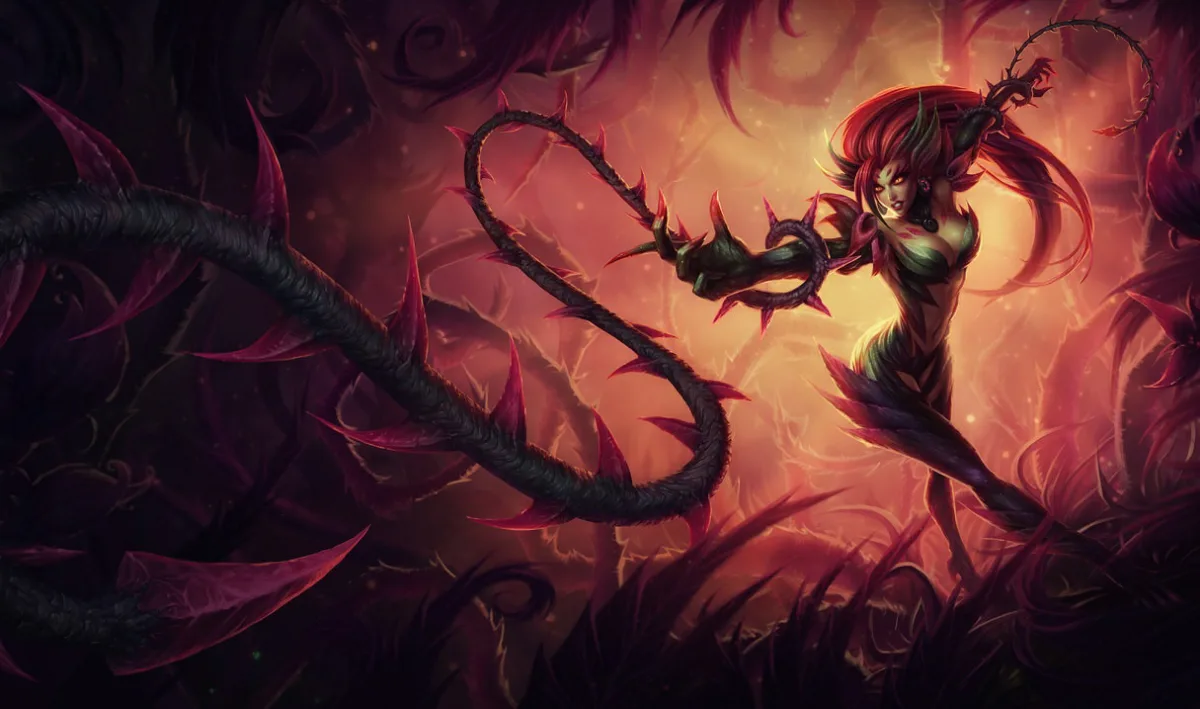
Zyra gives Jhin almost everything he wants without asking him to change his lane pattern. Her plants and spells can mark a target for Deadly Flourish from a safe distance. Grasping Roots holds the target long enough for Jhin to add a trap, Dancing Grenade, or a prepared fourth shot. Stranglethorns then controls the space where Jhin wants to open Curtain Call.
The lane works because neither champion needs to walk into basic-attack range to start a trade. Zyra can pressure from behind the minion line, and any plant hit creates a possible W angle for Jhin. If the root lands, the pair can take a short winning trade and reset before Jhin's reload becomes a problem.
Zyra is also useful when the first target is too tanky to kill. Her plants make brushes uncomfortable, help contest river entrances, and force enemies to move predictably. Predictable movement is exactly what Jhin wants when he is lining up W or Curtain Call.
The weakness is defense. Zyra can stop an engage if she has root and ultimate available, but she is fragile and has no instant save. Against Nautilus, Rell, or a jungler who can bypass the plant line, both players must manage the wave and keep the river warded. Do not confuse lane pressure with safety.
Pick Zyra when your team needs magic damage, the enemy bot lane has limited sustain, or your duo is comfortable winning through repeated poke rather than one forced all-in.
2. Xerath: best long-range partner
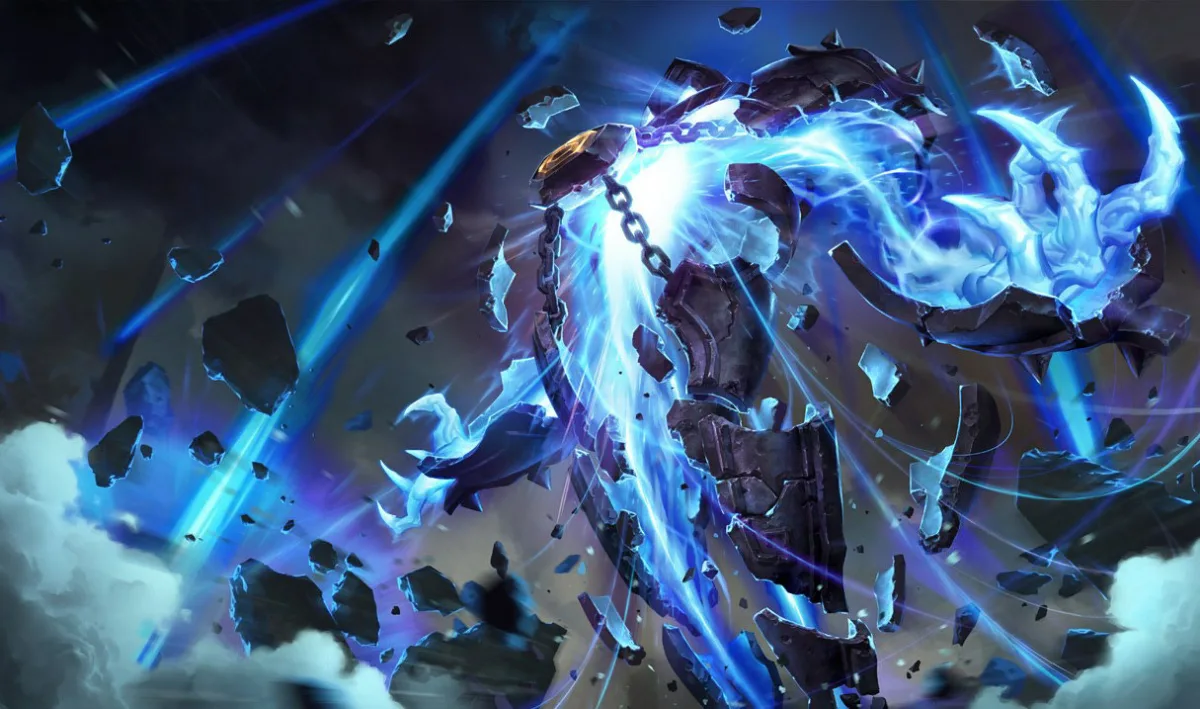
Xerath turns the bot lane into a shooting gallery. His Q and W can touch targets Jhin cannot safely reach, and every hit creates a Deadly Flourish threat. If Jhin roots the marked target, Xerath gets a much easier stun. If Xerath lands the stun first, Jhin can extend the crowd control and walk forward for a fourth shot.
This pairing is strongest into short-range lanes that struggle to force an engage through the minion wave. The opponents have to choose between giving up health, giving up farm, or taking a risky route forward. Once they fall low, the two ultimates can finish a fight from well outside normal retaliation range.
The best lane sequence is simple: let Xerath land the first spell, fire Jhin W while the target is slowed or adjusting position, then spend only the damage needed to win the trade. You do not have to chase every rooted enemy. Forcing a potion, a bad recall, or lost minions is already a win.
Xerath offers very little emergency protection. If the enemy drafts hard engage and your team has no front line, the pair can become two immobile carries competing for the same safe space. Pick him when range is your protection, not when the enemy has several reliable ways to ignore it.
3. Lux: the cleanest catch-and-burst duo

Lux is the easiest Jhin support to understand in champion select. One player lands crowd control, the other layers it, and both unload damage before the target can move. Light Binding into Deadly Flourish is the obvious order, but Lucent Singularity can also slow and mark an enemy so Jhin has a better chance to start the chain himself.
The pair has excellent wave control and can threaten kills without standing close together. That matters against supports with area engage. Lux can hold one side of the lane while Jhin plays the other, forcing the enemy to choose which angle to respect.
At level six, Final Spark and Curtain Call give the duo two ways to finish a target who escapes the initial trade. Do not automatically press both ultimates at the same time. Lux usually wants to burst a rooted target immediately. Jhin can then use Curtain Call to catch the survivor, slow a second enemy, or stop reinforcements from walking into the fight.
Lux becomes much weaker when she throws Q without a reason. If it misses, the enemy has a clear engage window and Jhin loses his easiest setup. Save the binding when the opposing support is looking to go in, or use E first to make Q easier.
Pick Lux when you want a straightforward duo, extra magic damage, and a lane that can punish one positioning error instantly.
4. Vel'Koz: the specialist poke option
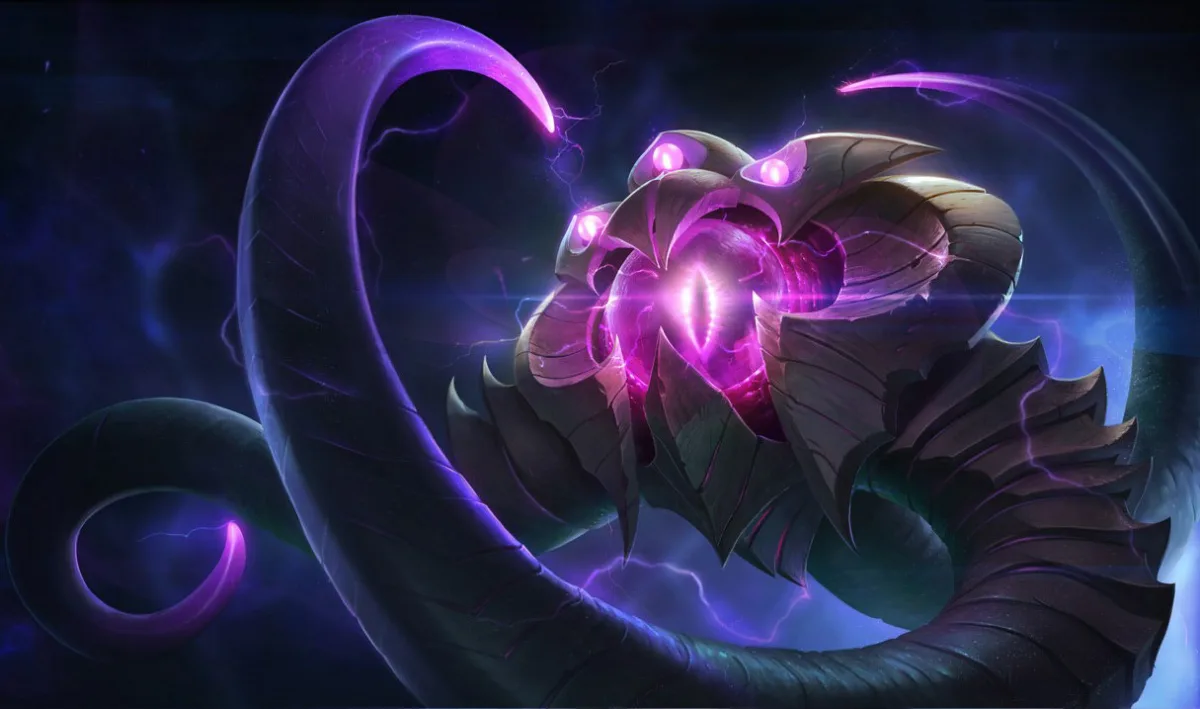
Vel'Koz is harder to execute than Lux, but his angles are nastier. Plasma Fission can split around the minion wave, tag an enemy from the side, and slow them for Jhin W. Tectonic Disruption adds another knock-up to the chain, while Life Form Disintegration Ray punishes anyone who leaves lane at half health.
Current rolling synergy data has treated Vel'Koz as one of Jhin's stronger high-elo partners. The kit explanation matters more than the ranking: both champions attack from long range, both punish narrow escape routes, and both can contribute to a fight without walking into the enemy front line.
The duo needs restraint. Vel'Koz can burn through mana while trying to hit every spell, and Jhin can push too quickly with Dancing Grenade. If the wave gets stuck near the enemy turret without vision, the lane loses the space it needs. Slow down, keep one side of the river warded, and use poke to control the wave rather than merely add damage.
Pick Vel'Koz if the support player already knows his Q geometry. He is not worth learning solely because a synergy table looks good for one patch.
5. Seraphine: best teamfight scaling

Seraphine gives up some early kill pressure in exchange for a much stronger five-on-five plan. High Note and Beat Drop can mark targets from range, while Beat Drop becomes more reliable after Jhin slows an enemy with a trap or Curtain Call. Encore can start a fight through the enemy front line and leave several targets open to Jhin's follow-up.
This lane is comfortable when the goal is to control the wave, avoid a volatile all-in, and reach mid game with both champions useful. Surround Sound helps Jhin survive repeated poke, and Seraphine can cover the reload window without standing next to him.
The pairing can feel passive if neither player takes responsibility for the first hit. Seraphine should look for spells when the enemy ADC steps up for a last hit. Jhin should keep track of whether his W is available before Seraphine spends an empowered Beat Drop. Their crowd control becomes much more reliable when one slow leads into the next spell.
Pick Seraphine when your draft needs teamfight control or when the enemy composition wants to run through a narrow choke. Skip her if your team already has several scaling picks and no one can contest the lane early.
6. Nami: the most flexible conventional support
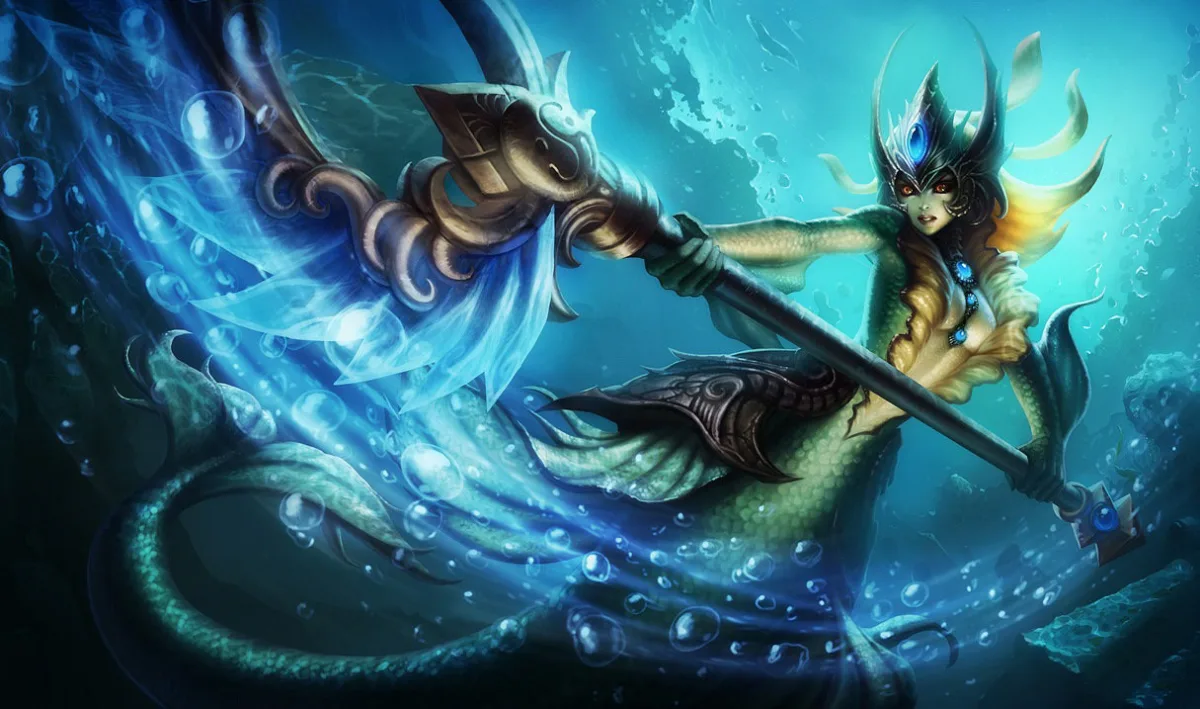
Nami is a natural Jhin partner even though she does not always sit at the top of raw duo tables. Tidecaller's Blessing adds damage and a slow to Jhin's next attacks or abilities. That slow helps him kite, line up Deadly Flourish, and make the fourth shot harder to escape. Ebb and Flow supports the short-trade pattern Jhin prefers, while Nami's passive movement speed gives him another way to reposition.
The level-two pattern is strong without being complicated. Nami can use E on Jhin before he fires a prepared shot, then follow with Ebb and Flow as he backs away. If the enemy keeps trading, the slow creates a possible bubble or W root. If they disengage, Jhin and Nami have already won the exchange.
Tidal Wave and Curtain Call also work in either order. Nami can start the fight and give Jhin stationary targets, or Jhin can slow enemies from range so the wave is harder to sidestep. This flexibility makes Nami a good blind pick when the support player does not want to lock the lane into pure poke or pure engage.
Nami cannot erase every dive. Her bubble is powerful but slow, and a missed cast leaves Jhin exposed. Against direct engage, keep it as a response unless the enemy has already used the ability that threatens your back line.
7. Brand: best for raw lane damage
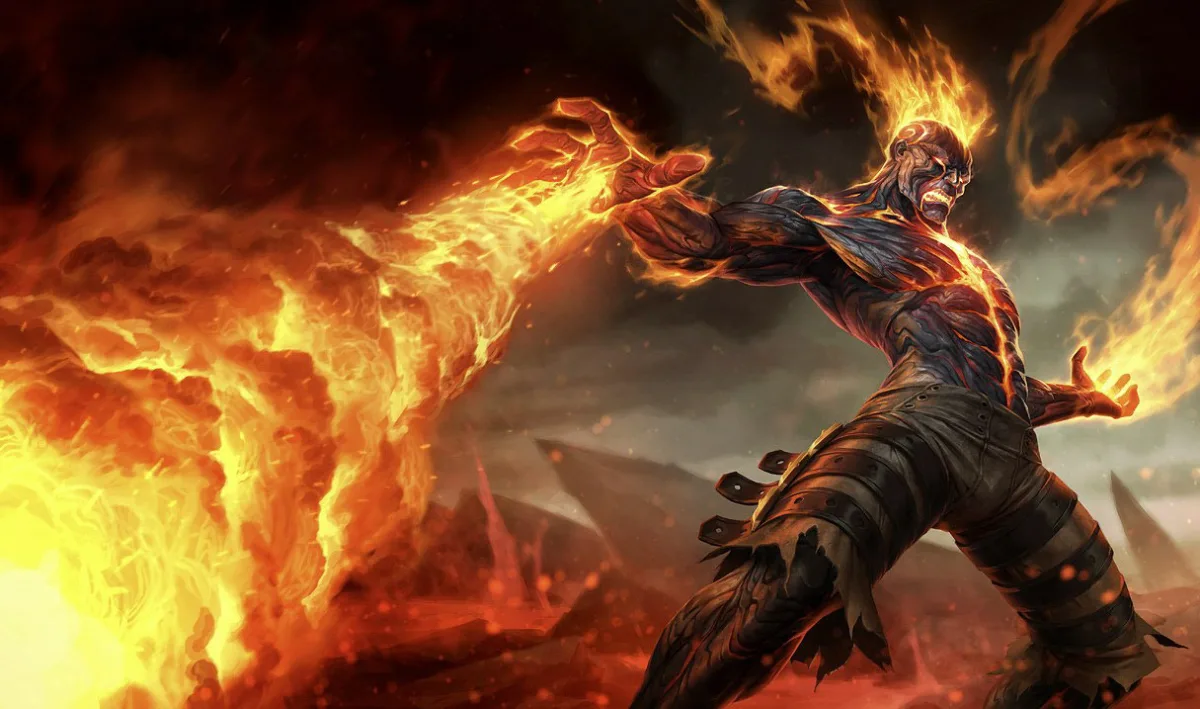
Brand makes every successful Jhin root hurt. His burn can mark an enemy for Deadly Flourish, and the root gives Brand a clean window to land Pillar of Flame or complete a stun. The pair deals mixed damage, so early defensive purchases rarely solve the whole lane.
Brand is especially punishing when opponents stand close to the minion wave or to each other. Jhin can soften the wave with Dancing Grenade, Brand can threaten an area spell, and both can turn one low minion into pressure on the champions behind it. After level six, a fight in a cramped river entrance can end before Jhin has to finish a second magazine.
The problem is obvious: Brand protects Jhin mostly by threatening to kill the diver. That works while ahead and looks awful from behind. If the enemy team has several champions who can reach Jhin, take a support with peel instead of adding a second vulnerable damage dealer.
Pick Brand when the matchup rewards aggression, your team needs magic damage, and the support player understands that vision and spacing still matter after winning lane.
8. Bard: best roaming partner

Bard gives Jhin a different kind of lane. Cosmic Binding provides the first hit and stun for Deadly Flourish, Meeps improve short trades, and Caretaker's Shrine helps Jhin hold the lane while Bard creates pressure elsewhere.
Jhin is better than many ADCs at contributing to a river fight from a distance. He can move first after a pushed wave, fire W through terrain, or open Curtain Call without walking into the choke. Bard's Magical Journey then creates angles that a standard bot lane cannot threaten.
Tempered Fate needs coordination. It can freeze targets for a Jhin trap and W setup, stop a turret during a dive, or ruin Jhin's fourth shot if Bard presses it at the wrong moment. Agree on the basic order before the fight: Bard ult first, prepare the trap and spacing, then chain the root as stasis ends.
The common failure is roaming on a bad wave. Jhin can farm safely from range, but he cannot defend a frozen wave against two healthy opponents forever. Bard should leave after the lane is pushed or when Jhin has a safe recall, not simply because a chime appeared in river.
9. Tahm Kench: best protection into dive
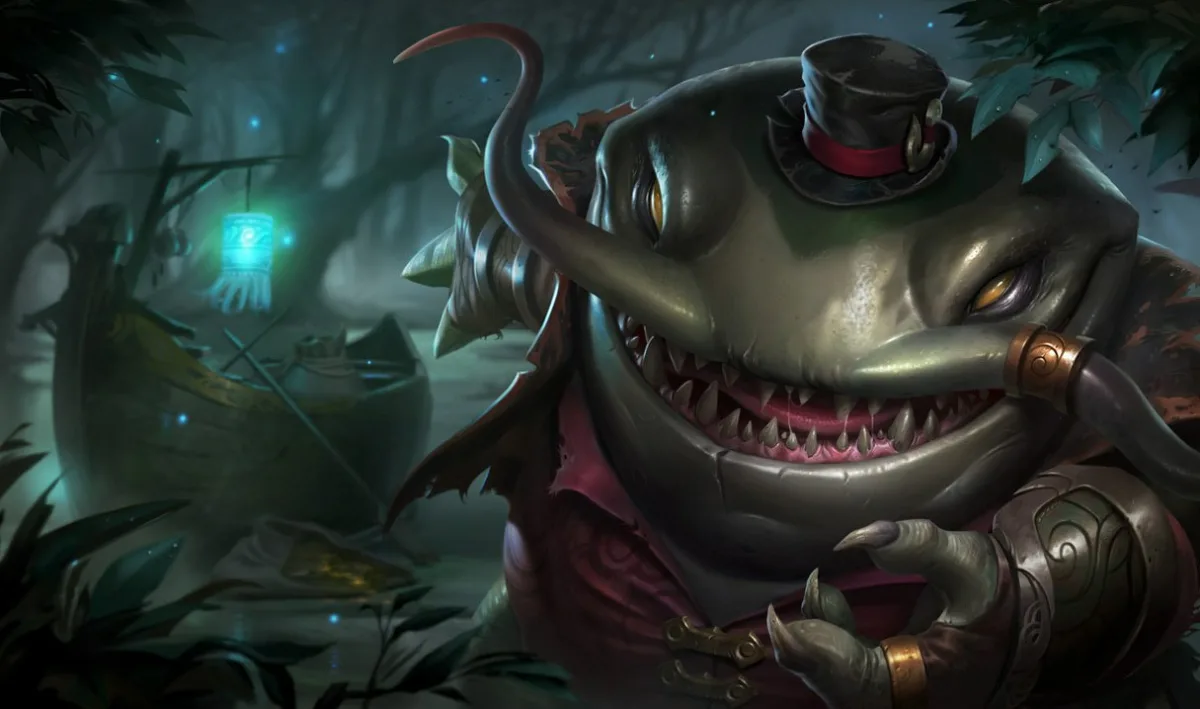
Tahm Kench looks less natural than a poke mage, but he solves Jhin's worst problem: being reached by a diver with no clean exit. His ultimate can remove Jhin from danger, while Tongue Lash and Abyssal Dive create enough disruption for Jhin to reset his spacing.
The lane has less ranged pressure, so Jhin must use his bullets well. Hold the fourth shot when the enemy ADC walks up, let Tahm threaten the brush, and avoid spending both champions' crowd control on different targets. A Tongue Lash slow is often enough for Jhin W. Abyssal Dive can then follow after the root instead of gambling on the first engage.
Tahm is a smart pick into assassins and dive-heavy teams, especially when the rest of your draft already has damage. He is less appealing into lanes that will slowly outrange and out-push him without ever committing.
10. Nautilus: the reliable engage option
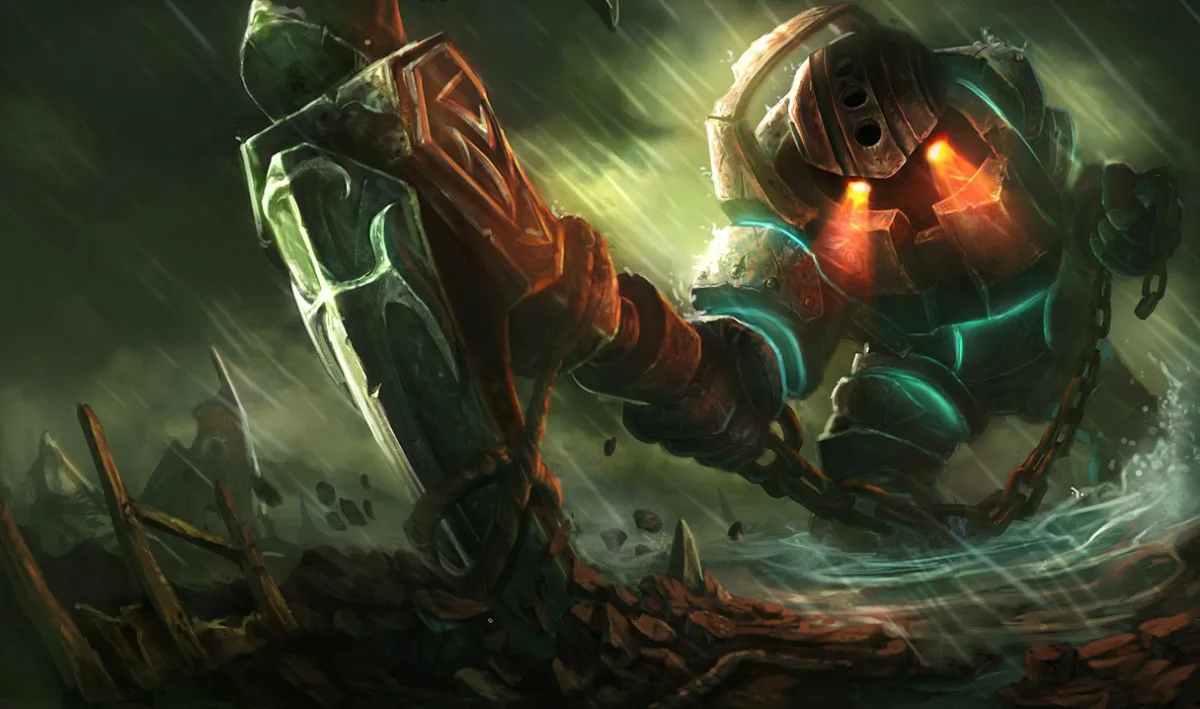
Nautilus gives Jhin a clear target. Dredge Line, his passive root, and Depth Charge all create time for Deadly Flourish. Once the first ability connects, the pair can layer crowd control long enough for Jhin to reach his fourth shot.
Depth Charge is the most dependable part of the pairing. Jhin can begin Curtain Call as Nautilus presses R, then fire at the knocked-up target or use the slow to block the escape route. In lane, Nautilus can also hold Q and pressure through positioning alone. The threat of a hook often gives Jhin more room than a rushed hook that misses.
This duo is less forgiving when behind. Nautilus has to enter the fight, and Jhin cannot supply constant damage during a long brawl. Engage when Jhin has useful bullets and W available. If he is reloading with no trap nearby, wait for the reload rather than turning a good angle into a weak fight.
Pick Nautilus when your team needs someone to start fights or when the enemy bot lane can be punished by one reliable catch.
Best support type for each matchup
The highest-ranked champion is not always the right pick. Use the enemy lane and full team draft to narrow the choice.
| Situation | Best options | Why |
|---|---|---|
| Short-range ADC and enchanter | Zyra, Xerath, Lux | They control the wave and punish every last-hit attempt |
| Immobile carry with weak sustain | Vel'Koz, Brand, Zyra | Repeated poke turns one hit into a recall or kill |
| Hard engage bot lane | Tahm Kench, Nautilus, Nami | They can peel, counter-engage, or stop the first target |
| Enemy team has several divers | Tahm Kench, Seraphine, Nautilus | Jhin needs survival and space more than extra lane damage |
| Your team lacks magic damage | Zyra, Xerath, Lux, Brand | Mixed damage makes defensive itemization harder |
| Your team lacks engage | Nautilus, Seraphine, Bard | Each can start a fight without asking Jhin to walk forward |
| You want to play through mid and jungle | Bard, Seraphine | They move first or influence fights from long range |
| Blind pick with little draft information | Nami, Zyra, Seraphine | Their kits remain useful across several lane plans |
Three duo rules that win more lanes
Track Jhin's magazine, not just cooldowns
The support should glance at Jhin's ammo before committing. The best window usually begins with the third shot loaded, W available, and enough room to walk forward for the fourth. Starting a long fight during reload wastes the part of Jhin's kit that makes the trade dangerous.
Let the easiest spell land first
Do not force Jhin to begin every play with a max-range W. A Zyra plant, Lux E, Xerath W, Nami E slow, or Nautilus R is easier to land. Once the target is marked or controlled, Deadly Flourish extends the play. Reliable sequences beat highlight attempts.
Stop chasing after the trade is won
Jhin lanes often win through health and wave advantages before they win through kills. If the opponent burns Flash or loses half a health bar, return to the wave. Chasing through the reload can hand back the advantage and expose both players to the enemy jungler.
Supports to approach with caution
Jhin can win with any practiced support, but some kits ask more from the duo. Attack-speed-focused enchanters do not give him the same direct payoff they give a traditional hypercarry because his firing rate is fixed. Yuumi and Lulu can also leave the lane without enough independent pressure to create easy W angles.
Braum needs repeated basic attacks to trigger Concussive Blows quickly, which does not fit Jhin's slow magazine as neatly as it fits faster marksmen. Rakan can engage well, but his quick in-and-out timing sometimes ends before Jhin has moved into range. Blitzcrank creates spectacular kills when Q lands, yet offers less protection and consistency than Nautilus in a difficult draft.
None of these pairings is unplayable. A support specialist on a familiar champion is usually more useful than a first-time Zyra chosen from a tier list. Treat synergy as a tiebreaker after comfort, matchup, and team composition.
Questions Jhin players still ask
What is the single best support for Jhin?
Zyra is the best general recommendation for Patch 26.17. She can mark enemies for Deadly Flourish, add reliable crowd control, pressure the lane during Jhin's reload, and remain useful around objectives. Xerath can be better into short-range lanes, while Tahm Kench is better when Jhin needs protection from dive.
Is Nami still good with Jhin?
Yes. Nami's E adds damage and a slow to Jhin's attacks or abilities, her passive grants movement speed, and her heal supports his short trades. She is a flexible partner even when a pure poke mage shows a higher patch-specific duo win rate.
Are tank supports bad with Jhin?
No. Nautilus, Leona, and other engage supports can give Jhin excellent W and fourth-shot setups. The issue is timing. If a tank starts an extended fight while Jhin reloads, the pairing loses much of its burst. Tanks are also valuable when the team needs engage or peel more than another damage source.
Why do mage supports work so well with Jhin?
Mage supports can damage enemies from range, which activates the root condition on Deadly Flourish. Their crowd control then overlaps with Jhin's slow, root, traps, and ultimate. They also deal magic damage beside Jhin's physical damage, making the lane harder to defend with one early item.
Should the support roam when playing with Jhin?
Only on a safe wave. Jhin can last-hit from range and contribute to river fights with W or Curtain Call, so he handles short roams better than some marksmen. He still loses farm and safety if the enemy freezes the wave or stacks a dive. Push first, track the enemy jungler, and give Jhin a clear warning before leaving.
How often should this ranking be updated?
Review it after any patch that changes Jhin, several supports on this list, major bot-lane items, or the pace of the lane. A fresh patch number alone does not justify rearranging every pick. The reasons should change before the ranking does.
Lock the support for the game you have
Start with Zyra if both players want lane pressure and a simple ranged setup. Pick Xerath when the enemy lane cannot reliably close distance. Choose Lux for the cleanest catch-and-burst pattern, Nami for a flexible conventional lane, and Tahm Kench when keeping Jhin alive matters more than winning the damage chart.
Most importantly, build the lane around Jhin's third shot, fourth shot, and reload. The support who understands that rhythm will feel better than a theoretically perfect pick who engages whenever a cooldown lights up.
Related RiftBrain guides planned for this cluster: best ADCs, easiest ADCs, best supports for Ashe, best supports for Caitlyn, and best supports for Ezreal.
Update note: Reviewed on August 30, 2026 for League of Legends Patch 26.17. RiftBrain will recheck the ranking when Jhin, the listed supports, or major bot-lane systems change.